
Contents
Quick Answer
A reading pen feature may support phonics sounds when it is used with an engaging book, an age-appropriate routine, and responsive adult interaction. It does not guarantee a learning outcome on its own. The useful question is how the feature invites the child to listen, point, talk, repeat, imagine, or return to a meaningful page.
How Reading Pen Repeated Listening Can Support the Activity
Repeated Listening can make a book interaction more memorable when it remains connected to the story and the child’s own ideas. Reading Rockets describes reading aloud as a way to introduce vocabulary and model expressive reading. [2] The adult can pause the audio, respond to what the child notices, and link the page to a real experience.
A Low-Pressure Activity Plan
| Step | Child-facing experience | Adult role |
|---|---|---|
| 1. Choose | A familiar page or topic | Offer a small choice |
| 2. Listen or touch | Reading Pen Repeated Listening prompts one interaction | Keep volume and pace comfortable |
| 3. Talk | Connect it to phonics sounds | Respond, add language, and avoid drilling |
| 4. Close | Stop while interest is positive | Return another day or choose a new page |
Adapt the interaction to the child’s age, interest, and the product’s stated safety guidance.
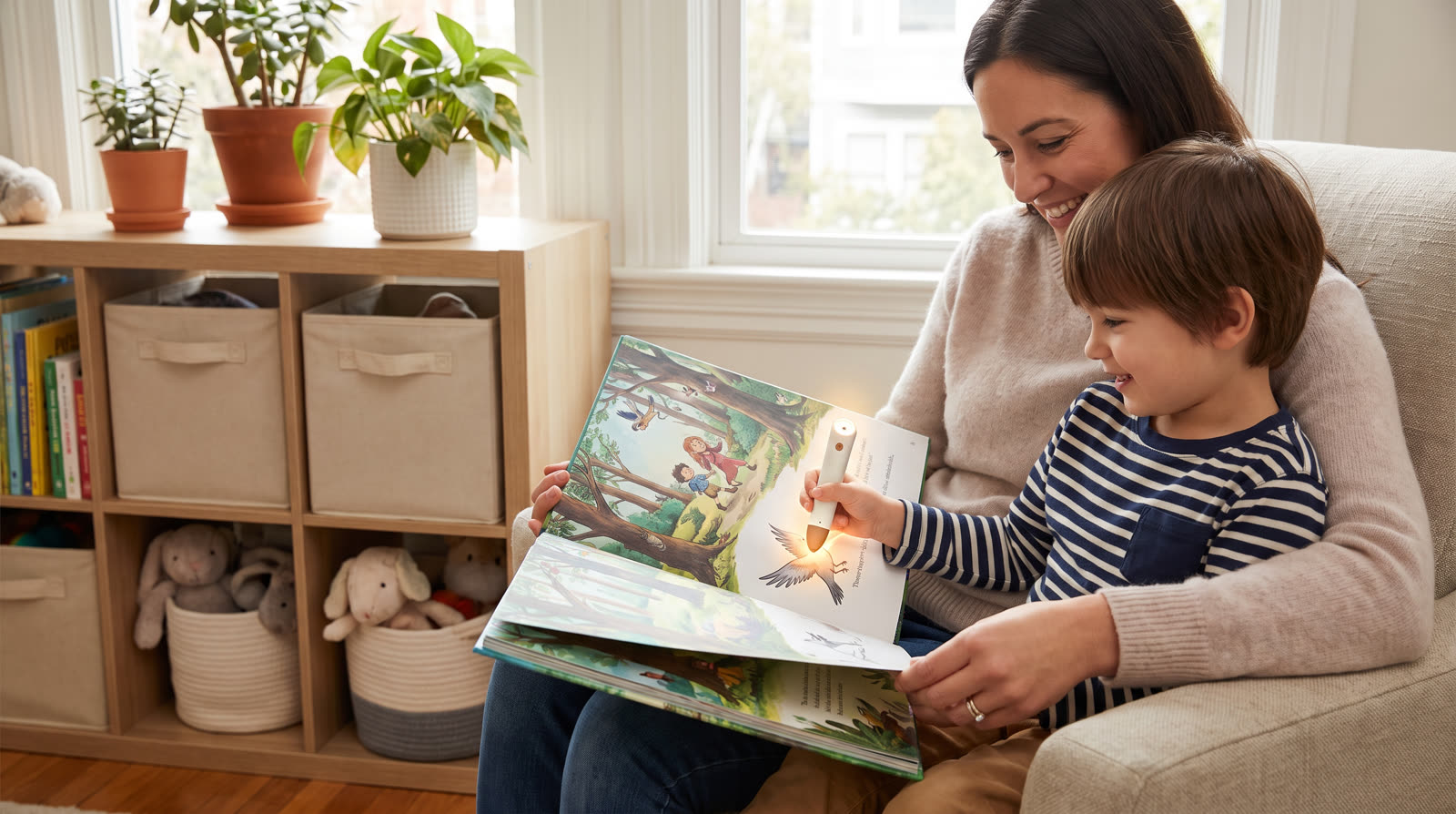
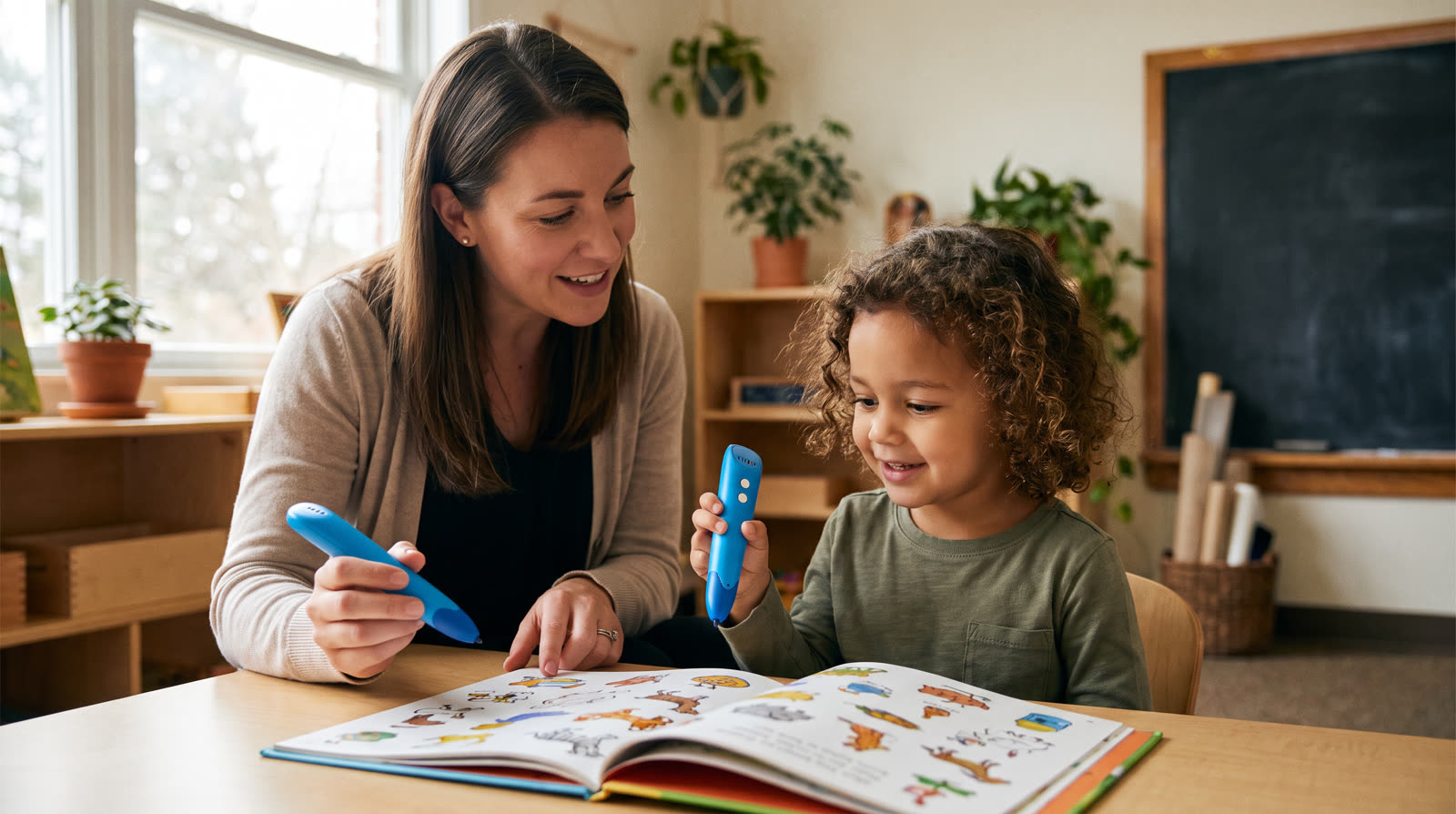
Choose one familiar book page. Use the feature once, then invite the child to point, copy a sound, name a picture, answer a simple question, or tell what happens next. Repeat only while interest remains. NAEYC recommends responsive read-alouds that follow children’s cues rather than treating completion as the goal. [3]
Product and Learning Boundaries
Follow the specific product’s age grade, warnings, charging instructions, and care guidance. For younger children, adult setup and shared use are especially important. The AAP encourages language-rich shared reading and back-and-forth engagement around books; a product feature should support that relationship rather than replace it. [1]
Continue your research
Related reading pen buyer guides
Use these related guides to compare the next product, content, sourcing or channel decision in your project.
- Early LearningHow Can a Reading Pen Help Children Learn Phonics Sounds through Picture Stories?Read this guide
- Early LearningHow Can a Reading Pen Help Children Learn Phonics Sounds through Songs?Read this guide
- Early LearningHow Can a Reading Pen Help Children Learn Phonics Sounds through Question-and-Answer Games?Read this guide
Continue with ReadGlo
See a DOT-code picture-book set designed for guided early-learning programs.