
Contents
Direct Answer
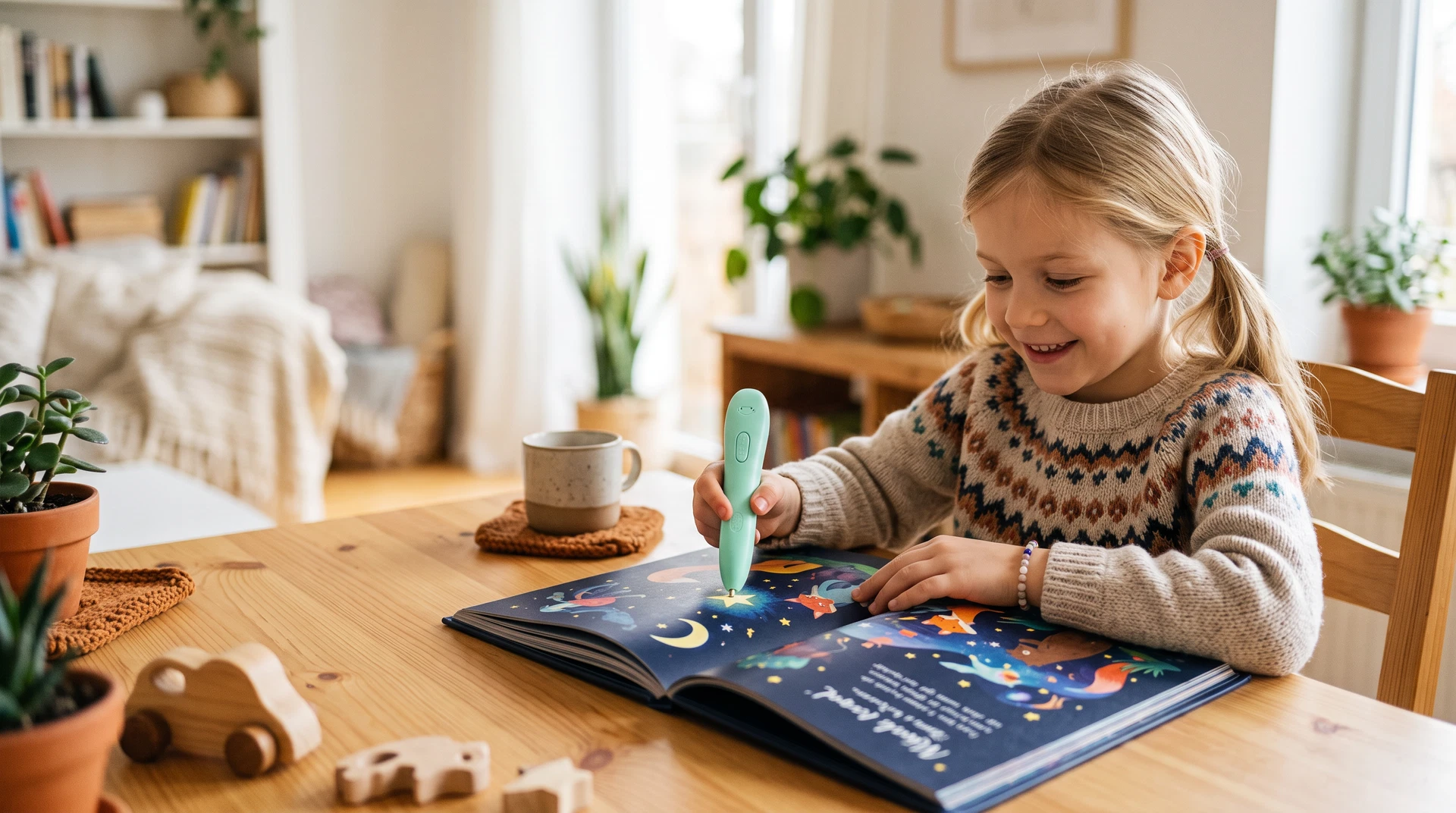
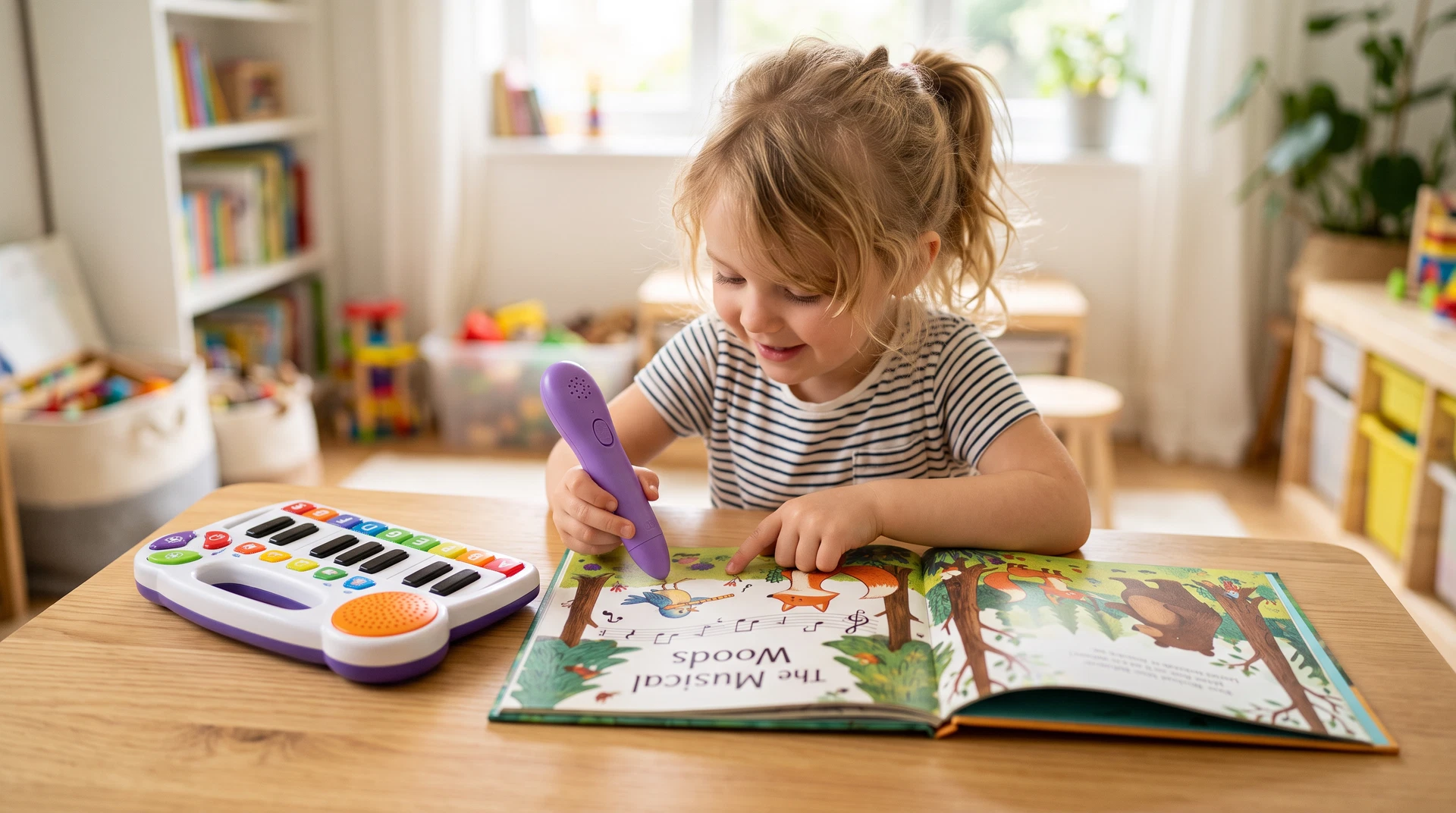
The landscape of early childhood education is undergoing a significant transformation, driven by the demand for screen-free, interactive learning tools. Among the most innovative products in this sector are interactive piano learning books paired with smart pens. These tools allow children to engage with musical theory and practice by simply tapping a printed keyboard on a page, which then triggers the corresponding musical note through a smart pen. For B2B importers, distributors, and educational publishers, sourcing these products requires a deep understanding of both the underlying technology and the complex manufacturing standards involved.
Finding a reliable B2B factory for interactive piano learning books is not merely about finding the lowest price; it is about identifying a partner capable of integrating high-precision optical technology with durable physical book production. This guide provides a comprehensive framework for professional buyers to evaluate potential suppliers, ensure product quality, and navigate the global compliance landscape.
Understanding the Technology: How Smart Pens Play Piano Notes
The core of an interactive piano book system is Optical Identification (OID) technology. Unlike traditional sound books that rely on physical buttons and embedded electronic modules, OID-based systems use a sophisticated interplay of specialized printing and optical sensors.
**OID (Optical Identification) Technology OID technology works by printing a microscopic dot pattern—often referred to as OID codes—on the surface of the book's pages. These codes are virtually invisible to the human eye but can be detected by an infrared CMOS sensor located in the tip of the smart pen. Each unique dot pattern corresponds to a specific index in the pen's internal memory. When the pen touches a "key" on the printed piano, the sensor reads the code, and the pen's Microcontroller Unit (MCU) triggers the playback of the associated audio file, such as a Middle C piano note.
**Precision Printing and Invisible Ink For the system to function accurately, the factory must possess high-resolution printing capabilities. The OID codes are typically printed using a special carbon-based ink that absorbs infrared light, while the colorful graphics of the piano are printed using non-carbon inks that reflect it. This contrast allows the pen to "see" the codes through the artwork. Buyers should verify that a factory has experience with 4-color plus OID code printing to ensure that the interactive elements do not interfere with the visual design.
**Audio Mapping and Latency In a piano learning book, the user experience depends heavily on low latency. When a child taps a note, the sound must be instantaneous to simulate a real instrument. A responsible supplier should demonstrate their ability to optimize the pen's firmware and audio file formats (such as high-quality WAV or compressed MP3) to minimize the delay between the physical tap and the auditory output.
"The integration of OID technology into printed materials requires a specialized workflow where digital audio assets are mapped to specific coordinates on a printed layout, ensuring that every 'key' on the page produces the correct pitch." [1]
Sourcing Framework: Evaluating a Reliable Manufacturing Partner
When searching for a B2B factory, professional buyers must conduct thorough due diligence. The complexity of these products means that a standard toy factory may not have the necessary technical infrastructure.
**Technical R&D Capabilities A top-tier factory should have an in-house R&D team capable of handling both hardware (the smart pen) and software (the OID mapping). Buyers can request to see the factory's portfolio of previous interactive projects to assess their technical depth. It is essential to verify if the factory can support custom firmware development, especially if the project requires unique features like recording functions, volume control, or multi-language support.
**Factory Audits and Social Compliance Before entering into a contract, buyers should request recent audit reports. Common certifications include ISO 9001 for quality management systems and social compliance audits like BSCI (Business Social Compliance Initiative) or SMETA (Sedex Members Ethical Trade Audit). These documents provide a baseline for the factory's operational standards and ethical practices. However, it is critical to verify these reports directly with the issuing body to ensure their authenticity.
**Scalability and Production Lead Times For large-scale distributors, understanding a factory's production capacity is vital. This includes the number of SMT (Surface Mount Technology) lines for pen PCBAs and the capacity of their printing and binding facilities. A responsible supplier should provide a clear production timeline, from sample approval to mass production and shipment.
For specific inquiries regarding factory capabilities and custom project feasibility, professional buyers are encouraged to contact our technical team at info@readglo.com for a detailed consultation.
Quality Control: Ensuring Precision in Interactive Content
Quality control (QC) for interactive piano books is more rigorous than for standard printed materials. It involves verifying both the physical integrity of the book and the digital accuracy of the OID system.
**OID Recognition Accuracy The most common defect in these products is "dead zones" where the pen fails to recognize the printed code. A robust QC process should include a 100% check of the interactive areas on a sampling basis during the printing stage. Buyers should ask: "How does the factory ensure that the OID codes are correctly aligned with the printed piano keys?" A reliable partner will use specialized OID testing software to verify code readability across the entire page.
**Sound Quality and Speaker Calibration Since these books are intended for music learning, audio clarity is paramount. The smart pen's speaker must be able to reproduce piano notes without distortion, even at higher volumes. During the sampling phase, buyers should evaluate the frequency response of the pen's speaker and the quality of the digital-to-analog converter (DAC) used in the PCBA.
**Physical Durability and Binding Children's books are subject to heavy wear and tear. Interactive books, which often use thicker board pages to protect the OID patterns, must have strong binding to prevent pages from detaching. Standard tests that buyers can request include:
- Drop Tests: Ensuring the smart pen remains functional after being dropped from a specific height (e.g., 1 meter).
- Tension Tests: Checking the strength of the book's binding and any attached components.
- Battery Life Testing: Verifying that the rechargeable lithium battery or replaceable dry cells meet the advertised usage hours.
ReadGlo project support
Send Your Requirements
Share your target market, product scope, expected quantity and launch timing. Our team can prepare a relevant product, content or quality-control discussion.
Compliance and Safety: Navigating Global Regulations
| Feature | OEM (Original Equipment Manufacturer) | ODM (Original Design Manufacturer) |
|---|---|---|
| **Design Ownership** | Buyer provides the full design and content. | Factory provides the design; buyer adds branding. |
| **Development Cost** | Higher upfront costs for custom tooling and R&D. | Lower costs as existing molds and hardware are used. |
| **Time to Market** | Longer (6–12 months) due to custom development. | Faster (2–4 months) using pre-existing platforms. |
| **Uniqueness** | High; the product is unique to the buyer. | Lower; other brands may use the same hardware. |
| **Technical Support** | Buyer is responsible for technical specs. | Factory provides technical expertise and OID mapping. |
Interactive electronic books fall under several regulatory categories, including toys, electronics, and chemical safety. Compliance is non-negotiable for B2B buyers entering markets like the US, EU, or Australia.
Toy Safety Standards The primary standards for children's products are EN71 in Europe and ASTM F963** in the United States. These standards cover mechanical and physical properties (e.g., no small parts that could be choking hazards), flammability, and the migration of certain elements. Buyers should verify in writing that the factory's materials—including the paper, inks, and plastics—have been tested by accredited third-party laboratories like SGS, Intertek, or TUV.
**Electronic and Battery Safety Because the smart pen contains electronic components and often a lithium-ion battery, it must comply with additional regulations:
- FCC/CE-RED: For electromagnetic compatibility and radio frequency standards.
- RoHS/REACH: To ensure the absence of hazardous substances like lead, mercury, and cadmium in the electronics.
- UN38.3: A mandatory requirement for the safe transport of lithium batteries by air or sea.
**Health and Accessibility Considerations When designing piano books for educational or therapeutic use, such as for children with sensory processing needs, buyers should seek professional advice. While interactive books can be excellent tools for engagement, any claims regarding their therapeutic benefits should be backed by qualified experts and meet local healthcare regulations.
The Content Development Lifecycle: From Manuscript to Interactive Book
Creating an interactive piano book is a collaborative process between the buyer's content team and the factory's technical team.
1. Manuscript and Audio Production: The buyer creates the musical content and records the piano notes. It is recommended to use high-bitrate recordings to ensure the best sound quality through the pen's speaker. 2. Graphic Design with OID Layering: The book's layout is designed. A separate layer for the OID codes is generated using specialized software. The factory must ensure that the codes are placed precisely over the "piano keys" in the artwork. 3. Prototyping and OID Validation: A digital sample (often called a "white sample" or "blue line") is produced to test the OID recognition. The buyer should verify that every note plays correctly and that there is no "bleeding" between adjacent keys. 4. Mass Production and QC: Once the sample is approved, mass production begins. The factory should implement the QC steps mentioned earlier, including PCBA testing and OID code verification. 5. Final Inspection and Shipping: Before shipment, a final random inspection (FRI) based on AQL (Acceptable Quality Level) standards should be conducted by the buyer or a third-party agency.
FAQ for B2B Buyers
Q1: Can we use our own audio files for the piano notes? Yes, most professional factories allow buyers to provide their own audio assets. The factory will then map these files to the corresponding OID codes during the software development phase.
Q2: What is the minimum order quantity (MOQ) for custom interactive books? MOQs vary significantly depending on the level of customization. For a completely custom-shaped pen and unique book content, MOQs typically start at 1,000 to 3,000 units to cover the costs of SMT setup and specialized printing.
Q3: How do we ensure the OID codes don't fade over time? A responsible supplier should use high-quality, UV-resistant inks for the OID layer. Buyers can request accelerated aging tests to verify the long-term readability of the codes.
Q4: Is it possible to update the content on the pen after purchase? Some smart pens feature a USB port or microSD card slot, allowing users to download new audio files. However, this adds to the hardware cost and complexity. Most educational piano books use a "locked" system where the content is pre-loaded during manufacturing.
Q5: What certifications should I prioritize for the US market? For the US, you must ensure compliance with CPSIA (Consumer Product Safety Improvement Act), which includes ASTM F963 for toy safety and lead/phthalate testing. If the pen is rechargeable, FCC certification is also required.
Conclusion
Sourcing interactive piano learning books with smart pens offers a high-value opportunity for educational brands and distributors. However, the technical nature of OID technology and the stringent safety requirements for children's electronics demand a rigorous approach to supplier selection and quality management. By focusing on technical R&D capabilities, verifying compliance through third-party reports, and implementing comprehensive QC protocols, B2B buyers can deliver safe, engaging, and high-quality educational tools to their markets.
For a comprehensive evaluation of your interactive book project or to request a sample of our latest OID technology, please contact our B2B sourcing specialists at info@readglo.com. We are committed to helping you navigate the complexities of EdTech manufacturing with transparency and expertise.
References
[1] "Optical Identification (OID) Technology in Educational Publishing," *Journal of Interactive Learning Research*, https://www.aace.org/pubs/jilr/ [2] "Toy Safety Business Guidance," *U.S. Consumer Product Safety Commission (CPSC)*, https://www.cpsc.gov/Business--Manufacturing/Business-Education/Toy-Safety [3] "Standard Consumer Safety Specification for Toy Safety (ASTM F963)," *ASTM International*, https://www.astm.org/f0963-17.html [4] "European Standard EN 71: Safety of Toys," *European Committee for Standardization (CEN)*, https://www.cen.eu/work/areas/consumer/toys/Pages/default.aspx [5] "RoHS Directive Information," *European Commission*, https://environment.ec.europa.eu/topics/waste-and-recycling/rohs-directive_en
Continue your research
Related reading pen buyer guides
Use these related guides to compare the next product, content, sourcing or channel decision in your project.
- Application SolutionsCan Waterproof Talking Pens Revolutionize Interactive Culinary Education for Children?Read this guide
- Product DevelopmentHow Can Publishers Achieve Invisible OID Codes on Dark Audio Book Backgrounds?Read this guide
- Application SolutionsHow Can Importers Effectively Evaluate B2B Suppliers of Talking Coloring Books for Toddlers?Read this guide
Continue with ReadGlo
See product specifications and request model-specific documentation.
ReadGlo project support
Get a Project Quote
Request product specifications, sample guidance or a tailored proposal for your reading pen, interactive book or distributor program.