Contents
Introduction
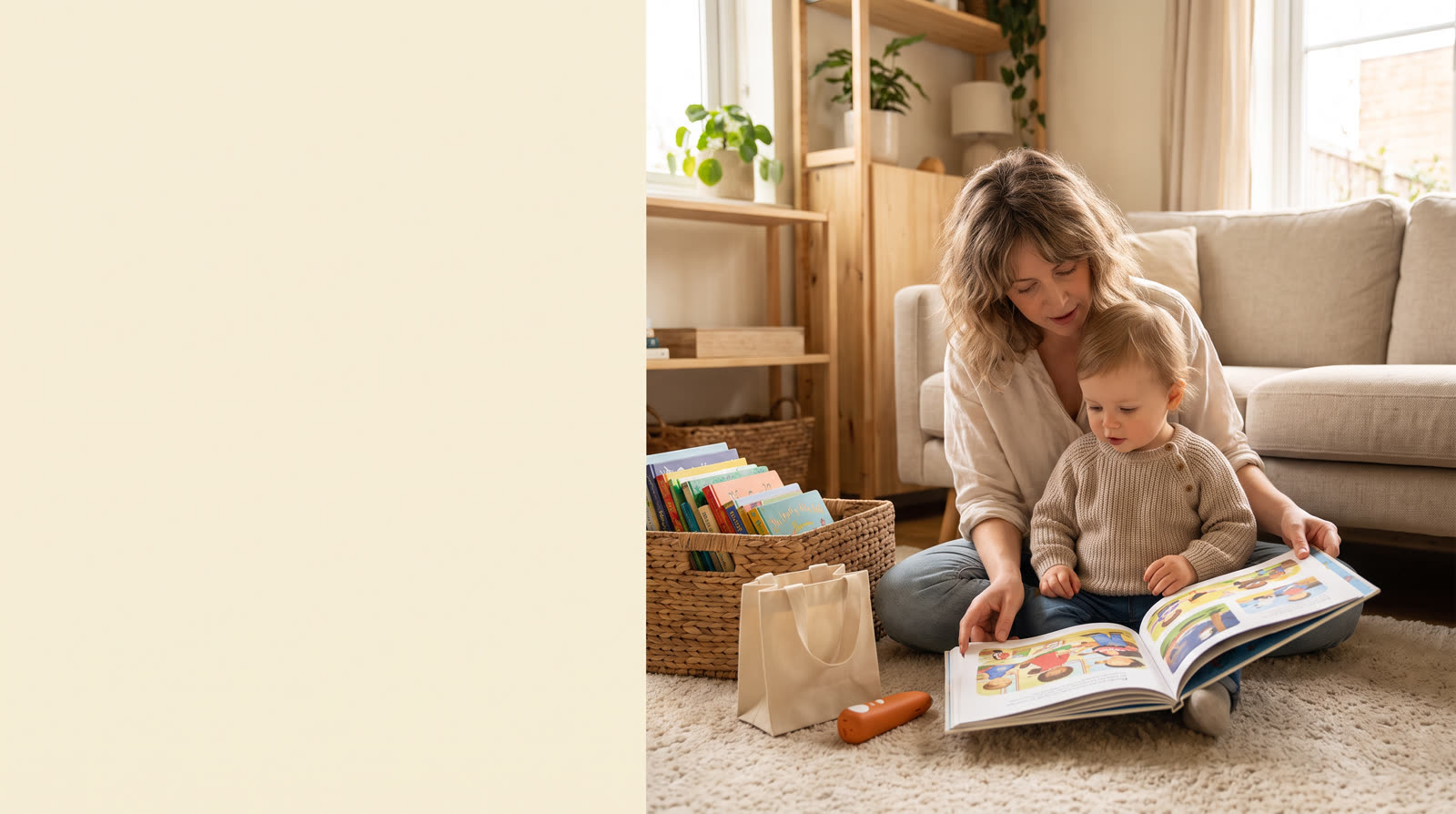
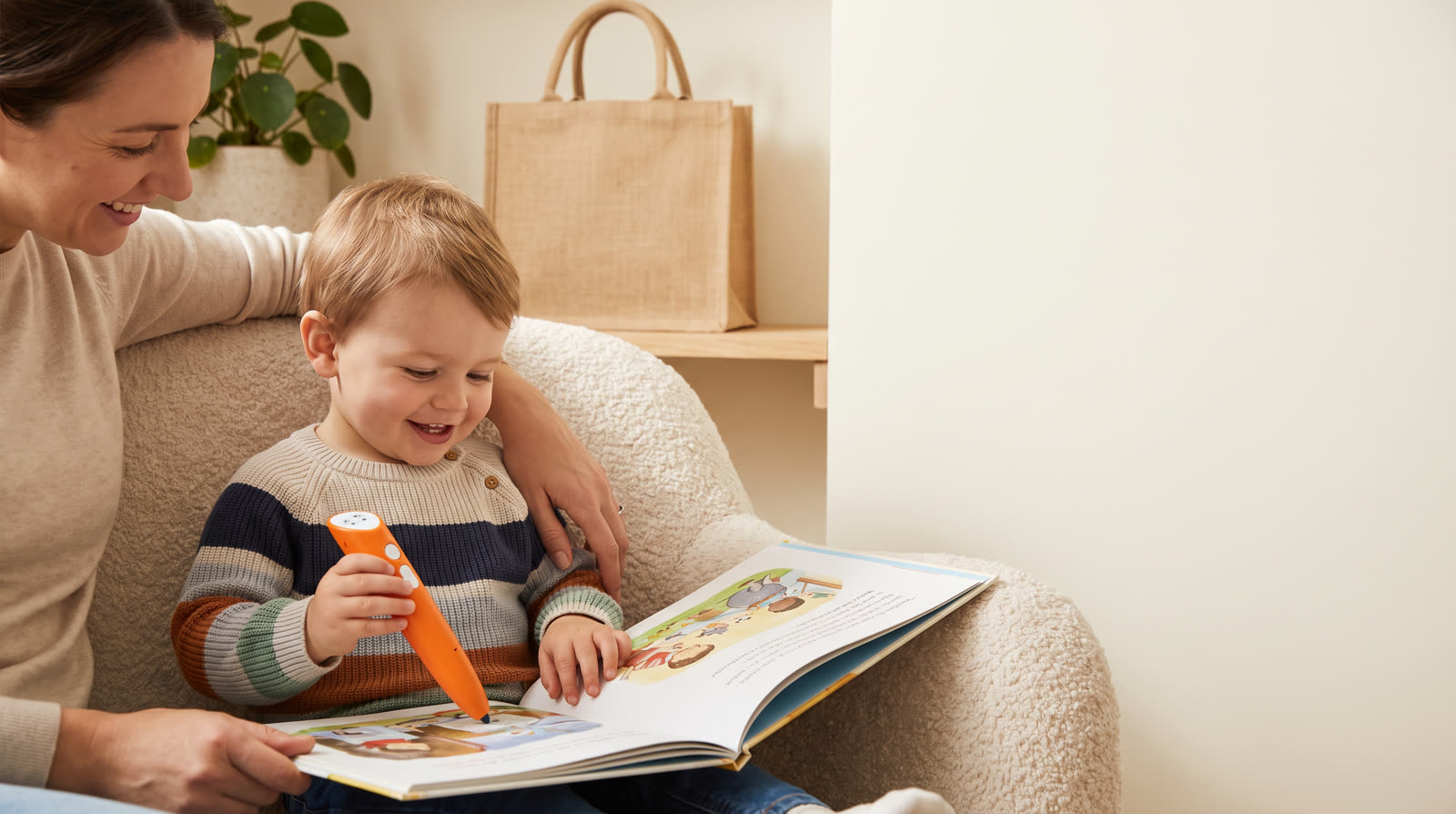
Choosing a baby shower gift for a bilingual family often centers on finding items that support early language exposure, cognitive growth, and long-term family engagement. A children's reading pen and talking picture book set can be a thoughtful, highly practical gift, provided that the product matches the developmental stage of the infant and aligns with the parents' linguistic and educational goals. While newborns and young infants do not immediately interact with optical reading pens independently, multi-sensory sound books and audio-enabled libraries lay an invaluable foundation for auditory discrimination, phonological awareness, and dual-language immersion from birth. However, gift-givers and B2B buyers must evaluate several critical boundary conditions—such as acoustic safety, book code compatibility, sturdy physical construction, and the indispensable role of adult mediation. According to the American Academy of Pediatrics (AAP), early literacy experiences combined with responsive adult interaction are crucial for language development in both primary and secondary languages during the formative years. This comprehensive guide explores the developmental, safety, and technical considerations of gifting talking book sets to bilingual households, offering actionable insights for educators, retail buyers, and publishing partners navigating the global market.
Understanding Bilingual Early Childhood Literacy and Gift Selection Criteria
The Developmental Window for Dual-Language Exposure in Infancy and Toddlerhood
Infants possess a remarkable, biologically innate capacity to perceive phonetic distinctions across multiple languages during their first year of life. When bilingual families welcome a newborn, establishing a rich, balanced linguistic environment from day one supports future literacy, cognitive flexibility, and executive function. However, early childhood developmental experts emphasize that infants learn language primarily through human interaction, emotional connection, and responsive communication rather than passive device consumption. Therefore, when evaluating a reading pen and talking picture book set as a baby shower gift, it is essential to view the tool not as an electronic babysitter, but as an interactive catalyst for shared reading between parents, caregivers, and children. Dual-language families benefit significantly from books that present dual texts or interchangeable audio tracks, allowing caregivers to alternate between languages naturally according to the family's language-exposure strategy, such as the 'one parent, one language' approach. Gift-givers and procurement professionals should ensure that the included media libraries feature native-speaker voice recordings with correct intonation, rhythm, and cultural authenticity, which supports accurate phonetic modeling for developing minds and prevents artificial accentuation. Furthermore, research compiled by organizations like Reading Rockets indicates that exposing infants to rhythmic speech, songs, and conversational turns in multiple languages significantly enhances auditory memory and vocabulary acquisition over time.
Evaluating Gift Utility, Longevity, and Family Readiness
Baby shower gifts often range from disposable clothing items to keepsakes that are quickly outgrown within the first few months of life. A high-quality interactive reading system offers extended utility and long-term value, transitioning seamlessly from a sensory sound-board experience during infancy to an independent reading companion as the child reaches toddlerhood and preschool age. For bilingual families, this longevity is especially valuable because vocabulary acquisition in two or more languages is an ongoing, cumulative process that spans several developmental milestones. When sourcing or selecting such sets for gift registries, procurement professionals and retail buyers should look for modular book collections that allow families to expand their library over time with thematic topics ranging from everyday routines to cultural stories. Furthermore, gift-givers must consider whether the household has sufficient shelf space, charging infrastructure, and time to engage with structured audio materials. Emphasizing durable board books with rounded corners, non-toxic soy-based inks, and tear-resistant lamination ensures that the gift withstands the rigorous tactile exploration typical of toddlers while remaining safe for younger siblings. Retailers and brand manufacturers should clearly communicate these developmental milestones on product packaging to guide gift-givers in making informed purchasing decisions that respect both infant safety and long-term educational utility.
Core Anatomy of Interactive Audio Systems in Bilingual Publishing
Optical Code Technology and Book Code Compatibility Standards
Behind the engaging audio playback of a reading pen lies sophisticated optical recognition technology. Tiny, nearly invisible dot codes—often based on Optical Information Decoding (OID) technology—are printed alongside illustrations or text. These micro-dots are scanned by the optical sensor embedded in the pen tip, instantly triggering the corresponding audio file stored in the device's internal memory or removable TF card. For bilingual families, this technology enables dual-language switching, where tapping the exact same illustration can produce audio in English, Mandarin, Spanish, French, or another target language depending on the active book code or mode selection button. When evaluating manufacturers or compiling product catalogs, B2B buyers and educational publishers must verify book code compatibility and ensure that printing partners maintain high dot-matrix resolution. Inconsistent dot printing can cause reading errors, recognition delays, frustration for young users, and a diminished educational experience. Buyers should establish rigorous pre-production specification reviews to test optical recognition accuracy across varying paper finishes, matte lamination, and ink densities. Maintaining strict compatibility standards across different book series ensures that families can seamlessly integrate newly purchased books into their existing audio library without firmware conflicts.
Audio Hardware Safety, Ergonomics, and Acoustical Parameters for Young Children
Children's products demand uncompromising adherence to safety and ergonomic standards. A reading pen designed for family and early childhood use must feature an ergonomic grip suitable for small hands or adult-assisted guidance, non-toxic ABS plastic housing, and secure, tamper-resistant battery compartments. Acoustical safety is equally critical: output decibel levels must comply with international toy safety standards (such as EN71-1 or ASTM F963) to protect developing eardrums from excessive volume exposure, especially since children frequently hold audio devices close to their ears. Manufacturers must calibrate speaker drivers to maintain clear pronunciation without harmonic distortion across all volume settings. B2B quality assurance protocols should require comprehensive third-party testing reports covering acoustic output limits, heavy metal content in plastics, phthalate restrictions, and drop-test durability. Retailers offering these items as premium baby shower or educational gifts should request verifiable compliance documentation from their suppliers before stocking large inventory volumes. Additionally, ensuring that charging circuits incorporate over-voltage and over-current protection safeguards against electrical hazards in home environments.
B2B Procurement, Quality Assurance, and Sample Evaluation Protocols
Specification Review and Multi-Language Audio File Management
For B2B importers, educational distributors, and publishers, launching a bilingual talking book line requires meticulous management of audio assets and hardware specifications. The specification review phase must define memory capacity (e.g., 8GB or 16GB internal storage), supported audio formats (MP3, WAV, or proprietary encrypted OID formats), and firmware localization options. Managing multi-language audio files involves coordinating native voice actors, professional recording studios, and precise synchronization between audio timestamps and printed dot codes. Procurement teams should establish clear version control protocols to prevent mismatches between revised book editions and older pen firmware versions already in circulation across international retail networks. When preparing sample evaluation checklists, quality managers must test audio switching speeds, battery recharge efficiency, and data transfer stability via standardized USB-C ports, ensuring that the end-user experience remains smooth and intuitive for parents. Furthermore, establishing clear protocols for software updates allows publishers to issue bug fixes and new audio packs efficiently.
Pre-Production Sampling, Function Checks, and Durability Verification
Before committing to bulk manufacturing runs, buyers must execute a structured pre-production sampling and evaluation workflow. This includes physical inspection of sample books for paper weight, lamination quality, binding integrity, and anti-glare finishes to protect infant and toddler eyesight. Function checks must verify optical sensor sensitivity across different lighting conditions and test button responsiveness. Durability verification involves simulated drop testing, connector insertion lifecycle testing, and temperature stress tests to ensure reliable performance across diverse global climates and shipping conditions. Establishing a transparent protocol for reviewing pre-shipment inspection (PSI) reports helps mitigate supply chain risks and ensures that end-users receive defect-free educational tools that meet rigorous brand standards. B2B buyers should also conduct sample batch evaluations with bilingual focus groups or educators to verify that audio clarity, pronunciation accuracy, and navigational ease meet the expectations of modern educators and multilingual families.
ReadGlo project support
Explore ReadGlo B2B Solutions
Looking to source certified bilingual reading pens and interactive book sets for your retail catalog or educational distribution network? Review our technical specifications and sample options today.
Product Care, Battery Safety, and Regulatory Compliance Standards
External Inspection, Storage, and Battery Safety Guidelines
Because reading pens and interactive audio sets are frequently handled by young children, proper product care and battery safety are paramount. Users and caregivers should perform routine external inspections of the device housing, charging port, and speaker grille for signs of physical wear, cracking, or liquid exposure. If a device exhibits abnormal heat generation, strange odors, discoloration, swelling, or liquid ingress, it must be powered off and disconnected from power sources immediately. Under no circumstances should consumers attempt to disassemble electronic reading pens or repair internal lithium-ion battery packs. According to safety guidelines issued by the U.S. Consumer Product Safety Commission (CPSC), lithium-ion batteries require careful handling, proper storage away from extreme temperatures, and adherence to manufacturer-specified charging parameters using certified adapters. If a battery or charger malfunctions, users should contact the manufacturer or authorized service channels rather than attempting unauthorized repairs. Educational institutions and retailers should provide clear safety disclaimers and maintenance manuals to ensure that end-users practice safe handling habits throughout the lifecycle of the product.
Navigating International Child Product Safety Standards and CPSC Guidelines
Compliance with international safety regulations is non-negotiable for B2B enterprises operating in the children's educational product sector. Products destined for North American, European, and Asian markets must comply with stringent regulatory frameworks such as ASTM F963, EN71, CPSIA, and CE certifications. These standards govern mechanical hazards, flammability, chemical composition (including strict phthalate and lead limits in surface coatings), and electrical safety. B2B buyers must partner with accredited testing laboratories to verify that every batch of reading pens and talking books meets or exceeds these statutory requirements. Providing clear compliance documentation and safety warnings in user manuals fosters consumer trust and protects retail distributors from liability. Additionally, keeping abreast of evolving regulatory standards ensures long-term market access and reinforces brand credibility in competitive global educational markets.
Strategic Integration for Educational Retailers, Publishers, and Distributors
Curating Bundles for Multilingual Households and Baby Registries
Retailers and e-commerce platforms can maximize the appeal of talking book sets by curating specialized bundles tailored to bilingual baby registries and family milestones. Rather than selling pens and books in isolation, successful commercial strategies involve creating starter kits that pair an ergonomic reading pen with foundational board books in two primary languages (e.g., English and Spanish, or English and Mandarin). These bundles can be marketed with clear age-appropriateness guidance, emphasizing that while newborns benefit from auditory sound immersion, toddlers will soon engage actively with the point-and-read mechanics. Retailers should also provide transparent information regarding companion book availability, enabling families to expand their bilingual library as the child grows and reaches new cognitive milestones. Partnering with parenting influencers, bilingual educators, and literacy advocates further enhances market reach and establishes authority in early childhood education.
Providing Transparent Documentation and End-User Guidance
Building long-term brand equity in the competitive B2B educational market requires exceptional transparency and customer support. Publishers and brand owners should provide comprehensive multi-language quick-start guides, digital troubleshooting portals, and clear instructions for downloading audio files or updating device firmware. When retail partners stock these items for gift-giving seasons, supplying well-designed packaging with clear specifications helps gift-givers make informed purchasing decisions. Emphasizing the collaborative nature of the tool—highlighting that reading pens are designed to support, not replace, parent-child reading time—reinforces responsible product positioning and aligns with expert educational recommendations. Transparent communication regarding warranty terms, return policies, and customer support channels further strengthens trust between manufacturers, retail partners, and modern families.
Frequently Asked Questions
Are reading pens and talking books safe for newborns and infants at a baby shower?
Yes, when used appropriately under adult supervision. While newborns cannot operate a reading pen independently, interactive board books with audio accompaniments provide rich auditory stimulation. However, electronic pens contain small parts and batteries, so they should be kept out of reach of infants until they reach the recommended age (typically 2 to 3 years old) for supervised interactive play.
How do bilingual talking book sets support language development in dual-language households?
Bilingual talking book sets provide authentic native-speaker pronunciation, vocabulary repetition, and dual-text exposure. According to early literacy guidelines from organizations like the AAP and Reading Rockets, consistent exposure to both languages combined with responsive adult interaction helps children build strong foundational vocabulary and cognitive flexibility.
What should B2B buyers verify when sourcing reading pens for international markets?
B2B buyers should verify optical code dot-matrix accuracy, audio file synchronization, battery safety certifications (such as UN38.3 for lithium batteries), and compliance with toy safety standards such as ASTM F963, EN71, and CPSIA. Requesting thorough pre-shipment inspection and third-party lab reports is essential.
How should caregivers handle battery or device malfunctions in children's electronic reading tools?
Caregivers should immediately stop using and disconnect the device if they observe abnormal heat, smoke, swelling, or physical damage. Never attempt to disassemble or repair the device or battery yourself. Consult the manufacturer's official customer support or authorized service channels in accordance with CPSC safety recommendations.
Conclusion
In summary, a children's reading pen and talking picture book set can serve as an exceptional, enduring baby shower gift for a bilingual family, provided that gift-givers and commercial buyers prioritize safety, developmental appropriateness, and book code compatibility. By fostering shared reading experiences and supporting dual-language exposure, these interactive tools bridge the gap between traditional publishing and modern educational technology. B2B publishers, manufacturers, and retail distributors must maintain rigorous quality assurance standards, clear safety compliance, and transparent product guidelines to ensure that families receive safe, reliable, and enriching educational products that support lifelong learning and multi-language literacy.
Continue your research
Related reading pen buyer guides
Use these related guides to compare the next product, content, sourcing or channel decision in your project.
- Gift GuideIs a Reading Pen and Talking Picture Book Set a Good Birthday Gift for Bilingual Families?Read this guide
- Gift GuideIs a Reading Pen and Talking Picture Book Set a Good Baby Shower Gift for Early Readers?Read this guide
- Gift GuideIs a Reading Pen and Talking Picture Book Set a Good Chinese New Year Gift for Bilingual Families?Read this guide
Sources used for further reading
Continue with ReadGlo
See product specifications and request model-specific documentation.
ReadGlo project support
Partner With ReadGlo
Connect with our manufacturing and publishing team to discuss custom OEM/ODM solutions, multi-language audio localization, and comprehensive safety compliance for your market.