Contents
OEM vs ODM: Clear Definitions
The terms OEM and ODM are frequently misused in the manufacturing industry, leading to confusion and misaligned expectations between buyers and manufacturers. Understanding the precise meaning of each term is essential for making the right sourcing decision.
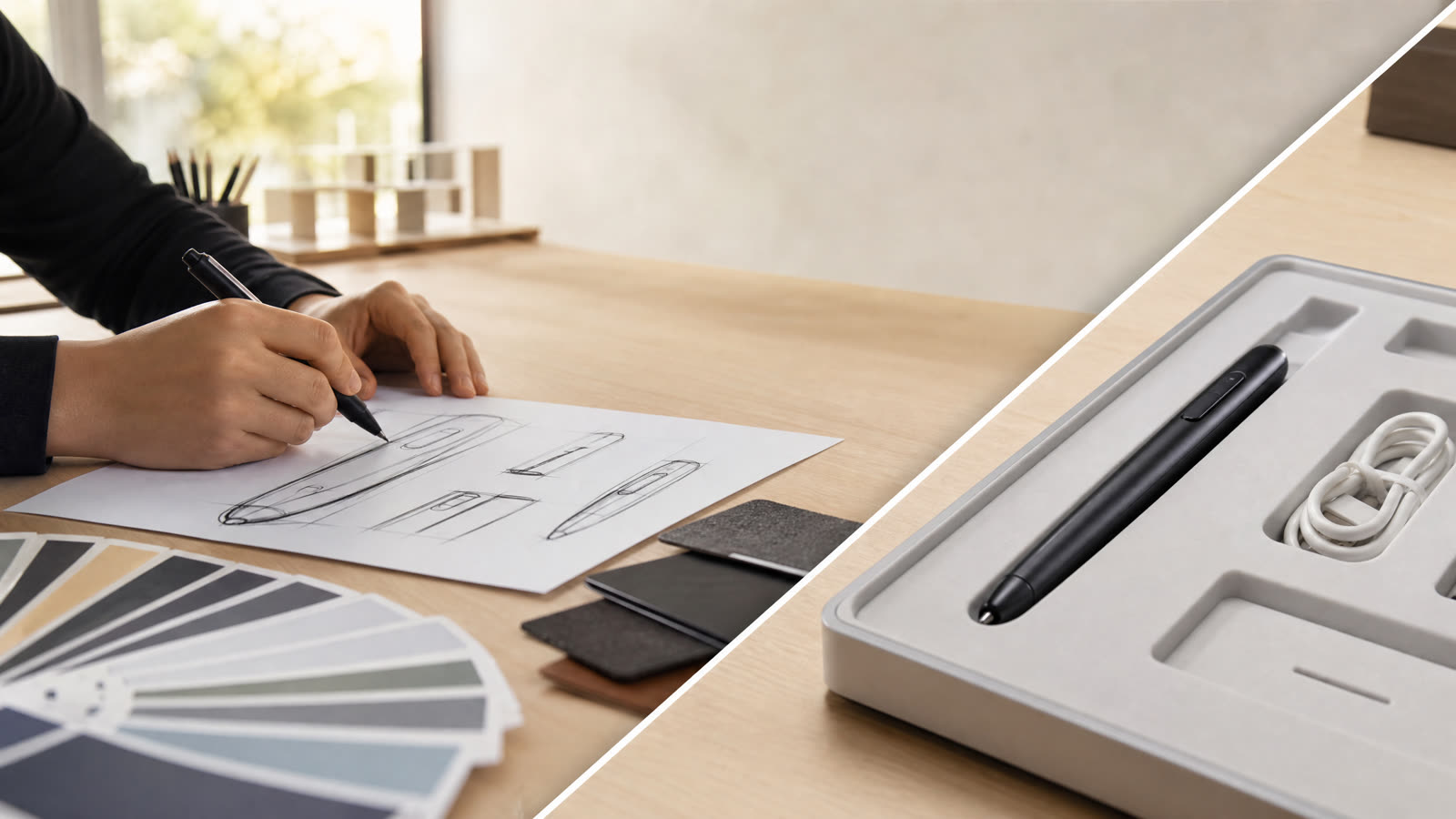
OEM (Original Equipment Manufacturer) In the context of consumer electronics sourcing, OEM refers to a manufacturing arrangement where the buyer provides the product design, specifications, and intellectual property, and the manufacturer produces the product to those specifications. The buyer owns the product design; the manufacturer provides production capacity and expertise.
ODM (Original Design Manufacturer) ODM refers to an arrangement where the manufacturer provides an existing product design that the buyer can customize and sell under their own brand. The manufacturer owns the underlying product design; the buyer licenses the right to sell it under their brand with agreed customizations.
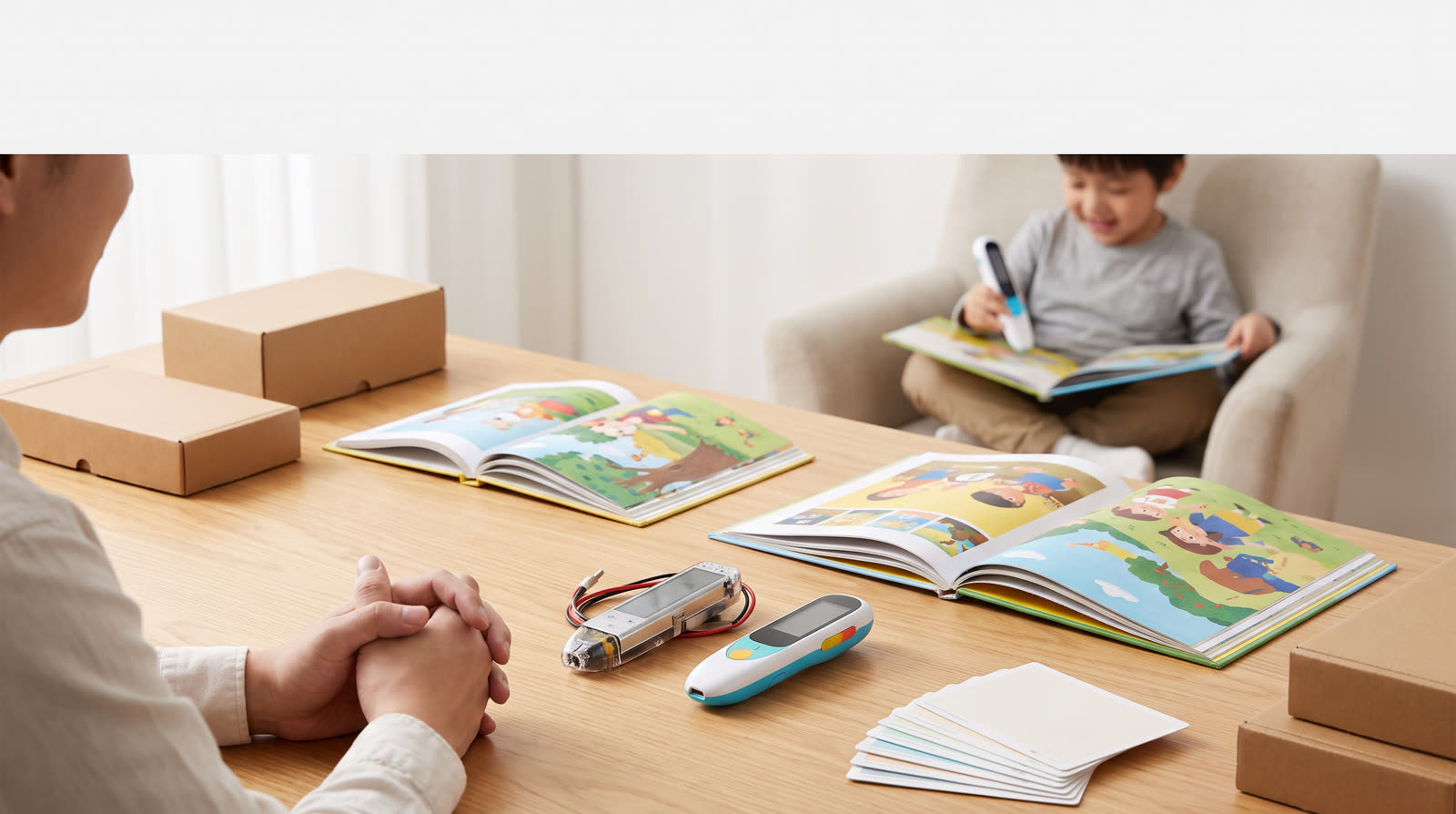
The Practical Distinction In practice, the distinction is often blurred. Most "OEM" arrangements for reading pens involve buyers customizing an existing manufacturer platform rather than providing a completely original design. The key question is: who owns the core intellectual property (hardware design, firmware architecture, DOT code system)?
When to Choose OEM
OEM manufacturing is the right choice when you have specific product requirements that cannot be met by existing designs, when you have the technical resources to manage a product development process, and when you are building a brand that requires genuine product differentiation.
Advantages of OEM Full IP ownership means you can switch manufacturers without losing your product design. Complete customization freedom allows you to optimize every aspect of the product for your target market. Stronger competitive moat — competitors cannot easily replicate your product by ordering from the same manufacturer.
Disadvantages of OEM Higher upfront investment in product development (typically $50,000–$200,000 for a new reading pen design). Longer time to market (6–18 months for a new product versus 2–4 months for an ODM variant). Requires significant technical expertise to manage the development process effectively.
Ideal OEM Buyer Profile Companies with existing product development capabilities, brands with strong differentiation requirements, buyers targeting premium market segments where product uniqueness commands pricing power, and companies with long-term strategic commitment to the category.
When to Choose ODM
ODM manufacturing is the right choice when speed to market is the priority, when you are testing a new market with limited investment risk, and when the manufacturer's existing design meets your market requirements with minor customization.
Advantages of ODM Faster time to market — ODM products can typically be launched in 2–4 months versus 6–18 months for OEM. Lower upfront investment — ODM projects typically require $5,000–$30,000 in customization costs versus $50,000–$200,000 for OEM. Lower risk — you are building on a proven design with known performance characteristics.
Disadvantages of ODM Limited differentiation — competitors can order the same base product from the same manufacturer. IP vulnerability — if the manufacturer discontinues the base model, your product line is at risk. Dependency on manufacturer's development roadmap for future features and improvements.
Ideal ODM Buyer Profile Companies entering a new market for the first time, distributors building a portfolio of products across multiple categories, buyers targeting price-sensitive market segments where differentiation is less important than cost, and companies with limited technical resources for product development.
The Hybrid Approach: Starting ODM, Moving to OEM
The most successful brands in the reading pen market typically follow a hybrid approach: launch with an ODM product to validate the market and build distribution, then invest in OEM development once the market opportunity is proven.
Phase 1: Market Validation with ODM Select an ODM product that closely matches your target market requirements. Customize branding, packaging, and content. Launch in your target market with a limited initial order (500–2,000 units). Gather customer feedback, identify product improvement opportunities, and validate pricing and distribution assumptions.
Phase 2: OEM Development Once the market is validated, invest in OEM development to create a differentiated product that addresses the gaps identified in Phase 1. Use the revenue and customer insights from Phase 1 to fund and inform Phase 2 development.
ReadGlo's Flexible Approach ReadGlo supports both OEM and ODM arrangements, as well as hybrid approaches that allow brands to start with ODM and transition to OEM as their business grows. Our team can advise on the most appropriate approach for your specific market and business objectives. Contact info@readglo.com to discuss your requirements.
Continue your research
Related reading pen buyer guides
Use these related guides to compare the next product, content, sourcing or channel decision in your project.
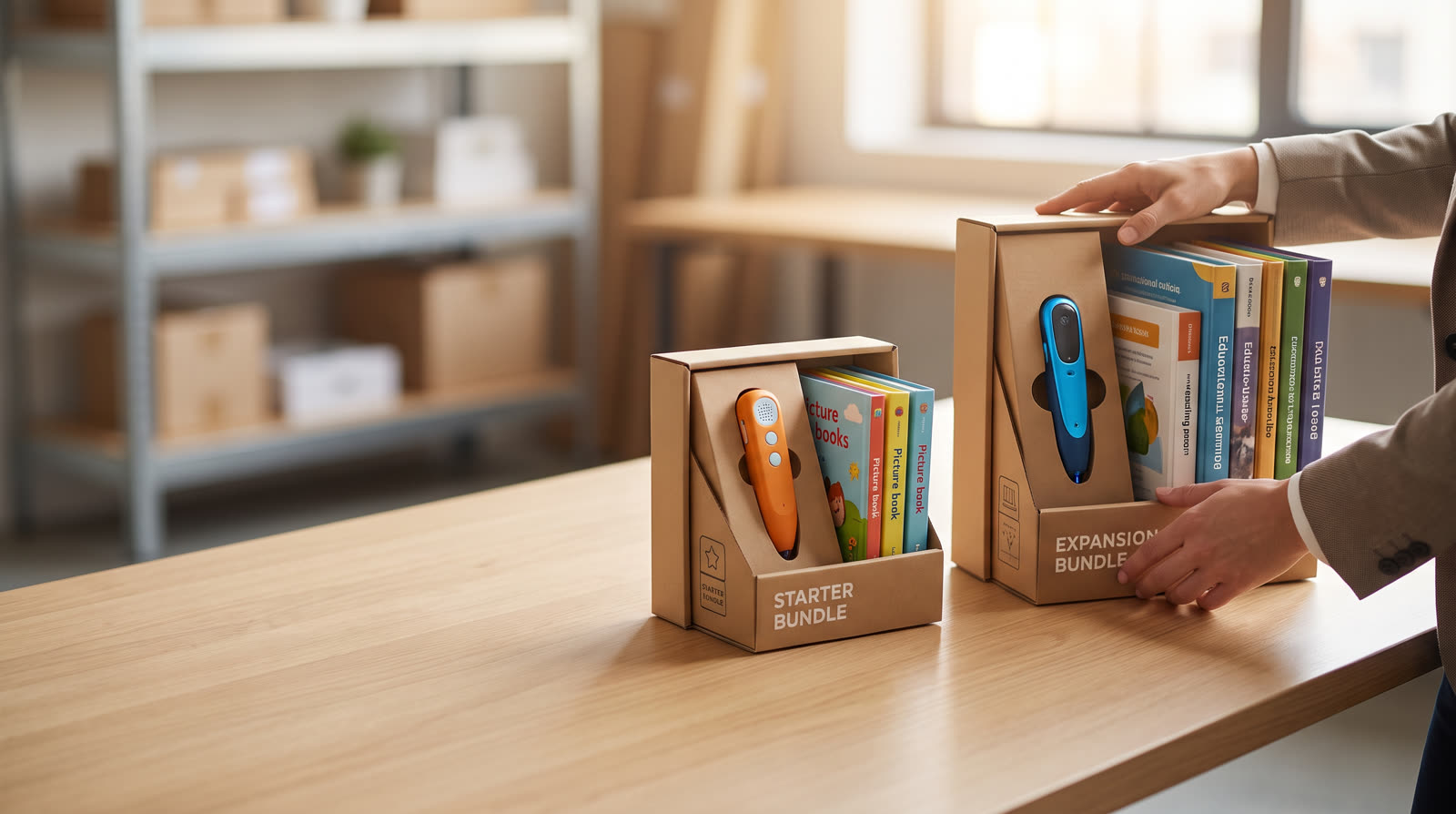
- OEM GuideHow Should Buyers Compare Starter and Expansion Book Bundles for Reading Pens?Read this guide
- OEM GuideHow Should Buyers Compare a Custom OEM Reading Pen Project With an Off-the-Shelf Model?Read this guide
- OEM GuideHow to Compare Reading Pen Manufacturers: MOQ, Quality, Service, and IPRead this guide
Continue with ReadGlo
See product specifications and request model-specific documentation.