Contents
Direct Answer
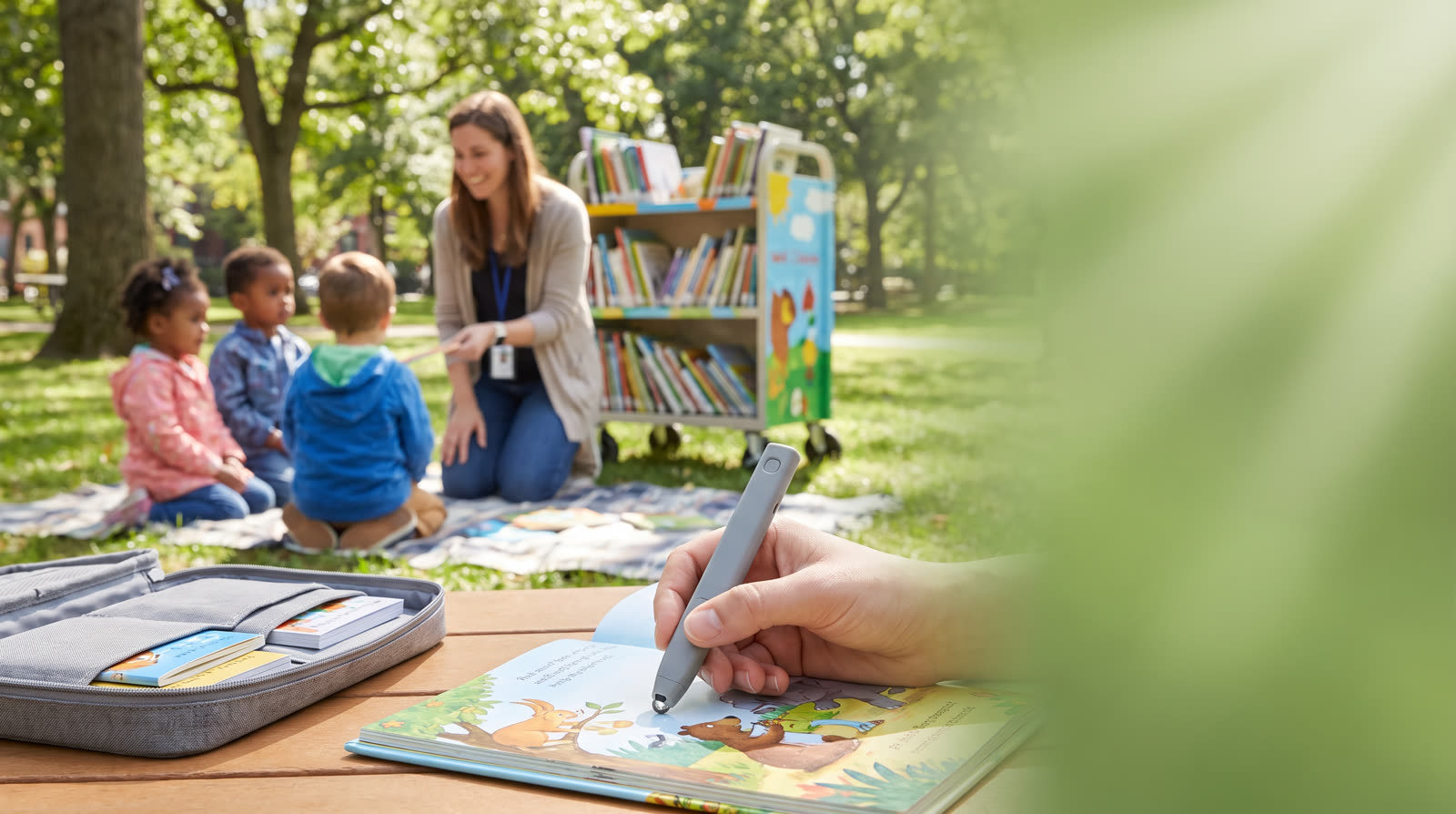
The practical answer: Build a mobile outreach kit as a checked-out system, not a loose group of devices. Record the exact pens, books, charging equipment, storage case, content versions, intended audience, stop itinerary, adult facilitator, opening and closing condition check, incident route and return deadline. Keep the activity usable offline where that is part of the selected configuration, and collect only the operational or participant information the library has approved for that outreach purpose.
This guide is for Public libraries, mobile-library services, outreach coordinators, literacy partners and distributors. Its search intent is Programme design: a library wants a portable, controlled reading-pen experience for outreach stops without over-collecting personal data or losing asset traceability.. It is designed to help a buyer decide what to approve, adapt, hold or escalate for the specific product, content, participant setting, market and route—not to create a generic supplier promise.
Start With the Exact Programme Scope
A reading-pen programme is more than a generic device. It can include a pen model, content or firmware release, one or more book editions, touch or code mapping, audio, translations, accessories, packaging, adult materials, participant information, storage, charging and delivery route. Before treating mobile library reading pen kit or public library interactive book outreach as an answer, record what is actually in scope.
Create a dated programme record that identifies the buyer project, selected pen and book set, content release, intended participants, operating setting, market, route and review owner. This is a practical traceability measure, not a legal conclusion. It stops an earlier sample, photo, pilot note or supplier statement from being reused as proof for a different programme.
Separate an observed product fact from a public statement. A fact may be checked on a representative sample or in a supervised session. A public statement about age, learning, safety, compatibility, privacy, availability, rights or support needs its own buyer-owned review before it is used in a sign-up page, donor report, retail event, school notice or customer message.
Decision Table: Approve, Adapt or Escalate
| Decision area | Buyer question | Evidence to retain | Next status |
|---|---|---|---|
| Configuration | Which pen, books, audio, accessories, package and setting are under review? | Versioned scope record, identifiers and representative set | Approve / adapt |
| Real-world use | What happens in the normal programme, retail or community workflow? | Supervised walkthrough, feedback and issue log | Approve / re-test |
| Content and rights | Which text, artwork, voice, translation and interaction assets are approved for this use? | Rights, editorial and release record | Approve / hold |
| Market and route | Which participant, privacy, safety, battery, packaging or delivery questions remain? | Owner-led evidence and qualified review where needed | Approve / escalate |
A practical buyer control table for a community, education, retail or publishing programme.
Swipe horizontally to view all columns.
Use evidence gates, not assumptions. “Approve” means the named scope has the agreed evidence at this point in time. It does not approve an unspecified future product, language, edition, activity, participant group, market or route.
Do not promise universal offline operation, unlimited battery life, automatic book compatibility, accessibility, child-data compliance or programme outcomes. Borrower information, photographs, account records, connected features and library data practices require local review. Check content, translations, readings and illustrations for the intended public setting and territory before use.
Build Evidence Before the Commitment
The practical evidence is operational: kit manifest, compatibility check, outbound and return condition record, charging status, facilitator briefing, location risk note, activity log, issue register and a short debrief. Separate anonymised use observations from named borrowing or registration data. A library can learn whether a stop, format and book selection work for its audience without turning children’s use into a surveillance record or asserting programme impact.
The American Library Association's K-12 student privacy guidance recommends collecting the minimum personal information needed for an operational purpose, setting retention and secure-destruction rules, and addressing vendor data use. Treat that as professional data-minimisation guidance to adapt with the library's own jurisdiction and policy, not as a universal legal rule for public-library outreach.
Ask the person supplying each record to identify what it covers and what it does not cover. Useful fields include the pen or set identifier, book edition, content reference, language, market, participant setting, date, observer, method, acceptance point and unresolved limitation. A document for another model, book edition, language, site or destination is a comparison input, not final proof.
For broader context, consult American Library Association — Library Privacy Guidelines for Students in K-12 Schools. It can frame a buyer question, but it does not replace verification for the final product, content, participant setting, market or route.
Run a Buyer-Owned Programme Workflow
1. Freeze the proposed scope. Record the current configuration, intended participants, setting, market, channel and decision point. Mark drafts, illustrative images, unapproved content or earlier samples as not released.
2. Assign evidence owners. Define the outreach objective and audience; select a named kit with pen-book matching records; assign a facilitator and asset custodian; prepare a portable charging and storage process; review local venue conditions; operate a brief supervised interaction; log only approved operational facts; reconcile every component after the stop; then use the debrief to adjust the next route, book selection or staff briefing. Keep product, programme, editorial, rights, privacy, market, battery, route and customer-information questions visible as separate workstreams rather than combining them into one broad claim.
3. Test representative normal use. Observe the named pen-and-book system in the relevant setting. Record the interaction, conditions, result, repeat conditions and recovery steps. Where a school, library, community group, retailer or family workflow is involved, use its ordinary operating conditions rather than a shortened showroom demonstration.
4. Decide and document. Name the buyer approver, exceptions, owner of each correction and condition that triggers another review. Keep a dated approve, adapt or escalate result next to the evidence so it survives a staff handover and supports future purchasing, onboarding, lending, programme or content-release work.
ReadGlo project support
Send Your Requirements
Share your target market, product scope, expected quantity and launch timing. Our team can prepare a relevant product, content or quality-control discussion.
Keep Content, Product, Participant and Route Decisions Separate
No one supplier, file or organiser automatically owns every part of a reading-pen programme. Hardware, firmware, books, narration, translations, illustrations, packaging, participant information, public copy, charging and delivery can each have a different accountable owner. Record those handovers explicitly.
Content and rights need the same discipline as physical assets. Confirm the rightsholder, territory, medium, language, edition, attribution and written permission for the actual text, images, recordings, translations, music or other assets. Do not assume that a print permission authorises audio, event, promotional, app or online use. WIPO copyright guidance provides international background for questions about copyright and authorization.
Where a programme is connected or collects participant information, map whether personal information is collected, accessed, transferred, retained or deleted. Where charging, batteries or delivery are in scope, identify the final configuration, instructions, packaging, carrier, venue and route. These are conditional verification tracks, not blanket assertions about a device or destination.
Control Handover and Later Changes
The approved programme record should be usable at the next gate: donation handover, outreach stop, school session, community event, retailer demonstration, lending return, partner review or first-cycle evaluation. Include the current scope, approved assets, representative observation, exceptions, public wording, named owners and next-review trigger.
A change that appears small may be material. A new battery, firmware, audio file, book reprint, translation, package panel, accessory, venue, participant group, supplier, market or shipment method can change the evidence needed. Log the delta, compare it with the approved baseline, identify affected records and decide whether a targeted check, revised proof, trial or sample is necessary.
This approach makes library reading pen programme, portable talking pen set, community literacy outreach tools and reading pen asset kit useful buyer-intent terms: each leads to a controlled question rather than an unsupported promise.
Buyer Checklist Before the Next Commitment
Use this checklist before approving the next programme step.
- Confirm the exact pen, book edition, content or firmware reference, accessories, package, intended participants and destination.
- Separate observed sample or session facts from unverified future-product, market or public claims.
- Record who owns product, programme, editorial, rights, privacy, market, battery, route and customer-information decisions.
- Link public wording to the configuration and evidence it describes.
- Keep approvals, exceptions, corrective actions and re-test triggers in one dated record.
- Verify that rights, translation, recording and asset permissions cover the intended territory, language, medium and channel.
- Check market-, configuration- and route-specific questions with responsible specialists before release.
For a practical next step, share the target market, participant setting, product scope and decision window when you send requirements to ReadGlo.
Frequently Asked Questions
1. Should a mobile library lend one pen with one book or a pre-matched kit? Start with the named programme scope: the exact pen, book edition, content or firmware reference, intended participants, setting, market and accountable owner. mobile library reading pen kit should lead to a documented question, not a promise about an unspecified future configuration.
2. What belongs in a portable reading-pen outreach case? Keep the evidence tied to the scope it covers. Where library reading pen programme depends on actual use, use a representative walkthrough or controlled sample and record the setting, observation, limitation and next owner.
3. How can a library minimise participant data during an outreach activity? Separate product facts, content permissions, programme operations, participant information and market requirements. Different people may own each decision, so a single broad supplier statement is rarely sufficient.
4. Who checks charging and condition before and after each stop? Use plain customer or partner wording that states what has been verified and refers other questions to the named owner. Avoid upgrading a practical observation into a safety, compatibility, educational or legal assurance.
5. What should staff record if a pen and book no longer match? Hold, revise or escalate when the configuration, rightsholder, responsible party, participant setting or market applicability is uncertain. A bounded follow-up is more useful than a generic yes.
6. How can a library test a new language or book selection at one outreach stop? Log a change to the pen, book, translation, audio, package, venue, participant group, market or route. Recheck the part of the programme affected by the change before copying an earlier answer forward.
7. Which programme facts should be reviewed before expanding a mobile kit? Use the programme record to identify the next action and owner. Obtain qualified market-specific input when the question affects product safety, children's data, content rights, battery transport or local requirements.
Continue With Related ReadGlo Resources
Continue with the early-learning picture-book product overview, the ReadGlo Buyer FAQ and the full buyer-guide library. Related internal research themes include library asset control; portable programme planning; privacy-conscious circulation. For a configuration-specific discussion, state the target market, participant setting, pen and book scope, content/language needs, route and next decision when you send requirements to ReadGlo.
Conclusion: Release Only the Evidence-Backed Programme Scope
The strongest answer to “What Should a Public Library Include in a Mobile Reading-Pen Outreach Kit?” is not a generic yes or no. It is a buyer-owned record that matches the exact product, content, participant setting, market and route to current evidence and accountable owners. That lets partners compare options honestly, identify gaps early and avoid turning a preliminary discussion into an unsupported public promise.
Ready to move from a broad inquiry to a controlled project brief? Use the ReadGlo contact page to request a configuration-specific discussion. Include the intended market, participant setting, pen and book scope, content/language needs, expected order context and any decision that must be verified before the next commitment.
Continue your research
Related reading pen buyer guides
Use these related guides to compare the next product, content, sourcing or channel decision in your project.
- Application SolutionsHow Can a Childcare Centre Plan Shared Reading-Pen Hygiene, Storage and Handover?Read this guide
- Buyer GuideHow Should a Public-Private Literacy Partnership Govern a Shared Talking-Pen Book Collection?Read this guide
- Application SolutionsHow Should a Mobile Library Plan Reading-Pen Charging and Carrying for Outreach?Read this guide
Continue with ReadGlo
See product specifications and request model-specific documentation.
ReadGlo project support
Get a Project Quote
Request product specifications, sample guidance or a tailored proposal for your reading pen, interactive book or distributor program.