
Contents
Direct Answer
For B2B buyers in the educational technology sector—including global distributors, importers, educational brands, and specialized publishers—the Request for Quotation (RFQ) is the foundational document that dictates the success of a long-term manufacturing partnership. A reading pen integrates optical sensors, audio hardware, and content. A vague RFQ leads to hidden costs and technical issues. To ensure quality and safety, buyers must provide precise specifications that leave no room for ambiguity. This guide outlines the essential components every B2B buyer should include in their RFQ to ensure a seamless procurement process with a professional OEM/ODM manufacturer like ReadGlo.
The Strategic Importance of a Detailed RFQ for Educational Hardware
In the competitive landscape of educational toys, the difference between a market-leading product and a liability often lies in the precision of the initial procurement phase. An RFQ serves as the primary communication tool that aligns the buyer's expectations with the manufacturer's capabilities. A detailed RFQ acts as a critical risk mitigation tool. By specifying exact requirements for materials and firmware, buyers can prevent "quality fade" during mass production. In a B2B context, the RFQ is the precursor to the formal contract, providing a solid legal and operational framework. As educational brands expand globally, the RFQ also ensures multi-market compliance, allowing buyers to request certifications for the EU, North America, or Asia in one document.
Core Technical Specifications for Reading Pens
The technical section is the heart of the RFQ. For a children's reading pen, this involves several layers of hardware and software specifications that directly impact the user experience. Buyers should avoid generic terms and instead use quantifiable metrics that a factory can verify.
**OID Technology and Sensor Precision Optical Identification (OID) technology is the mechanism that allows the pen to "read" invisible dot codes printed on paper. Currently, OID 3.0 and OID 4.0 are the industry standards. OID 4.0 offers higher storage capacity and better recognition sensitivity, which is crucial for complex interactive books. A buyer's RFQ should specify the sensor version and the required response time. For educational purposes, a response time of less than 0.1 seconds is generally recommended to ensure that the child remains engaged without frustration [1].
**Audio Quality and Processing Since the primary function of a reading pen is to provide auditory feedback, audio fidelity is paramount. The RFQ should define the supported audio formats—typically MP3 and WAV—and the sampling rate (e.g., 22.05 kHz or 44.1 kHz). Furthermore, specify the speaker output power (usually 0.5W to 1W) and the inclusion of a 3.5mm headphone jack, which is a common requirement for classroom environments. If the pen includes a microphone for recording and playback, the sensitivity and noise-reduction capabilities should also be noted to ensure clear voice capture for language learning.
**Memory and Storage Capacity B2B buyers must decide whether they need fixed internal memory or expandable storage. Most modern reading pens come with 8GB, 16GB, or 32GB of internal NAND flash memory. For publishers with extensive book series, 16GB is often the baseline. The RFQ should also specify the interface for data transfer; USB-C has largely replaced Micro-USB as the preferred standard for faster charging and data synchronization.
**Power Management and Battery Safety As a children's product, battery safety is a high-priority area. The RFQ should specify the battery type (typically Lithium-polymer), capacity (e.g., 300mAh to 600mAh), and the expected continuous working time (usually 6 to 8 hours). Buyers must insist on batteries that have passed UN38.3 and IEC 62133 testing to ensure they are safe for international shipping and daily use by children [5].
Interactive Book and Content Compatibility
One of the most common pitfalls in reading pen procurement is the disconnect between the hardware and the printed books. A reading pen is useless without compatible content, and the RFQ must address how these two elements will integrate.
**OID Dot Code Printing Requirements The buyer must specify the printing requirements for the interactive books that will accompany the pens. This includes the minimum printing resolution (typically 600 DPI, though 1200 DPI is recommended for high-density codes) and the specific dot-code layout. The RFQ should ask the manufacturer to provide "printing guidelines" for the buyer’s design team or third-party printers. It is essential to confirm whether the manufacturer provides the software tools for dot-code generation or if the buyer needs to provide the pre-coded files.
**Firmware Customization and Language Support For international distributors, multi-language support is a key selling point. The RFQ should list all target languages and ask for firmware customization options. This includes the "startup sound" (which can be branded), the default language settings, and the ability to switch between languages via functional buttons. Buyers should also inquire about the possibility of OTA (Over-the-Air) updates if the pen includes Wi-Fi or Bluetooth connectivity, allowing for remote content updates and bug fixes.
---
Call to Action: Optimize Your Sourcing Today Are you looking to develop a custom reading pen for your educational brand or publishing house? ReadGlo specializes in high-precision OID technology and comprehensive OEM/ODM services for global markets. Contact our technical sourcing team at info@readglo.com** to receive a tailored RFQ template and a free consultation on your next project.
---
Compliance and Safety Standards for Global Markets
Navigating the regulatory landscape is perhaps the most challenging aspect of sourcing children's electronics. A professional RFQ must be explicit about the certifications required for the target market. Failure to do so can lead to customs seizures or product recalls.
**Mandatory Toy Safety Certifications In the European Union, the EN71 series (Safety of Toys) is mandatory, covering mechanical properties, flammability, and chemical migration [1]. For the United States, compliance with ASTM F963 and the Consumer Product Safety Improvement Act (CPSIA) is required, often necessitating a Children’s Product Certificate (CPC) [2] [3]. The RFQ should state that "the supplier must provide valid test reports from ISO 17025-accredited laboratories" for these standards.
**Electronic and Environmental Compliance Beyond toy safety, reading pens must meet electronic standards such as CE (Europe), FCC (USA), and RoHS (Restriction of Hazardous Substances) [4]. If the pen features wireless connectivity, RED (Radio Equipment Directive) or specific FCC Part 15 certifications are necessary. A responsible buyer should also include a requirement for REACH compliance to ensure that no harmful chemicals are present in the plastic casing or silicone components.
**Professional Verification and Liability While a manufacturer may claim compliance, buyers can request a "Pre-Production Sample (PPS)" for independent third-party testing. It is important to emphasize that all safety claims should be verified by qualified professionals in the target market. The RFQ should include a clause stating that "compliance with local regulations is a prerequisite for final acceptance," placing the onus on the supplier to stay updated with changing standards.
Quality Control and Manufacturing Milestones
To ensure consistency across large orders, the RFQ must define the Quality Control (QC) expectations. This section sets the stage for the factory's internal processes and the buyer's inspection rights.
**Acceptance Quality Limit (AQL) Standards Buyers should specify the AQL levels they will use for inspections. A common standard for educational electronics is AQL 1.0 for critical defects (e.g., safety issues), AQL 2.5 for major defects (e.g., pen fails to read), and AQL 4.0 for minor defects (e.g., slight cosmetic scratches). Defining these levels in the RFQ prevents disputes during the final inspection.
Manufacturing Inspection Points A robust procurement process includes several inspection milestones. The RFQ should outline the buyer's right to conduct: 1. Initial Production Check (IPC): Inspecting the first batch of raw materials and components. 2. During Production Check (DUPRO): Monitoring the assembly line when 20-50% of the order is completed. 3. Final Random Inspection (FRI) or Pre-Shipment Inspection (PSI):** A comprehensive check of the finished goods before they leave the factory.
ReadGlo project support
Send Your Requirements
Share your target market, product scope, expected quantity and launch timing. Our team can prepare a relevant product, content or quality-control discussion.
Commercial Terms and Logistics
While technical specs define the product, commercial terms define the business relationship. An RFQ that lacks clear commercial expectations often leads to prolonged negotiations and unexpected logistical hurdles.
**Minimum Order Quantity (MOQ) and Scalability For OEM (Original Equipment Manufacturer) projects, MOQs are usually determined by the customization level. A standard pen with a custom logo might have an MOQ of 500 to 1,000 units, whereas a fully custom mold could require 3,000 to 5,000 units. The RFQ should ask for tiered pricing (e.g., 1k, 5k, 10k units) to help the buyer understand the economies of scale.
**Lead Times and Production Schedules The RFQ must request a detailed production timeline, starting from the approval of the Pre-Production Sample (PPS) to the completion of mass production. For children's reading pens, a typical lead time ranges from 30 to 45 days. Buyers should also account for "seasonal peaks," such as the lead-up to the back-to-school season, when factory capacity may be strained.
**Incoterms and Shipping Requirements Stating preferred Incoterms (e.g., FOB Shenzhen or DDP Los Angeles) is essential for accurate freight calculation. The RFQ should also specify packaging requirements to prevent damage during transit. For lithium batteries, the supplier must provide a Material Safety Data Sheet (MSDS) for international freight compliance [5].
B2B Sourcing Tip: A responsible supplier should provide a detailed cost breakdown, including tooling and unit prices. Confirming everything in writing ensures the manufacturer allocates time for quality checks without delaying the schedule.
Comprehensive RFQ Checklist for B2B Buyers
| Category | Item | Specification / Requirement |
|---|---|---|
| **Hardware** | OID Sensor | Specify version (e.g., OID 4.0) and response time (<0.1s). |
| Memory | Define capacity (8GB/16GB/32GB) and type (NAND Flash). | |
| Battery | Specify capacity (mAh), type (Li-po), and safety certifications. | |
| Charging | Specify interface (USB-C preferred) and charging time. | |
| **Audio** | Format & Quality | Supported formats (MP3/WAV) and sampling rate (kHz). |
| Speaker/Output | Power (W) and presence of 3.5mm headphone jack. | |
| **Content** | Dot Code | Printing resolution (DPI) and dot-code generation software. |
| **Compliance** | Toy Safety | EN71 (EU), ASTM F963 (US), CPC, and CPSIA. |
| Electronic | CE, FCC, RoHS, REACH, and RED (for wireless models). | |
| **Quality Control** | AQL Levels | Define Critical (1.0), Major (2.5), and Minor (4.0) limits. |
| Inspection | Specify IPC, DUPRO, and FRI/PSI requirements. | |
| **Commercial** | MOQ & Pricing | Tiered pricing for different quantities and customization. |
| Lead Time | Estimated time for PPS approval and mass production. | |
| Incoterms | Preferred shipping terms (e.g., FOB, CIF, DDP). |
To assist in the preparation of your next sourcing document, the following table summarizes the critical elements that should be included in a Children’s Reading Pen RFQ.
FAQ: Common Questions Regarding Reading Pen RFQs
**1. Why is the OID sensor version so important in an RFQ? The OID (Optical Identification) sensor is the "eye" of the pen. Different versions have different levels of sensitivity and storage capacity for dot codes. Including a specific version like OID 4.0 in your RFQ ensures that the pen can handle high-density interactive content and provides a smoother user experience with fewer reading errors.
**2. Can I request a custom mold for my reading pen in the RFQ? Yes, most professional manufacturers like ReadGlo offer ODM services where a custom mold can be developed. However, you must include this in your RFQ as it involves significant "Tooling Costs" and a longer development timeline (usually 60-90 days for mold creation and testing).
**3. How do I ensure the reading pen is safe for children under 3 years old? For children under 3, safety requirements are even stricter, particularly regarding "Small Parts" and "Choking Hazards." In your RFQ, you should specify that the product must pass the "Small Parts Cylinder Test" and that all materials must be non-toxic and BPA-free. Always confirm these requirements with a qualified safety professional in your target market.
Conclusion
A professional RFQ is the roadmap to a successful children's reading pen project. By meticulously detailing technical specifications, content compatibility, global compliance standards, and clear commercial terms, B2B buyers can foster a transparent and efficient relationship with their manufacturing partners. Whether expanding a portfolio or launching a new series, a comprehensive RFQ ensures product quality and market success. Staying informed about OID advancements and regulatory changes remains essential for maintaining a competitive edge.
---
Final Call to Action Ready to take the next step in your educational hardware journey? Download our "Ultimate B2B Sourcing Guide for Smart Learning Tools" or send your project requirements directly to info@readglo.com**. Our team is dedicated to helping you bridge the gap between educational vision and high-quality manufacturing reality.
References
1. EN71 Toy Safety Standards - European Committee for Standardization 2. ASTM F963-23 Standard Consumer Safety Specification for Toy Safety 3. CPSC - Children's Product Certificate (CPC) Requirements 4. RoHS Directive - European Commission Environment 5. UN38.3 Lithium Battery Testing Requirements - IATA
Image Plan
**Image Set 1: The Technical Core * Purpose: To visually represent the internal components and technical sophistication of a modern reading pen. * Location: Inserted after the "Core Technical Specifications for Reading Pens" section. * Caption: A high-precision OID sensor and internal circuitry are the foundations of a reliable children's reading pen. * ALT Text: Close-up of a disassembled smart reading pen showing the OID sensor, circuit board, and battery. * Detailed Image Prompt: A professional, high-resolution macro photograph of a disassembled children's reading pen on a clean, white laboratory workbench. The image should clearly show the internal components: a small optical sensor at the tip, a neatly organized green circuit board with microchips, and a compact lithium-polymer battery. The lighting should be bright and clinical, emphasizing the precision engineering. No text, no logos, 16:9 aspect ratio, realistic photography style.
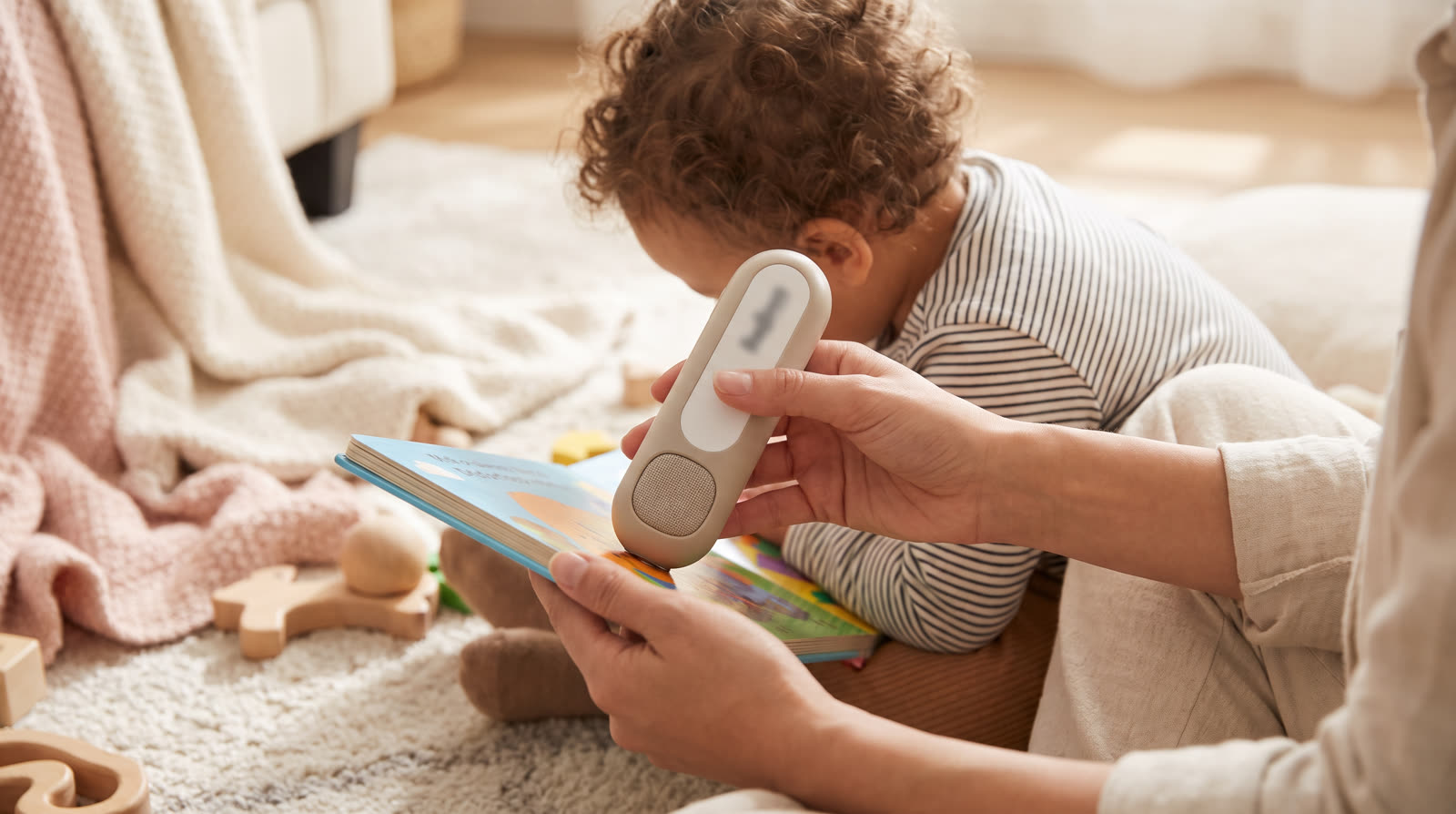
**Image Set 2: The Interactive Ecosystem * Purpose: To demonstrate the synergy between the hardware (pen) and the software (interactive books). * Location: Inserted after the "Interactive Book and Content Compatibility" section. * Caption: The interaction between the OID pen and dot-coded books creates an immersive learning experience. * ALT Text: A child's hand using a colorful reading pen to touch an interactive picture book with invisible dot codes. * Detailed Image Prompt: A realistic lifestyle photograph of a child's hand (age approximately 5-7) holding a sleek, ergonomically designed reading pen. The pen is touching a vibrant, open children's picture book featuring illustrations of animals and nature. The focus is on the point of contact between the pen tip and the page. The background is a softly blurred, warm home or classroom environment. The image should convey a sense of engagement and discovery. No text, no logos, 16:9 aspect ratio, realistic photography style.
Continue your research
Related reading pen buyer guides
Use these related guides to compare the next product, content, sourcing or channel decision in your project.
- Buyer GuideHow Should a Buyer Close Out a Discontinued Talking-Pen Book Programme Without Misleading Customers?Read this guide
- Product SafetyIs A reading pen with a small speaker Safe for a child under 3?Read this guide
- Buyer GuideHow Should a Buyer Define Age Guidance for a Children’s Talking Pen Set?Read this guide
Continue with ReadGlo
See product specifications and request model-specific documentation.
ReadGlo project support
Get a Project Quote
Request product specifications, sample guidance or a tailored proposal for your reading pen, interactive book or distributor program.