
Contents
Direct Answer
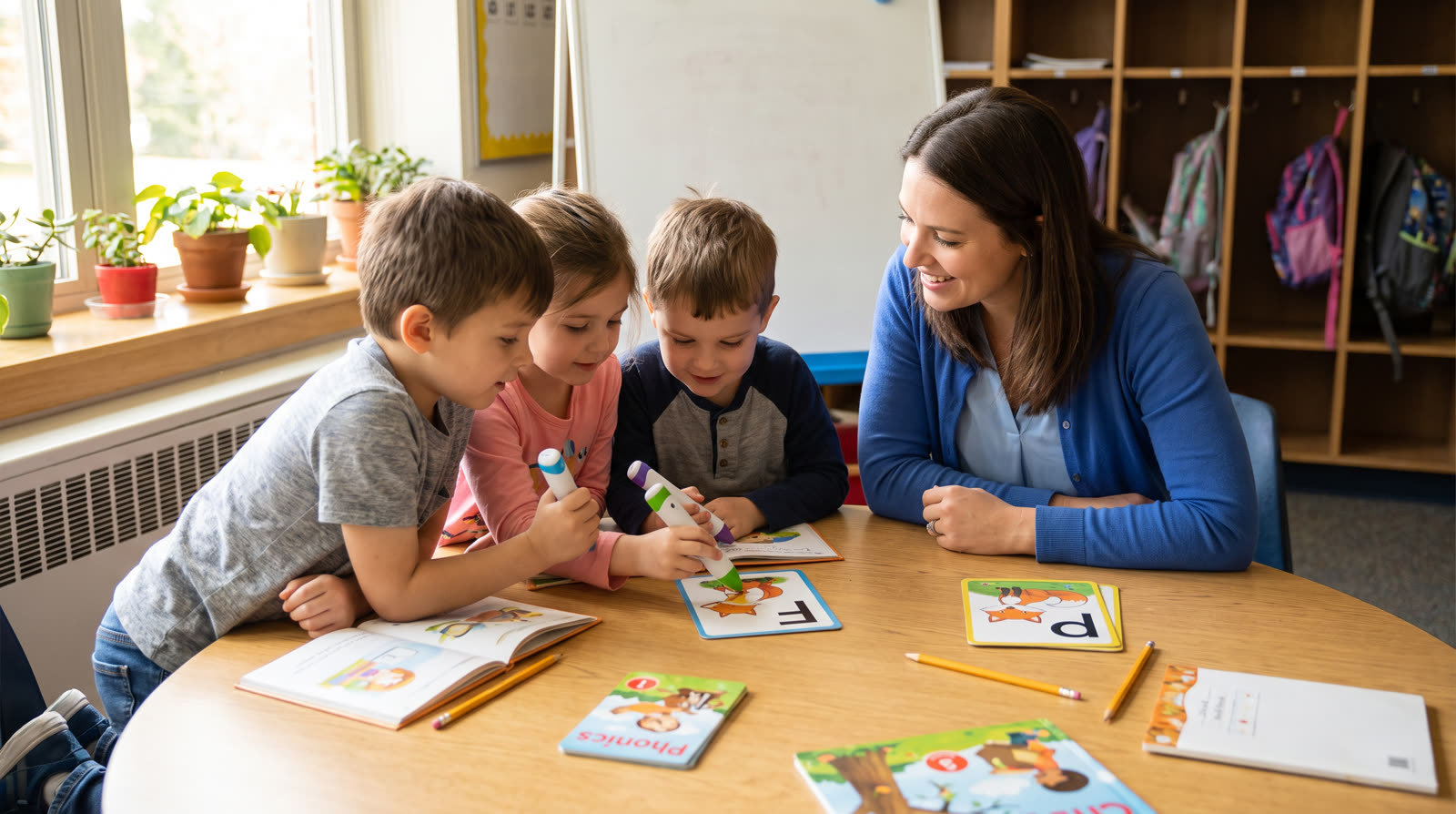
What Should a School Buyer Specify for a Small-Group Talking Pen Activity? is most useful when school buyers, education programme managers, curriculum teams and teacher-support owners need to specify one supervised small-group activity around named materials and adult responsibilities rather than assuming a product can be deployed identically in every class. A preschool reading activities should be handled as a defined product-and-content decision, not only as a catalogue phrase or a generic product image. The buyer needs a shared view of the user setting, current model, materials, content status, market, channel and next approval gate.
Start With a Buyer-Owned Scope
A scope document should name the actual scenario before a buyer requests a supplier response or publishes channel information. For this project, record the group size, adult role, selected pen and books, activity aim, duration, storage and charging approach, content permissions, local policy, market and programme owner. Label each item as confirmed, proposed or awaiting review. That distinction is more useful than asking whether a generic kindergarten reading pen is available because it makes project boundaries visible.
The same scope should state the next decision. Is the team comparing samples, approving a content asset, planning a bundle, preparing a channel brief, evaluating a school activity or arranging a shipment? A short brief does not replace a contract, specialist review or final market decision. It gives every participant the same starting point and reduces the chance that an accessory, book, audio file or approval is assumed to be included when it remains open.
Use Named Evidence, Not General Assumptions
A phonics learning pen review is useful only when the buyer can identify what was reviewed. Record the sample reference, materials, files, accessories, instructions and conditions together. a teacher-led rehearsal of the proposed activity using the current materials, with observations recorded without inferring an outcome for all children or learning settings.
Ask reviewers to separate observations from conclusions. A reviewer may record how a current sample works with a named page, book or activity. That observation should not automatically become a statement about every edition, every learner, every environment or every market. This approach supports clearer supplier questions and more accurate customer-facing content.
Use Evidence Gates Before the Next Commitment
| Decision area | Buyer question | Useful record |
|---|---|---|
| Scope | What product, materials and user setting are included? | Dated product-and-use brief |
| Content | Who controls the current files, images and product language? | Asset and approval register |
| Review | What must the next sample, proof or demonstration answer? | Test or observation plan |
| Market | Which destination-specific questions remain open? | Responsibility and evidence log |
| Handover | Who owns unresolved items and release? | Versioned handover note |
A practical control table for a buyer-led reading-pen programme decision.
Use four practical gates. First, define the commercial scope: the proposed product, set, channel and target market. Second, define the content and brand scope: which files, images and statements are approved for the current review. Third, define the evaluation scope: what the next sample, proof, demonstration or pilot must show. Fourth, define the release scope: who can authorise the current configuration for the next step.
a classroom activity description can imply that a device produces a specific educational result or is suitable for every learner, teacher, room or local policy context Keep unresolved questions visible. A concept image is not a release image, a draft file is not an authorised production asset and a generic sample is not the buyer’s approved market version.
A Practical Buyer Workplan for talking pen learning activities
1. Define one next decision. Start with the decision the project must make now: compare a route, approve current materials for review, prepare a pilot, update channel content or release the next handover.
2. Identify current versions. Give the product sample, book or activity material, audio asset, package file and buyer wording a dated reference. If an item is illustrative, say so.
3. Ask for relevant evidence. a route from activity brief and resource selection to teacher rehearsal, setup check, supervision plan, feedback review, adjusted materials and procurement decision. Ask suppliers and internal reviewers to identify assumptions and exclusions in writing rather than filling gaps with a generic capability statement.
4. Assign owners. Name the commercial, editorial, brand, technical, market and shipping contacts who will answer open questions. The person receiving a sample should not be assumed to own every approval.
5. Record the handover. Before a quotation, launch, reprint, shipment or support step, compile the current scope, evidence, unresolved items and next decision owner. This reduces confusion when the project changes.
Buyer Checklist Before You Move Forward
Use the following checks before the next handover.
- Confirm the current model, accessories, book or content assumptions and packaging scope.
- Name the commercial, editorial, brand, market-review and customer-support contacts.
- Label files, images and claims as approved, proposed or awaiting review.
- Define the question that the next sample, proof, pilot or supplier response must answer.
- Record changes with an owner, reason, version and required approval.
- Keep interactive book set for kids language separate from final market-facing claims until the relevant release evidence has been reviewed.
An organised brief also supports a more useful inquiry. You can send your project requirements to ReadGlo with the target market, user setting, product interest and next decision rather than asking for a generic catalogue response.
ReadGlo project support
Send Your Requirements
Share your target market, product scope, expected quantity and launch timing. Our team can prepare a relevant product, content or quality-control discussion.
Continue With Related ReadGlo Resources
For related buyer work, Early Learning Picture Book Set and Reading Pen Language Learning Research. These links connect the current decision to the next controlled product, content or channel review.
Keep Content, Brand and IP Decisions Explicit
A reading-pen programme can combine buyer-owned product instructions, book editions, illustrations, scripts, recordings, translations, images, packages and customer copy. Identify the relevant rightsholder or authorised reviewer for each asset. Record the permitted medium, territory, language, attribution and written approval where applicable. A manufacturer, printer, retailer or distributor should not be assumed to provide those permissions.
Keep an asset register that separates approved files from references and work in progress. When a book, recording, package, image or customer statement changes, decide whether an earlier approval still applies before it is used in a sample, listing, shipment, event or market release.
Prepare the Next Handover
The next handover may be from a brand to a supplier, a publisher to a prepress partner, a school team to a buyer, an importer to a distributor or a retailer to a customer-support team. It should include the current project brief, version references, approved assets, open questions, decision owners and the specific evidence needed before the next gate.
For this project, the useful handover is a small-group activity brief identifying the materials, adult guidance, observed questions, content approvals, local conditions and next decision owner. If the team cannot identify the current model, file, package or claim, resolve that ambiguity before asking a channel partner or end user to rely on it.
Review the Final Market and Transport Path
Children’s product, battery, packaging and transport obligations depend on the final product configuration, intended user, destination and shipping route. The buyer should assign a release-specific review to the responsible importer, professional adviser and shipper rather than relying on broad category statements. The European Commission explains that toys placed on the EU market are subject to applicable safety requirements and CE marking obligations. The CPSC explains that product classification can affect testing and certification responsibilities in the United States. IATA explains that battery air-transport obligations vary by battery configuration and rating. These sources are planning references, not evidence that a specific final product is ready for every market.
Frequently Asked Questions
What should a buyer prepare before a preschool reading activities review?
Prepare a dated brief that identifies the group size, adult role, selected pen and books, activity aim, duration, storage and charging approach, content permissions, local policy, market and programme owner. Mark unknown information clearly so internal teams and external partners respond to the same current project.
Is kindergarten reading pen enough to define the project?
No. A search term or category label can start a conversation, but it does not replace a defined model, content route, accessories, package, market, evidence request and decision owner.
How should a buyer assess phonics learning pen?
Use a teacher-led rehearsal of the proposed activity using the current materials, with observations recorded without inferring an outcome for all children or learning settings. Record what the review can show, what it cannot show and what needs a separate owner or specialist review.
Who should approve the book, audio, brand and product assets?
Identify the appropriate rights, editorial, brand, product and market reviewers for the current version. Keep approvals attached to the version reviewed rather than treating an earlier sample or email as open-ended permission.
What is the next practical step for talking pen learning activities?
Use a route from activity brief and resource selection to teacher rehearsal, setup check, supervision plan, feedback review, adjusted materials and procurement decision. Keep assumptions and exclusions visible so the next handover does not create an unintended product, content or market promise.
Can interactive book set for kids be used in product or marketplace copy?
Use only language that matches the released configuration, approved materials and relevant evidence for the destination market. Route unverified compatibility, safety, educational, availability or performance language to the responsible owner before publication.
What should the educational books with pen handover contain?
The useful output is a small-group activity brief identifying the materials, adult guidance, observed questions, content approvals, local conditions and next decision owner. It makes the next decision traceable without turning a preliminary project discussion into an unsupported commitment.
Conclusion
What Should a School Buyer Specify for a Small-Group Talking Pen Activity? should produce a clearer buyer decision, not a generic product promise. Use the current scope, named approvers and release-specific evidence before you compare offers, publish customer information, plan a bundle or move goods. To discuss your project, explore the Smart Reading Pen route, send your requirements to ReadGlo, or visit the Buyer FAQ and Blog Hub for related procurement resources.
Further Reading
Use current official sources and the responsible professional for final rights, market, product or transport decisions. Useful starting points for this topic include AAP Shared Reading Guidance and Reading Rockets: Reading Aloud. These references support planning and review; they do not establish readiness for a particular final product or market.
Continue with ReadGlo
See a DOT-code picture-book set designed for guided early-learning programs.
ReadGlo project support
Get a Project Quote
Request product specifications, sample guidance or a tailored proposal for your reading pen, interactive book or distributor program.