
Contents
Introduction
Portable learning tools such as talking pen and interactive picture book sets are increasingly sought after by families preparing for journeys, weekend getaways, or transitional periods away from home. When examining how parents integrate audio-enabled reading systems into travel routines, it is essential to establish clear boundaries: portable literacy tools support screen-free auditory engagement and independent exploration, but they do not replace structured classroom instruction, adult supervision, or clinical speech-language interventions. For B2B distributors, educational brands, and retail partners sourcing from manufacturers like ReadGlo, understanding the practical application, safety protocols, and ergonomic considerations of travel-friendly learning kits ensures that end-users receive durable, intuitive, and developmentally appropriate products. This comprehensive guide explores structured methodologies for implementing reading pen sets during travel, safety and maintenance best practices, compatibility verification, and professional purchasing considerations, designed for educators, B2B procurement specialists, and modern parents alike.
1. Understanding Portable Talking Pen Systems and Travel Readiness
Core Components of Travel-Friendly Reading Kits
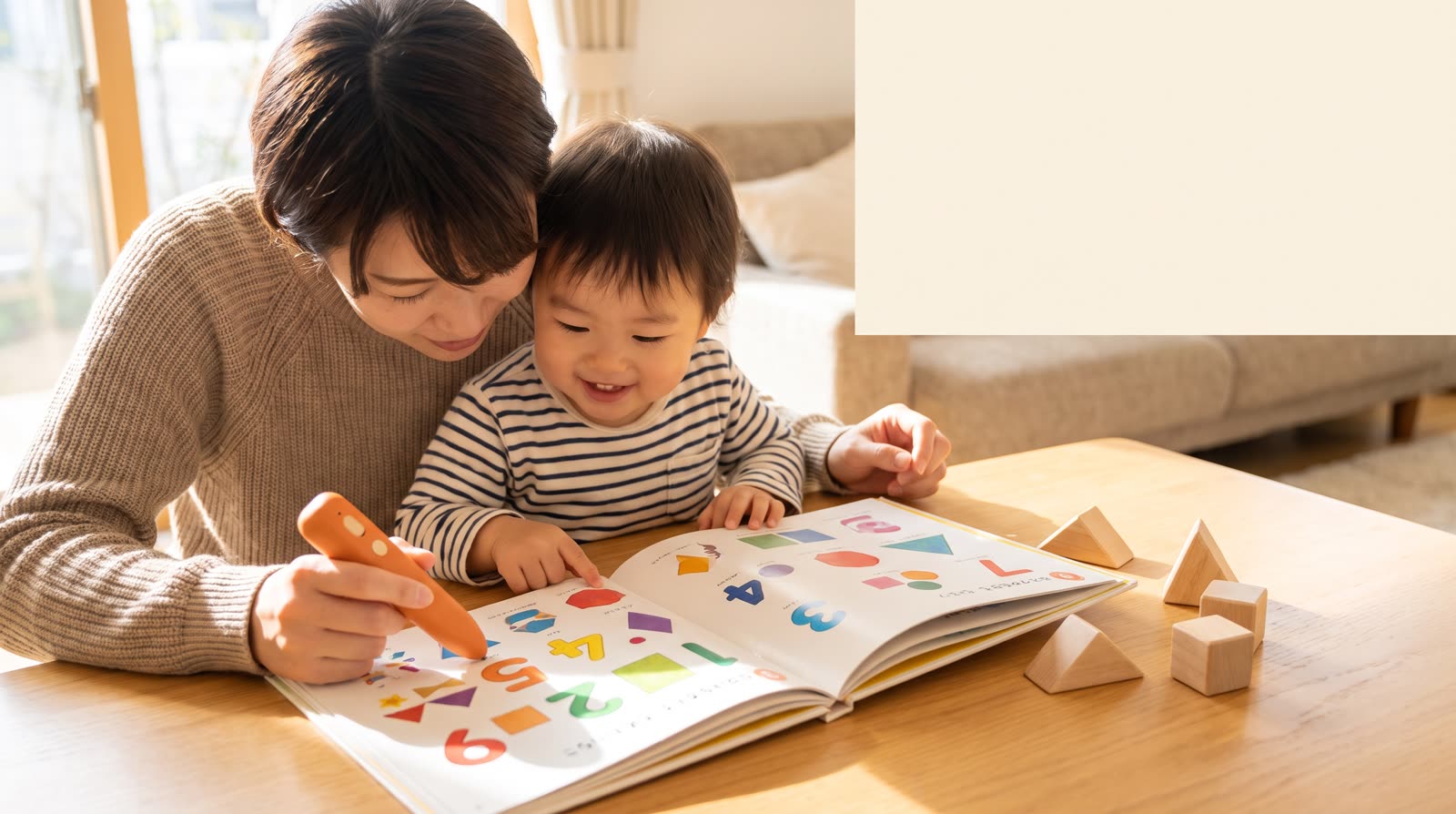
When designing or selecting a travel-optimized interactive reading set, B2B buyers and educational planners must evaluate the physical and functional integration of the hardware and software components. A standard travel kit typically comprises an optical OID (Optical Identification) reading pen, a curated selection of stapled or soft-bound interactive picture books with invisible dot codes, a durable storage pouch or carrying case, and a USB charging cable or backup battery compartment. Unlike bulky electronic tablets that require continuous Wi-Fi connectivity, app updates, and screen time, optical reading pens operate entirely offline once audio files are pre-loaded into internal flash memory or an expandable TF card. Parents preparing for travel benefit from verifying that the pen firmware is updated and that all required book audio packs are synchronized before departure. Manufacturers working with B2B partners emphasize that robust mechanical durability—such as reinforced ABS plastic casings, drop-resistant internal shock-absorption, and scratch-resistant optical sensor lenses—is vital for products exposed to frequent transit environments like automobiles, airplanes, trains, and hotel rooms.
Establishing Realistic Expectations for Travel Literacy Routines
Travel introduces novel sensory stimuli, changes in daily schedules, and environmental disruptions that can impact a child's attention span and emotional regulation. Parents should view interactive reading pen books as a flexible supplementary engagement tool rather than an academic obligation. According to guidance from the American Academy of Pediatrics (AAP) on early childhood routines and media balance (available at AAP Early Literacy), maintaining predictable, low-stress interactions during transitions fosters cognitive security. When utilizing talking pens in transit, adults should encourage shared listening sessions, short 10-to-15-minute interactive intervals, and open-ended dialogue about picture book illustrations rather than expecting prolonged independent study. This balanced approach prevents sensory fatigue, supports positive emotional well-being, and ensures that travel reading remains an enjoyable bonding activity rather than a source of stress.
Ergonomic and Sensory Design Considerations for Transit Environments
Traveling with young children requires careful consideration of device ergonomics and sensory ergonomics. In cramped spaces such as airplane tray tables or car booster seats, traditional heavy books and loose accessories can easily become dislodged or damaged. High-quality interactive reading pens are engineered with lightweight, contoured grips designed to fit comfortably in small hands, reducing hand fatigue during bumpy rides. Furthermore, the integration of multi-level volume control and headphone compatibility ensures that children can engage with interactive audio stories without causing acoustic disturbance to fellow passengers in shared travel spaces. B2B brands specifying travel kits often request matte-finished book paper to reduce glare under harsh reading lights in airplanes or vehicles, protecting young eyes from strain.
2. Step-by-Step Implementation Framework for Travel Routines
Phase Pre-Trip Preparation and Content Curation
Successful integration of reading pen sets during travel begins well before departure. Retailers and educational suppliers should advise parents to conduct a thorough pre-trip audit of their interactive library. Step one involves selecting 3 to 5 lightweight, travel-sized picture books that match the child's current developmental stage and language interests. Step two requires testing the reading pen battery level, verifying headphone jack functionality or volume limiter settings, and confirming that the optical sensor lens is clean and free of dust or smudges. Step three involves organizing the books and pen in a dedicated, zippered protective folio to prevent bent pages or accidental button activation during transit. B2B brand owners partnering with ReadGlo can specify custom packaging solutions, such as waterproof outer sleeves and modular storage inserts, to enhance retail appeal for family travel markets and ensure complete component organization.
Execution During Transit: Cars, Trains, and Airplanes
Different modes of travel present unique ergonomic and acoustic challenges. In automobiles or buses, where lighting can fluctuate and motion sickness may occur, parents should encourage upright seating postures and pair the talking pen with lightweight wired headphones or set the built-in speaker to a low, comfortable volume that does not distract the driver. On airplane flights or train journeys, where ambient engine noise is constant, adjustable volume limiters protect sensitive young ears while allowing clear audio comprehension of phonics, storytelling, and musical cues. Adults should sit adjacent to the child during initial travel sessions to model how to hold the pen at a 90-degree angle over the optical dot codes, ensuring smooth audio playback without frustration. When children experience restlessness or travel fatigue, structured transition games—such as finding specific hidden sound icons on the page using the pen—help redirect focus and calm the nervous system during lengthy trips.
Post-Arrival Setup and Daily Hotel or Destination Integration
Upon arriving at the destination, maintaining a familiar bedtime or quiet-time routine utilizing the reading pen can significantly ease adjustment to unfamiliar sleeping environments. Parents can set aside 15 minutes before sleep for a calming interactive story session, utilizing soft-voice narration modes found on advanced reading pens. To ensure product longevity during extended trips, parents should establish a post-use protocol: storing the pen in its designated case, turning off the power switch completely, and avoiding exposure to direct sunlight, high humidity near hotel swimming pools, or accidental liquid spills from water bottles. Consistent post-trip storage habits also prevent loss of accessories and ensure that the reading kit remains ready for the return journey.
3. Supporting Diverse Learners and Special Developmental Considerations
Facilitating Multilingual and Second-Language Exposure
Travel often exposes children to multicultural environments or bilingual family members, making travel an opportune time to reinforce secondary language acquisition. Dual-language talking books enable children to tap identical illustrations to switch between native and target languages instantly. Educators and speech-language pathologists note that consistent auditory input paired with visual images strengthens phonological awareness. However, parents should avoid overwhelming children with excessive linguistic switching during high-stress travel periods. For further insights into creating helpful educational content and structuring structured learning materials, refer to Google's publishing quality guidelines at Google Creating Helpful Content.
Adapting for Children with Attention or Reading Difficulties
For children with mild attention regulation differences, sensory sensitivities, or early reading struggles, structured audio support can reduce frustration by decoding complex text independently. Nevertheless, talking pens and interactive books do not diagnose, treat, or cure learning disabilities such as dyslexia or ADHD. When parents observe persistent reading difficulties or atypical developmental delays, they should consult qualified educators, pediatricians, or clinical specialists. Authoritative resources such as the Centers for Disease Control and Prevention (CDC) child development guidelines provide robust developmental tracking frameworks that help families recognize when professional evaluation is appropriate.
Fostering Adult-Child Interaction and Active Engagement
A common misconception in educational technology is that interactive tools replace human interaction. During travel, the reading pen should serve as a bridge for collaborative storytelling rather than a digital babysitter. Parents can enhance cognitive outcomes by asking open-ended questions about the story, prompting children to predict what happens next, or connecting characters' adventures to real-world travel sights outside the window. This active adult mediation transforms passive listening into an enriching conversational dialogue that strengthens both language comprehension and emotional bonding.
ReadGlo project support
Request Product Catalog
Explore ReadGlo's complete collection of travel-friendly talking pens and interactive picture book sets for your B2B distribution network.
4. Product Safety, Hardware Care, and Compliance Standards
Essential Electrical and Mechanical Safety Protocols
Children's electronic learning devices used during travel must adhere to stringent international safety standards. B2B buyers sourcing from manufacturing partners must verify compliance with regulations such as ASTM F963, EN71, and consumer product safety guidelines established by the U.S. Consumer Product Safety Commission (CPSC). Detailed safety educational resources are accessible via the CPSC Children's Products Education Center. Parents and caregivers must perform regular low-risk external inspections of the reading pen casing, charging ports, and battery compartments before and after travel to ensure no sharp edges or loose parts have developed.
Troubleshooting, Maintenance, and Emergency Stop Procedures
Under no circumstances should parents or unauthorized personnel attempt to disassemble, modify, or repair a talking pen or its internal lithium-ion battery pack. If a device exhibits signs of moisture ingress, physical dropping damage, abnormal surface heating, battery swelling, chemical leakage, or unusual smoke during charging or operation, users must immediately disconnect the power source, cease use, and refrain from charging. Store the device in a safe, non-flammable location and contact the manufacturer, retail distributor, or qualified customer service channels for professional evaluation and replacement under applicable warranty terms.
Hygiene, Cleaning, and Sanitization Protocols During Transit
Frequent handling in public transit hubs, airports, and vehicles exposes learning materials to dust, oils, and microbial transfer. Parents should maintain hygienic standards by wiping the exterior of the ABS plastic reading pen casing and durable coated picture book covers with a slightly damp, lint-free microfiber cloth. Alcohol-based harsh solvents or excessive moisture should be avoided to prevent degrading optical sensor lenses or ink coatings. Ensuring proper sanitation between travel legs protects child health and preserves product longevity.
5. B2B Sourcing, Compatibility, and Quality Assurance Considerations
Verifying Book Code Compatibility and OID Specifications
A critical technical challenge for B2B distributors and brand owners is ensuring seamless optical compatibility between talking pens and published book sets. Different manufacturers utilize proprietary OID encoding technologies (such as OID version 2, 3, or 4) and custom audio script formatting. Importers must review sample specifications, verify optical sensor reading accuracy across diverse matte and glossy paper finishes, and confirm that book-code firmware matches the pen's internal decoding software. Failing to verify these technical parameters can lead to unreadable books and high retail return rates.
Evaluating Supplier Reliability and Quality Control Workflows
When partnering with original equipment manufacturers (OEM) or original design manufacturers (ODM) like ReadGlo, B2B buyers should implement a rigorous pre-shipment quality assurance framework. This includes reviewing raw material safety certifications, conducting drop tests for transit durability, verifying battery charge cycle longevity, and inspecting multilingual audio file integrity. Establishing clear written terms regarding model numbers, age-grading labels, barcode serialization, and warranty coverage protects both supply chain partners and end consumers.
Packaging and Logistics Optimization for Global B2B Distribution
For international distributors supplying retail chains and educational institutions, packaging design is paramount. Travel-oriented reading pen sets require compact, stackable retail box designs that maximize container shipping efficiency while providing robust protection against transit vibrations. B2B clients collaborating with ReadGlo benefit from customized multilingual packaging, compliant barcode labeling, and drop-tested master carton designs that minimize transit damage and streamline customs clearance across diverse international markets.
Frequently Asked Questions
Are reading pen books suitable for use on airplanes and in cars during travel?
Yes, talking pen and interactive picture book sets are exceptionally well-suited for travel because they operate entirely offline without requiring Wi-Fi or screen time. Parents should use wired headphones or keep built-in speakers at low volumes, ensure pens are fully charged before departure, and store components in a protective folio.
How can parents ensure the reading pen and books are not damaged during transit?
Parents should pack the reading pen and interactive books inside a dedicated, cushioned zippered case to prevent bending, moisture exposure, and accidental button activation. It is also important to keep the optical sensor lens clean and avoid exposing the device to extreme vehicle cabin temperatures.
Do talking pens and interactive books cure or treat dyslexia, ADHD, or speech delays?
No. While interactive reading tools provide helpful auditory support, phonics reinforcement, and screen-free engagement, they do not diagnose, treat, or cure learning disabilities or developmental delays. Parents should consult qualified pediatricians, educators, or clinical specialists for formal evaluations.
What safety precautions should parents follow regarding battery care and device damage?
Parents must conduct low-risk external inspections only and must never attempt to disassemble the device. If the pen exhibits moisture damage, abnormal heat, battery swelling, leakage, or smoke, immediately stop using and charging the device, store it safely, and contact the manufacturer or authorized service channel.
What technical factors should B2B buyers verify when sourcing reading pen sets for travel markets?
B2B buyers must verify optical OID code compatibility between the pen sensor and printed book dot patterns, review compliance certifications (such as CPSC, ASTM, EN71), test battery longevity, and confirm clear written terms regarding model specifications, age grading, and warranty coverage with suppliers like ReadGlo.
Conclusion
Integrating reading pen and interactive picture book sets into family travel routines offers a powerful, screen-free method to support children's early literacy, vocabulary expansion, and independent engagement. For B2B distributors, educational brands, and retail partners, providing durable, safe, and technically verified travel learning kits meets the growing global demand for high-quality educational products. By adhering to rigorous safety standards, clear operational guidelines, and robust quality assurance practices, manufacturers and suppliers can deliver exceptional value to families worldwide.
Continue your research
Related reading pen buyer guides
Use these related guides to compare the next product, content, sourcing or channel decision in your project.
- Picture BooksEvaluating and Selecting Science and Nature Talking Picture Books for Older Children: A Comprehensive B2B Buyer and Publisher GuideRead this guide
- Picture BooksHow Can Parents Use Reading Pen Books at Home for a 10-Minute Learning Break?Read this guide
- Picture BooksHow Do I Choose New Talking Picture Books About Early Math to Expand Vocabulary?Read this guide
Continue with ReadGlo
See product specifications and request model-specific documentation.
ReadGlo project support
Send Your Requirements
Partner with ReadGlo to source certified, high-durability interactive reading solutions tailored to your brand's market requirements.