Contents
Introduction
Selecting science and nature talking picture books and interactive audio reading pen systems for preschool readiness requires a systematic evaluation of early childhood pedagogical frameworks, content accuracy, optical code integration, and safety compliance. For B2B educational publishers, wholesale distributors, and preschool program directors, choosing the right book titles involves balancing developmental milestones in scientific inquiry with robust physical and digital durability. According to early literacy guidelines from organizations such as the American Academy of Pediatrics (AAP) and Reading Rockets, early exposure to structured scientific observation and multi-sensory inquiry lays a vital foundation for cognitive growth and vocabulary acquisition. However, wholesale buyers and curriculum planners must navigate complex variables including audio file architecture, OID (Optical Identification) dot printing precision, age-appropriate scientific simplification, and compliance with child safety regulations like those outlined by the Consumer Product Safety Commission (CPSC). This guide provides a comprehensive B2B framework for evaluating, selecting, and procuring science and nature talking picture books that support preschool readiness without relying on unverified learning guarantees or fabricated commercial metrics.
Evaluating Preschool Readiness Standards in Science and Nature Curricula
Core Developmental Milestones in Early Science Inquiry
Preparing children for preschool through science and nature content necessitates an understanding of how young minds categorize the physical and biological world. Preschool readiness is not about memorizing complex scientific terminology; rather, it centers on cultivating curiosity, observational skills, and inquiry-based thinking. Educational publishers and curriculum developers must design books that encourage children to ask questions about plant growth, animal habitats, weather patterns, and the properties of water and soil. By integrating audio technology, publishers can provide natural soundscapes, bird calls, and interactive prompts that stimulate auditory processing alongside visual observation. When assessing potential book titles for wholesale procurement, buyers should verify whether the narrative structure supports foundational scientific practices such as observing, comparing, classifying, and predicting. According to early childhood development research highlighted by the American Academy of Pediatrics, guided exploration of natural environments fosters executive function and language development when paired with responsive adult interaction.
Integrating Audio-Enabled Sensory Exploration for Young Learners
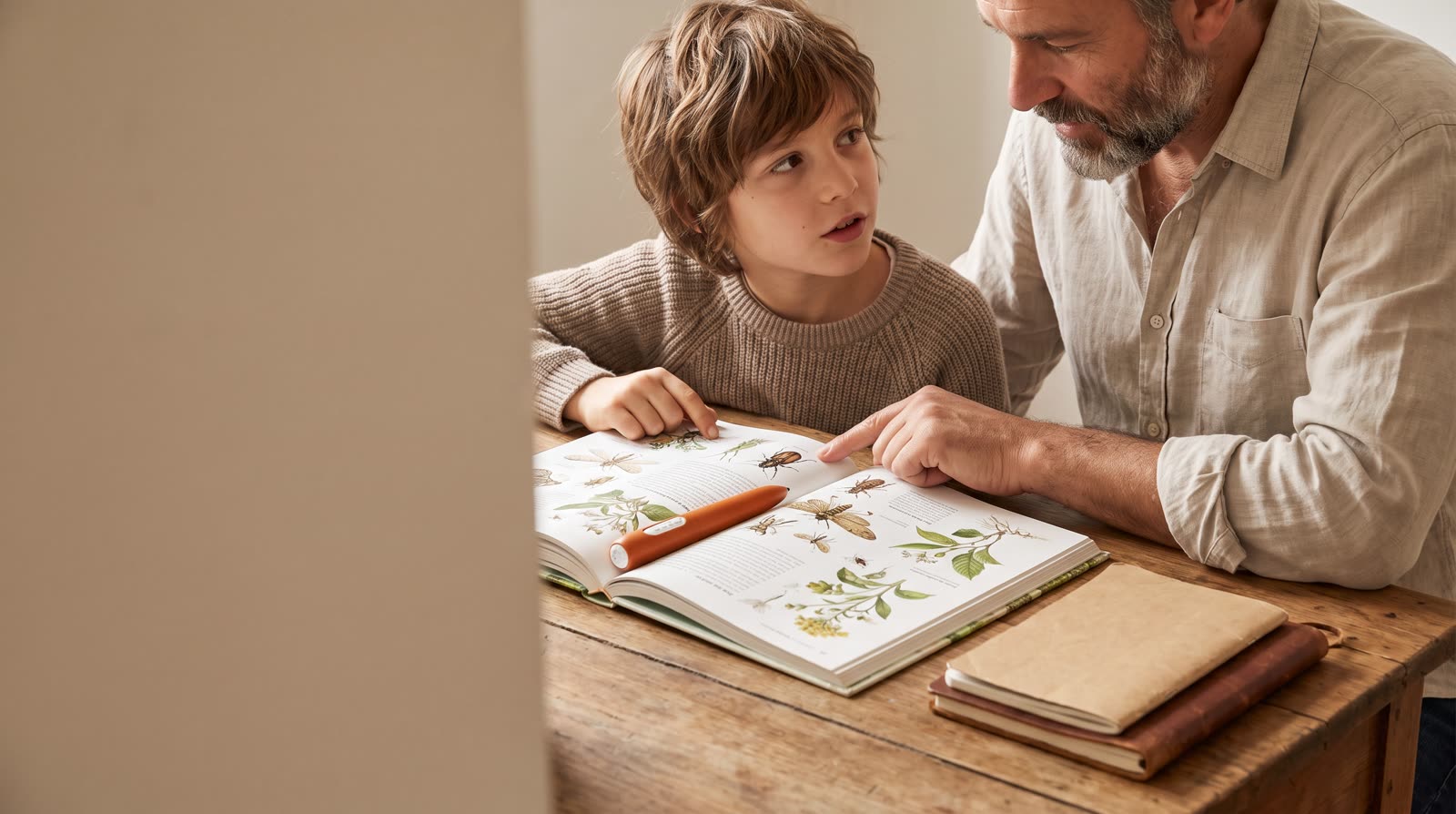
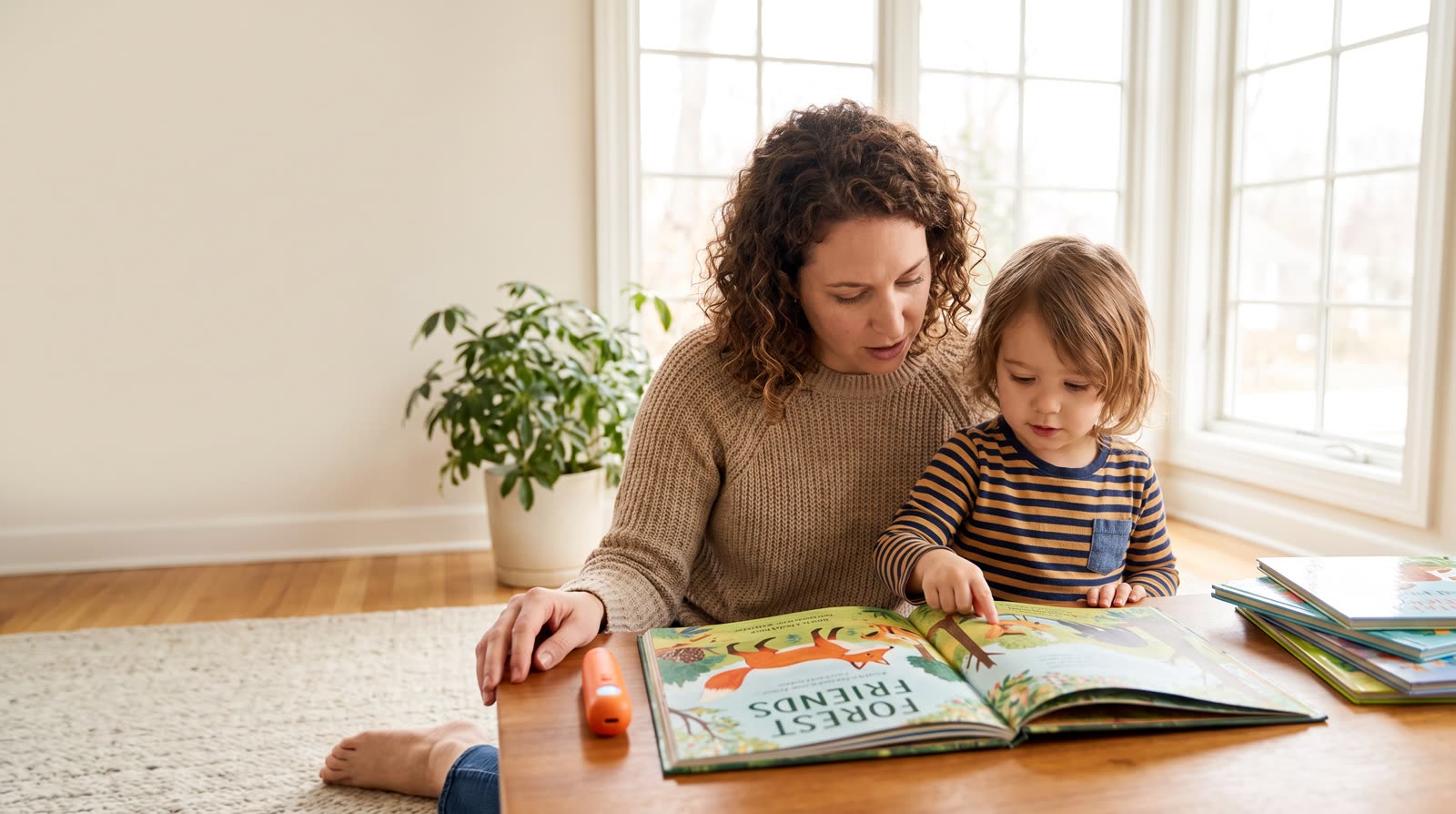
The integration of talking pens with picture books transforms static pages into multi-sensory learning environments. For children approaching preschool age, sensory engagement is critical for maintaining attention and reinforcing conceptual understanding. Science and nature themes offer an ideal medium for audio enhancement, allowing children to tap illustrations and hear authentic environmental sounds, pronunciation guides, and conversational prompts that encourage deeper engagement. B2B buyers evaluating audio-enabled book series must examine how effectively the audio content complements the visual artwork without overwhelming the child. The audio track should provide clear, paced narration, open-ended inquiry questions, and sound effects that contextualize the scientific concept. Furthermore, publishers must ensure that the optical dot patterns embedded across the pages do not interfere with the aesthetic quality of high-resolution nature photography and scientific illustrations, maintaining a balance between digital functionality and visual clarity.
Pedagogical Criteria for Selecting Talking Picture Book Content
Balancing Scientific Accuracy with Age-Appropriate Narrative Structures
A primary challenge in developing or procuring science and nature books for the preschool market is striking the correct balance between factual accuracy and narrative accessibility. Preschoolers respond best to stories that anchor scientific concepts within relatable contexts, such as a seed growing into a sunflower or a caterpillar transforming into a butterfly. Wholesale distributors and educational buyers should scrutinize manuscript drafts and published titles for scientific rigor, ensuring that simplifications do not introduce misconceptions that children must unlearn later in formal schooling. Concepts such as ecosystems, gravity, and states of matter should be introduced through observable phenomena and concrete examples. Additionally, the storyline should promote positive attitudes toward the natural world, encouraging environmental stewardship and respectful observation of living organisms from an early age.
Vocabulary Density and Scaffolded Questioning in Interactive Audio Code
Vocabulary acquisition is a cornerstone of preschool readiness. Science and nature books introduce specialized terminology—such as roots, stems, cocoon, nocturnal, and evaporation—that expands children's linguistic repertoire beyond everyday conversation. When reviewing talking picture book series, procurement teams must analyze the vocabulary density and the scaffolding built into the interactive audio code. Effective talking books utilize multi-layered audio programming: tapping the primary text reads the sentence aloud, tapping specific illustrations triggers descriptive vocabulary, and tapping margin icons activates interactive comprehension questions or riddles. This tiered approach allows educators and parents to tailor the reading experience to the child's current developmental stage. Publishers should provide detailed vocabulary lists and audio script documentation to assist wholesale buyers, curriculum coordinators, and retail partners in evaluating the educational value of the product line.
Technical and Hardware Alignment: Matching Books with Reading Pen Technology
Optical Code Quality, OID Dot Density, and Print Durability
The seamless operation of a talking pen system depends entirely on the precision of the optical identification (OID) dot patterns printed alongside the book artwork. For science and nature books featuring complex photographic spreads, subterranean cross-sections, or detailed botanical diagrams, the OID dot layer must be calibrated to avoid visual distortion while ensuring instant, flawless recognition by the reading pen's optical sensor. B2B buyers must establish rigorous print quality control protocols with manufacturing partners, checking dot contrast, ink absorption rates, and varnish coatings. Preschool books endure heavy physical handling, moisture, and frequent page-turning. Therefore, paper stock selection—such as heavy-weight art paper with matte lamination or tear-resistant board book construction—is essential to protect the printed optical codes from degradation, smudging, or scratching over extended operational lifecycles.
Audio File Management, Multi-Language Switching, and Firmware Compatibility
Global distribution of talking book series requires robust audio file management and firmware architecture. Educational institutions and retail markets often demand multi-language support, allowing a single book set to deliver audio content in English, Spanish, Mandarin, French, or other regional languages through simple pen menu selections or downloaded audio packets (BNP/DAT files). Wholesale purchasers must verify that the reading pen hardware supports expandable memory (via MicroSD cards or internal flash storage) and provides straightforward USB or wireless synchronization utilities for end-users. Furthermore, publishers must maintain strict version control over audio compilation tables to prevent mapping errors where a pen triggers incorrect audio files due to mismatched book edition revisions or firmware discrepancies.
ReadGlo project support
Get a Product Catalog
Explore our complete wholesale catalog of science and nature talking picture books and interactive reading pen systems designed for preschool programs and educational distributors.
B2B Procurement, Sample Evaluation, and Curriculum Review Protocols
Establishing Rigorous Spec Review and Pre-Production Sample Testing
For B2B importers, educational distributors, and retail chains, procuring new science and nature talking book lines requires a disciplined sampling and specification review process. Before committing to volume production, buyers should request comprehensive pre-production physical samples and digital audio asset packages. The evaluation protocol must test optical recognition speed across various lighting conditions, speaker audio clarity at low and high volume settings, battery discharge rates under continuous usage, and book binding integrity. Buyers should also review translation accuracy, cultural appropriateness of illustrations, and alignment with recognized early childhood educational standards. Establishing clear specifications regarding Pantone color matching, paper weight, non-toxic soy-based inks, and waterproof coatings minimizes risks during bulk manufacturing and ensures consistent product quality across every shipment.
Safety Compliance, Non-Toxic Materials, and Regulatory Standards
Children's educational products are subject to stringent international safety and regulatory frameworks. When sourcing talking pens and interactive book sets, B2B buyers must verify compliance with essential safety standards, including ASTM F963, EN71, CPSIA, and CE markings. Particular attention must be given to battery compartment security, enclosure mechanical strength, electronic component thermal management, and the avoidance of hazardous heavy metals in inks and plastics. According to safety guidelines published by the Consumer Product Safety Commission (CPSC), toys and electronic learning aids intended for young children must prevent easy access to button cell batteries and withstand drop and impact testing without exposing sharp edges or small parts. Procuring from manufacturers with transparent compliance documentation and third-party laboratory test reports protects distribution channels from regulatory recalls and liability issues.
Implementation Strategies for Preschool Classrooms and Retail Distribution
Educator Training, Guided Adult Participation, and Classroom Scaffolding
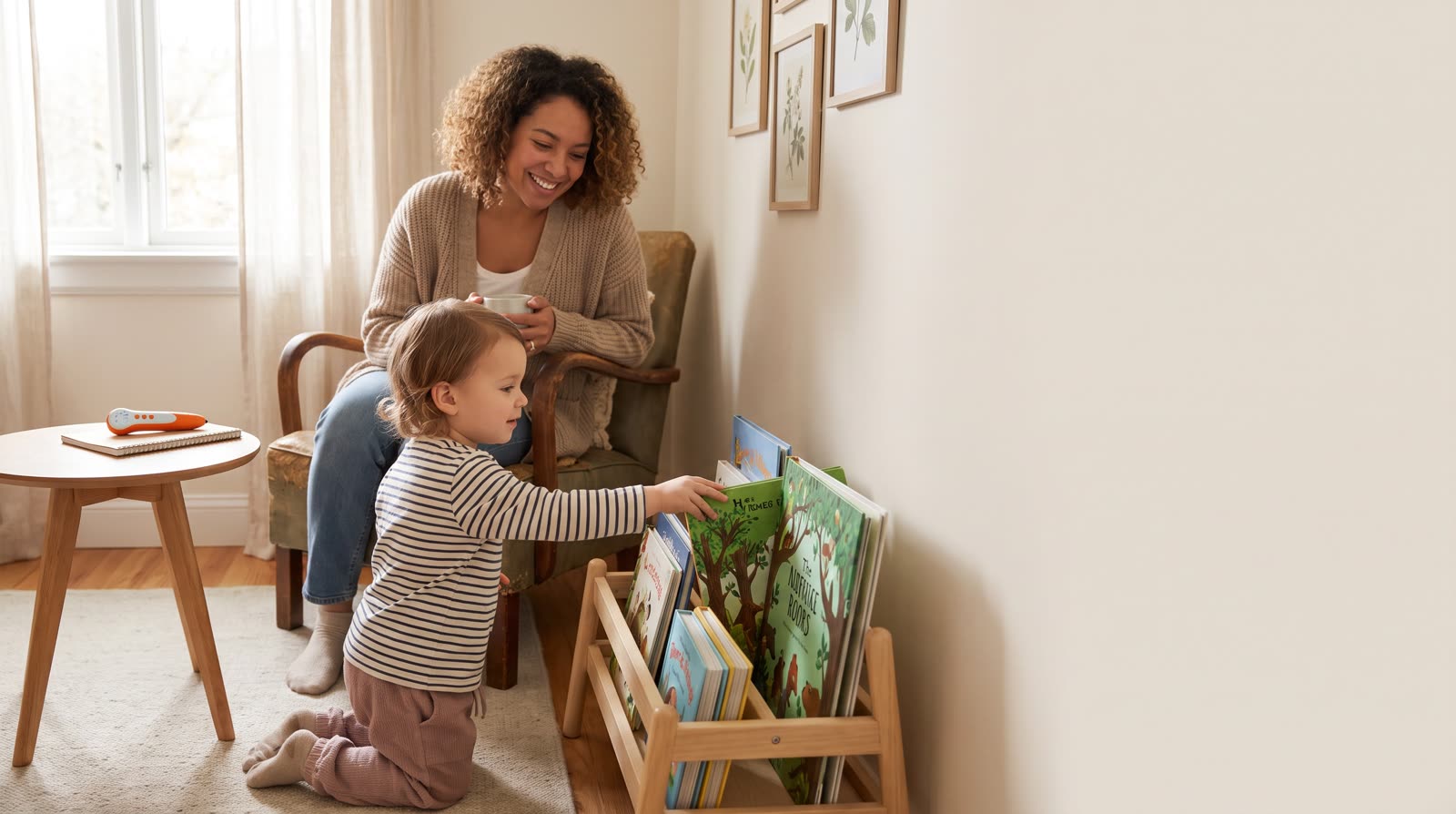
The introduction of talking picture books into preschool classrooms or home environments is most successful when paired with intentional educator training and guided adult participation. While interactive reading pens promote independent exploration, research consistently demonstrates that children achieve the greatest cognitive and linguistic gains when adults engage in co-reading dialogues—asking open-ended questions, connecting book concepts to real-world observations, and expanding on the audio prompts provided by the pen. Educational distributors should bundle teacher implementation guides, professional development webinars, and curriculum alignment matrices with their book and pen packages. This value-added support helps preschool directors and teachers integrate the materials seamlessly into daily lesson plans covering life sciences, earth sciences, and environmental awareness.
Merchandising and Assortment Planning for B2B Wholesale Buyers
For wholesale distributors and retail catalog planners, structuring an effective product assortment involves grouping talking books into thematic starter kits and progressive curriculum tiers. A well-designed science and nature assortment should feature introductory box sets containing a rechargeable reading pen, a charging dock, and 4 to 6 foundational picture books covering familiar topics such as backyard insects, weather changes, plant life cycles, and animal habitats. Supplementary expansion packs can then be offered as seasonal additions. Packaging design must also be optimized for retail shelf appeal and B2B shipping durability, utilizing clear window displays that showcase the reading pen while protecting electronic components and book bindings from transit damage.
Frequently Asked Questions
What key criteria should B2B buyers use to evaluate science and nature talking picture books for preschool readiness?
B2B buyers should evaluate pedagogical alignment with early childhood science inquiry standards, scientific accuracy of content, vocabulary density, durability of paper stock (such as heavy board or laminated art paper), OID optical dot printing precision, and complete regulatory safety compliance (such as ASTM, EN71, and CPSC guidelines).
How do reading pens enhance science and nature learning for children preparing for preschool?
Reading pens provide multi-sensory engagement by instantly playing authentic environmental sound effects, animal calls, pronunciation guides, and interactive comprehension prompts when tapped against book illustrations and text, supporting auditory processing and independent inquiry.
What safety and compliance certifications are required for electronic reading pens and children's books?
Electronic learning aids and children's books must comply with major international safety standards including ASTM F963 (US), EN71 (Europe), CPSIA, and CE directives, ensuring non-toxic materials, secure battery compartments, and mechanical durability verified by certified third-party testing laboratories.
How can wholesale distributors support preschools in implementing talking book programs?
Distributors can provide comprehensive educator training guides, curriculum alignment matrices, demonstration toolkits, and structured starter sets combining reading pens with thematic book series to help teachers integrate the materials into daily science lesson plans.
What factors influence the multi-language capability of talking book systems for global markets?
Multi-language capability depends on the reading pen's memory capacity, firmware flexibility, and the organization of audio file packages (such as BNP or DAT compilation tables). Publishers must ensure that audio data can be easily updated or switched between languages like English, Spanish, or Mandarin to meet diverse international market demands.
Conclusion
Choosing new science and nature talking picture books to prepare children for preschool is a strategic decision that unites early childhood pedagogy, audio-optical engineering, and strict safety compliance. For B2B educational publishers, wholesale distributors, and preschool program planners, success relies on partnering with experienced manufacturers who maintain rigorous quality control over OID dot printing, durable book construction, and certified electronic safety. By prioritizing age-appropriate scientific inquiry, scaffolded vocabulary, and robust implementation support, industry buyers can deliver exceptional educational value that equips young learners with foundational curiosity and linguistic skills for lifelong academic success.
Continue your research
Related reading pen buyer guides
Use these related guides to compare the next product, content, sourcing or channel decision in your project.
- Picture BooksEvaluating and Selecting Science and Nature Talking Picture Books for Older Children: A Comprehensive B2B Buyer and Publisher GuideRead this guide
- Picture BooksHow Do I Choose New Talking Picture Books About Science and Nature to Support Bilingual Learning?Read this guide
- Picture BooksHow Do I Choose New Talking Picture Books About Science and Nature to Encourage Independent Exploration?Read this guide
Continue with ReadGlo
See product specifications and request model-specific documentation.
ReadGlo project support
Send Your Requirements
Partner with ReadGlo for custom publishing, OEM/ODM audio book solutions, and reliable wholesale distribution tailored to your preschool curriculum needs.