Contents
Introduction
Selecting science and nature talking picture books and audio pen systems for bilingual learning environments requires a rigorous balance of linguistic pedagogy, scientific accuracy, and robust hardware-software integration. For B2B buyers, publishers, school distributors, and educational institutions partnering with ReadGlo, curating a bilingual STEM portfolio involves evaluating how interactive audio technology scaffolds vocabulary acquisition in both target languages without cognitive overload. According to the American Academy of Pediatrics (AAP) and early literacy guidelines, early exposure to diverse scientific concepts through engaging, interactive media can significantly enhance cognitive flexibility and language retention when implemented with balanced adult scaffolding and pedagogical soundness (https://www.aap.org/en/patient-care/early-childhood/early-childhood-health-and-development/early-literacy/). This comprehensive guide provides B2B stakeholders with professional evaluation frameworks, technical specifications, safety protocols, and sample review workflows to build high-quality, engaging, and compliant bilingual book collections.
Pedagogical Foundations for Bilingual Science & Nature Audio Content
Balancing Dual-Language Cognitive Load in STEM Contexts
When introducing scientific phenomena—such as plant life cycles, animal habitats, or weather patterns—through audio-enabled picture books, maintaining cognitive equilibrium between the native language (L1) and the target second language (L2) is paramount. Educational research indicates that dual-language audio resources should avoid simultaneous overlapping audio streams, which can distract young learners. Instead, structured toggle modes or sequential listening prompts (e.g., listening to an observation prompt in L1 followed by an interactive challenge in L2) foster active listening and comprehension. B2B purchasers must review sample audio scripts to ensure that scientific terminology is translated with conceptual equivalence rather than literal word-for-word translation, preserving accurate scientific inquiry.
Scaffolding Scientific Inquiry and Vocabulary Acquisition
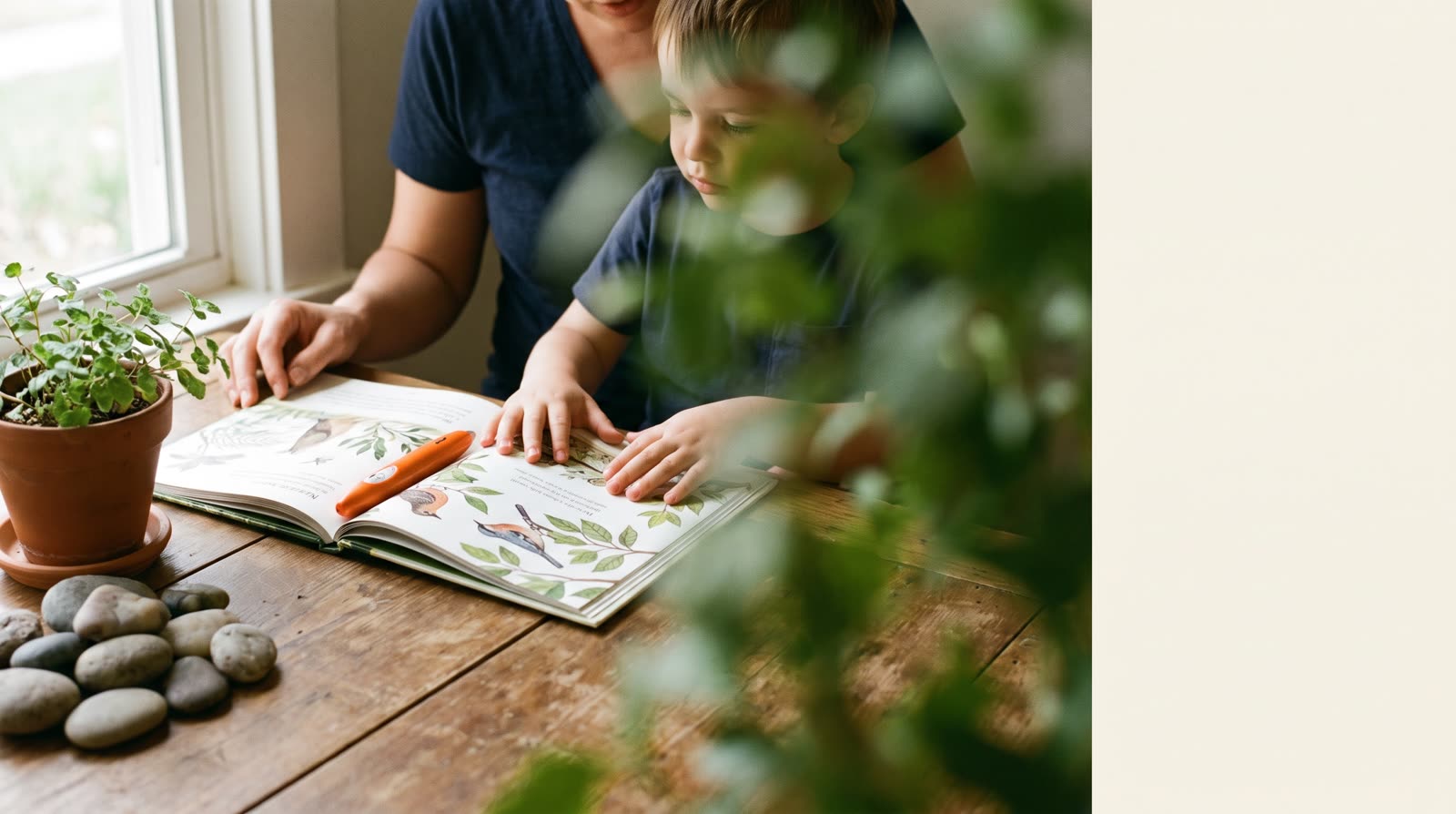
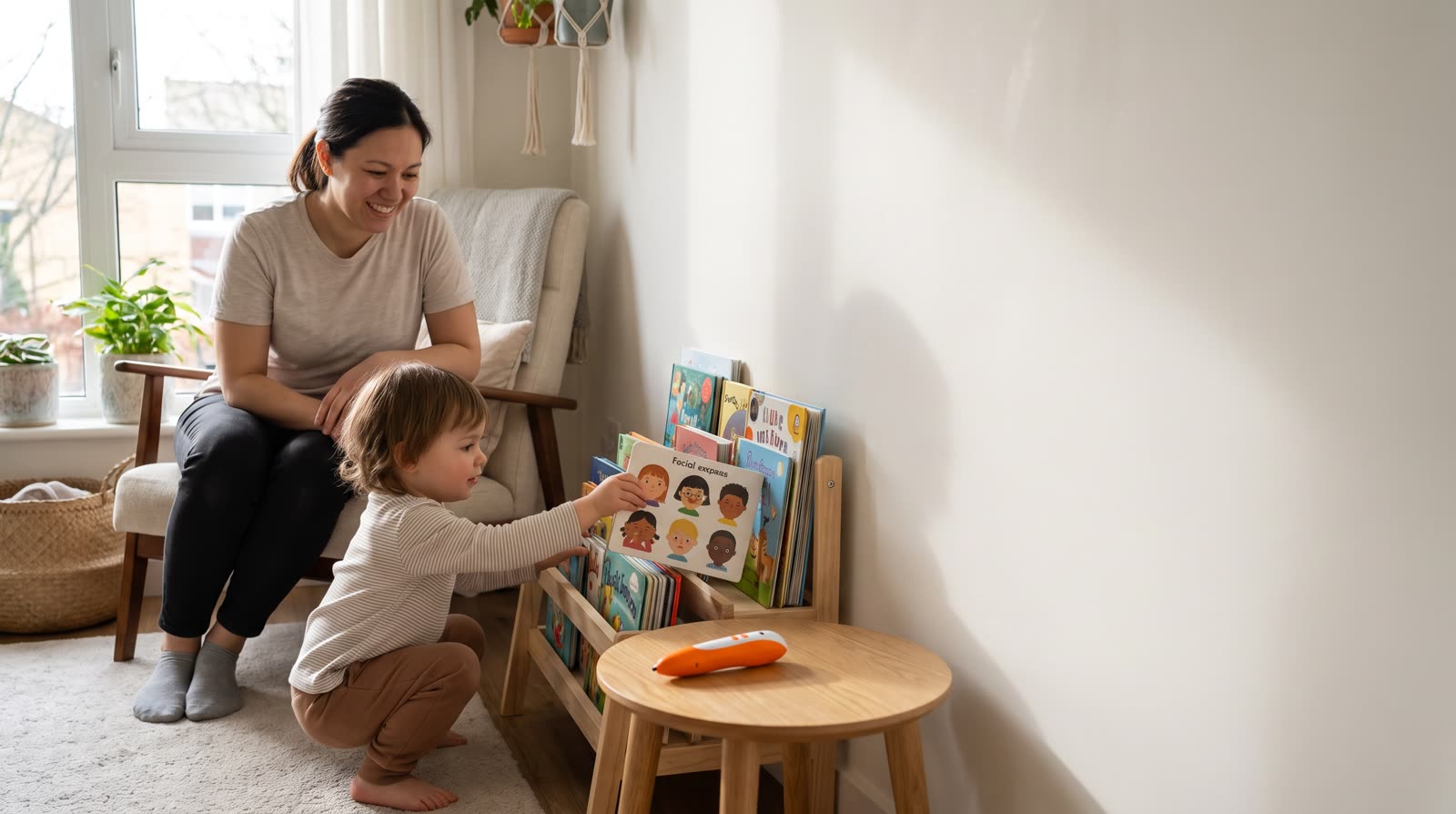
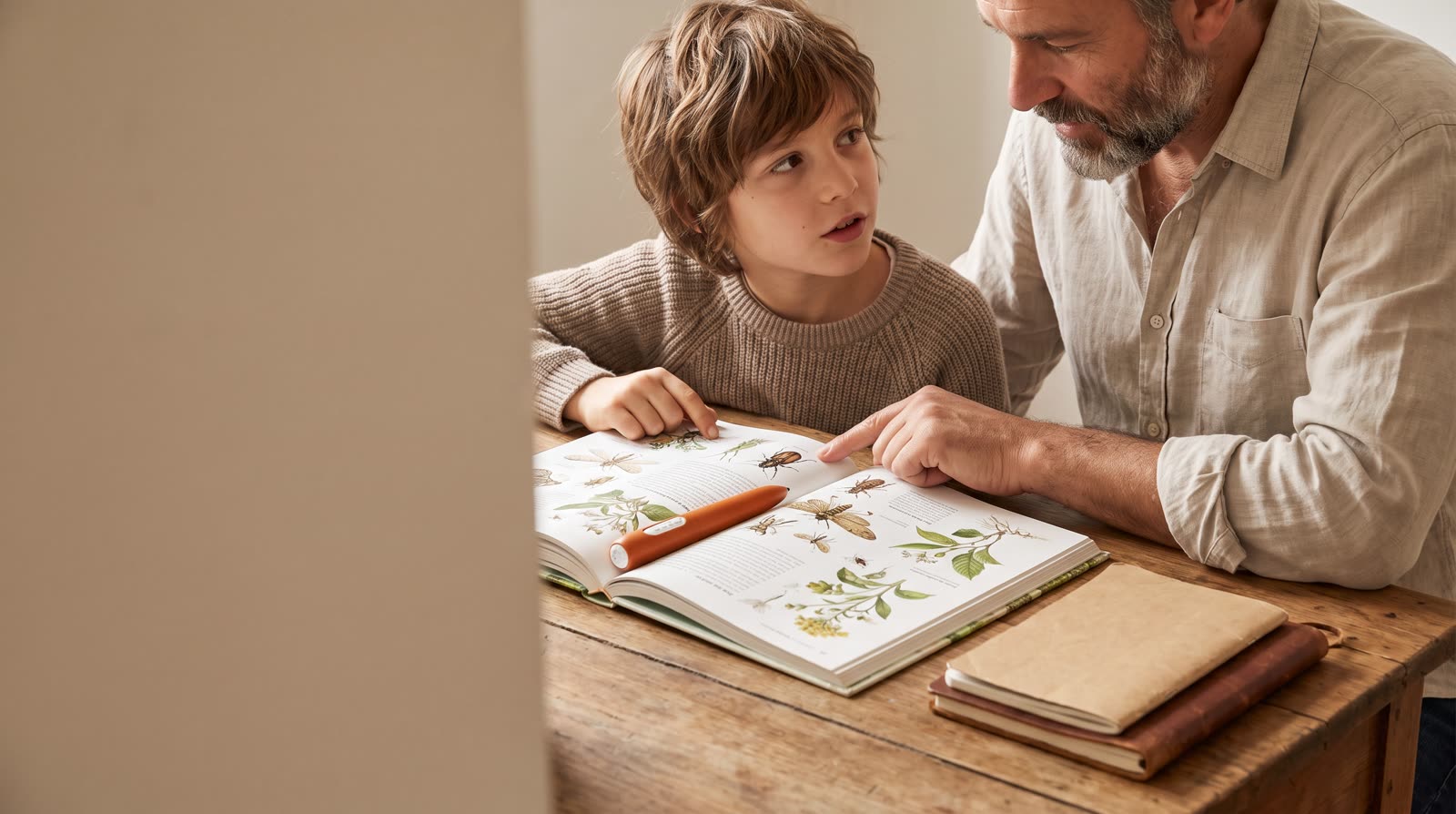
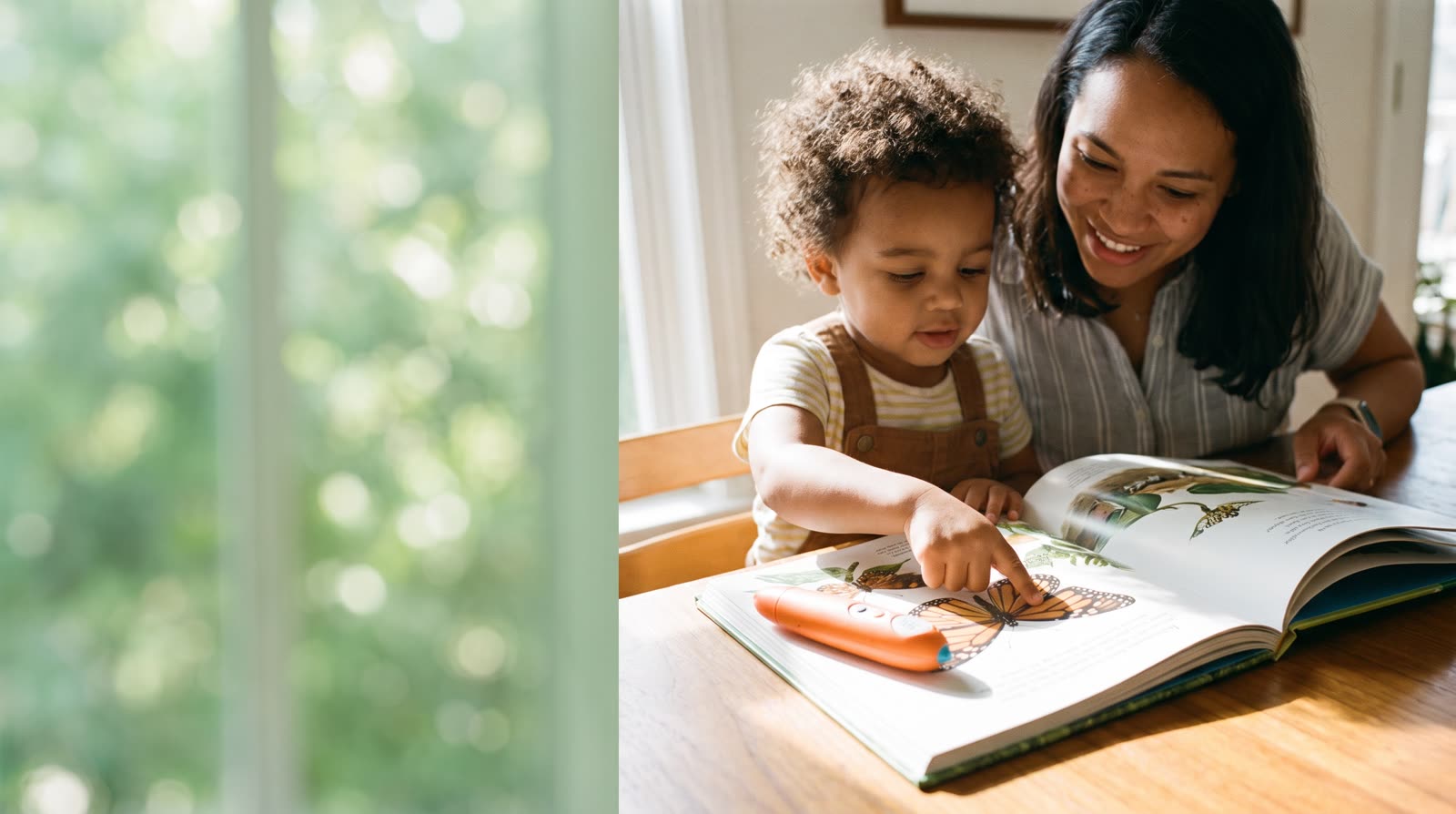
Science and nature books provide rich contextual vocabulary (e.g., photosynthesis, migration, metamorphosis) that benefits greatly from multimodal reinforcement—combining visual illustrations, tactile page interaction, and clear native-speaker audio via ReadGlo reading pens. Publishers and curators should evaluate whether book content incorporates scaffolded questioning techniques within the audio coding. Audio prompts should encourage children to make predictions, observe details in illustrations, and compare natural phenomena across different climates or ecosystems, supporting holistic cognitive and linguistic development.
Technical and Audio Specifications for Bilingual Talking Books
Dual-Audio Channel Encoding and Optical Code Integration
Bilingual talking book systems rely on sophisticated optical dot-code (OID) printing technology embedded alongside full-color illustrations. To support seamless dual-language switching, publishers must ensure that OID codes are encoded with multi-language lookup tables. A single touch point on an illustration or text block should allow the user to switch between languages via control icons or menu cards without audio latency or signal misreadings. B2B buyers should inspect sample print runs for dot-code density, ink absorption stability, and contrast ratio to guarantee 99.8% optical reading accuracy across all participating languages.
Audio Fidelity, Pronunciation Standards, and Localization
The auditory model presented to children learning a second language must exhibit pristine acoustic quality. Studio-recorded voice acting featuring native speakers with clear articulation, neutral accents, and appropriate pacing is essential. Background soundscapes and sound effects should be balanced carefully so they never mask spoken narration. When specifying multi-language editions, procurement teams must verify that native voice talent is utilized for each localized SKU, ensuring regional phonetic accuracy and culturally resonant phrasing.
Content Curricula and Scientific Accuracy in Translation
Ensuring Age-Appropriate Scientific Concepts
Nature and science topics must be tailored to the developmental stages of early childhood (ages 3 to 7). Concepts should progress from observable local phenomena (e.g., garden insects, weather changes) to broader ecological systems. B2B buyers should collaborate with educational advisors and subject matter experts to review manuscript drafts, ensuring that simplified explanations do not introduce scientific misconceptions. Every concept introduced in the primary language must maintain exact scientific fidelity when adapted into the secondary language.
Cultural Context and Global Relevance in Nature Education
Nature education inherently connects to the physical environment, yet bilingual learners span diverse geographical and cultural backgrounds. Curated book series should feature universal ecological principles alongside adaptable regional examples. For instance, discussions of seasonal changes should account for both temperate and tropical climates, ensuring that children across different international markets find personal relevance in the narrative while expanding their worldview through bilingual exploration.
ReadGlo project support
Request Product Catalog
Explore ReadGlo's comprehensive collection of interactive reading pens and bilingual science talking books tailored for global educational distributors.
Safety, Compliance, and Quality Assurance Protocols
Adherence to International Toy and Book Safety Standards
Children's interactive books and electronic reading pens are subject to stringent regulatory frameworks governing physical safety, chemical composition, and electrical safety. Wholesale buyers must verify that manufacturing partners comply with relevant standards such as ASTM F963, EN71, and guidelines established by the U.S. Consumer Product Safety Commission (CPSC) for children's products (https://www.cpsc.gov/Business--Manufacturing/Business-Education/Childrens-Products). Books must utilize non-toxic vegetable-based inks, saliva-resistant coatings, and secure binding to withstand frequent handling by young learners.
Hardware Safety and Low-Risk External Maintenance
Interactive reading pens integrated with book portfolios require clear product stewardship. End users and institutional buyers should perform routine low-risk external inspections—checking casing integrity, charging ports, and battery compartments for signs of wear. Under no circumstances should users attempt to disassemble electronic pens. If a device exhibits abnormal heat, swelling, leaking, or exposure to moisture, operation and charging must cease immediately, and buyers should contact the manufacturer or authorized service channels following CPSC safety guidelines.
B2B Evaluation and Sample Review Workflow
Systematic Specimen Testing and Audio Verification
Before finalizing wholesale procurement agreements or publishing custom OEM/ODM bilingual titles, buyers should execute a structured sample review workflow. This involves testing physical book binding durability, paper GSM weight (typically 250gsm+ for board books or heavy art paper with matte lamination to reduce glare), and optical code response speed across various lighting conditions. Audio files must be systematically audited for synchronization, volume balance, and seamless language toggling.
Collaborative Specification and Documentation Review
Establishing transparent communication channels with manufacturers regarding technical specifications, packaging requirements, and compliance documentation is critical for successful long-term distribution. B2B procurement teams should verify bill-of-materials (BOM) transparency, firmware update protocols for reading pens, and multi-language packaging layouts to ensure compliance with import regulations in target destination markets.
Frequently Asked Questions
How can B2B buyers verify the accuracy of optical dot-codes on multilingual talking books?
Buyers should request physical pre-production samples and test them using standardized reading pens across multiple lighting conditions and page angles. Verification involves checking response latency, ensuring zero cross-talk between adjacent OID codes, and confirming that each language toggle triggers the correct audio track without error.
What paper specifications and binding types are recommended for interactive nature books used in classrooms?
For intensive classroom or library environments, heavy-weight board books (300gsm+ per page) or high-grade coated art paper with matte lamination (to prevent optical scanning interference from glare) combined with reinforced stitched or case-bound binding are strongly recommended to ensure longevity.
How should educators and parents support children using bilingual science books to prevent cognitive overload?
Educational guidelines recommend interactive scaffolding—allowing children to explore a concept in their native language first to grasp fundamental scientific principles before introducing secondary language audio prompts. Consistent adult participation and guided discussion enhance comprehension and retention.
What safety protocols apply to electronic reading pens bundled with children's book sets?
Reading pens must comply with electronic safety and children's product regulations (such as CPSC and EN71 standards), utilizing non-toxic external plastics, secure battery enclosures, and low-voltage charging circuits. Users should conduct regular external inspections and avoid unauthorized disassembly.
How can publishers ensure that scientific terminology is translated accurately across different language editions?
Publishers should engage bilingual subject matter experts and science educators during the localization and translation phase rather than relying solely on literal translation, ensuring conceptual equivalence and age-appropriate scientific rigor in every target language.
Conclusion
Curating bilingual science and nature talking picture book portfolios requires an uncompromising commitment to pedagogical integrity, technological reliability, and product safety. By partnering with experienced manufacturers like ReadGlo, publishers, distributors, and educational institutions can deliver enriching, compliant, and engaging interactive learning tools that empower young learners across global markets. Adhering to structured evaluation workflows, rigorous audio verification, and international safety standards ensures long-term success and trust in the educational marketplace.
Continue your research
Related reading pen buyer guides
Use these related guides to compare the next product, content, sourcing or channel decision in your project.
- Picture BooksSelecting and Curation Strategies for Science and Nature Talking Picture Books to Support Early Vocabulary ExpansionRead this guide
- Picture BooksProcuring Social-Emotional Learning Talking Picture Books for Independent Exploration: A Comprehensive B2B Buyer and Publisher GuideRead this guide
- Picture BooksEvaluating and Selecting Science and Nature Talking Picture Books for Older Children: A Comprehensive B2B Buyer and Publisher GuideRead this guide
Continue with ReadGlo
See product specifications and request model-specific documentation.
ReadGlo project support
Send Your Requirements
Partner with ReadGlo to develop custom OEM/ODM bilingual talking book portfolios. Contact our engineering and publishing team today to discuss your project requirements.