Contents
Direct Answer
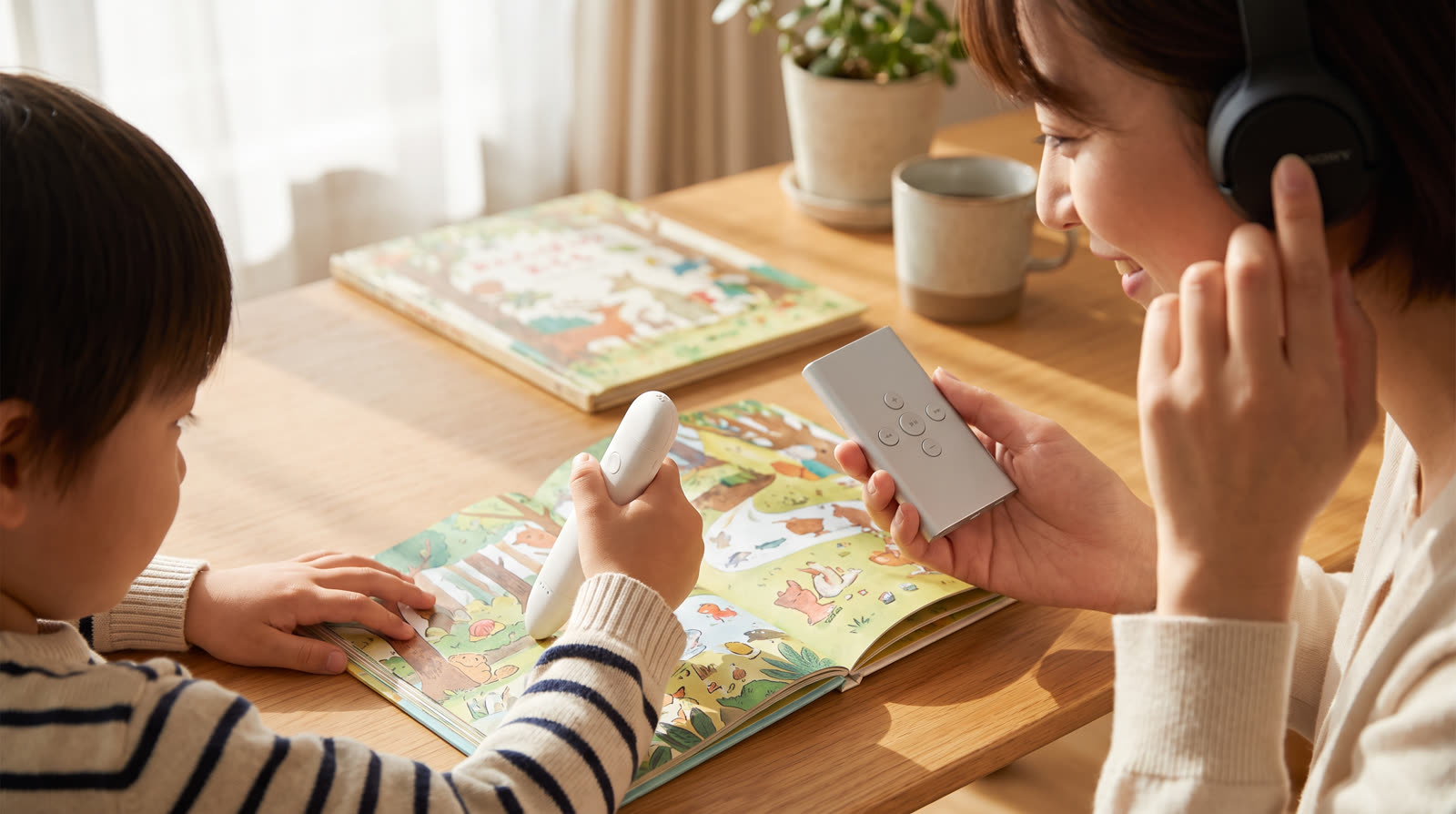
The practical answer: Before approving reuse, the buyer should treat the existing audio as a rights-and-configuration asset to be audited, not as a file that is automatically transferable. Start by identifying every component: the book text, translation, artwork or illustrations, musical work or lyrics if present, spoken performance, producer-owned sound recording, sound effects, introductions, credits and any third-party material. Ask who owns or controls each component today, who commissioned and paid for the recording, whether performers, narrators, composers, translators and other contributors granted the necessary permissions, and whether the current contract permits reproduction, editing, synchronization or other incorporation into a talking-pen book. A prior purchase, download, delivery to a former supplier or appearance online should not be treated as proof of permission. The U.S. Copyright Office explains that a sound recording and the music, lyrics, words or other content in it are separate protected works and may be owned or licensed separately; WIPO likewise advises generally obtaining authorization before using protected works and checking the precise conditions of any license. Use those points as prompts for document review, not as a legal conclusion about this project. Next, define the proposed use in writing: exact title and edition, languages and translations, territories, sales channels, term, physical book and pen bundle, included sample or demonstration use, advertising and retailer previews, any downloadable or updateable content, and whether the audio will be streamed, stored locally, copied into multiple SKUs or supplied to third parties. Ask the rights holder to confirm in writing that the permission covers the intended territory, term, language, medium and route to market, and whether it covers the new talking-pen interaction rather than only the original publication, CD, app or audiobook use. Request a rights schedule that names the rightsholder, agreement date and version, granted rights, exclusions, expiry or renewal trigger, attribution requirements, approval process, payment or reporting obligations and who can authorize amendments. Keep copyright, artwork, translations, text, recordings and audio permissions as separate confirmation lines even when one party claims to control them. Then ask the technical and editorial questions. Is the supplied master the approved version, and can the buyer inspect a time-coded cue sheet, track list, script, pronunciation notes, speaker list and edit history? Are there complete, clean masters and stems, or only compressed consumer files? Can the recording be cut into page, word, character, sound-effect or activity segments without changing meaning, timing, performance approvals or editorial context? Does the narration match the final text, translation, artwork, page order, age band and touch-zone plan? Which passages, names, pronunciations, music beds, effects, credits or disclaimers need replacement? Ask who owns the edited derivatives and project files, who may retain backups, and what happens to copies after the permission ends. Require a controlled sample using the final intended book artwork and touch map. The buyer—not an assumed supplier claim—should compare cue accuracy, pronunciation, silence and cut points, volume consistency, intelligibility, noise, unwanted material, file naming, language selection, pen-book mapping and behavior across the final configuration. Record defects, corrections, approval status and version numbers. Finally, make a release decision only after rights, editorial, technical, market and channel owners have signed the same version-controlled scope. If any right, territory, medium, contributor consent, source file, translation, cue mapping or approval is uncertain, pause reuse, replace the affected asset, obtain clarification or escalate to qualified counsel in the relevant jurisdiction. This guide does not determine legality, clear rights, approve a product or guarantee that any proposed configuration is suitable for a particular market.
This guide is for Publishers, importers, distributors, schools, retailers and private-label brands evaluating whether previously recorded children’s-book audio can be carried into a new talking-pen book and pen configuration.. Its search intent is Commercial investigation: a B2B buyer wants a practical pre-development question set to verify rights, files, technical fit, market scope and approval ownership before reusing existing children’s-book audio in a new talking-pen project.. It is designed to help a buyer decide what to approve, revise, hold or escalate for the exact product, content, market and route—not to create a generic supplier promise.
Start With the Exact Release Scope
A reading-pen project is a connected system rather than a generic device. It can include a pen model, one or more book editions, touch or code mapping, audio, translations, firmware or content version, accessories, packaging, adult-facing information, customer support wording and a destination route. Before treating questions before reusing existing children's book audio in a talking pen or children's book audio rights checklist for talking pen projects as an answer, record which exact configuration is being reviewed.
Create a dated scope record that identifies the buyer project, book edition, language, territory, intended age band, content and audio version, interaction method, target channel, decision owner and unresolved assumptions. This is a practical traceability measure, not a legal conclusion. It stops an old proof, sample, supplier statement or permission from being reused as evidence for a different release.
Use the scope to separate observable facts from public claims. A fact can be checked against a controlled sample, proof or file. A statement about safety, compatibility, child suitability, learning, availability, support, rights or market access needs its own buyer-owned evidence for the final configuration.
Decision Table: Approve, Revise or Escalate
| Decision area | Buyer question | Evidence to retain | Next status |
|---|---|---|---|
| Configuration | Which pen, book edition, interaction layer, audio, language and package are under review? | Versioned scope record, identifiers and representative sample | Approve / revise |
| Content and interaction | Does the final page, touch/code map, script and audio response match the approved brief? | Page or asset map, proof, sample test and correction log | Approve / re-test |
| Rights and market | Which assets are approved for this territory, medium, language and route? | Rights record, market worksheet and owner decision | Approve / hold |
| Handover | Can a downstream team identify the exact released version and support boundary? | Release note, controlled files and escalation route | Release / escalate |
A practical buyer-control table for interactive-book and talking-pen content delivery.
Swipe horizontally to view all columns.
Use evidence gates, not assumptions. “Approve” means the named scope has the agreed evidence at this point in time. It does not approve an unspecified future edition, language, market, pen, book, channel or route.
Rights may be split among the publisher, author, translator, illustrator, narrator, performer, composer, producer or another licensor; a recording license may not cover the underlying text, translation, music, artwork, editing, synchronization, physical books, embedded pen storage, downloads, advertising, retailer demos or a new territory. A term, language, medium, channel, exclusivity or attribution restriction may make an old permission too narrow. Online availability, possession of a file, a former supplier handover or a prior product launch is not proof of transferable permission. Unclear ownership, missing performer consent, unidentified samples, third-party effects, incomplete masters, compressed files, version drift, pronunciation or translation changes and page-to-audio mismatches can force re-recording or delay release. Reusing audio can also create product and market risks if the final age guidance, volume behavior, touch response, packaging information, accessibility expectations, privacy route, battery or other safety requirements differ; evaluate those only for the final configuration, destination market and route through the responsible compliance and product teams. Rights expiry, withdrawal, takedown, reprint, update and SKU retirement procedures should be agreed before launch. Escalate unresolved rights or jurisdiction-specific questions to qualified counsel rather than assuming an exception, public-domain status or approval.
Build Evidence Before the Commitment
Build the guide around two authoritative prompts: the U.S. Copyright Office distinguishes the sound recording from underlying music, lyrics, words and other content, while WIPO stresses that protected works generally require authorization and that license conditions define what is permitted. Translate those principles into a buyer-owned evidence table covering rightsholders, performers, territory, term, language, medium, physical and digital routes, derivative edits, attribution, source files, cue mapping and final approval. Keep the article practical and conditional: the sources prompt questions for counsel and rightsholders; they do not decide the project’s legal status or approve a talking-pen product.
This official page supports a conditional review prompt: it states that a sound recording and the music, lyrics, words or other content in it are separate copyright-protected works, may be owned or licensed separately, and that using another party’s work generally calls for permission or a lawful applicable basis. That supports asking the buyer to confirm each right, intended use and license scope. It is not a legal conclusion about the buyer’s project, and it does not approve any product, audio file, supplier, configuration, territory or market route.
Ask the person supplying each record to identify what it covers and what it does not cover. Useful fields include the pen or set identifier, book edition, content reference, language, market, date, reviewer, method, acceptance point and unresolved limitation. A document for another model, edition, language, territory or route is a comparison input, not final proof.
For broader context, consult U.S. Copyright Office — What Musicians Should Know about Copyright. It can frame a buyer question, but it does not replace verification for the final product, content, market or route.
Run a Buyer-Owned Delivery Workflow
1. Freeze the proposed release. Record the current pen and book configuration, edition, language, territory, route and decision point. Mark draft artwork, preliminary audio, provisional translations and old samples as not released.
2. Map the asset chain. 1) Freeze the proposed configuration: title and edition, final text and translation, artwork, age band, languages, territories, term, channels, physical or digital route, pen model or platform, book SKU and update policy. 2) Inventory every audio and book component, including narration, performances, music, lyrics, effects, introductions, credits, text, translation and artwork. 3) Build a rights matrix with one row per component and request contracts, assignments, licenses, performer permissions, territory, term, language, medium, derivative-use, attribution, exclusivity and approval limits. 4) Verify the supplied audio against the approved edition using masters, stems, scripts, cue sheets, time codes, track names and version history; quarantine unidentified or incomplete files. 5) Map audio to the final pages, illustrations, touch zones, languages and interaction states; flag edits, re-records and translation mismatches. 6) Run a buyer-defined sample review on the intended final configuration, logging intelligibility, pronunciation, cut points, unwanted material, volume, file integrity, cue accuracy and user-flow issues without treating the test as legal clearance. 7) Obtain written approvals from rights, editorial, product, market and channel owners, record unresolved questions and release only the approved version. 8) Control later changes, reprints, territory expansion, new channels, updates, replacement files and end-of-license actions through a change log and handover pack. Keep editorial, language, artwork, audio, interaction, product, rights, market and customer-information questions visible as separate workstreams rather than combining them into one broad claim.
3. Test the final relationship. Compare the intended book, pages or zones, code or touch map, audio response, language and customer-facing information on the configuration that will actually be reviewed. Record the conditions, result, repeat condition, correction owner and recovery or support path.
4. Decide and document. Name the buyer approver, exceptions, owner of each correction and the condition that triggers another review. Keep a dated approve, revise, hold or escalate outcome beside the evidence so it survives a staff, supplier, distributor or channel handover.
Move from sourcing research to a scoped OEM inquiry
Share the proposed device, branding, book or card scope and target market. Requested configurations and commercial terms need separate confirmation.
ReadGlo project support
Send Your Requirements
Share your target market, product scope, expected quantity and launch timing. Our team can prepare a relevant product, content or quality-control discussion.
Keep Content, Product, Rights and Market Decisions Separate
No one supplier, file or reviewer automatically owns every element of a reading-pen project. Hardware, firmware, books, narration, translations, illustrations, packaging, customer information, charging and distribution can have different accountable owners. Record those handovers explicitly.
Content and rights need the same discipline as physical assets. Confirm the rightsholder, territory, medium, language, edition, term, attribution and written permission for the actual text, images, translations, recordings, performer contributions, music and other assets. Do not assume that a print permission authorises audio, promotional, update, app, event or cross-border use. WIPO copyright guidance provides international background for questions about copyright and authorization.
Where product safety, age guidance, warnings, accessibility, battery, connected features, privacy, packaging or transport are relevant, identify the final configuration, intended age group, destination market and route before deciding which evidence or specialist review is needed. These are conditional verification tracks, not blanket assertions about a device, supplier or destination.
Control Handover and Later Changes
The approved delivery record should be usable at the next gate: supplier handover, code or content integration, proof approval, production authorization, distributor onboarding, retailer item setup, school or library route, customer-support brief, reprint or reorder. Include the current scope, approved assets, evidence references, exceptions, public wording, named owners and next-review trigger.
A change that appears small may be material. A new illustration, page layout, translation, audio file, performer, firmware or content release, package panel, accessory, market, channel or shipment method can change the evidence needed. Log the delta, compare it with the approved baseline, identify affected records and decide whether a targeted proof, test, permission, local review or controlled sample is necessary.
This approach makes how to verify permission to reuse audiobook recordings in interactive books, talking pen audio reuse territory and media rights, buyer checklist for existing narration in a reading pen project and repurpose recorded story audio for a new talking book pen useful buyer-intent terms: each leads to a controlled question rather than an unsupported promise.
Buyer Checklist Before the Next Commitment
Use this checklist before approving the next step.
- Confirm the exact pen, book edition, content or firmware reference, language, package, intended age band and destination.
- Link every public statement to the configuration and evidence it describes.
- Keep editorial, language, artwork, audio, interaction, rights, product, market and channel decisions visibly assigned.
- Test the book-to-pen relationship on the final or configuration-matched proof, sample and content version.
- Confirm that text, artwork, translations, recordings, performer contributions, music and other assets have the required rightsholder, territory, medium, language and permission evidence.
- Record approval, exceptions, corrective actions and re-test triggers in one dated release record.
- Escalate market-, product-, rights- and route-specific questions to responsible specialists before release.
For a practical next step, share the target market, pen and book scope, content/language needs and decision window when you send requirements to ReadGlo.
Frequently Asked Questions
1. Does owning an audio file mean a buyer can reuse it in a new talking-pen book? Start with the exact edition, pen or reader configuration, content release, language, territory, age range and route under review. questions before reusing existing children's book audio in a talking pen should produce a named record and owner, rather than a generic supplier assurance.
2. Which separate rights should a buyer check for narration, text, translation, music, artwork and sound effects? Link the decision to the evidence it actually covers: controlled source files, a representative proof or sample, test observations, source permissions and the exact version reviewed. A record for a different edition or market is a comparison input, not approval.
3. What should a rights permission specify about territory, term, language, medium and sales channel? Keep editorial, language, artwork, audio, interaction, product, market and rights decisions separate. One person can coordinate the release, but the buyer should name the accountable reviewer for each decision and open issue.
4. How can a buyer verify that existing audio matches the new book edition and touch-zone map? Use buyer checklist for existing narration in a reading pen project as an evidence-led workflow: compare the final book, audio, touch or code mapping and user information against the agreed brief; log what passed, what requires correction and what needs escalation.
5. Can existing narration be edited into page, word, character or activity clips for a talking pen? Confirm the actual rightsholder, territory, language, medium, term and written permission for text, illustrations, translations, recordings, performers, music and other assets before release. Do not infer a new use from an older print or sample permission.
6. What source files, cue sheets, scripts and approvals should a buyer request before sampling? Treat a change to artwork, text, translation, audio, firmware or content, packaging, market or sales route as a re-review trigger. Update the version record, affected evidence and downstream handover before reusing an earlier sign-off.
7. What should a buyer do when a right, contributor consent, file version or territory is still uncertain? Hold, revise or escalate when the configuration, rights scope, market requirement or evidence owner is unclear. A controlled question with a named next action is more useful than an unsupported yes.
Continue With Related ReadGlo Resources
Continue with the bilingual picture-book product overview, the ReadGlo Buyer FAQ and the full buyer-guide library. Related research themes include questions before reusing existing children's book audio in a talking pen; children's book audio rights checklist for talking pen projects; how to verify permission to reuse audiobook recordings in interactive books. For a configuration-specific discussion, state the target market, pen and book scope, content/language requirements, expected order context and next decision when you send requirements to ReadGlo.
Conclusion: Release Only the Evidence-Backed Scope
The strongest answer to “What Should a Buyer Ask Before Reusing Existing Children’s-Book Audio in a New Talking-Pen Project?” is not a generic yes or no. It is a buyer-owned record that matches the exact product, content, market and route to current evidence and accountable owners. That lets partners compare options honestly, identify gaps early and avoid turning a preliminary discussion into an unsupported public promise.
Ready to move from a broad inquiry to a controlled project brief? Use the ReadGlo contact page to request a configuration-specific discussion. Include the intended market, pen and book scope, content/language needs, expected order context and any decision that must be verified before the next commitment.
Continue your research
Related reading pen buyer guides
Use these related guides to compare the next product, content, sourcing or channel decision in your project.
- Publisher SolutionsHow Should a Brand Document an Interactive-Book Illustration Change Before Reprint?Read this guide
- Buyer GuideHow Should Buyers Review Battery-Safety and Rechargeable-Talking-Pen Customer Information?Read this guide
- Publisher SolutionsHow Should Publishers Retire and Reissue Talking-Pen Content When a Book Edition Changes?Read this guide
Continue with ReadGlo
See product specifications and request model-specific documentation.
ReadGlo project support
Get a Project Quote
Request product specifications, sample guidance or a tailored proposal for your reading pen, interactive book or distributor program.