Contents
Direct Answer: Start With the Final Configuration, Not a Generic Claim

The practical answer: What Should a South African Buyer Verify Before Importing Children’s Talking Pens and Interactive-Book Bundles only after the buyer freezes the actual product and project scope. For South African education distributors, bookshop and toy retailers, school wholesalers, literacy-programme buyers and e-commerce category teams, that means recording the pen model or platform, book edition, intended age, power and battery arrangement, charger or accessory, connectivity, content and language assets, public claims, packaging, responsible importer, delivery route and intended channel. A buyer should document whether the system includes a rechargeable or replaceable-battery pen, firmware or app functions, interactive books, charging or mains accessories and multilingual content. Then assign landed-cost assumptions, importer responsibility, evidence gaps, school or retail use and support handover to named owners.
A supplier photo, a low first quote, a document with an unrelated model number or a previous-market sample should not become an approval for a different configuration. Use this guide to create a buyer-owned evidence request and an accountable review path. It is source-bounded procurement research, not a market-access, safety, customs, privacy, content-rights or legal conclusion for any final product.
Why the Exact South Africa Configuration Changes the Buyer’s Review
The correct starting question is not “Do you have documents?” It is “Which exact sellable system is under review?” Build a dated scope record that includes the pen, each book and content version, packaging hierarchy, labels and copy, battery or charging arrangement, software or firmware version, connectivity, accessories, intended child age, route, commercial importer and sales channel. If any of these inputs change, the earlier review may no longer apply.
For South Africa, A buyer should document whether the system includes a rechargeable or replaceable-battery pen, firmware or app functions, interactive books, charging or mains accessories and multilingual content. Then assign landed-cost assumptions, importer responsibility, evidence gaps, school or retail use and support handover to named owners. Keep hardware, books, audio, translations, packaging, online listings and customer support as related but separately controlled workstreams. A good procurement brief explains what is included, what is excluded, who owns each decision and what evidence is still missing.
This is especially important for a pen-and-book bundle. The pen, a book, a charger, an audio package and a marketplace listing can each have a different owner, version and destination. The buyer should not allow a broad project nickname to replace the real configuration.
Buyer Decision Table: Evidence Requests Before Quote, Sample or Purchase Order
| Configuration to describe | Buyer evidence request | Owner to confirm | Release condition |
|---|---|---|---|
| Offline book-and-pen or interactive reading set | Versioned scope record, component list, sample or proof reference, open-issue log and applicable source questions | Buyer, responsible importer and relevant content, channel or technical reviewer | Configuration-dependent: approve, revise, hold or escalate with a dated evidence record |
| Rechargeable, replaceable-battery or mains accessory | Versioned scope record, component list, sample or proof reference, open-issue log and applicable source questions | Buyer, responsible importer and relevant content, channel or technical reviewer | Configuration-dependent: approve, revise, hold or escalate with a dated evidence record |
| Firmware, app or content-update feature | Versioned scope record, component list, sample or proof reference, open-issue log and applicable source questions | Buyer, responsible importer and relevant content, channel or technical reviewer | Configuration-dependent: approve, revise, hold or escalate with a dated evidence record |
| Literacy programme, school, bookstore, retail or e-commerce channel | Versioned scope record, component list, sample or proof reference, open-issue log and applicable source questions | Buyer, responsible importer and relevant content, channel or technical reviewer | Configuration-dependent: approve, revise, hold or escalate with a dated evidence record |
Configuration-first decision table for a children’s reading-pen and interactive-book project in South Africa.
Swipe horizontally to view all columns.
Use a decision table before releasing a supplier RFQ, approving a sample, preparing a listing or placing a purchase order. Each row is configuration-dependent and must be reviewed by the buyer, responsible importer and suitable qualified parties for the final project.
Use Official Sources as an Evidence Map, Not a Product Approval
NRCS import-export information and SARS importer material can support a buyer’s evidence map. Applicability, tariff treatment, valuation, origin and route must be confirmed for the actual configuration and transaction rather than inferred from the name ‘talking pen’ or ‘toy’.
Source 1. National Regulator for Compulsory Specifications — Imports and exports. Use NRCS information to frame a configuration-specific inquiry; do not infer applicability from a generic name.
Source 2. South African Revenue Service — Duties and taxes for importers. Use SARS importer information to prompt transaction-specific customs and cost review.
Keep a source register that states the link, access date, exact question, configuration considered, person reviewing it, resulting evidence request and unresolved limitation. This prevents a public page, a similar product record or a supplier statement from being presented as evidence that ReadGlo, a factory, a sample or a prospective SKU is certified, compliant, approved, tested, licensed or suitable for South Africa.
Language, Content Rights and Channel Handover Are Separate Procurement Gates
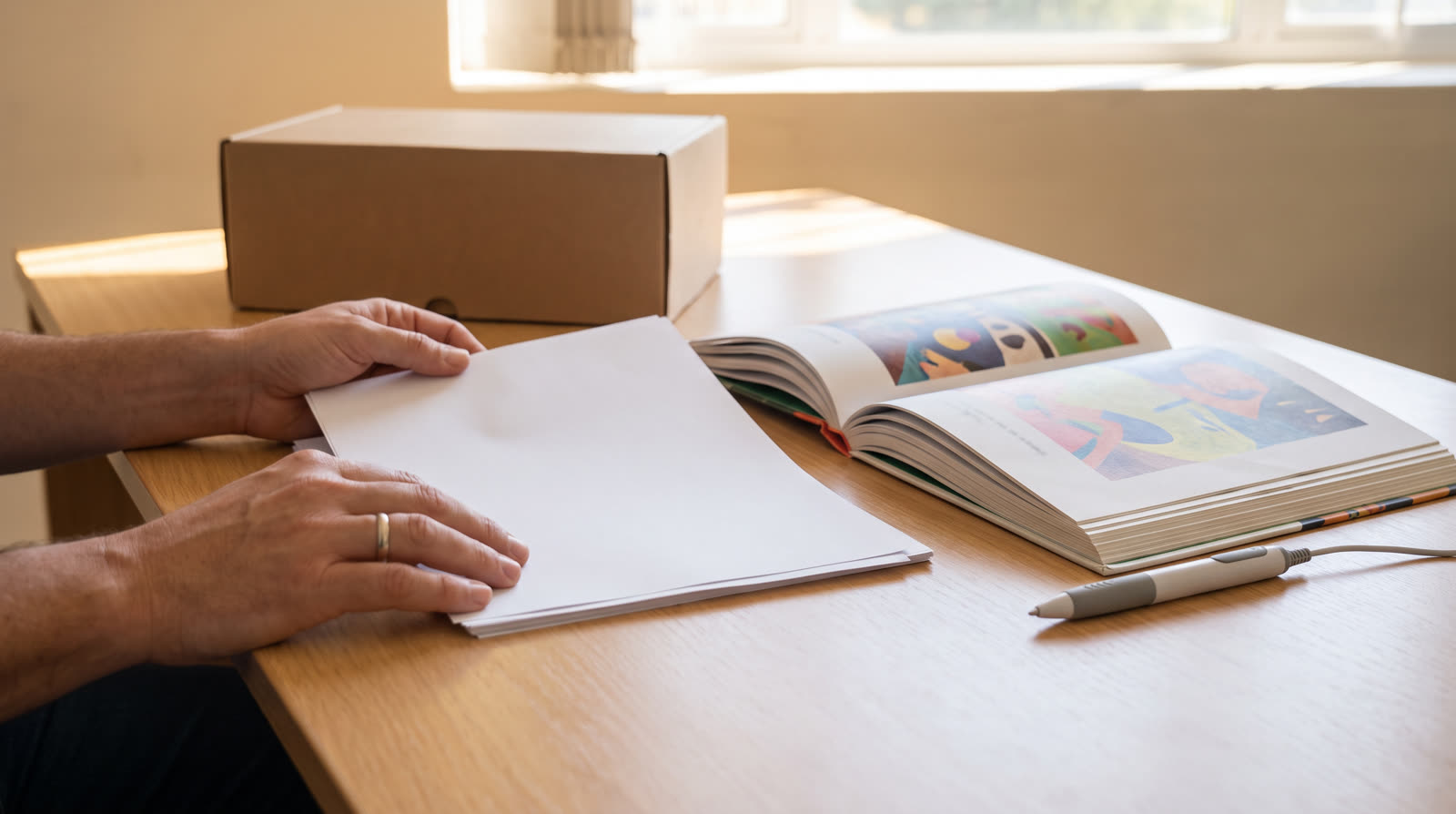
For English and other language assets, secure written rights for text, translation, narration, artwork, music and customer communication. Record territory, term, distribution route, update authority and any school-programme restrictions in the content register.
A literacy project, school wholesale programme, bookstore launch and e-commerce listing need different service and information handovers. Keep spares, support, firmware or content version questions in the supplier discussion without promising coverage that has not been agreed.
For publishing context, consult WIPO publishing and copyright guidance. It can help frame rights questions, but the buyer still needs project-specific written permissions. A practical rights register should identify the asset, contributor or rightsholder, source agreement, territory, language, medium, channel, term, attribution, permitted changes, approval owner, delivery format and withdrawal or takedown process.
Treat a content change as a controlled release. A revised sentence, new narrator, alternate language, reprint, illustration adjustment, revised code map or updated firmware can affect the exact set that was reviewed. Link content approval to the corresponding pen, book and package version rather than allowing an email approval to float without a reference.
Move from sourcing research to a scoped OEM inquiry
Share the proposed device, branding, book or card scope and target market. Requested configurations and commercial terms need separate confirmation.
ReadGlo project support
Send Your Requirements
Share your target market, product scope, expected quantity and launch timing. Our team can prepare a relevant product, content or quality-control discussion.
Pre-RFQ and Pre-PO Document Checklist
Before requesting a production quotation or releasing a purchase order, ask the project team to assemble these buyer-owned records:
- A configuration sheet naming the pen, books, accessories, intended age, language versions, market and channel.
- A bill of materials or component boundary sufficient to identify battery, charger, wireless and accessory questions.
- Book, audio, translation, illustration, music and software asset registers with written-rights status.
- Packaging, label, instruction and online-copy drafts matched to the actual sellable configuration.
- A source register, document index and named owners for open market, import, privacy, transport and channel questions.
- An approved sample or proof plan that describes what will be observed and what change will trigger re-review.
- A handover plan covering retailer or school data, distributor information, content updates, support contacts and exceptions.
The value of this checklist is not a pile of files. It is the ability to connect every file to the version, owner and decision it supports. If an item cannot be connected to the project scope, mark it as incomplete rather than using it as a blanket assurance.
A Repeatable Buyer Workflow for Market Entry
1. Freeze the decision question. State whether the team is selecting a platform, approving a sample, preparing a pilot, comparing quotes, releasing a purchase order or submitting an item for a channel.
2. Map actual components and claims. Identify the pen, books, audio, coding or interaction method, power arrangement, connectivity, package, product copy and responsible commercial party. Do not compare a document for one variant with a different variant.
3. Request evidence by owner. Assign product, content, import, data, logistics and channel questions to people who can respond. Ask for references, version dates and the limit of each document.
4. Record a visible outcome. Every line should be approved, revised, held, waived with a named owner and expiry, or escalated. Keep the reason and relevant evidence link in the project folder.
5. Release only the controlled version. The production, content, logistics and channel teams should receive the same approved configuration. When a component, language, package, market or route changes, compare it with the baseline and reopen the affected review line.
Frequently Asked Questions
1. Can a buyer approve a reading-pen bundle from a generic sample? No. Use the sample only as an observation against a written scope. The final pen function, book edition, intended age, battery or charger, language assets, importer, destination route and channel must be identified before the sample can support a decision.
2. What is the first document to request for South Africa? Request a configuration sheet that names every physical component, content version, language, accessory, intended channel and target market. It should give the buyer a stable reference for South Africa children's talking pen interactive book bundle import requirements rather than a generic product promise.
3. Who should confirm whether an official rule or document applies? The responsible buyer and importer should obtain configuration-specific confirmation from qualified advisers, relevant authorities, test bodies, brokers, carriers or channel owners as appropriate. An authority page or supplier file is evidence to review, not a substitute for that decision.
4. How should a buyer handle content rights and localization? Keep a written asset register for the text, translation, narration, recordings, illustration, music, software and support assets. Record rightsholder, territory, language, medium, term, channel, attribution, update authority and proof of permission before release.
5. Does a battery, charger, Bluetooth or app feature change the buyer review? Usually it can change the questions. Put each function in the scope record and ask the responsible parties to assess the exact configuration rather than applying South Africa talking pen supplier checklist or reading pen customs landed cost to a different model.
6. How should school, bookstore, retail and marketplace projects differ? Give each channel its own product-information and handover checklist. The hardware may be shared, but the package, language, customer information, rights permission, listing data, support route and responsible owner may differ.
7. What should be sent to ReadGlo for a practical next discussion? Send the target market, product and book scope, intended age, language assets, expected channel, power or connectivity features, expected quantity and decision date. This makes NRCS LoA importer check, multilingual content copyright licensing and talking pen schools retail specification usable as concrete procurement questions rather than broad search phrases.
Continue With ReadGlo Resources
For a configuration discussion, review the Smart Reading Pen Pro, explore the Bilingual Picture Book Series, and use the buyer FAQ resource to prepare supplier questions. You can also browse all buyer guides before defining your project brief.
Conclusion: Build a South Africa Procurement Brief That Can Be Checked
The most useful answer to “What Should a South African Buyer Verify Before Importing Children’s Talking Pens and Interactive-Book Bundles?” is not a universal certificate claim. It is a controlled project brief that connects the final pen, books, content, language, packaging, intended age, importer, route and channel to current evidence and named owners. That approach helps B2B buyers expose gaps early and make a more defensible next decision.
Ready to request a configuration-specific discussion? Contact ReadGlo or email info@readglo.com with your target market, product and book scope, language assets, expected channel, order context and decision deadline.
This is source-bounded procurement research, not legal advice. Applicable requirements depend on the exact product configuration, intended age, electrical or battery setup, content, claims, language, import route and channel. They must be verified for the final configuration by the buyer, responsible importer and qualified advisers. No statement here says that ReadGlo, any factory, sample or prospective product is certified, compliant, approved, tested, licensed, price-fixed, warranty-covered or suitable for the market.
Official Sources Used for Further Reading
[1] National Regulator for Compulsory Specifications — Imports and exports — Use NRCS information to frame a configuration-specific inquiry; do not infer applicability from a generic name. [2] South African Revenue Service — Duties and taxes for importers — Use SARS importer information to prompt transaction-specific customs and cost review.
Continue your research
Related reading pen buyer guides
Use these related guides to compare the next product, content, sourcing or channel decision in your project.
- Sourcing & LogisticsHow Can a Buyer Design a Take-Back and Recycling Information Plan for Talking Pens?Read this guide
- Sourcing & LogisticsHow to Negotiate Split-Shipment Delivery Schedules with Chinese Educational Toy Manufacturers?Read this guide
- Sourcing & LogisticsHow Can Importers Control Carton and Pallet Variances When Receiving Reading-Pen Shipments?Read this guide
Continue with ReadGlo
View the configurable pen platform used for OEM reading-pen programs.
ReadGlo project support
Get a Project Quote
Request product specifications, sample guidance or a tailored proposal for your reading pen, interactive book or distributor program.