
Contents
Introduction
Building a consistent daily reading habit in early childhood is a foundational objective shared by educators, parents, and literacy advocates worldwide. Establishing reliable routines requires patience, structured engagement, and positive reinforcement that respects a child's natural developmental pace. One of the most effective visual frameworks for fostering this consistency is the reading reward chart. When thoughtfully integrated with interactive physical media—such as children's talking pens and sound-enabled picture books—reward charts can transform abstract reading goals into tangible, rewarding milestones. This comprehensive guide examines the behavioral principles, structured implementation steps, and safety considerations involved in designing reading reward systems, offering valuable insights for B2B partners, publishers, and educational distributors collaborating with ReadGlo.
Understanding the Psychological and Behavioral Foundations of Early Reading Habit Formation
The Role of Positive Reinforcement in Early Childhood Routines
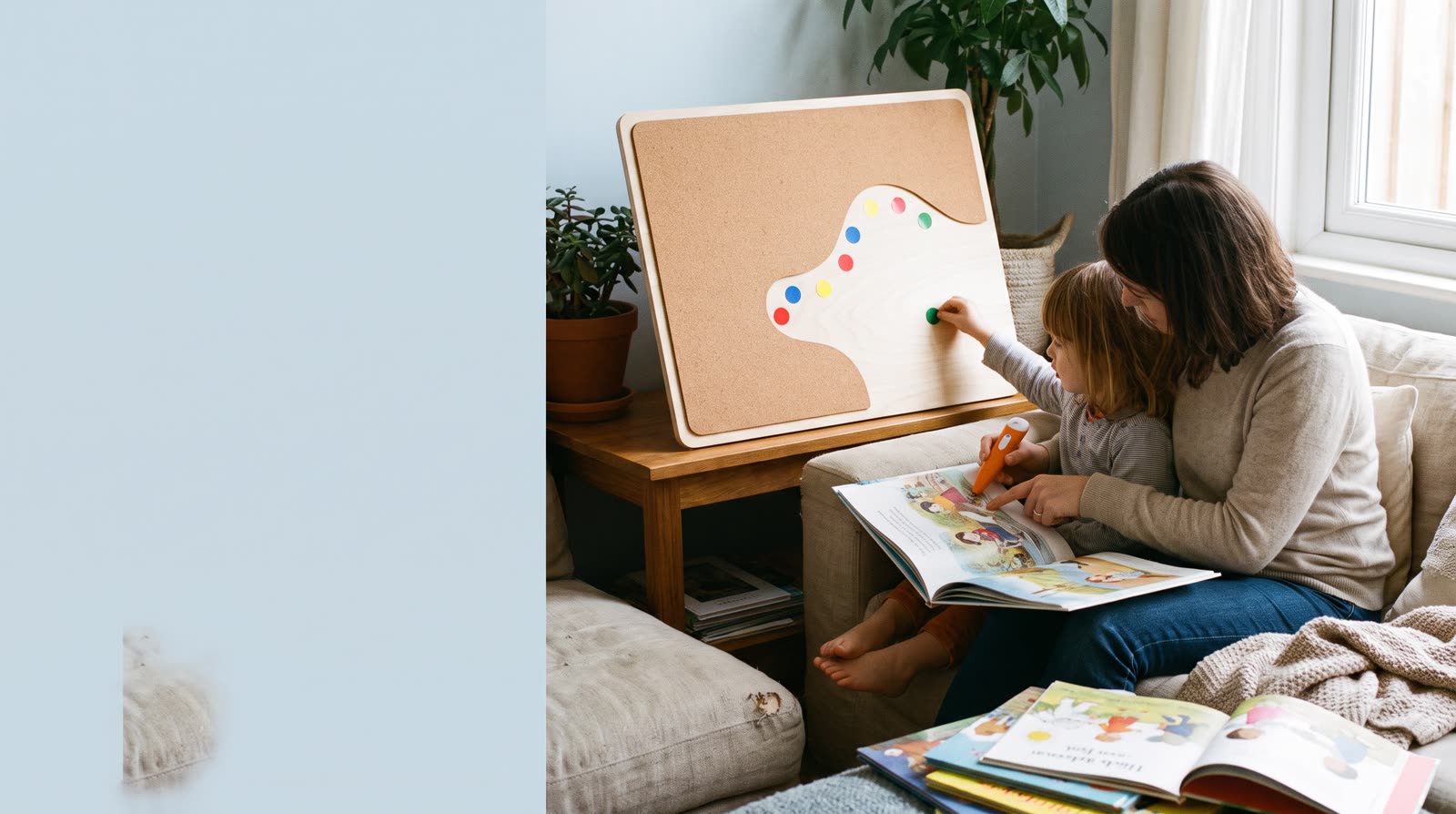
Positive reinforcement operates on the psychological principle that behaviors followed by favorable outcomes are more likely to be repeated. In the context of early literacy, a reward chart acts as a visual tracker that acknowledges effort and consistency rather than superficial performance. According to child development frameworks published by organizations such as the American Academy of Pediatrics (AAP), establishing predictable daily routines helps reduce anxiety and fosters a sense of competence in young learners. When children visually track their progress—such as placing a sticker on a chart after completing a ten-minute reading session—they experience immediate gratification tied directly to literacy engagement.
Intrinsic vs. Extrinsic Motivation in Literacy Engagement
A common consideration when implementing reward charts is balancing extrinsic rewards (stickers, extra story time, milestone badges) with the cultivation of intrinsic love for reading. Behavioral specialists emphasize that external markers should serve as scaffolding rather than permanent bribes. Initially, extrinsic reinforcement helps bridge the gap in habit formation, making the initiation of reading feel achievable and structured. Over time, as decoding skills improve and children experience the rich imaginative worlds within picture books, intrinsic motivation—the pleasure of storytelling, auditory discovery with talking pens, and shared parental bonding—takes precedence. Reward charts should gradually evolve from frequency-based trackers to celebratory milestones of accumulated literary exploration.
Designing Developmentally Appropriate Milestone Markers
Child development milestones vary significantly across early childhood. Consequently, reward charts must be customized to match a child's developmental stage, attention span, and cognitive readiness. For toddlers and preschoolers, milestones should be short-term and immediate, focusing on single-session completion or daily participation. For older early readers, milestone markers can incorporate chapter completion, vocabulary acquisition, or interactive book exploration using audio-enabled reading pens. Aligning chart expectations with realistic developmental capabilities ensures that children remain encouraged rather than overwhelmed by unrealistic reading quotas.
Integrating Interactive Tools (Talking Pens and Picture Books) into Reward Structures
Leveraging Auditory Feedback and Tactile Engagement with Audio Pens
Modern early literacy tools, including children's talking pens and optical-code interactive picture books, offer powerful multi-sensory engagement that enhances traditional reading routines. Talking pens allow children to independently tap book pages to hear correct pronunciation, sound effects, narration, and musical cues. This immediate auditory feedback bridges visual text and spoken language, making the reading experience highly engaging. Incorporating these interactive tools into reward chart criteria—such as exploring a new sound-enabled page or practicing pronunciation with the audio pen—adds an exciting dimension to daily reading sessions.
Aligning Chart Milestones with Interactive Book Completion
Reward charts can be directly mapped to interactive book milestones. For instance, rather than tracking arbitrary minutes, parents and educators can structure charts around completing specific thematic modules within a ReadGlo picture book series. As children use their talking pens to unlock audio content across different chapters or activity spreads, they earn specific chart markers. This direct integration connects physical hardware interaction with literacy achievement, reinforcing both technical familiarity with audio devices and comprehension of the narrative.
Avoiding Common Pitfalls: Ensuring Rewards Complement Rather Than Replace Reading Joy
To maintain the integrity of early literacy programs, reward structures must be carefully managed to avoid commodifying reading. Rewards should never be punitive (e.g., withholding books as punishment) nor overly transactional (e.g., tying reading exclusively to material goods or monetary incentives). Instead, effective rewards often include shared experiences, such as choosing the weekend bedtime story, engaging in a special art project related to the book's theme, or earning additional collaborative reading time with a parent or caregiver. B2B publishers and educational distributors designing companion reward kits must emphasize experiential and literacy-centric rewards.
Step-by-Step Framework for Educators, Retailers, and Parents to Implement Reading Reward Charts
Phase 1: Collaborative Goal Setting and Baseline Establishment
Successful habit formation begins with collaboration. Parents, educators, and children should discuss reading goals together, establishing a baseline of current reading habits—such as reading three times per week for ten minutes. Setting achievable initial targets prevents frustration. Retailers and educational suppliers can support this phase by providing modular, customizable reward chart templates alongside starter book sets and talking pen bundles, ensuring families have all necessary components to begin structured reading routines.
Phase 2: Selecting Appropriate Visual and Interactive Markers
The visual design of a reward chart significantly impacts child engagement. Charts should feature clear, uncluttered layouts, vibrant illustrations that match the interactive picture books, and easy-to-use placement spots for stickers or stamps. When pairing charts with ReadGlo talking pens and interactive books, manufacturers should ensure that the chart themes reflect characters or visual motifs found within the books, creating a cohesive brand and reading ecosystem that resonates with young users and retail buyers alike.
Phase 3: Monitoring Consistency and Gradual Transition to Intrinsic Motivation
Consistency is vital during the initial three to four weeks of habit formation. Parents and educators should celebrate small milestones consistently while observing the child's response. As daily reading becomes an ingrained part of the daily routine—often coinciding with bedtime or quiet afternoon periods—the frequency of reward chart check-ins can be gradually tapered. The ultimate objective is for the child to initiate reading independently, viewing books and interactive audio pens as sources of enjoyment rather than tasks tied to external validation.
ReadGlo project support
Send Your Requirements
Looking to source custom interactive talking pens, sound-enabled picture books, and companion reading kits for your market? Partner with ReadGlo to elevate your educational product portfolio.
Addressing Diverse Learning Needs and Special Considerations
Supporting Children with Varied Attention Spans and Reading Difficulties
Every child has a unique learning profile. For children with diverse learning needs, shorter reading sessions, highly visual interactive books, and sensory-rich tools like talking pens can make reading more accessible. Organizations such as Reading Rockets and the International Dyslexia Association emphasize multi-sensory structured literacy approaches that combine visual, auditory, and tactile elements. Reward charts for children with unique learning needs should be highly flexible, focusing on personalized effort and engagement rather than rigid temporal metrics.
The Importance of Adult Co-Reading and Responsive Scaffolding
Reward charts and interactive tools are designed to support, not replace, human interaction. Adult co-reading—where parents or educators sit alongside the child, ask open-ended questions, discuss illustrations, and model expressive reading—remains the cornerstone of early literacy development. Talking pens provide excellent supplementary audio support, but the emotional connection and conversational scaffolding provided by adult engagement are irreplaceable.
Consulting Qualified Educational and Clinical Professionals
When parents or educators observe persistent challenges in language acquisition, reading comprehension, or sustained attention, it is essential to consult qualified educational specialists, speech-language pathologists, or pediatric clinical professionals. Tools like talking pens and reward charts are supportive educational accessories and literacy aids; they do not diagnose, treat, or cure developmental or learning disorders. Professional guidance ensures that children receive comprehensive, individualized support tailored to their specific needs.
B2B Procurement, Product Customization, and Educational Partner Considerations
Sourcing Durable, Safe Audio Hardware and Certified Book Stocks
For B2B buyers, distributors, and educational institutions sourcing children's talking pens and interactive picture books, product safety and durability are paramount. Hardware components—such as optical sensor pens, rechargeable batteries, and USB charging ports—must adhere to strict international safety standards, including guidelines set by the Consumer Product Safety Commission (CPSC) for children's products. Book stocks must utilize non-toxic inks, durable binding, and tear-resistant paper or matte lamination suitable for frequent handling by young children.
Customizing Companion Materials (Stickers, Charts, Activity Guides) for Retail and Institutional Markets
To maximize market appeal, B2B partners often request customized companion kits that include themed reward charts, reusable sticker sheets, multilingual audio files, and structured teacher or parent activity guides. ReadGlo supports wholesale and retail partners in developing cohesive product ecosystems where talking pens, interactive books, and reward systems work seamlessly together, providing exceptional value to end-user families and educational institutions.
Ensuring Quality Assurance, Safety Compliance, and Regulatory Alignment
Compliance with regional safety regulations—such as CE, RoHS, ASTM F963, and CPSC standards—is critical for international distribution. B2B procurement professionals must ensure that manufacturing partners conduct rigorous quality assurance checks on electronic audio fidelity, optical dot-code recognition accuracy on book pages, and structural integrity of companion items like reward charts and packaging.
Frequently Asked Questions
At what age can parents start using a reward chart for reading?
Reward charts can be introduced around preschool age (approx. 3 to 4 years old) when children begin to understand visual tracking and simple milestone concepts. For younger toddlers, shorter, interactive picture book sessions without formal charts are often more developmentally appropriate.
How do talking pens complement reward charts in daily reading routines?
Talking pens provide immediate auditory reinforcement—such as narration, sound effects, and correct pronunciation—when children tap interactive picture book pages. This multi-sensory engagement makes reading sessions more rewarding, helping children naturally meet their daily reading milestones.
What types of rewards should be included in a reading reward chart?
Effective rewards focus on experiences and literacy-centric activities rather than material or monetary items. Examples include choosing the bedtime story, earning extra co-reading time with a parent, or participating in a themed art project.
Are reading reward charts suitable for children with different learning styles?
Yes, when customized thoughtfully. Children with diverse learning styles or varying attention spans often benefit from multi-sensory tools like talking pens and flexible reward structures that emphasize personal effort and engagement over rigid rules.
How can B2B buyers and distributors source custom reading reward kits?
B2B partners collaborating with ReadGlo can request custom companion kits that include themed reward charts, interactive talking pens, sound-enabled picture books, and multilingual activity guides tailored to specific retail or institutional markets.
Conclusion
Building a sustainable daily reading habit using reward charts and interactive tools is a rewarding journey that bridges structural consistency with imaginative exploration. By combining visual milestone trackers with ReadGlo's children's talking pens and sound-enabled picture books, parents and educators can create engaging, supportive environments that foster lifelong literacy skills. For B2B distributors, retailers, and educational partners, offering comprehensive reading ecosystems complete with certified hardware, interactive books, and customizable reward materials represents a valuable opportunity to support early childhood education worldwide.
Continue your research
Related reading pen buyer guides
Use these related guides to compare the next product, content, sourcing or channel decision in your project.
- Early LearningBuilding Daily Reading Habits with a 10-Minute Routine: Comprehensive Strategies for Early Literacy and Interactive Book ProgramsRead this guide
- Early LearningHow Parents and Educators Can Build a Sustainable Daily Reading Habit Using Guided Questions and Interactive Talking BooksRead this guide
- Early LearningHow can parents make parent-child reading more interactive using a 10-minute routineRead this guide
Continue with ReadGlo
See a DOT-code picture-book set designed for guided early-learning programs.
ReadGlo project support
Ask for Product Catalog
Discover ReadGlo's complete B2B collection of children's talking pens, interactive picture books, and custom educational companion kits. Contact our team today for wholesale catalogs and partnership details.