
Contents
Introduction
In modern early childhood education, maintaining consistent literacy engagement across diverse environments is a primary objective for both educators and parents. As children transition between home and kindergarten—whether during daily commutes, family travel, or organized school field trips—maintaining continuous, self-directed learning opportunities presents unique logistical and developmental considerations. ReadGlo’s talking pens and interactive picture book sets offer a robust solution for mobile learning, combining tactile book exploration with multi-sensory audio reinforcement. This comprehensive guide examines how educators and parents can effectively integrate reading pen systems during transit, ensuring that mobile learning remains structured, engaging, and aligned with early childhood development principles. B2B buyers, educational distributors, and school program directors will find detailed operational frameworks, safety standards, and pedagogical best practices designed to evaluate and deploy high-quality interactive literacy tools for children on the move.
Understanding Portable Learning Ecosystems for Kindergarten Transit
The Role of Audio-Tactile Learning in Mobile Environments
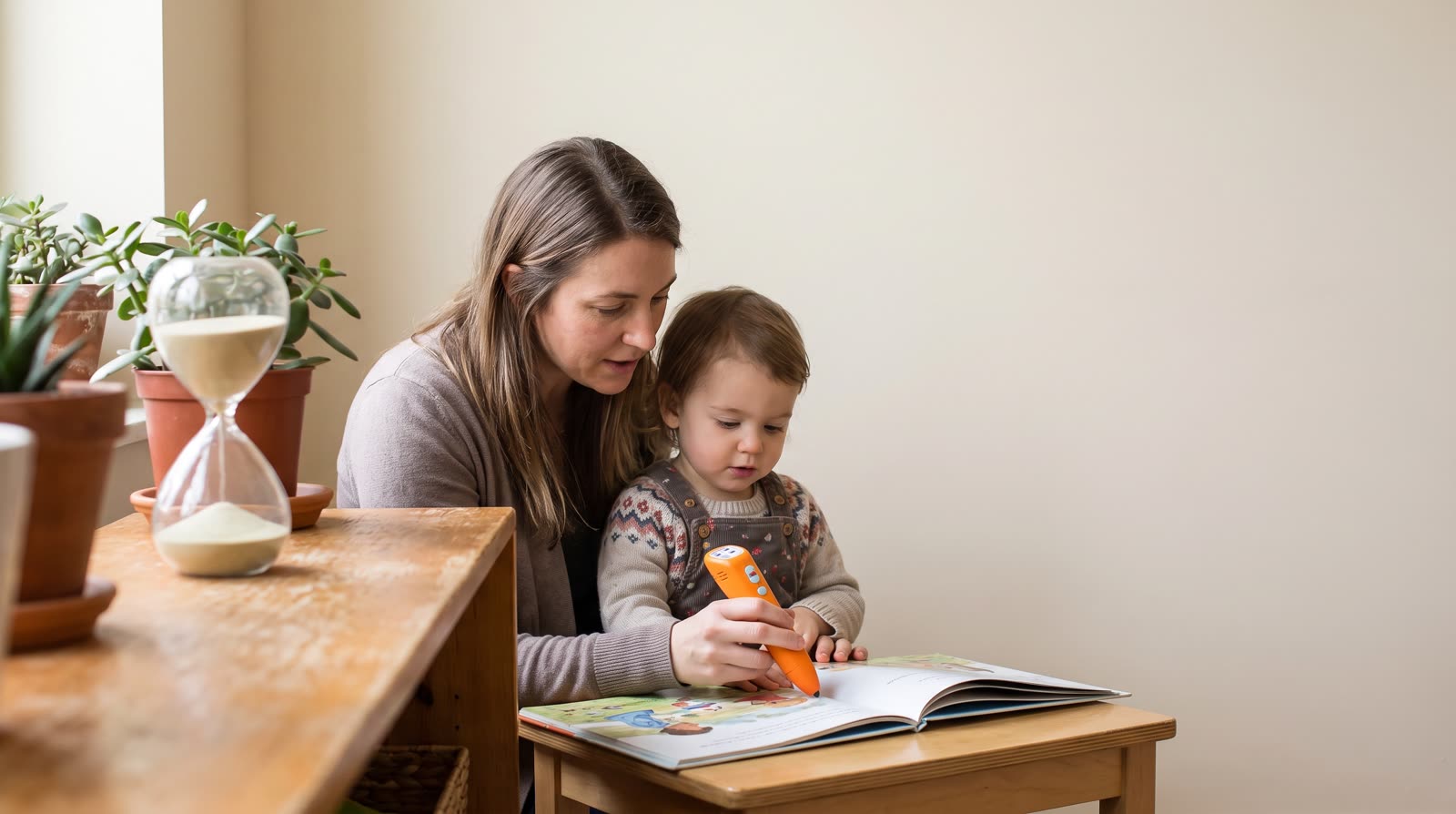
When children travel between home and the kindergarten classroom, their cognitive state shifts from structured routines to transitional mobility. During these periods, traditional book reading can be challenging due to motion, limited lighting, or unstable seating. Audio-tactile learning systems—specifically optical reading pens paired with coded picture books—bridge this gap by allowing children to independently decode text and illustrations through sound. The tactile feedback of holding an ergonomic pen and tapping specific book regions stimulates fine motor skills while reinforcing auditory processing. According to guidance from the American Academy of Pediatrics on early literacy, interactive engagement with responsive media supports phonological awareness when balanced with adult mediation and predictable routines (AAP Early Literacy Guidelines). For B2B distributors and educational institutions, sourcing robustly engineered talking pens ensures that the hardware withstands the mechanical stress of frequent transit without compromising audio fidelity or optical sensor calibration.
Parent-Educator Collaboration During Daily Commutes and Field Trips
Effective mobile learning relies heavily on synchronized communication between kindergarten educators and parents. When a classroom introduces a specific interactive picture book series, parents can be equipped with complementary travel kits for commutes or weekend journeys. This continuity reinforces classroom vocabulary and thematic units, transforming transit time into productive, low-pressure literacy practice. Educators should provide clear guidelines on which companion books match current curriculum milestones, while parents ensure that the device storage and battery levels are pre-checked before departure. By establishing a shared framework for mobile reading, schools can extend learning beyond physical classroom walls while respecting the child's need for relaxed, self-paced exploration during travel.
Practical Implementation Guidelines for Portable Reading Pen Kits
Pre-Transit Preparation: Selecting Compatible Books and Audio Files
Successful deployment of reading pen sets during travel requires systematic pre-planning. B2B wholesale buyers and school administrators should verify that companion books utilize standardized OID (Optical Identification) dot codes that correspond precisely with the pre-loaded firmware and audio files on the talking pen. Before setting out on a trip or school commute, parents and teachers should perform a verification check: ensure the correct language packs and audio directories are active, test the headphone jack or external speaker volume at safe listening levels, and secure the device within a protective storage case. Avoiding mismatched book editions and unverified audio downloads prevents technical frustration and ensures seamless, independent operation for young learners.
On-the-Go Engagement Strategies Without Screen Overload
Unlike tablets or smartphones that rely on glowing screens and fast-paced video animations, reading pen systems offer a tactile, screen-free alternative that minimizes visual fatigue during travel. To maximize engagement during transit, adults should encourage open-ended exploration rather than rigid quizzing. Asking children open-ended questions about what sounds they hear or what characters are depicted fosters critical thinking and conversational turn-taking. Furthermore, incorporating short 10-to-15-minute listening intervals prevents cognitive overload, aligning with recommendations from educational authorities on maintaining healthy attention spans in young children during travel.
ReadGlo project support
Explore B2B Catalog
Discover durable, travel-friendly talking pen and interactive picture book solutions for educational distributors and school programs.
Quality Assurance, Device Safety, and Maintenance During Travel
Physical Handling and Low-Risk External Inspection Guidelines
Mobile educational equipment is inherently exposed to environmental hazards such as dust, moisture, and accidental drops during transit. B2B partners sourcing hardware must prioritize durable ABS housing, drop-tested structural integrity, and smooth, child-safe exterior finishes. Users should perform regular low-risk external inspections: check the casing for cracks, ensure the optical sensor lens is clean and free of smudges, and verify that button responsiveness is consistent. Under no circumstances should users attempt to disassemble or modify the internal circuit board or optical reader. If a device exhibits physical damage, abnormal heating, or erratic behavior, operation must cease immediately, and the unit should be returned to authorized service channels for professional evaluation.
Battery Safety and Environmental Considerations in Transit
Portable talking pens typically utilize rechargeable lithium-ion or standard alkaline battery configurations. When traveling in vehicles, airplanes, or outdoor field trips, temperature extremes can affect battery stability. Users must avoid leaving electronic devices in direct sunlight on vehicle dashboards or in unventilated compartments. If a battery-powered device shows signs of swelling, chemical leakage, unusual odor, or thermal overheating during transit, immediately power off the unit, disconnect charging cables, and refrain from further use or charging. Adhering to Consumer Product Safety Commission (CPSC) guidelines for children's electronics ensures that safety standards are rigorously maintained across home, school, and travel environments.
Evaluating Vendor Specifications for Portable B2B Educational Kits
Assessing Audio Clarity, Durability, and Ergonomics for Young Learners
When institutional buyers and distributors select talking pen and picture book sets, technical evaluation must extend beyond basic feature lists. Ergonomic design is paramount: pens must feature a thick, easy-to-grip barrel suitable for small hands developing fine motor control. Audio output must feature high-definition digital sound processing with built-in volume limitation features to protect developing hearing. Durability testing—including drop resistance and connector life-cycle verification—ensures that the products endure the rigorous demands of daily transit between home and kindergarten classrooms.
Verifying Code Compatibility and Firmware Management across Devices
A critical technical requirement for B2B deployments is robust firmware stability and accurate OID code mapping. Educational publishers and device manufacturers must ensure that book printing plates and pen decoding software maintain strict version control. When schools distribute kits to parents for home-to-school transit, clear update protocols and reliable customer support channels prevent compatibility drift. Buyers should request comprehensive technical data sheets, sample evaluation units, and transparent warranty terms before committing to large-scale procurement.
Frequently Asked Questions
Are ReadGlo reading pens suitable for use in noisy transit environments like cars or airplanes?
Yes. ReadGlo talking pens feature adjustable volume controls and high-clarity internal speakers. For optimal listening in high-ambient-noise environments such as airplanes or buses, using compatible volume-limited children's headphones is recommended to ensure clear audio delivery without straining young ears.
How should parents and teachers ensure the reading pen matches the correct companion book during travel?
Every ReadGlo interactive picture book contains specific OID dot codes mapped to dedicated audio files. Prior to travel, users must ensure the corresponding audio folder is loaded onto the pen's internal memory or TF card. Always cross-check the book series title and edition code with the manufacturer's directory.
What safety precautions should be observed if a talking pen becomes wet during outdoor field trips?
If a device is exposed to moisture or liquid spills during transit, immediately power off the unit and remove any external storage cards or batteries if applicable. Do not attempt to charge the device. Allow it to air-dry completely in a well-ventilated area, and contact qualified manufacturer service channels if internal moisture or operational faults persist.
Can kindergarten educators customize audio content on ReadGlo pens for specific classroom travel projects?
ReadGlo provides flexible B2B customization options for educational partners, allowing authorized institutions to configure tailored audio files and multilingual packs that align with specific kindergarten curricula and travel learning modules.
Conclusion
Integrating interactive reading pen systems into the transition between home and kindergarten transforms ordinary travel time into enriching, self-directed learning experiences. By combining durable hardware engineering, intuitive optical decoding, and collaborative parent-educator communication, mobile learning kits foster early literacy without the drawbacks of traditional screen media. Educational distributors, school administrators, and brand partners seeking to source high-quality, travel-ready talking pen solutions can rely on ReadGlo’s rigorous quality standards, customizable audio frameworks, and commitment to safe, child-centered educational technology. Sourcing decisions should always involve thorough sample evaluation, verification of technical compatibility, and adherence to established safety and child development guidelines.
Continue your research
Related reading pen buyer guides
Use these related guides to compare the next product, content, sourcing or channel decision in your project.
- Early LearningBridging Home and Classroom: Integrating Interactive Reading Pens into Kindergarten Morning RoutinesRead this guide
- Early LearningHow Can Parents and Educators Use Reading Pen Books in Kindergarten Classrooms for 10-Minute Learning Breaks?Read this guide
- Early LearningBridging Kindergarten Classrooms and Home Bedtime Routines with Interactive Reading Pen BooksRead this guide
Continue with ReadGlo
See a DOT-code picture-book set designed for guided early-learning programs.
ReadGlo project support
Request Product Samples
Partner with ReadGlo to source customizable, high-grade interactive reading pen systems built for modern early childhood education.