
Contents
Introduction
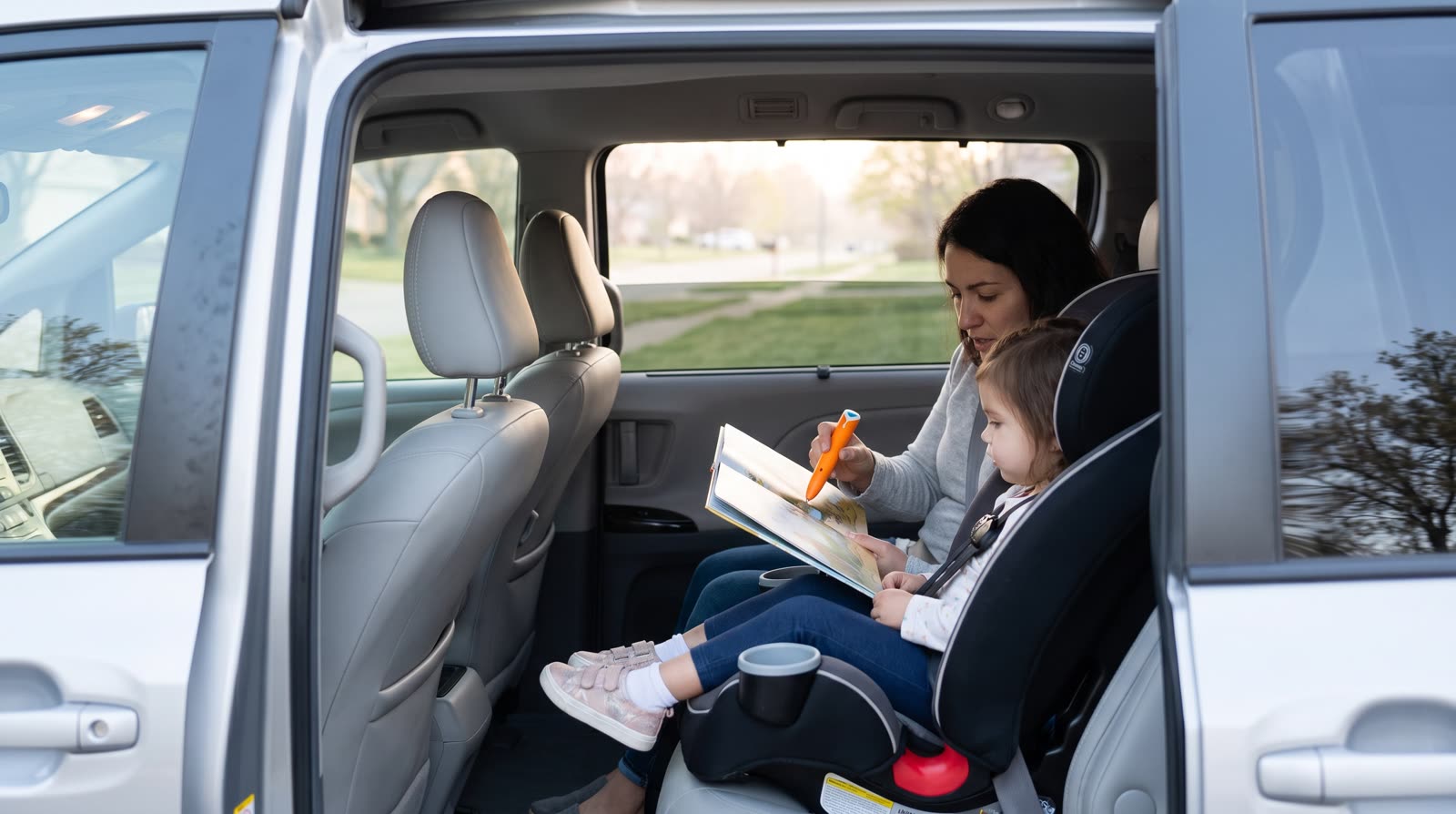
Integrating interactive reading pen books into mobile environments such as the family vehicle during morning routines requires a careful balance between educational engagement, ergonomic comfort, and passenger safety. For families navigating tight morning schedules, the transition from home to school or childcare presents a valuable window for language exposure and auditory learning. However, utilizing tactile and electronic tools inside a moving vehicle introduces distinct operational challenges that demand thoughtful planning by parents, educators, and product designers. This comprehensive guide explores evidence-based practices, safety protocols, and pedagogical frameworks for incorporating optical reading pens and accompanying audio books into automobile transit. Grounded in insights from child development literature and safety standards, this resource outlines how publishers, distributors, and families can optimize mobile literacy experiences without compromising safety or developmental appropriateness.
Understanding the Context of Mobile Literacy and Morning Transit
The Role of Morning Routines in Early Childhood Development
Morning routines establish emotional and cognitive preparedness for the day ahead. For young children, predictability and structured engagement help reduce transition anxiety and foster independence. When mobile transit forms a recurring part of this morning sequence, transforming travel time into a calm, structured literacy opportunity can reinforce listening comprehension and vocabulary retention. Unlike passive media consumption, such as video screens, interactive reading pens engage active motor-auditory loops where the child's touch directly triggers corresponding linguistic feedback. This active participation supports cognitive engagement even within the confined space of a car seat.
Balancing Engagement with Vehicle Safety Standards
Safety during transit is paramount. Regulatory bodies such as the Consumer Product Safety Commission (CPSC) emphasize that all items utilized inside a vehicle—particularly by children secured in car seats or booster seats—must be evaluated for projectile risks and physical safety. Reading pens and books used in cars must be lightweight, ergonomically manageable, and easily storable in seatback organizers or travel pouches when not actively in use. Parents must never allow loose, hard electronic devices or rigid books to become unsecured hazards during sudden stops or vehicular maneuvers. Establishing clear rules regarding when and how materials are accessed ensures that educational engagement remains entirely secondary to passenger safety.
Ergonomic and Practical Setup for Car-Based Reading
Organizing Materials for Restricted Spaces
The interior of an automobile offers limited space and restricted mobility, making physical organization critical. Parents utilizing reading pen systems in cars should implement dedicated storage solutions, such as over-seat organizers with secure pockets for both the talking pen and compatible spiral-bound or lay-flat board books. Because vehicle lighting can fluctuate depending on weather and time of day, selecting book layouts with high-contrast typography and matte paper finishes reduces glare, ensuring visual comfort. Furthermore, organizing single-book rotation systems prevents clutter and helps children focus on a single narrative thread during short transit windows.
Managing Audio Output and Sensory Environment
Automobile cabins present unique acoustic environments characterized by road noise, engine vibration, and ambient traffic sounds. To ensure that audio output from interactive reading pens remains intelligible without requiring excessive volume levels that could damage hearing or distract the driver, manufacturers and parents should prioritize devices equipped with directional speakers or compliant volume-limiting headphone accessories. Establishing appropriate volume thresholds protects auditory health while allowing children to clearly perceive phonemes, storytelling cadence, and interactive prompts. Parents should also monitor listening duration to prevent auditory fatigue during extended commutes.
Pedagogical Strategies for Guided Mobile Reading
Promoting Adult-Child Dialogue in Transit
While interactive reading pens provide independent auditory reinforcement through pre-recorded human-voice narration, the presence of an adult co-passenger significantly enhances learning outcomes. In car environments where the driver must remain focused on the road, an adult seated in the back or conversational engagement initiated from the front seat can transform solitary listening into shared dialogue. Parents can ask open-ended questions about sounds heard through the pen, connect story themes to passing scenery, or encourage children to predict what happens next in the narrative. This dual-channel reinforcement bridges independent tool usage with meaningful social interaction.
Structuring Time-Boxed Reading Sessions
Morning commutes vary widely in duration, typically ranging from ten minutes to an hour. Rather than maintaining continuous engagement throughout the entire trip, parents should structure reading activities into manageable time blocks aligned with traffic milestones or natural pauses in the journey. For instance, dedicating the first ten minutes of a longer drive to independent pen exploration, followed by a collaborative discussion period, maintains child interest and prevents cognitive overload. Setting clear boundaries around device usage also teaches children self-regulation regarding digital and electronic tools.
ReadGlo project support
Request a B2B Sample Kit
Explore ReadGlo's OEM and ODM interactive reading pen and picture book solutions tailored for global educational publishers and toy distributors.
Product Specifications and Selection Criteria for B2B Partners
Hardware Durability and Drop Resistance
For educational publishers, toy distributors, and institutional buyers seeking to source or develop mobile-friendly reading pen systems, hardware durability is a primary specification requirement. Car environments expose electronics to temperature fluctuations, potential drops onto hard floor mats, and rough handling. Sourcing reading pens constructed from high-impact, non-toxic ABS thermoplastics with reinforced optical sensor windows ensures long-term operational reliability. B2B buyers must review supplier quality control protocols, including drop testing standards and electronic component stress testing, to guarantee product safety and longevity.
Optical Code Precision and Book Binding Quality
The effectiveness of a reading pen relies entirely on the precise integration of optical dot codes (such as OID codes) printed alongside illustrations and text. In mobile settings where lighting is uneven and hand stability may be affected by vehicle motion, optical sensors must possess high scanning sensitivity capable of reading codes rapidly and accurately. Additionally, companion books intended for travel must feature robust binding—such as heavy-duty wire-o binding or thick board book construction—that withstands repeated folding, bending, and placement in vehicle storage pockets without degrading page integrity.
Safety Protocols, Maintenance, and Professional Consultation
Routine Inspection and Hardware Safety Guidelines
To maintain optimal safety during mobile usage, parents and caregivers must conduct routine external inspections of both the reading pen and accompanying books. Following guidelines established by organizations such as the Consumer Product Safety Commission (CPSC), users should inspect devices for cracked casings, loose battery compartments, or frayed charging cords. Under no circumstances should users attempt to disassemble electronic reading pens. If any device exhibits signs of moisture damage, unusual heat generation, battery swelling, or smoke, it must be powered off immediately, disconnected from power sources, and removed from the vehicle. Users should contact the manufacturer or authorized service channels for evaluation.
When and How to Consult Qualified Professionals
Interactive reading tools serve as valuable supplementary resources for language exposure and early literacy, but they are not diagnostic or therapeutic instruments. When parents or educators observe persistent challenges in a child's language development, auditory processing, or motor coordination during daily routines, they should consult qualified professionals such as pediatricians, speech-language pathologists, or early childhood educators. Organizations like the American Academy of Pediatrics (AAP) and Reading Rockets offer authoritative guidance on supporting healthy developmental milestones, ensuring that technological tools complement rather than replace expert educational and clinical support.
Frequently Asked Questions
Is it safe for children to use electronic reading pens inside a moving vehicle?
Yes, provided proper safety measures are observed. Reading pens and books must be lightweight, securely stored when not in use, and never allowed to become loose projectiles during transit. Parents must ensure devices comply with relevant children's product safety standards, such as those overseen by the CPSC, and supervise usage to maintain passenger safety.
How can parents prevent car sickness or sensory fatigue while using reading materials during morning commutes?
Sensory fatigue and motion discomfort can be mitigated by limiting reading sessions to short, structured time blocks (e.g., 10 to 15 minutes), ensuring adequate cabin ventilation, and encouraging children to look up at distant scenery between interactive segments. Selecting high-contrast books with clear audio also reduces cognitive strain.
What audio features should B2B buyers look for when sourcing reading pens for mobile environments?
Buyers should prioritize reading pens featuring high-clarity human-voice audio reproduction, adjustable volume controls with safe output thresholds, durable optical sensors capable of reading OID codes under variable lighting conditions, and robust rechargeable batteries or secure compartment designs that prevent accidental battery exposure.
How do reading pens support language development during daily transit routines?
Reading pens provide immediate auditory feedback when touched to text or illustrations, reinforcing phonemic awareness, vocabulary acquisition, and independent listening skills. When accompanied by adult conversational prompting, mobile reading sessions foster active linguistic engagement rather than passive listening.
What should a parent do if a reading pen shows signs of overheating or battery damage in the car?
Immediately stop using the device, disconnect it from any charging cables, and remove it from the vehicle. Never attempt to disassemble the casing. Contact the manufacturer or authorized service channels for professional inspection and replacement in accordance with safety guidelines.
Where can educators and parents find authoritative guidance on early childhood literacy and product safety?
Authoritative resources include the American Academy of Pediatrics (AAP) for early childhood development and literacy guidance (https://www.aap.org), the Consumer Product Safety Commission (CPSC) for product safety standards (https://www.cpsc.gov), and Reading Rockets for evidence-based reading strategies (https://www.readingrockets.org).
Conclusion
Incorporating interactive reading pen books into car-based morning routines offers a powerful opportunity to enrich early literacy, foster independent learning habits, and maximize transit time productively. By combining ergonomic organization, strict adherence to vehicle safety protocols, and thoughtful pedagogical guidance, parents and educators can create a balanced mobile learning environment. For B2B partners, publishers, and distributors, designing and sourcing high-durability hardware and precision optical reading systems ensures that children experience reliable, engaging, and safe literacy interactions wherever their daily journeys take them.
Continue your research
Related reading pen buyer guides
Use these related guides to compare the next product, content, sourcing or channel decision in your project.
- Early LearningBridging Home and Classroom: Integrating Interactive Reading Pens into Kindergarten Morning RoutinesRead this guide
- Early LearningHow Parents Can Use Reading Pen Books in the Car During Quiet Time: A Comprehensive B2B and Educational GuideRead this guide
- Early LearningBridging Home and Kindergarten: How Portable Reading Pen Systems Support Mobile Learning and TransitRead this guide
Continue with ReadGlo
See a DOT-code picture-book set designed for guided early-learning programs.
ReadGlo project support
Partner With ReadGlo
Contact our engineering and sales teams to discuss custom hardware specifications, audio encoding standards, and bespoke book manufacturing for your target market.