Contents
Introduction
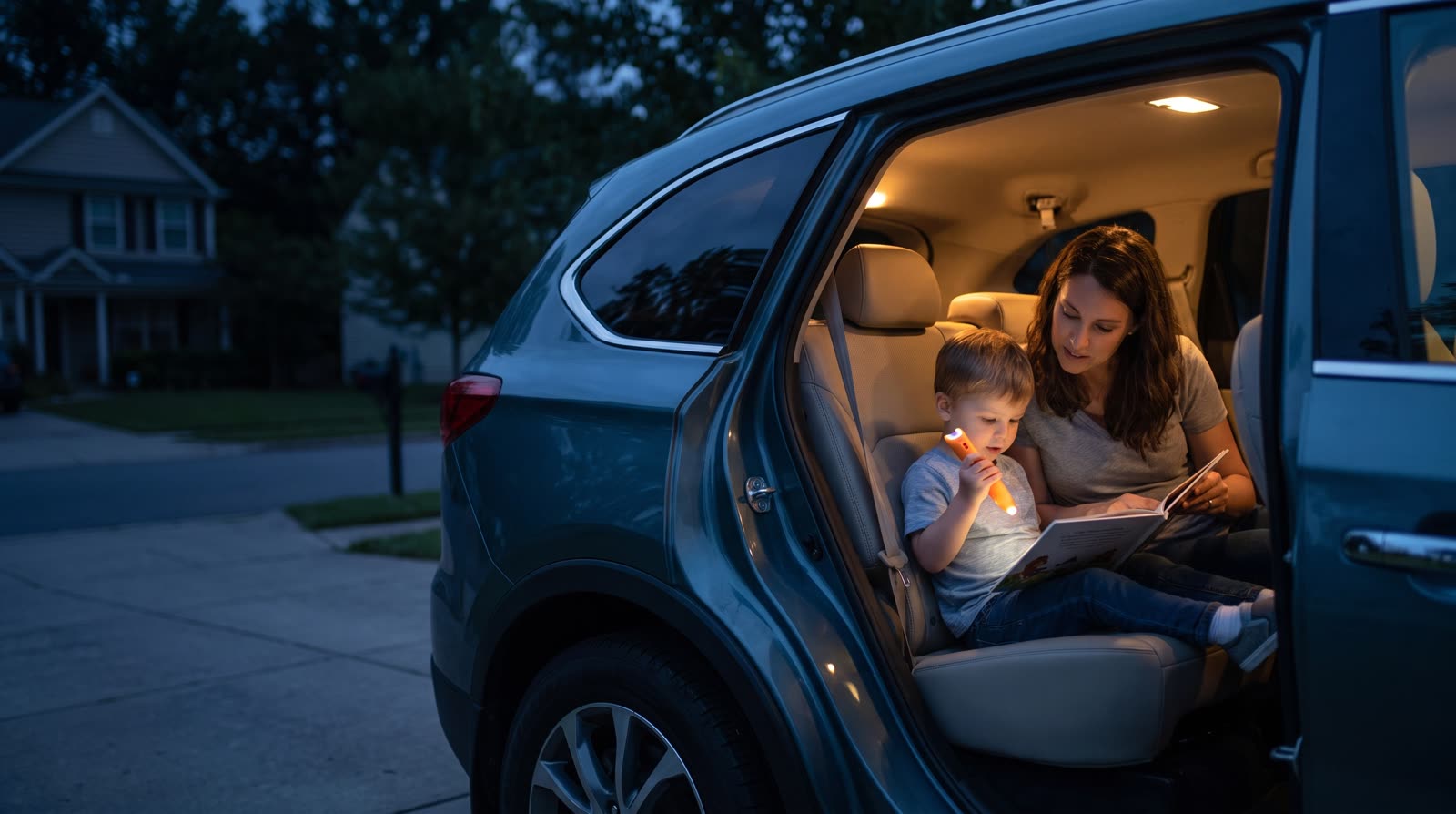
Evening commutes, late-afternoon returns from childcare, and extended family road trips often coincide with a child's natural wind-down window. When parents find themselves navigating traffic while children transition toward rest, maintaining a consistent bedtime routine becomes both a logistical challenge and an opportunity for meaningful literacy development. Traditional bedtime storytelling—relying on physical books and parental narration—faces obvious limitations inside a moving vehicle, where cabin lighting is subdued and the driver cannot physically hold or point to pages. Conversely, passive screen time on tablets or smartphones frequently overstimulates young minds with blue light and rapid visual transitions, disrupting circadian rhythms and sleep onset. In recent years, interactive reading pen sets and talking picture books have emerged as an effective, screen-free bridge for mobile environments. By combining tactile book exploration with optical character recognition audio playback, reading pens allow children to engage independently with stories using familiar tactile cues while preserving a calm, low-glare cabin atmosphere. However, successful in-car bedtime reading requires careful planning, adherence to product safety guidelines, and a structured approach that prioritizes relaxation over high-energy engagement. This guide explores practical frameworks for parents, educators, and B2B partners seeking to understand how interactive audio tools can support mobile bedtime routines safely and effectively.
Understanding Evening Commutes and Bedtime Transitions in Mobile Environments
The Psychological Role of Bedtime Routines During Travel
Transitioning from the active stimulation of school, daycare, or outdoor play into a relaxed state conducive to sleep is a delicate neurological process for young children. When children are strapped into car seats during dusk or evening hours, sensory deprivation or monotonous motor hums can sometimes cause restlessness, anxiety, or bedtime resistance. Establishing a predictable auditory routine inside the car helps signal to the child's brain that the day is winding down. Unlike radio broadcasts or generic adult music, interactive picture books combined with reading pens offer a familiar narrative anchor. As children listen to soft voice narrators, gentle sound effects, or soothing rhyming stories through the pen's speaker or connected headphone accessories, they experience a comforting sense of predictability. This auditory familiarity mirrors the cozy environment of a bedroom reading nook, transforming an otherwise sterile or stressful car cabin into an extension of the home sanctuary.
Screen-Free Audio vs. Screens: Why Talking Pens Support Calm Transitions
A central concern for modern parents and pediatric developmental specialists is the pervasive impact of digital screens on young children, particularly during evening hours. Pediatric guidelines consistently emphasize that exposure to glowing displays before sleep suppresses melatonin production and overstimulates the visual cortex, leading to fragmented sleep cycles and behavioral resistance. Interactive reading pens operate on an entirely different physiological paradigm. Because the visual focal point remains a physical, matte-paper picture book rather than an emitting backlight, the child's eyes are spared from direct glare. Furthermore, the tactile mechanics of holding the pen and touching specific optical codes on the page engage fine motor skills in a grounded, analog manner. This active participation prevents the mindless zoning-out often induced by video viewing, keeping the child cognitively engaged in storytelling while winding down physically.
Practical Setup and Safety Considerations for In-Car Reading
Securing Books and Managing Lighting Safely
Safety is paramount in any vehicle environment. In-car reading must never compromise driver visibility, passenger safety restraints, or emergency evacuation paths. Parents should organize materials using secure seatback organizers or compact storage caddies placed within the child's easy reach, preventing loose books or pens from becoming hazardous projectiles during sudden stops. Regarding illumination, cabin dome lights are often too bright or distracting for the driver at night. Instead, parents can utilize soft, warm-toned clip-on reading lights attached directly to the book binding or specialized low-intensity interior ambient lighting that illuminates only the lap area. Furthermore, parents must verify that the child is securely buckled in their certified car seat or booster seat, with book dimensions kept manageable so the child can hold them comfortably without straining or unbuckling restraints.
Device Care and CPSC-Aligned Product Safety Guidelines
Electrical and mechanical safety in portable children's electronics requires strict adherence to international standards. According to consumer safety guidelines established by organizations such as the Consumer Product Safety Commission (CPSC), caregivers must regularly inspect electronic devices for structural wear, battery compartment security, and cord integrity. Reading pens should never be charged inside a vehicle while in use by a child, and charging cables should be stored safely out of reach. Parents must strictly avoid attempting to disassemble, modify, or repair reading pens or internal lithium-ion battery packs. If a device exhibits abnormal heating, unusual odors, strange noises, swelling, or battery fluid leakage, use must be stopped immediately, and the unit should be disconnected and stored away from flammable materials. Regular exterior cleaning using slightly damp, lint-free microfiber cloths without harsh chemical solvents ensures hygienic use across shared family trips.
Step-by-Step Guide for Parents: Structuring the 15-Minute Car Bedtime Session
Phase 1: Pre-Trip Book Selection and Charging Check
Successful in-car bedtime reading begins before the engine starts. Parents should collaborate with the child to select one or two calm, familiar picture books rather than new, highly stimulating titles that invite energetic exploration. High-energy action stories or interactive puzzle books should be avoided in favor of gentle bedtime stories, lullaby collections, or nature-themed narratives featuring soft voice narration and slow pacing. Before departure, parents must verify that the reading pen is fully charged, volume levels are adjusted to a low, comfortable threshold (or paired with volume-limiting children's headphones), and optical sound files are correctly loaded onto the device's internal storage or micro-SD card. Preparing these elements in advance prevents mid-journey fumbling and maintains a tranquil cabin atmosphere.
Phase 2: Ambient Audio and Soft Narration on the Road
Once the vehicle is underway and stable, the bedtime session can commence. The parent or an older sibling can hand the reading pen and selected book to the child, encouraging them to listen to the introductory melody or soft narrative greeting. During transit, parents should guide the child toward passive listening and gentle touch exploration rather than rapid page-flipping or sound-triggering games. If the child grows tired, parents can take over the pen to read aloud or set the pen to continuous background audio mode, allowing the soothing voice narration to accompany the rhythmic motion of the car. It is essential to maintain an open dialogue, asking gentle open-ended questions about the story illustrations if the child is alert, or simply allowing them to drift off while listening to familiar refrains.
Phase 3: Post-Ride Wind-Down and Transition to Sleep
As the vehicle approaches its destination—whether arriving home from an evening trip or pulling into the driveway after a long journey—the reading session should conclude gracefully. Parents should signal the transition a few minutes in advance by prompting the child to bookmark their favorite page and dock the reading pen into its charging case or storage pouch. Abruptly snatching the book or pen away can trigger frustration; instead, framing the conclusion as a natural part of finishing the story helps ease the child into sleep mode. Upon exiting the vehicle, books and pens should be placed neatly into their designated travel bag to prevent loss or damage, ensuring they remain ready for the next reading routine.
ReadGlo project support
Get a Quote
Explore ReadGlo's premium talking pen and interactive book collections for your distribution or retail catalog.
Supporting Diverse Learning Needs and Multilingual Exposure on the Go
Engaging Children with Language Sensitivities or Reading Difficulties
For children with early reading difficulties, speech delays, or sensory processing sensitivities, mobile environments can sometimes amplify anxiety. Reading pens provide a patient, non-judgmental auditory companion that repeats words, sentences, or phonics sounds as many times as requested without parental fatigue. When utilizing talking books in the car for children with specific learning considerations, caregivers should select titles featuring slow repeat playback, clear enunciation, and uncluttered page layouts. It is important to emphasize that reading pens are supportive learning tools rather than medical or therapeutic diagnostic devices. Parents seeking specialized guidance for developmental language needs should consult qualified educators, speech-language pathologists, or pediatric specialists, drawing upon authoritative frameworks from organizations like Reading Rockets or the American Academy of Pediatrics (AAP).
Maintaining Consistency Across Home and Travel Environments
Consistency is a cornerstone of early childhood cognitive development and literacy acquisition. When children experience the same interactive book sets and reading pen voices across different settings—such as the home bedroom, the kindergarten classroom, and the family vehicle—their neurological familiarity with the material deepens. B2B educational buyers and retail brand partners designing talking book ecosystems must ensure seamless audio file compatibility between home editions and travel-sized companion bundles. By providing durable, spill-resistant board books and ergonomic, drop-tested reading pens, families to maintain uninterrupted reading habits regardless of location, reinforcing vocabulary retention and listening comprehension.
B2B Procurement and Educational Partner Insights for ReadGlo Products
Evaluating Audio Quality and Durability for Mobile Use
For wholesale distributors, educational publishers, and retail brands sourcing children's electronic learning aids, mobile durability and acoustic clarity are critical purchasing criteria. Car cabins and travel settings subject educational toys to temperature fluctuations, accidental drops, and rough handling. ReadGlo's manufacturing standards incorporate high-grade ABS thermoplastic enclosures, drop-resistant optical sensor lenses, and reinforced book bindings coated with matte anti-glare lamination. Furthermore, acoustic engineering must ensure crisp, distortion-free audio playback even against background vehicle vibrations and road noise, utilizing advanced speaker diaphragms and adjustable volume-limiting firmware to protect young ears.
Compliance, Safety Standards, and Distribution Opportunities
Global market expansion requires rigorous adherence to international toy safety and electronics compliance frameworks, including CE, RoHS, FCC, and ASTM F963 standards. B2B partners partnering with ReadGlo benefit from fully certified manufacturing lines, customized OEM/ODM sound firmware integration, and multi-language audio book production capabilities. As consumer demand for screen-free educational toys and travel-friendly literacy solutions continues to surge globally, stocking comprehensive reading pen bundles positions distributors to capture significant market share across retail, e-commerce, and institutional educational channels.
Frequently Asked Questions
Is it safe for young children to use reading pens inside a moving vehicle?
Yes, provided proper safety measures are observed. Children must remain securely buckled in certified car seats or booster restraints, and all materials should be organized in secure seatback caddies to prevent projectile hazards during sudden stops. Cabin lighting should be soft and non-distracting for the driver.
How can parents prevent car sickness when children read or listen to books in the car?
Motion sickness can occur when visual focus conflicts with vestibular motion. To minimize risk, encourage the child to alternate between looking at the book and gazing out the window or listening with eyes closed to the pen's audio narration. Keep ventilation adequate and avoid reading during winding or bumpy road segments.
What type of books and audio content work best for in-car bedtime reading?
Gentle bedtime stories, lullabies, calming nature tales, and predictable rhyming picture books with slow narration pacing work best. Avoid high-energy action stories, flashing lights, or complex puzzle books that stimulate alertness right before sleep.
How should reading pens and talking books be maintained after travel use?
After travel, inspect the reading pen for physical wear or dirt accumulation on the optical lens. Wipe down exterior surfaces with a slightly damp, lint-free microfiber cloth without chemical solvents. Store books and pens in a dry, temperature-controlled protective case away from direct sunlight.
What safety guidelines apply to charging reading pens used during travel?
Reading pens should never be charged inside a vehicle while in operation by a child. Always use certified charging cables, keep chargers out of reach, and immediately discontinue use if the device shows signs of abnormal heat, swelling, or odor, following CPSC recommendations.
Conclusion
Incorporating reading pen books into in-car bedtime routines offers a powerful, screen-free method to bridge the gap between active daytime learning and restful evening sleep. By prioritizing child safety, selecting appropriate calming audio content, and maintaining consistent travel habits, parents can transform routine commutes into valuable literacy milestones. For B2B partners, educators, and distributors, offering durable, certified, and acoustically optimized talking book systems addresses a rapidly growing consumer demand for portable educational tools that respect children's developmental needs.
Continue your research
Related reading pen buyer guides
Use these related guides to compare the next product, content, sourcing or channel decision in your project.
- Early LearningBridging Home and Classroom: Integrating Interactive Reading Pens into Kindergarten Morning RoutinesRead this guide
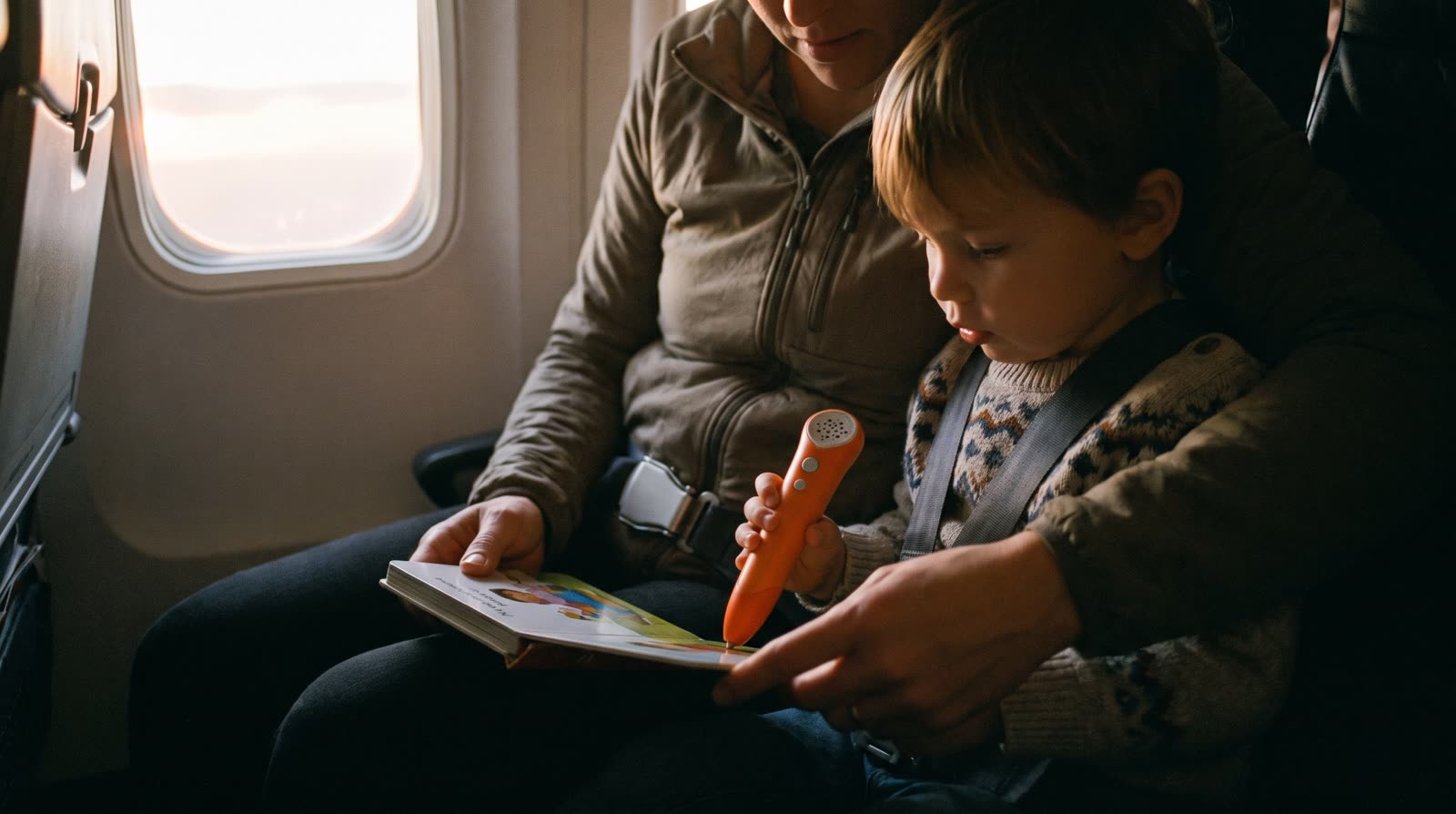
- Early LearningHow Parents Can Use Reading Pen Books on an Airplane During Morning RoutinesRead this guide
- Early LearningBridging Home and Kindergarten: How Portable Reading Pen Systems Support Mobile Learning and TransitRead this guide
Continue with ReadGlo
See a DOT-code picture-book set designed for guided early-learning programs.
ReadGlo project support
Contact Us
Partner with ReadGlo today to bring safe, engaging, screen-free reading tools to families worldwide.