Contents
Introduction
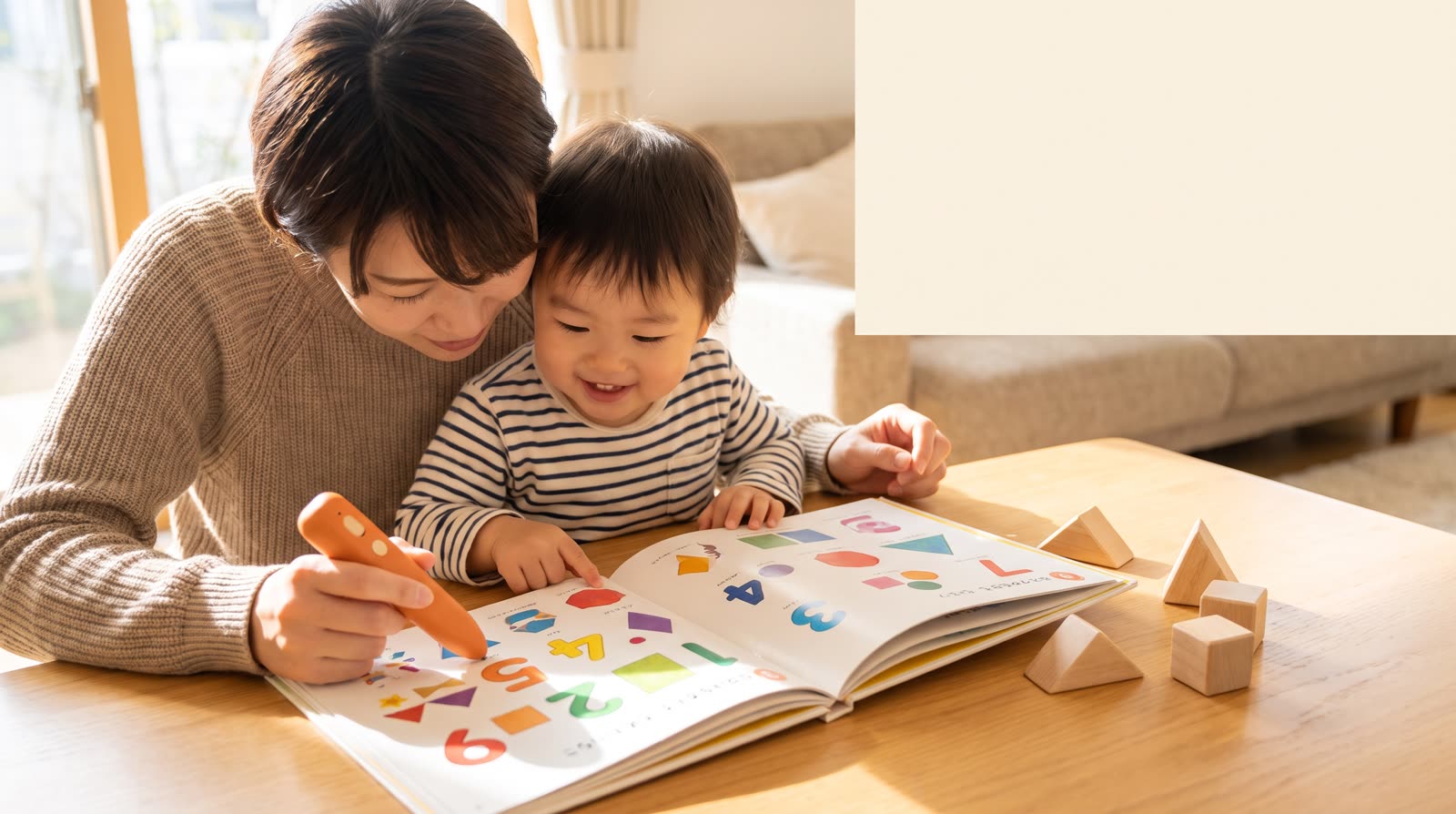
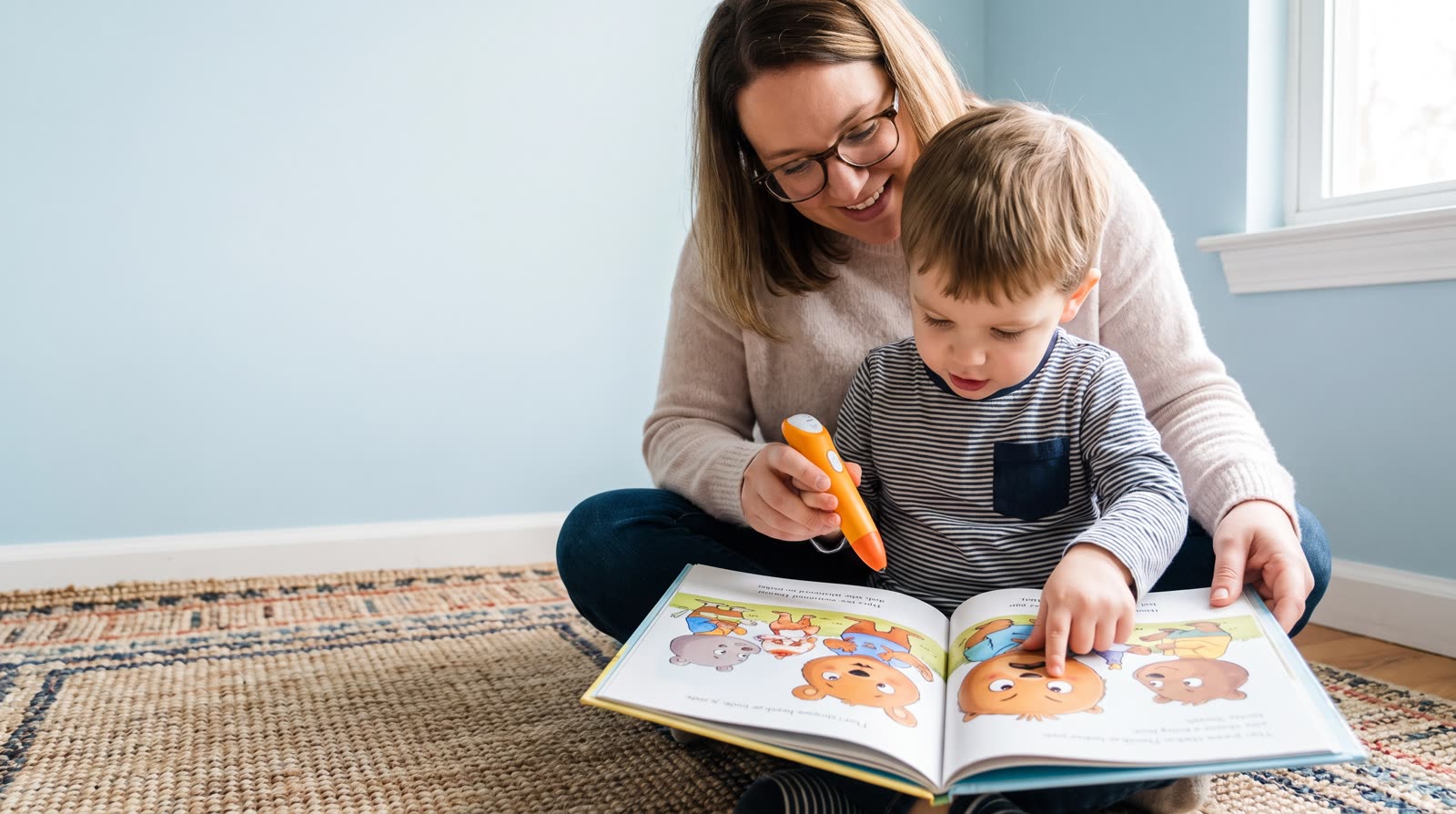
Selecting social-emotional learning (SEL) talking picture books and interactive audio pen sets for preschool preparation requires a meticulous balance of developmental psychology, audio-visual design, and rigorous manufacturing standards. When educational publishers, toy distributors, and preschool network buyers curate or commission these learning tools, the objective is to foster emotional literacy, self-regulation, and collaborative social skills in young children aged two to five. Unlike traditional picture books, talking book sets integrate optical identification (OID) dot codes, embedded microchips in audio pens, and multi-track sound files. Consequently, procurement decisions must evaluate not only narrative resonance and emotional framing but also technical reliability, acoustic clarity, and compliance with international child safety regulations. According to guidance from the American Academy of Pediatrics (AAP) on early childhood health and development, media and interactive tools are most effective when they complement active adult-child engagement and shared reading rather than substituting for human guidance. This guide provides international buyers, educators, and curriculum planners with an actionable framework for assessing, sourcing, and implementing preschool SEL talking book programs while upholding the highest standards of safety, quality, and developmental appropriateness.
Evaluating Pedagogical Frameworks for Preschool SEL Talking Books
Core Emotional Competencies in Early Childhood
Social-emotional learning during the preschool years forms the foundational architecture for emotional regulation, empathy, and collaborative interaction. When sourcing or designing talking picture books focused on SEL, buyers must ensure the content addresses key developmental milestones identified by early childhood educators and developmental psychologists. These competencies include recognizing basic emotions (happiness, sadness, frustration, anger, fear), understanding the internal and external triggers behind these emotions, and practicing appropriate coping mechanisms such as deep breathing, verbalizing feelings, or seeking adult assistance. Stories should present relatable scenarios—such as sharing toys, taking turns during group play, transitioning between daily activities, or coping with separation anxiety—allowing young learners to project their own experiences onto the characters. B2B buyers should review manuscript outlines and storyboards to verify that emotional themes are portrayed with nuance, avoiding oversimplified moralizing in favor of empathetic problem-solving models that encourage children to reflect rather than simply memorize correct behaviors. Furthermore, curriculum alignment should ensure that stories promote inclusivity, cultural diversity, and respect for varied emotional expressions across different family structures and cultural backgrounds. When evaluating manuscripts, procurement teams must verify that emotional dilemmas presented in the text reflect genuine preschool developmental challenges without introducing complex moral frameworks that exceed a four-year-old's cognitive capacity, ensuring that children can easily internalize the core messages during independent or guided reading sessions.
Aligning Audio Content with Preschool Developmental Milestones
The integration of audio via talking pens transforms static SEL narratives into interactive auditory experiences, but the auditory pacing must align with preschool cognitive processing capacities. Young children require clear articulation, moderate speech tempos, gentle intonation, and intentional pauses between spoken sentences to process emotional nuances. When reviewing audio samples from manufacturing partners, quality assurance teams should check that character dialogue conveys authentic emotional expression without resorting to shrill or startling sound effects that might overwhelm children with sensory sensitivities. Furthermore, interactive audio prompts should encourage active participation—such as asking the child how a character might feel next or prompting them to practice a calming breathing exercise alongside the narrator. Publishers and distributors must verify that audio scripts are reviewed by qualified early childhood educators or developmental specialists to ensure vocabulary remains accessible, age-appropriate, and supportive of receptive and expressive language growth. Audio files must also be structured to support multi-step interactions where children can tap individual characters, background objects, or narration text to hear distinct layers of storytelling, reinforcing auditory discrimination and independent exploration. In addition, multi-language audio encoding allows bilingual families and multicultural preschools to switch effortlessly between language tracks, supporting dual-language acquisition without compromising emotional resonance.
Technical and Audio Specifications for Talking Pen Integration
Optical Identification (OID) Code Density and Page Layout
The technical backbone of any talking book system relies on Optical Identification (OID) technology, where microscopic dot patterns are printed alongside or beneath visual illustrations. For preschool SEL books, maintaining a harmonious balance between visual aesthetics and scannability is critical. OID codes must be printed with high-precision offset or digital presses using specialized carbon or invisible infrared-absorbing inks that do not distract from the visual warmth of watercolor, vector, or photographic illustrations. During sample evaluation, procurement managers must test the scanning reliability of the optical sensor across various paper textures, matte finishes, and color saturation levels. A high-quality talking book set ensures that the pen registers taps instantly and accurately across all interactive hotspots without requiring excessive pressure or awkward scanning angles, which can cause frustration for developing toddlers and preschoolers. Manufacturing specifications must detail dot contrast ratios, maximum allowable dot density, and anti-interference parameters to prevent misreads caused by page glare or ambient lighting variations in home and classroom environments. Quality control engineers must conduct rigorous sample scans across 100% of production runs to ensure zero dead spots or unencoded hotspots that could disrupt the interactive learning experience.
Voice Narration Quality, Pacing, and Sound Effects
Acoustic quality directly impacts the educational value and listening comfort of talking pen systems. Manufacturers must utilize professional voice actors who can portray emotional depth, warmth, and steady pacing suited for young listeners. Audio compression formats (such as high-bitrate MP3 or WAV storage on internal flash memory) must be optimized to eliminate static background noise, digital distortion, or abrupt audio clipping. For SEL books, sound effects should be subtle and contextual—such as rustling leaves, gentle footsteps, or soft sighs—rather than loud, jarring noises that startle children or distract from the emotional core of the story. Buyers should establish strict audio specification benchmarks during contract negotiations, requiring sample batch testing for frequency response, speaker output clarity, and maximum volume limitation to safeguard young ears. Additionally, talking pen hardware should feature adjustable volume settings with parental or teacher lockout controls to ensure listening levels comply with recommended decibel safety thresholds for early childhood hearing health. Internal flash memory must also provide sufficient capacity to accommodate expandable book libraries and firmware updates without audio degradation.
ReadGlo project support
Send Your Requirements
Looking to source custom social-emotional learning talking books and audio pens for your preschool distribution network? Share your specifications and volume targets with our engineering team.
Quality Control, Material Safety, and Procurement Standards for B2B Buyers
Material Safety, Non-Toxic Inks, and Rounded Edges
Children's products destined for preschool environments and retail markets must adhere to stringent international safety standards. B2B buyers must require comprehensive compliance documentation and independent laboratory test reports for all components of talking book sets, including paper stocks, board book bindings, binding glues, soy-based or non-toxic printing inks, and plastic pen casings. According to safety guidelines issued by the Consumer Product Safety Commission (CPSC) regarding children's products (accessible via the CPSC Business Education portal at https://www.cpsc.gov/Business--Manufacturing/Business-Education/Childrens-Products), materials must be free from harmful heavy metals, phthalates, and restricted chemical substances. Furthermore, board books must feature smooth, rounded corners to prevent paper cuts or impact injuries, while talking pens must incorporate secure battery compartments fastened with tamper-resistant screws to prevent accidental ingestion of small parts by young children. Sourcing contracts should explicitly mandate third-party lab verification (such as SGS, Intertek, or TüV Rheinland) for every production batch to ensure continuous compliance with global chemical and mechanical safety directives, protecting both end-users and brand reputation across international markets.
Pre-Shipment Sample Review and Functional Testing Protocols
Before finalizing bulk manufacturing orders, professional buyers must implement a systematic pre-shipment inspection and functional testing protocol. This process involves evaluating Golden Samples against approved design specifications, checking color fidelity, verifying page durability (such as tear-resistant coatings and heavy-weight greyboard for board books), and testing electronic components. Functional checks must include verifying USB charging port durability, battery lifespan under continuous playback, memory capacity for audio files, and drop-resistance of the talking pen housing. Establishing clear Acceptance Quality Limit (AQL) standards with manufacturing partners ensures that any defects in OID code readability, audio synchronization, or structural integrity are identified and resolved prior to mass production and international freight forwarding. Buyers should also audit factory packaging lines to ensure that book bundles and pens are shrink-wrapped and cushioned adequately to withstand transit stress without incurring moisture damage or electronic component shock. Comprehensive pre-shipment documentation review guarantees that all export shipments meet regulatory import requirements in destination markets.
Implementing SEL Talking Books in Preschool and Home Environments
Guided Adult-Child Interaction Strategies
The educational efficacy of talking picture books is amplified significantly when adults—whether preschool teachers, childcare providers, or parents—actively participate in the reading experience. Rather than treating the talking pen as an independent babysitting device, educators should use the audio prompts as conversation starters. After a page is read aloud by the pen, adults can pause to ask open-ended questions: 'Why do you think the bear felt overwhelmed when his blocks fell over?' or 'What can we do when we feel frustrated like Leo in the story?' This scaffolding helps bridge abstract emotional concepts into concrete, actionable emotional vocabulary. Teachers can integrate SEL talking book stations into daily circle time or quiet reading corners, allowing children to explore stories independently while providing structured group discussions afterward. This balanced approach ensures that children develop both autonomous exploration skills and strong interpersonal communication capacities through guided dialogue, fostering a supportive community of learners within the classroom environment.
Collaboration with Educators and Special Support Professionals
When implementing SEL talking book curricula across preschool networks or institutional settings, stakeholders must recognize the operational boundaries of interactive educational tools. Talking pens and structured books serve as valuable supplementary resources for emotional literacy and language development; however, they do not diagnose, treat, or remediate neurodevelopmental conditions, severe behavioral challenges, or clinical learning difficulties. When educators or parents observe persistent emotional distress, atypical withdrawal, or communication barriers in a child, protocols should be in place to consult qualified educational psychologists, pediatricians, or developmental specialists. Collaborating with professionals ensures that children receive comprehensive support tailored to their individual needs, positioning talking book media as a supportive adjunct within a holistic care and educational ecosystem. Buyers and program administrators should provide professional development workshops for teachers on how to observe student engagement, interpret behavioral cues, and establish seamless referral pathways when professional intervention is required.
Frequently Asked Questions
What age group is best suited for social-emotional learning talking picture books?
SEL talking picture books are generally designed for children aged 2 to 5 years old (toddlers and preschoolers). At this developmental stage, children are actively learning to identify emotions, manage impulses, and navigate early social interactions with peers. Content complexity, sentence length, and tactile features should be tailored to match the fine motor skills and attention spans of this age bracket.
How do I verify that talking pens and books from a manufacturer are compatible and reliable?
Buyers should request physical pre-production samples to test OID code scanning accuracy across all book pages. Ensure the manufacturer uses standardized optical dot encoding algorithms, rigorous firmware testing, and strict quality control protocols. Confirm that books and pens are sold as integrated, tested sets to avoid synchronization or firmware mismatch issues.
What safety certifications and standards should I look for when sourcing children's talking books?
Sourcing partners should comply with major international toy and book safety standards, including CPSC regulations in the United States, EN71 in Europe, and ASTM F963 standards. Ensure materials use non-toxic, eco-friendly soy inks, durable non-tear paper coatings, secure battery compartments with screw locks, and rounded safety edges.
Can talking books support bilingual or multilingual preschool classrooms?
Yes. Many advanced talking pen systems support multi-language firmware and dual-audio book encoding. By tapping different language icons on the book page, children can hear narratives and emotional vocabulary in two different languages, making them ideal for bilingual immersion preschools and multicultural educational markets.
How should educational institutions handle product care and maintenance for shared talking pens?
For shared classroom environments, establish clear hygiene and storage protocols. Instruct staff to clean pen exteriors with soft, slightly damp microfiber cloths without using harsh chemical solvents or submerging devices in liquid. Store talking pens in designated charging docks or protective cases, and advise users never to attempt disassembling or repairing electronic components independently.
Conclusion
Choosing new social-emotional learning talking picture books and audio pen systems for preschool preparation is a strategic investment in early childhood development. By prioritizing rigorous pedagogical alignment, flawless OID optical technology, uncompromising material safety, and structured adult-child guidance, B2B buyers, distributors, and educators can deliver impactful, engaging, and safe learning tools. As highlighted by Google's content standards for helpful, people-first publishing (https://developers.google.com/search/docs/fundamentals/creating-helpful-content) and early literacy frameworks from the American Academy of Pediatrics (https://www.aap.org/en/patient-care/early-childhood/early-childhood-health-and-development/early-literacy/), educational media succeeds when it empowers human connection, emotional awareness, and collaborative learning. We invite educational publishers, distributors, and institutional buyers to partner with ReadGlo for bespoke talking book manufacturing, comprehensive OID integration, and certified safety standards.
Continue your research
Related reading pen buyer guides
Use these related guides to compare the next product, content, sourcing or channel decision in your project.
- Picture BooksEvaluating and Selecting Science and Nature Talking Picture Books for Older Children: A Comprehensive B2B Buyer and Publisher GuideRead this guide
- Picture BooksHow Do I Choose New Talking Picture Books About Social-Emotional Learning to Support Bilingual Learning?Read this guide
- Picture BooksHow Do I Choose New Talking Picture Books About Early Math to Expand Vocabulary?Read this guide
Continue with ReadGlo
See product specifications and request model-specific documentation.
ReadGlo project support
Get a Quote
Request our complete product catalog, sample evaluation kits, and custom OEM/ODM manufacturing terms for ReadGlo talking pens and interactive picture books today.