Contents
Introduction
For educational publishers, school distributors, and brand owners entering or expanding within the early childhood literacy sector, investing in bilingual talking book bundles represents a strategic yet complex financial commitment. As global demand for dual-language learning tools accelerates—driven by multicultural demographics and early cognitive development research emphasized by organizations such as the American Academy of Pediatrics [2]—decision-makers frequently confront a critical procurement dilemma: How much should one actually spend on a bilingual talking book bundle to ensure commercial viability, classroom durability, and uncompromised educational value? Unlike general consumer electronics or traditional printed books, a bilingual talking book bundle integrates sophisticated optoelectronic hardware (the reading pen equipped with optical CMOS sensors and microcontrollers) with specialized interactive print media embedded with Optical Identification (OID) dot codes. Determining the optimal budget requires a nuanced understanding of total cost architecture, minimum order quantities (MOQs), audio localization expenses, regulatory compliance standards, and long-term product lifecycle management. This comprehensive sourcing guide is designed for B2B buyers, category managers, and educational procurement specialists seeking to navigate pricing tiers, evaluate supplier cost drivers, and establish an effective budget aligned with market positioning and quality expectations.
1. Understanding the Total Cost Architecture of Bilingual Talking Book Bundles
1.1 Hardware Components: Talking Pen Microcontrollers, Sensors, and Memory
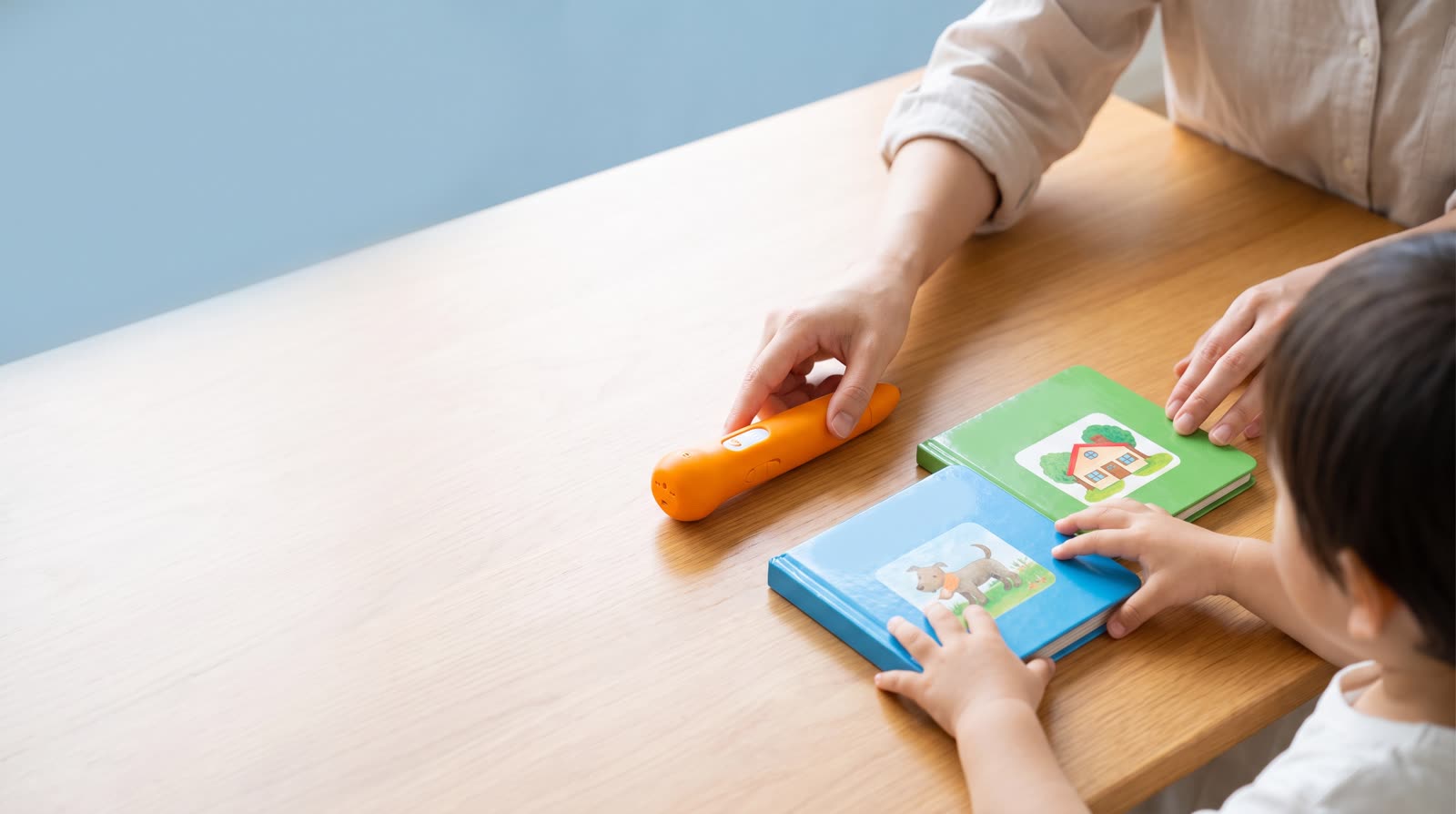
The foundational cost driver of any talking book bundle is the reading pen hardware. Within the B2B manufacturing ecosystem, pen pricing is dictated by the bill of materials (BOM), specifically the optical sensor module, MCU (microcontroller unit), speaker acoustic chamber, and internal flash memory. Entry-level pens typically utilize low-cost optical sensors and 4GB to 8GB of flash storage, adequate for basic audio playback in two languages. However, mid-range and premium configurations incorporate high-definition optical recognition lenses capable of reading dense OID dot codes at high speeds, paired with 16GB or 32GB flash memory to store extensive multi-language audio libraries, songs, and interactive games. Furthermore, acoustic quality relies heavily on the speaker driver and internal cavity design; investing in superior audio components ensures clear, natural-sounding bilingual pronunciation, which is paramount for language acquisition and phonetic training. Procurement teams must analyze whether their target market demands rechargeable lithium-ion battery systems with smart power management or simpler alkaline battery compartments, as power architecture significantly influences unit manufacturing costs and perceived product value.
1.2 Printed Material & OID Dot-Code Technology
The interactive book component introduces specialized printing requirements that distinguish educational talking bundles from standard commercial publications. OID dot-code technology—invisible or semi-visible patterns printed alongside or beneath CMYK artwork—allows the optical sensor in the reading pen to instantly decode page coordinates and trigger corresponding audio files. Producing OID-enabled books requires specialized prepress digital processing, proprietary dot-code generation software licensing, and rigorous press calibration to ensure dot fidelity across various paper stocks and matte or gloss laminate finishes. Budget planning must account for preprint data preparation, specialized varnish treatments to prevent glare that disrupts optical scanning, and durable binding methods such as Smyth sewing or heavy-duty wire-o binding capable of withstanding rigorous daily handling by young children in home or classroom environments. Sourcing managers should verify that potential manufacturing partners possess proven technical expertise in integrating high-precision OID printing without inflating unit costs through excessive reprint waste or scanning error rates.
1.3 Audio Production, Localization, and Licensing
Beyond physical components, bilingual talking book bundles incur substantial upstream investments in professional audio production and localization. Delivering authentic bilingual content—such as English paired with Spanish, Mandarin, French, or Arabic—requires hiring native-speaking voice actors, professional recording studio engineers, and experienced instructional designers to ensure culturally appropriate phrasing, accurate phonetics, and engaging narrative pacing. Audio localization is not a mere literal translation; it involves adapting interactive dialogues, songs, and comprehension prompts to match the cognitive and linguistic developmental stages of early learners. B2B buyers must evaluate whether audio files are supplied turnkey by the licensor or developed collaboratively with the manufacturer. Initial audio studio sessions, script adaptation, multi-track mixing, and firmware compilation represent fixed overhead costs that must be amortized across projected production volumes, directly impacting the per-unit cost structure at varying order scales.
2. Market Tier Breakdown: What You Get at Different Budget Levels
2.1 Entry-Level Educational Bundles (Basic Functionality & Mass Distribution)
Entry-level bilingual talking book bundles are engineered for mass-market retail, promotional distribution, or developing regional markets where price sensitivity is paramount. At this tier, the focus is on core functionality: a basic ABS plastic reading pen with 4GB storage, single-speaker output, standard optical resolution, and a softcover or saddle-stitched interactive book bundle containing two languages. While these bundles provide essential interactive reading experiences, they often feature simpler packaging, standard non-rechargeable or basic rechargeable battery cells, and pre-compiled stock audio libraries with limited customization potential. B2B buyers opting for entry-level tiers must maintain rigorous incoming quality control (IQC) protocols to ensure optical scanning consistency and mechanical drop-test durability, as lower-cost plastics and sensors may exhibit higher variance. Educational institutions and volume importers frequently deploy this tier for large-scale literacy outreach programs where low per-unit acquisition cost is the primary metric of success.
2.2 Mid-Range Professional Bundles (Enhanced Audio, Rechargeable Batteries & Durable Binding)
Representing the sweet spot for specialty toy retailers, school book fairs, and independent educational distributors, mid-range bilingual bundles balance advanced features with commercial viability. Pens in this category generally feature 8GB to 16GB of flash memory, built-in rechargeable lithium polymer batteries with USB-C charging interfaces, improved acoustic chambers for warm, distortion-free vocal output, and durable tactile buttons. The accompanying interactive books are typically printed on high-grade, eco-friendly paper stocks with robust hardcover bindings or board book formats coated with anti-scratch matte lamination. This tier allows B2B buyers to offer customized boot screens, branded packaging, multi-level interactive games embedded in the book margins, and localized voice prompts. Pricing at this level reflects higher component durability, compliance testing for broader international safety standards, and enhanced user experience design that fosters sustained child engagement.
2.3 Premium Institutional Bundles (Multi-Language Switching, Bluetooth, High-Capacity Storage & Custom UI)
Premium institutional and high-end retail bundles target specialized language academies, international schools, and affluent consumer segments willing to invest heavily in premium educational technology. These sophisticated packages often incorporate advanced connectivity features such as Bluetooth synchronization for companion mobile apps, OTA (over-the-air) firmware updates, 32GB storage capacity supporting three or more languages simultaneously, and smart headphone jacks for classroom listening stations. The physical books are crafted as luxury boxed sets featuring specialty embossing, heavy-grade board pages, comprehensive teacher guides, and supplementary sticker or flashcard sets. Sourcing at the premium tier involves close collaboration with manufacturers on custom UI/UX design, proprietary software encryption for secure content downloading, and comprehensive regulatory certifications. While initial capital outlay and minimum order thresholds are significantly higher, premium bundles yield higher profit margins and establish strong brand differentiation in competitive global markets.
ReadGlo project support
Get a Custom B2B Quote
Looking to source reliable bilingual talking book bundles tailored to your curriculum and market? Contact ReadGlo's engineering and export team for detailed specification sheets and sample evaluations.
3. Key Cost Drivers and Procurement Variables for B2B Buyers
3.1 Minimum Order Quantities (MOQs) and Economies of Scale
In the manufacturing of electronic educational toys and interactive books, Minimum Order Quantities (MOQs) exert a profound influence on unit economics and overall budget allocation. Tooling amortization, custom injection mold setup for pen shells, customized OID printing plate setup, and firmware flashing all entail fixed upfront costs. Consequently, ordering small pilot batches (e.g., 500 to 1,000 units) results in substantially higher unit costs compared to volume production runs exceeding 5,000 or 10,000 units. B2B procurement managers must carefully evaluate their inventory holding costs, warehouse capacities, and projected sell-through rates against supplier MOQ tiers. Negotiating flexible delivery schedules, phased production releases, or standardized pen body designs paired with customized book inserts can help mitigate financial risk while capturing favorable volume pricing.
3.2 Regulatory Compliance and Safety Testing Investments
Children's electronic educational products are subject to stringent international safety regulations to protect young users from chemical, mechanical, and electrical hazards. Budgeting for compliance is non-negotiable for responsible importers and brand owners. Depending on target export markets, products must comply with standards such as ASTM F963 and CPSIA in North America, EN71 (Parts 1, 2, 3, and 9) and CE-EMC/RoHS directives in the European Union, and regional certifications in Asia-Pacific and the Middle East. Compliance testing covers heavy metal content in printing inks, phthalate limits in plastics, battery safety circuits, choking hazard dimensions, and electromagnetic compatibility. Sourcing budgets must explicitly allocate funds for third-party laboratory testing (e.g., SGS, Intertek, TÜV) and factory audit verifications, ensuring that low initial component quotes do not mask non-compliant materials that could lead to costly customs detentions or product recalls.
3.3 Packaging, Accessories, and Logistic Overhead
The physical presentation and unboxing experience of a bilingual talking book bundle contribute significantly to retail success and institutional acceptance, yet they are frequently underestimated during initial budgeting. Packaging design must protect delicate electronic pens and heavy book volumes during international transit while communicating educational value on retail shelves. Premium magnetic-closure gift boxes, molded pulp inserts, USB charging cables, multilingual quick-start guides, and warranty cards add tangible cost to the BOM and increase volumetric weight, which directly impacts ocean or air freight shipping expenses. Procurement specialists must calculate landed costs—incorporating factory ex-works pricing, export documentation, international freight, customs tariffs, and local warehousing—to establish a realistic total budget for each shipment batch.
4. A Step-by-Step Framework for Calculating ROI and Setting Your Budget
4.1 Defining Target End-User Demographics and Retail Price Points
Establishing an optimal budget begins with backward market analysis: determining the target retail price point (RRP) or institutional procurement ceiling based on competitive landscape research and customer purchasing power. For instance, if retail market analysis indicates a strong demand for a bilingual reading bundle priced between $49.99 and $79.99, wholesale buyers must work backward using standard retail margin structures (typically 50% to 60% gross margin for retail channels, or 25% to 35% for institutional distribution) to calculate the allowable target FOB (Free On Board) cost. This targeted FOB cost serves as the financial boundary when evaluating manufacturer quotations, ensuring that every component—from the pen sensor to the book binding—is specified to hit the required profitability threshold without compromising safety or educational integrity.
4.2 Assessing Supplier Quotations and Total Cost of Ownership (TCO)
When comparing manufacturer quotations, B2B buyers must look beyond the base unit price to calculate the Total Cost of Ownership (TCO). A seemingly inexpensive supplier quotation may omit essential quality assurances, robust packaging, or comprehensive technical support for audio firmware compilation, leading to hidden downstream expenses such as high defect rates, customer service overhead, or expensive returns. Procurement teams should request transparent BOM breakdowns detailing pen hardware specifications, paper grammage, ink types, battery certifications, and packaging materials. Evaluating suppliers based on their quality management systems (such as ISO 9001 certification), social compliance audits (such as BSCI or Sedex), and engineering responsiveness provides a holistic view of true manufacturing value.
4.3 Quality Assurance and Sample Evaluation Protocols
Before committing bulk capital to a production run, allocating budget for physical sample prototyping and rigorous pre-production testing is essential. Sourcing managers should commission golden samples that undergo comprehensive evaluation: testing OID dot-code reading accuracy under various lighting conditions, measuring audio playback latency and speaker clarity, verifying battery charge stability, and confirming that book paper withstands repeated page-turning and moisture exposure. Establishing clear quality acceptance criteria (such as Acceptable Quality Limit - AQL 2.5/4.0 standards) in the formal supply contract protects the buyer's financial investment and guarantees that mass-produced bilingual talking book bundles meet exact specifications [1].
Frequently Asked Questions
How do MOQ thresholds impact the unit cost of bilingual talking book bundles?
Minimum Order Quantities (MOQs) directly affect unit pricing because fixed tooling costs, custom injection molds, OID printing plate setups, and firmware flashing are amortized over the total production volume. Larger production runs (e.g., 5,000+ units) significantly lower the per-unit cost compared to small pilot batches.
What safety standards and compliance tests should B2B buyers budget for?
Depending on the destination market, buyers must budget for safety standards such as ASTM F963 and CPSIA in North America, and EN71 (Parts 1, 2, 3) and RoHS/CE directives in Europe. Testing covers mechanical safety, heavy metal inks, phthalates, and electrical circuit integrity.
How does optical dot-code (OID) printing affect book printing costs?
OID dot-code printing requires specialized digital prepress processing, proprietary dot-code software licensing, and precise press calibration. It also necessitates specialized varnishes or matte lamination to eliminate optical glare, slightly increasing preprint and paper substrate expenses.
When should educational publishers upgrade from 8GB to 16GB or 32GB flash memory pens?
Publishers should upgrade flash memory capacity when expanding bundles to include three or more languages simultaneously, extensive interactive music libraries, multi-level comprehension games, or software-driven recording features that require substantial onboard data storage.
How can importers verify supplier audio quality and firmware stability before bulk orders?
Importers should request pre-production golden samples for rigorous physical and functional testing, evaluating OID scanning responsiveness under varied lighting, acoustic distortion levels at maximum volume, battery charging stability, and software compatibility.
Conclusion
Determining how much to spend on a bilingual talking book bundle is a strategic exercise that transcends simple cost-cutting. By carefully analyzing component BOM structures—spanning optical sensor quality, OID dot-code precision, audio localization, and flash memory capacity—B2B buyers can align their budgets with specific market tiers, from mass-distribution entry-level packages to premium institutional toolkits. Incorporating robust regulatory compliance, thoughtful packaging, and rigorous sample evaluation into the procurement framework ensures long-term commercial success and educational impact. For educational publishers and distributors seeking reliable manufacturing partnerships, collaborating with experienced suppliers like ReadGlo enables customized, high-quality, and cost-effective bilingual learning solutions tailored to global markets.
Continue your research
Related reading pen buyer guides
Use these related guides to compare the next product, content, sourcing or channel decision in your project.
- ProductsDoes It Usually Come with a Warranty: Evaluating Warranties for Wholesale Bilingual Talking Book BundlesRead this guide
- ProductsHow Much Should I Spend on a Phonics Book Set with Pen? A B2B Procurement and Quality Evaluation GuideRead this guide
- ProductsIs It Worth Buying a Used Bilingual Talking Book Bundle? Evaluating Risks, Compatibility, and ValueRead this guide
Continue with ReadGlo
See product specifications and request model-specific documentation.
ReadGlo project support
Send Your Requirements
Partner with ReadGlo for OEM/ODM educational hardware and interactive books. Submit your target specs and volume projections today.