Contents
Introduction
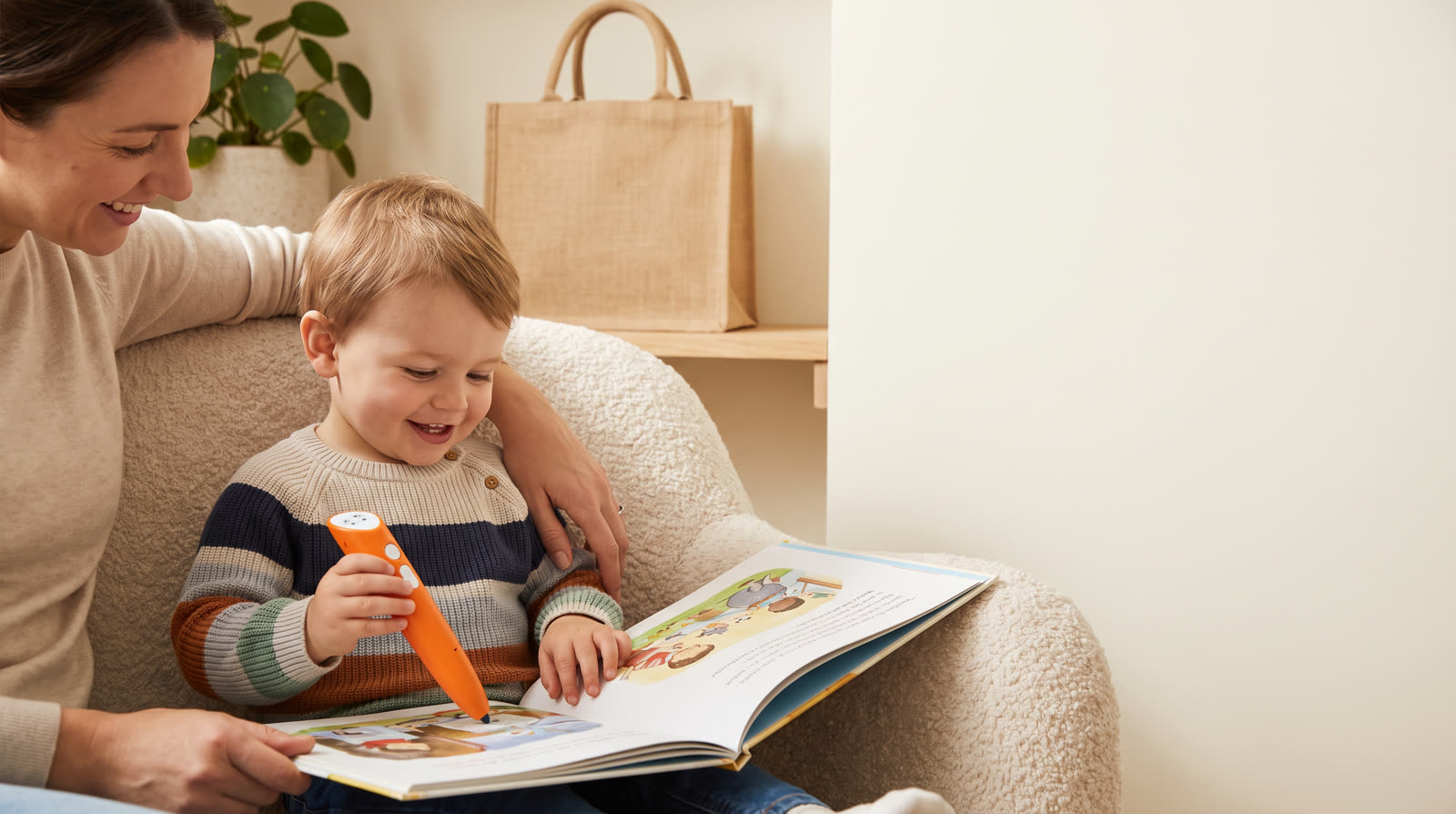
When preparing for a baby shower, gift-givers and modern retail curators frequently look beyond traditional newborn layettes to address the broader family dynamic. A frequently emerging product category in educational toy distribution is the interactive reading system—comprising an optical talking pen and companion picture book set. While baby showers traditionally focus on infants, the inclusion of older siblings, particularly 4-year-olds experiencing the arrival of a new baby, has created a robust seasonal and year-round gifting market. For B2B buyers, toy importers, and educational publishers, understanding whether talking pen sets serve as effective sibling gifts requires a rigorous examination of developmental suitability, family engagement patterns, safety compliance, and retail merchandising strategies. This guide provides a comprehensive framework for wholesale buyers and brand managers evaluating interactive reading systems for family-centric gifting markets, adhering strictly to empirical educational standards, international toy safety protocols, and transparent supply chain practices.
Understanding the Expanding Family Gifting Market at Baby Showers
The Sibling Dynamic in Newborn Celebrations
The arrival of a newborn invariably shifts family dynamics, often placing older siblings in a transitional phase where they require independent, engaging activities that foster positive cognitive development. A 4-year-old child possesses a rapidly expanding vocabulary, refined motor coordination, and an increasing capacity for sustained focus through imaginative play. Gifting an interactive reading system—such as a talking pen paired with illustrated storybooks—directly addresses this developmental milestone. Rather than feeling sidelined by newborn preparations, a 4-year-old receiving an engaging literacy kit experiences a sense of personal celebration and intellectual empowerment. For retailers and B2B distributors, positioning talking pen sets as 'sibling welcome gifts' taps into an emotional and practical consumer demand that bridges newborn registries with toddler enrichment.
Retail Positioning for Toddler and Preschooler Add-On Bundles
In contemporary retail environments, specialty toy boutiques, online gift curators, and bookstore chains increasingly offer curated bundles designed for multi-child families. Merchandising interactive reading sets alongside newborn essentials allows retailers to capture higher average order values (AOV) while solving a genuine problem for gift-givers: how to acknowledge the older sibling during a baby shower. Wholesale buyers must evaluate how manufacturers package these dual-market products, ensuring that outer packaging clearly communicates age-appropriate suitability for 4-year-olds while maintaining visual appeal within gift-giving displays. Clear iconography denoting audio interactivity, rechargeable battery compliance, and multi-language potential allows retail buyers to position these SKUs effectively across diverse demographic markets.
Core Evaluation Criteria for 4-Year-Old Interactive Reading Systems
Cognitive and Developmental Appropriateness for Preschoolers
At four years of age, children are transitioning from simple picture recognition to narrative comprehension, phonological awareness, and early pre-reading skills. An effective interactive reading system for this cohort must feature content that moves beyond basic labeling to incorporate interactive storytelling, character dialogues, rhyming games, and guided questioning. B2B procurement specialists should review sample book content to ensure vocabulary density, sentence structures, and thematic concepts align with preschool developmental benchmarks. According to guidance from educational research organizations like Reading Rockets, interactive listening combined with visual text tracking supports print awareness and auditory discrimination, provided that the content encourages active participation rather than passive consumption.
Audio Clarity, Optical Code Recognition, and Ergonomic Design
The hardware component of the reading system—the optical talking pen—must meet stringent usability standards for young children. A 4-year-old's grip strength and hand-eye coordination require a pen barrel diameter that is comfortable to hold, typically ranging between 12 and 16 millimeters, with lightweight construction to prevent hand fatigue. Furthermore, the optical sensor must demonstrate high-speed recognition across varied paper finishes, avoiding scanning lag or misinterpretation of invisible dot-code patterns printed on book pages. Wholesale buyers must conduct rigorous sample testing to verify speaker output clarity, volume control limitations to protect young ears, and intuitive power-management functions that prevent battery drain during independent play.
Safety Compliance and Material Standards for Young Children
Adherence to International Toy Safety Regulations
Because interactive reading systems are classified as children's products, compliance with international safety frameworks is non-negotiable for B2B importers and distributors. In the United States, products must comply with Consumer Product Safety Commission (CPSC) regulations, including ASTM F963 standards for toy safety, lead and heavy metal restrictions in surface coatings, and phthalate limits in plastic components. In European markets, EN71 parts 1, 2, and 3 govern mechanical properties, flammability, and migration of specific elements. Procurement professionals must verify that manufacturing partners provide comprehensive third-party laboratory test reports from accredited bodies before entering into volume supply agreements.
Battery Safety, Charging Protocols, and Non-Detachable Components
Electronic learning aids involving rechargeable or replaceable batteries require rigorous risk mitigation. Standard specifications must include secure, screw-secured battery compartments if removable cells are used, or certified built-in lithium-ion cells with integrated overcharge and short-circuit protection circuits. Educational toys intended for young children must also eliminate small detachable parts that present choking hazards, in strict accordance with small-parts cylinder testing protocols. As emphasized in CPSC educational guidelines, manufacturers and importers must ensure that charging cables and adapters meet UL or equivalent electrical safety certifications to prevent thermal anomalies during operation.
ReadGlo project support
Request B2B Product Catalog
Explore ReadGlo's certified talking pen and interactive picture book collections for your retail or distribution catalog.
Content Integrity, Parent Engagement, and Literacy Foundations
Balancing Independent Exploration with Guided Adult Interaction
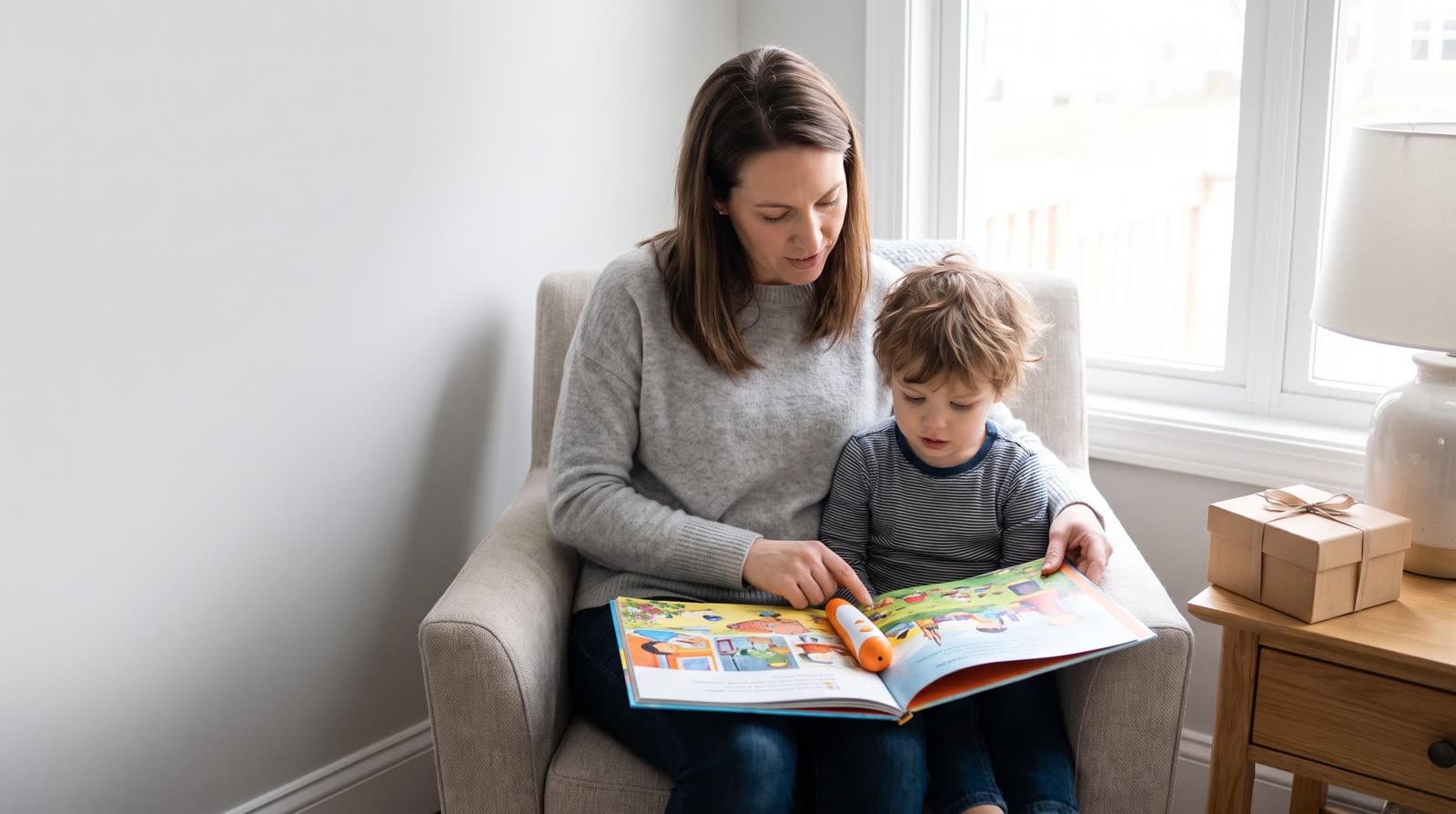
While talking pens empower 4-year-olds to explore books independently by tapping text and illustrations to hear audio playback, optimal early literacy outcomes rely heavily on co-reading and adult mediation. B2B publishers and brand owners should design books that prompt collaborative dialogue between children and caregivers—such as asking open-ended questions about character motivations or predicting plot twists. Pediatric organizations, including the American Academy of Pediatrics (AAP), consistently highlight that shared reading and verbal interaction stimulate language development far more effectively than isolated media consumption. Wholesale buyers should prioritize product lines that explicitly encourage caregiver-child conversation within their accompanying educator or parent guides.
Aligning with Early Literacy Recommendations from Professional Bodies
When vetting interactive book content, distributors must evaluate alignment with established early literacy frameworks. Content should incorporate structured exposure to print concepts, phonics, vocabulary expansion, and narrative comprehension. When discussing developmental considerations or addressing diverse learning needs, professional standards dictate that commercial products should never make clinical claims or guarantee specific educational outcomes. Instead, B2B marketing materials and product documentation should emphasize that interactive reading tools serve as supportive supplements to a rich language environment, and recommend consulting qualified educators or pediatric specialists for children with specific learning or developmental requirements.
Sourcing, Customization, and Quality Control for B2B Importers
Specifying Book Code Compatibility and Firmware Versioning
A critical technical consideration in B2B procurement of talking pen systems is OID (Optical Identification) code compatibility and firmware version management. Different manufacturers utilize proprietary dot-code encoding schemes (such as Sonix or proprietary micro-grid systems), meaning pens from one supplier generally cannot read books printed for another. Importers must establish strict configuration protocols with OEM/ODM partners to ensure firmware stability, audio file (.dab or .mp3) compilation accuracy, and seamless firmware update procedures. Clear technical specification sheets must accompany every purchase order to prevent audio-book mismatch issues upon retail delivery.
Pre-Shipment Inspection Protocols and Packaging Durability
Maintaining rigorous quality control (QC) across mass production requires adherence to standardized inspection frameworks such as ANSI/ASQ Z1.4 (ISO 2859-1) Acceptable Quality Limit (AQL) sampling tables. For electronic reading sets, QC protocols must encompass drop tests for pens, optical reading accuracy tests across 100% of sample book pages, battery life endurance verification, and drop-resistant packaging evaluations. Retail packaging must withstand international shipping stress while presenting an attractive unboxing experience suitable for premium gift channels, including durable cardboard inserts and clear protective film over viewing windows.
Frequently Asked Questions
Are talking pen and book sets appropriate as gifts for families expecting a new baby?
Yes, when positioned as a 'big sibling gift,' interactive reading sets provide 4-year-olds with engaging, independent learning activities that help them feel included and celebrated during newborn arrivals.
What safety certifications should B2B buyers verify for children's talking pens?
Wholesale buyers must request third-party laboratory test reports confirming compliance with CPSC/ASTM F963 standards in the US, EN71 in Europe, alongside electrical safety certifications for batteries and chargers.
Can talking pens from one manufacturer read books produced by another supplier?
Generally no. Talking pens rely on specific optical identification (OID) dot-code encoding and proprietary audio compilation formats, requiring strict hardware and software compatibility between the pen and the printed books.
How should retailers merchandise interactive reading kits for gift-giving occasions?
Retailers can merchandise talking pen sets as premium add-on bundles for baby shower registries, emphasizing sibling inclusion, multi-lingual learning potential, and durable gift-box packaging.
Do talking reading systems replace adult guidance in early childhood literacy?
No. Educational guidelines and pediatric frameworks emphasize that interactive reading tools are designed to supplement, not replace, active adult-child verbal interaction and shared reading experiences.
Conclusion
In summary, evaluating talking pen and interactive picture book sets as 4-year-old sibling gifts for baby showers reveals a sophisticated, high-value opportunity for B2B toy distributors, educational publishers, and retail curators. By addressing the emotional and developmental needs of older siblings during family expansions, these products bridge the gap between newborn registries and preschool enrichment. Success in this category hinges on rigorous adherence to international toy safety standards, robust optical and audio quality control, and content alignment with professional early literacy frameworks. Importers and brand owners who prioritize safety compliance, technical compatibility, and transparent product specifications will successfully capture growing market demand in the global educational toy sector.
Continue your research
Related reading pen buyer guides
Use these related guides to compare the next product, content, sourcing or channel decision in your project.
- Gift GuideIs a Reading Pen and Talking Picture Book Set a Good Baby Shower Gift for a Bilingual Family?Read this guide
- Gift GuideIs a Reading Pen and Talking Picture Book Set a Good Baby Shower Gift for Early Readers?Read this guide
- Gift GuideIs a Reading Pen and Talking Picture Book Set a Good Birthday Gift for a 2-Year-Old? A B2B and Educational EvaluationRead this guide
Continue with ReadGlo
See product specifications and request model-specific documentation.
ReadGlo project support
Send Your Requirements
Partner with ReadGlo to source customizable, safe, and engaging interactive reading systems for expanding family markets.