Contents
Introduction
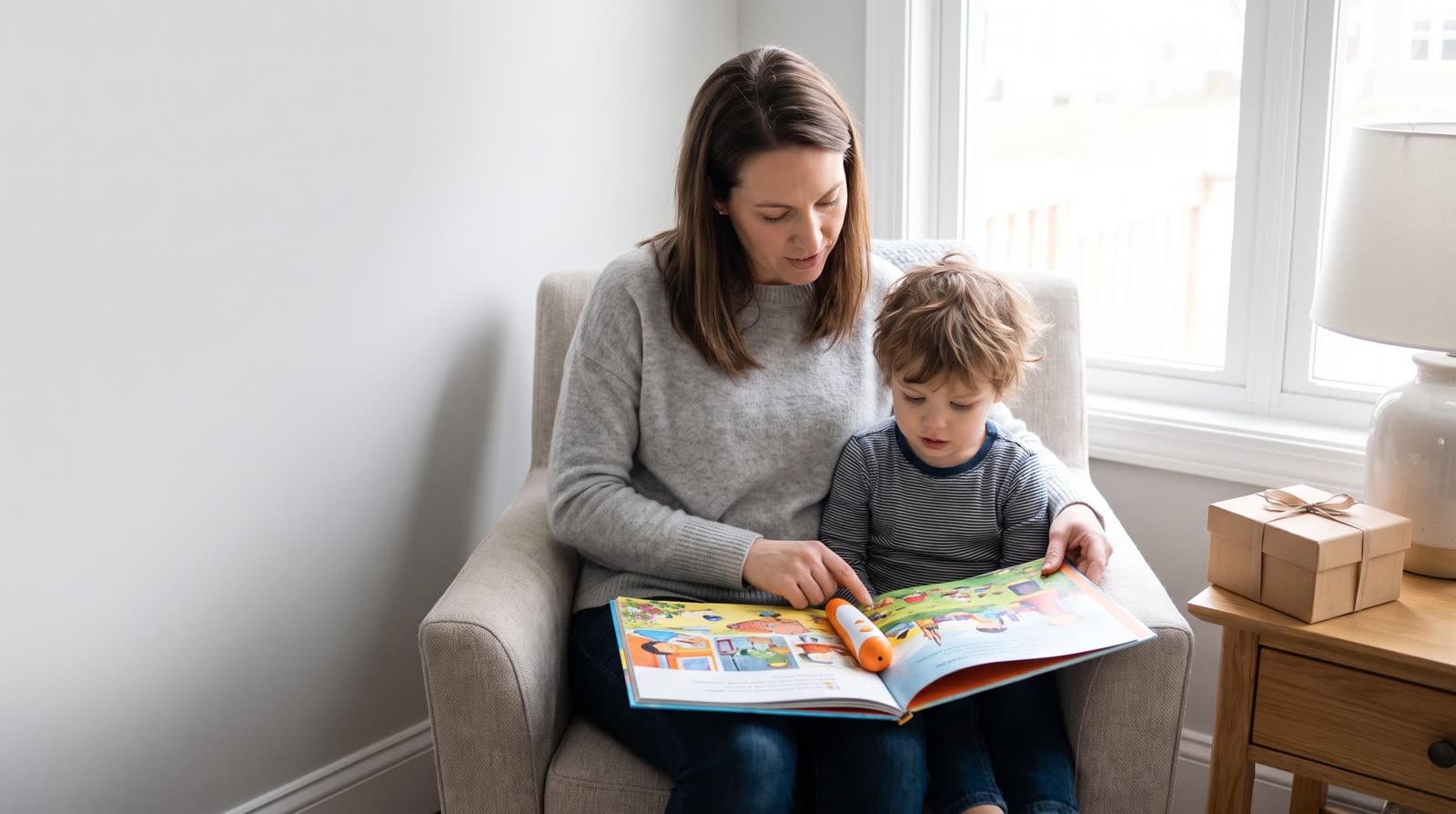
Choosing a birthday gift for a two-year-old requires a careful balance between developmental appropriateness, engagement value, and product safety. In recent years, interactive reading pen and talking picture book sets have emerged as a prominent category in early childhood education and specialty toy retail. For global toy distributors, brand owners, educational publishers, and retail buyers partnering with manufacturing partners like ReadGlo, evaluating whether these tech-integrated book sets suit two-year-old recipients involves examining cognitive milestones, motor skills, sensory-tactile safety, and robust quality control. From a developmental standpoint, age two represents a critical window of rapid vocabulary expansion and sensorimotor exploration. According to guidelines from the American Academy of Pediatrics (AAP) and early literacy frameworks from Reading Rockets, shared book reading fosters language acquisition and emotional bonding, provided that media use remains interactive and adult-mediated rather than passive. This comprehensive guide analyzes how B2B buyers, educational specialists, and retail partners can assess talking pen sets for two-year-old markets, ensuring compliance with international safety regulations such as CPSC standards while delivering meaningful, screen-free educational value.
Developmental Readiness and Sensory-Motor Engagement in Two-Year-Olds
Understanding Toddler Cognitive and Language Milestones at Age Two
At two years of age, children undergo explosive growth in expressive and receptive language. Toddlers typically transition from single-word utterances to combining two or three words, pointing to pictures when named, and following simple instructions. However, developmental trajectories vary significantly among children, and developmental milestones should always be viewed as general guidelines rather than rigid expectations. Educational specialists and pediatric researchers, including resources referenced by the Centers for Disease Control and Prevention (CDC), emphasize that toddlers learn best through active, multi-sensory exploration and responsive social interaction with caregivers. When introducing interactive learning tools such as a reading pen and talking picture book set, the objective is not to accelerate formal academic instruction or replace human interaction, but to enrich the child's natural curiosity about sounds, objects, and stories. B2B buyers and product developers must design or select content that respects these cognitive limits, ensuring that audio feedback is immediate, clear, and reinforcing without overwhelming the child's developing auditory processing capacity. Furthermore, early childhood educators stress that young children thrive when learning is embedded in playful, low-pressure contexts where adults actively share in the discovery process, modeling vocabulary and demonstrating how to interact with books respectfully.
The Balance Between Tactile Book Exploration and Audio Reinforcement
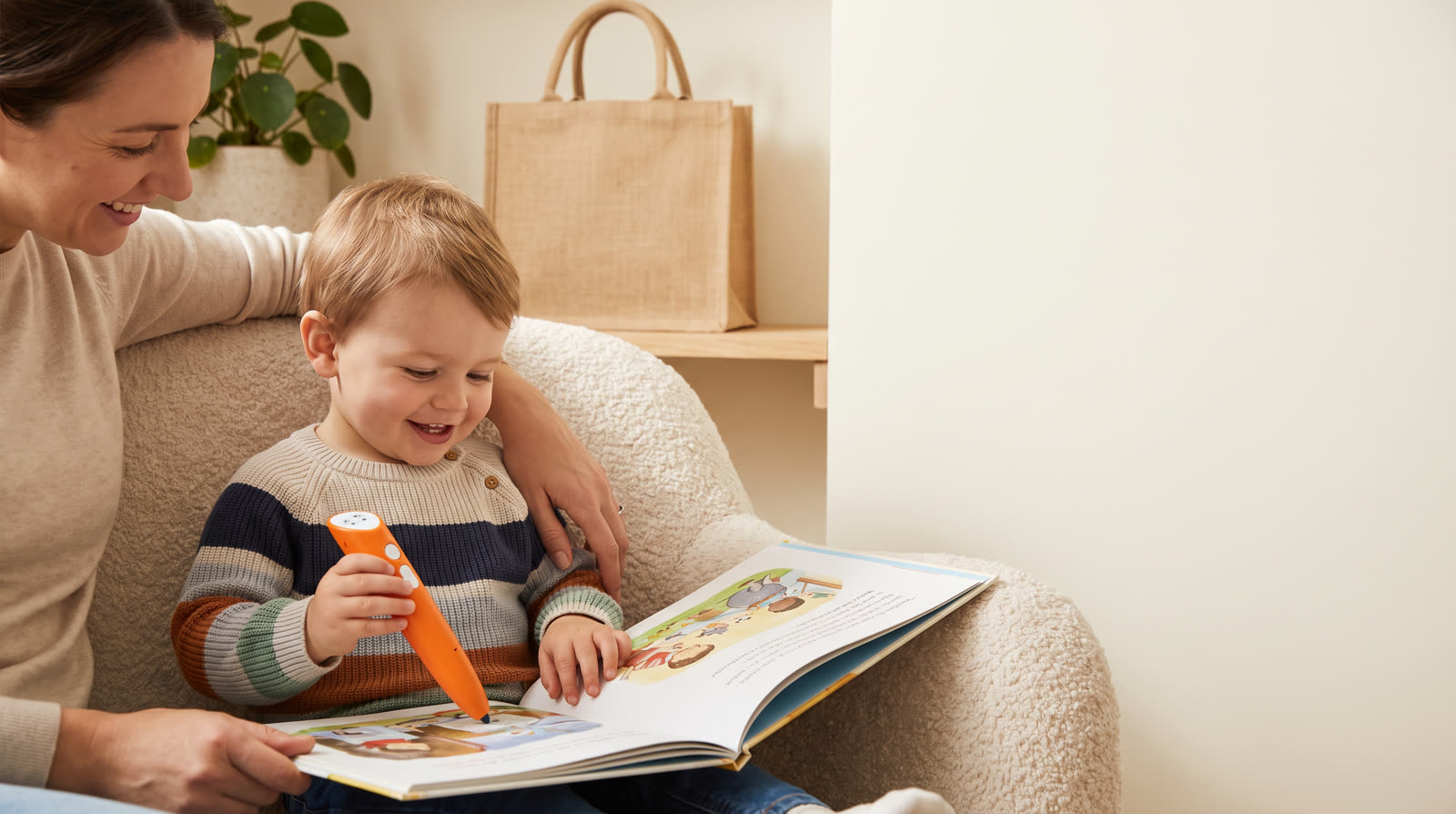
Two-year-olds interact with books physically long before they comprehend abstract narratives. They turn pages clumsily, point with their whole hands or fingers, mouth corners of pages, and drop objects frequently. An effective talking picture book set for this age group must harmonize physical book interaction with audio enhancement. The reading pen acts as an optical scanning device that reads microscopic dot-codes printed alongside illustrations and text, triggering pre-recorded human-voice narration, sound effects, or short musical prompts. For a two-year-old, the tactile feedback of thick board book pages combined with the delightful surprise of hearing a cow 'moo' or a narrator say a friendly greeting creates a powerful multi-sensory loop. However, B2B product planners must ensure that audio cues do not distract from the physical book handling. The primary medium must remain the physical book and the parent-child dialogue it inspires, with the reading pen serving as an intuitive enhancement rather than a solitary electronic distraction. Educational experts recommend structuring books with uncluttered layouts, high-contrast imagery, and prominent touch-points that accommodate the developing fine motor skills of toddlers without inducing sensory fatigue.
Evaluating Product Design and Safety Standards for Toddler Reading Pens
Ergonomics, Grip Comfort, and Drop Resistance for Young Hands
Designing hardware for two-year-olds presents unique engineering challenges. Unlike older children or adults who hold pens with a refined tripod grip, toddlers typically grasp objects with a palmar grasp, wrapping their entire fist around the barrel. Therefore, reading pens intended for this demographic require a thicker, shorter, and more robust ergonomic profile. Sourcing partners and manufacturers must ensure that pen bodies are molded from non-toxic, durable ABS or food-grade polycarbonate plastics capable of withstanding repeated drops onto hard floors. Furthermore, structural integrity must be maintained without sharp seams or removable small parts that could present choking hazards. Button placement must be intuitive—featuring oversized power and volume controls that resist accidental toggling by curious toddlers while remaining accessible for supervising adults. B2B quality assurance protocols should mandate rigorous drop-testing, tumble-testing, and bite-resistance evaluations to verify that the physical hardware withstands the rigorous conditions of toddler play environments, ensuring long-term durability across educational and home settings.
Battery Compartment Security, Low-Voltage Operation, and CPSC Compliance
Safety is paramount when manufacturing electronic educational toys for young children. Regulatory frameworks such as those enforced by the U.S. Consumer Product Safety Commission (CPSC) set strict mandates for children's products, including electrical safety, mechanical durability, and chemical composition (such as phthalate and heavy metal limits). For reading pens powered by rechargeable lithium-ion batteries or replaceable AAA cells, battery compartment security is a critical compliance check. Battery doors must be secured with mechanical screws or dual-action locking mechanisms to prevent toddler access, mitigating ingestion hazards. Operating voltages must remain strictly within safe low-voltage thresholds (typically 3.7V to 5V DC), equipped with overcharge, over-discharge, and short-circuit protection circuits. Educational publishers and toy distributors sourcing from manufacturing partners must insist on comprehensive third-party test reports verifying compliance with ASTM F963, EN71, and CPSC guidelines before finalizing bulk orders or retail distribution agreements.
Interactive Picture Book Engineering and Audio-Visual Integration
Durable Board Book Construction, Rounded Corners, and Non-Toxic Coatings
The accompanying picture books in a talking pen set are subjected to heavy physical wear. For two-year-olds, books must be constructed as heavy-duty board books utilizing thick grayboard cores (ranging from 300gsm to 400gsm paper stock laminated to high-density core boards) to prevent tearing and bending. Safety design dictates that all book corners must be die-cut with smooth, wide radius curves to prevent poking injuries. Printing inks must consist of non-toxic, eco-friendly soy-based or water-based formulations that resist fading and remain safe if mouthed by a toddler. Additionally, matte lamination or anti-glare coatings are essential to protect developing eyes from harsh light reflections. B2B buyers evaluating book manufacturing specifications should verify binding strength, spine flexibility, and page pull-out resistance to ensure longevity in demanding home, daycare, and institutional settings.
Invisible Dot-Code Printing Technology and Audio File Synchronization
The core technological marvel of a reading pen system lies in the precision interaction between the optical CMOS sensor in the pen tip and the invisible OID (Optical Identification) dot-codes printed on the paper surface. For two-year-old publishing lines, dot-codes must be printed with high-precision offset or digital presses using specialized carbon-free or infrared-absorbing inks that remain invisible to the naked eye, preserving the aesthetic beauty of the illustrations. The underlying audio data—comprising crystal-clear human-voice narration, sound effects, and interactive prompts—must be meticulously synchronized with the coordinate mapping of the book pages. B2B publishers must establish rigorous digital asset management protocols, ensuring zero latency between tap execution and audio output, as laggy responses confuse toddlers and disrupt the learning loop. Audio files must be recorded in professional sound studios with warm, engaging native-speaker voice talent, avoiding synthesized or robotic text-to-speech engines that fail to convey natural emotional inflection.
ReadGlo project support
Get a Quote
Ready to expand your product catalog with premium toddler reading pen and talking book sets? Connect with our manufacturing team to discuss OEM/ODM specifications and bulk orders.
B2B Sourcing, Specification Review, and Sample Testing Protocols
Key Quality Parameters for OEM/ODM Buyers and Educational Publishers
When international toy brands, educational distributors, and catalog retailers partner with Original Equipment Manufacturers (OEM) or Original Design Manufacturers (ODM) like ReadGlo to develop private-label talking book sets, establishing clear specification parameters is vital. Key parameters include optical recognition accuracy rates across diverse lighting conditions, speaker acoustic clarity (distortion-free sound output capped at safe decibel limits for infant and toddler ear safety, typically under 85 dB), internal memory capacity (supporting expandable TF cards or robust built-in flash storage for multi-language audio packs), and firmware stability. Buyers must review technical data sheets, request comprehensive bill of materials (BOM) disclosures regarding electronic components, and establish clear quality acceptance thresholds for pre-shipment inspections (PSI) aligned with international Acceptable Quality Limit (AQL) standards. Furthermore, supply chain transparency regarding material traceability is increasingly demanded by modern retail compliance standards.
Pre-Production Sample Evaluation and Parent-Child Usability Testing
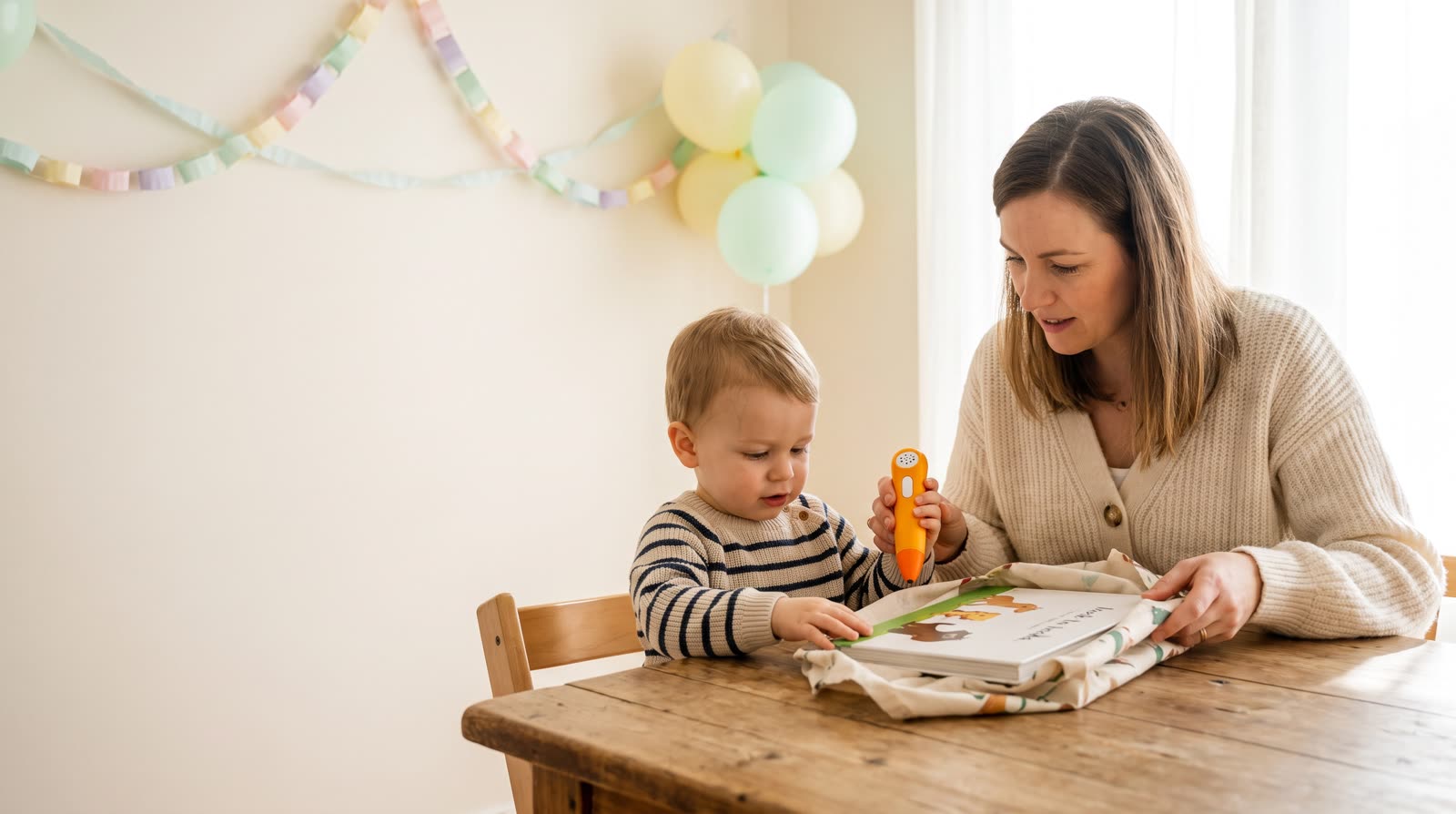
Before committing to high-volume commercial production, professional B2B procurement workflows mandate a rigorous golden sample evaluation phase. Sourcing managers and educational content directors should subject sample units to physical drop tests, continuous playback endurance assessments, charging port durability checks, and real-world usability testing. While formal clinical testing or guaranteed developmental outcomes should never be claimed or fabricated, conducting observational usability tests with toddlers and supervising adults provides invaluable qualitative feedback on ergonomic comfort, intuitive tap response, and book engagement longevity. Evaluating how easily a two-year-old holds the pen, whether the book binding lays flat during independent exploration, and how clearly adults can guide the shared reading experience ensures that the final retail product achieves high market satisfaction and low return rates.
Frequently Asked Questions
Are reading pens safe for independent use by a 2-year-old?
Yes, when manufactured in compliance with international safety standards such as ASTM F963 and CPSC regulations. Reading pens designed for toddlers feature secure, screw-locked battery compartments, non-toxic food-grade plastics, rounded edges, and low-voltage electrical systems. However, because two-year-olds are still developing fine motor skills and exploring their environment orally, initial play sessions should always take place under active adult supervision.
Can a talking picture book set support bilingual language learning for toddlers?
Many advanced reading pen systems support multi-language audio switching by tapping specific language flag icons on the book page. This allows children to hear words and stories in both a native language and a second target language. While exposure to multiple languages supports early phonetic awareness, parents and educators should introduce bilingual content gradually and naturally, maintaining positive social engagement.
What should B2B buyers look for when auditing a talking pen manufacturer?
B2B buyers should verify the manufacturer's quality management system (such as ISO 9001 certifications), third-party compliance test reports for electronic and chemical safety (CPSC, EN71, RoHS), optical sensor accuracy rates, audio recording quality, and structural durability test results. Requesting golden samples and conducting pre-shipment inspections (PSI) are essential steps to ensure consistent product quality.
How do reading pens differ from tablet apps for two-year-olds?
Unlike tablets, which involve bright backlit screens and complex digital interfaces that can lead to overstimulation and passive consumption, reading pens provide a tactile, screen-free learning experience. Children interact directly with physical paper board books, turning real pages and developing fine motor coordination while listening to audio narration triggered by natural pointing gestures.
What is the standard procedure for customizing OEM talking book sets?
OEM/ODM customization typically begins with specification alignment, covering book trim size, page count, board thickness, pen shell tooling design, and packaging style. This is followed by software integration (OID dot-code generation and audio file compilation), golden sample prototyping, rigorous safety and durability testing, and final mass production backed by strict quality control inspections.
Conclusion
In conclusion, a reading pen and talking picture book set can serve as an exceptionally thoughtful and engaging birthday gift for a two-year-old, provided the product is engineered with rigorous attention to toddler ergonomics, sensory safety, and durable board book construction. For B2B toy distributors, educational publishers, and retail brand owners, sourcing these items from reputable manufacturing partners ensures compliance with stringent international safety standards such as CPSC guidelines. By prioritizing screen-free tactile engagement, crystal-clear human-voice audio, and robust quality assurance protocols, industry partners can deliver high-value educational products that delight young children and satisfy discerning parents worldwide.
Continue your research
Related reading pen buyer guides
Use these related guides to compare the next product, content, sourcing or channel decision in your project.
- Gift GuideEvaluating Talking Pen and Interactive Picture Book Sets as 4-Year-Old Sibling Gifts for Baby Showers: A B2B Buyer and Retail Strategist GuideRead this guide
- Gift GuideIs a Reading Pen and Talking Picture Book Set a Good Birthday Gift for a 3-Year-Old? A Comprehensive B2B and Educational AssessmentRead this guide
- Gift GuideIs a Reading Pen and Talking Picture Book Set a Good Baby Shower Gift for a Bilingual Family?Read this guide
Continue with ReadGlo
See product specifications and request model-specific documentation.
ReadGlo project support
Ask for Product Catalog
Explore our complete range of certified toddler reading pens, interactive board books, and customized educational publishing solutions. Request your digital catalog today.