Contents
Introduction
Choosing a meaningful 4th birthday gift that balances sustained developmental engagement with long-term durability is a priority for parents, educators, and retail buyers alike. At age four, children undergo a remarkable cognitive leap: their vocabulary expands rapidly, their narrative comprehension deepens, and their curiosity about letters, sounds, and storytelling blossoms. A reading pen and talking picture book set—such as those engineered by ReadGlo—combines tactile page exploration with high-fidelity auditory reinforcement, creating an immersive, screen-free learning environment. However, determining whether this educational tool is suitable for a specific child or retail market requires careful evaluation of developmental readiness, product safety standards, hardware reliability, and content compatibility. This comprehensive guide examines the developmental alignment of talking pens for four-year-olds, essential wholesale and retail sourcing criteria, product safety and care guidelines referencing CPSC and pediatric recommendations, and practical steps for selecting high-quality interactive book sets.
1. Developmental Readiness and Cognitive Alignment at Age Four
Vocabulary Expansion and Phonological Awareness in Four-Year-Olds
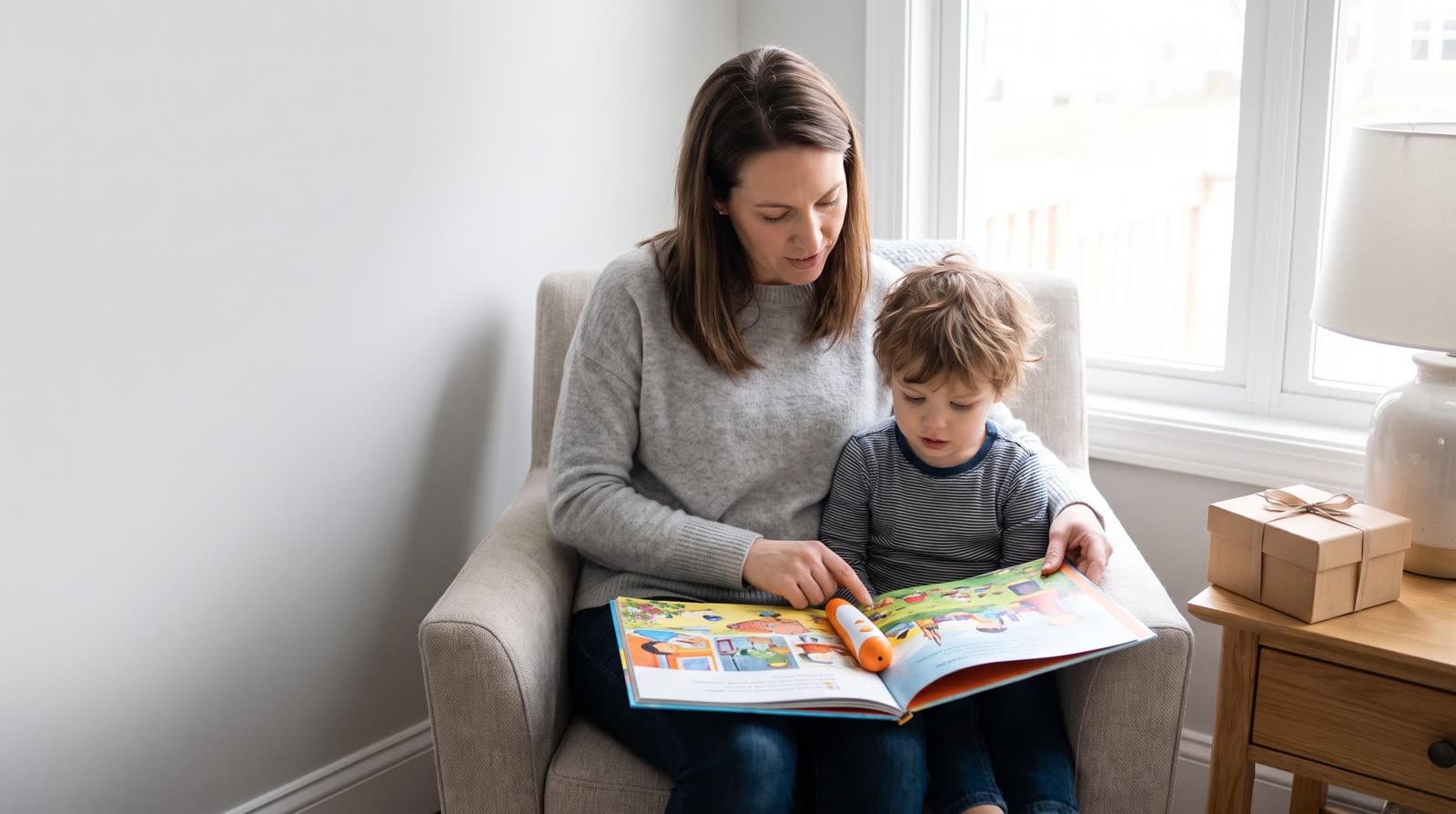
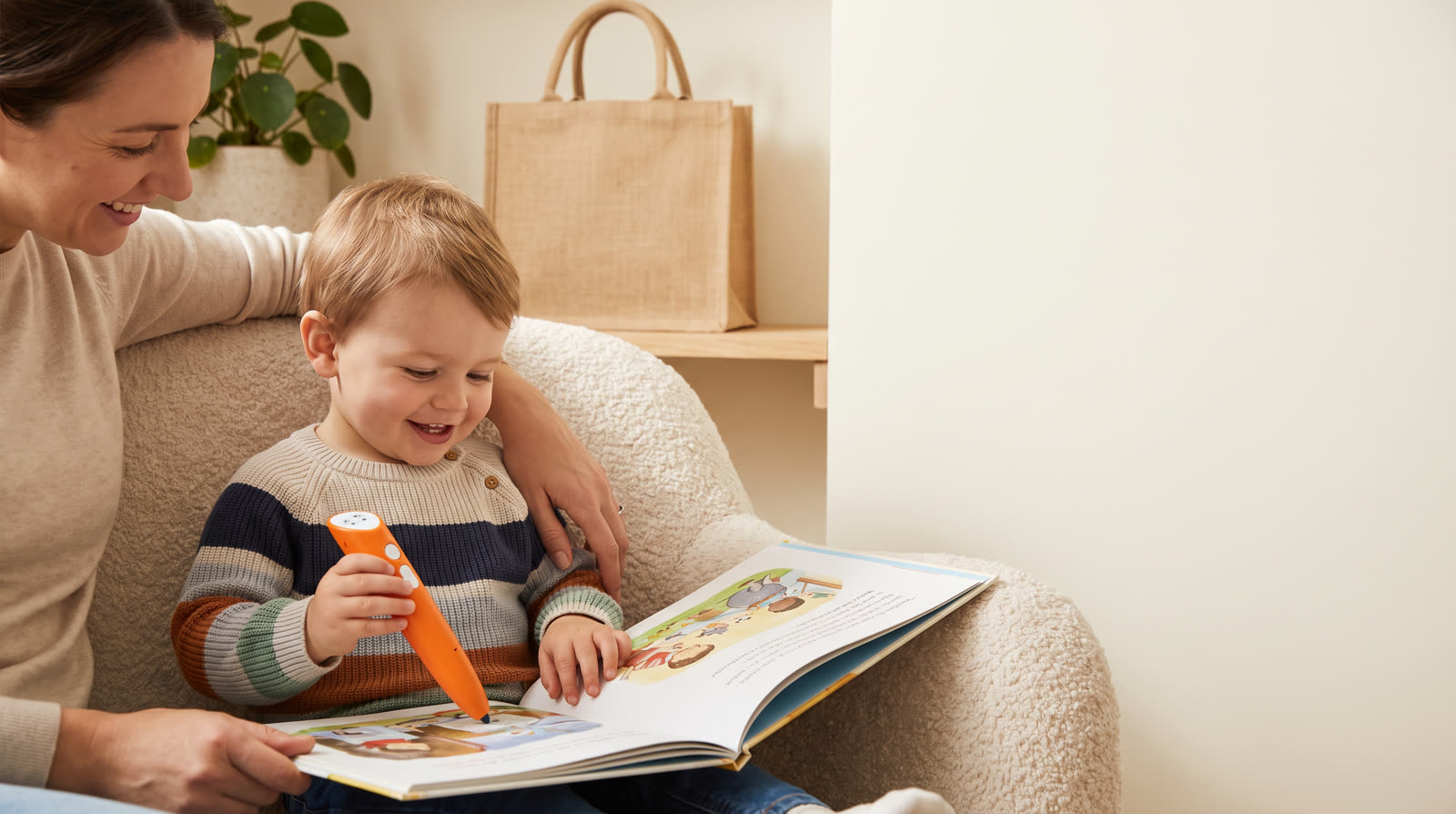
At four years of age, children transition from simple label-learning to complex sentence structures, story sequencing, and phonological awareness. According to early literacy guidelines from the American Academy of Pediatrics (AAP) and Reading Rockets, children at this stage benefit immensely from multi-sensory literacy experiences that link spoken words directly with visual text and illustrations. A talking pen utilizes optical code recognition (OID) printed beneath book illustrations and text, allowing a four-year-old to tap a word or character and instantly hear correct pronunciation, sound effects, or character dialogue. This immediate auditory-visual feedback loop reinforces phonetic decoding, vocabulary retention, and narrative comprehension without overwhelming cognitive capacity. For B2B distributors and educational suppliers, understanding this cognitive alignment ensures that bundled book content matches the developmental pacing expected by kindergarten educators and preschool parents. Furthermore, introducing interactive audio stimulation at age four helps bridge the transition from spoken language to early reading competence, laying a robust foundation for kindergarten readiness across diverse linguistic and cultural environments. When children tap words repeatedly, they practice active listening and independent articulation, which significantly enhances expressive and receptive language abilities over time.
Independent Exploration with Adult Scaffolding
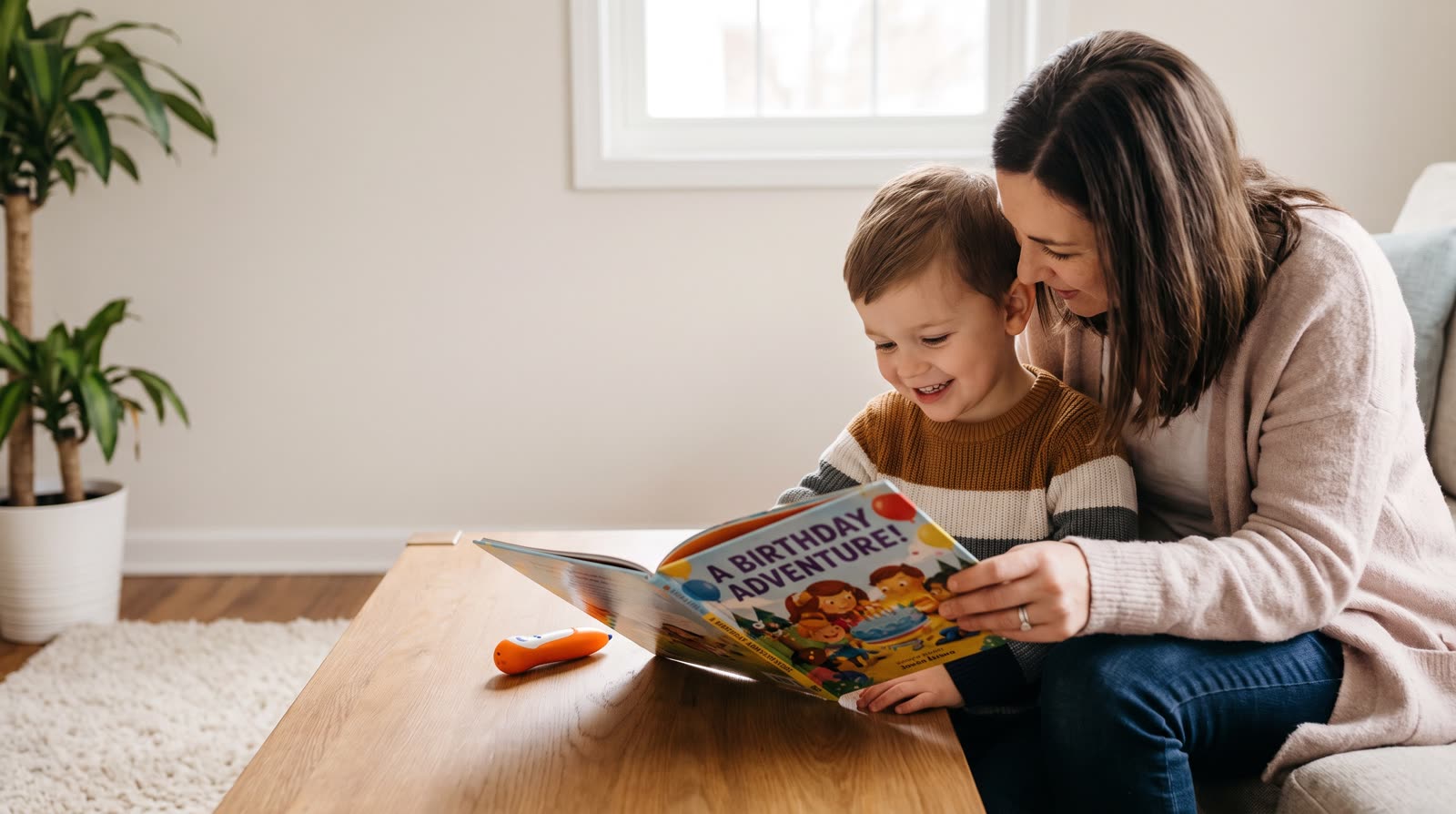
While four-year-olds possess the fine motor control required to grip a chunky, ergonomic reading pen and tap designated target zones on paper pages, adult scaffolding remains vital for maximizing educational impact. Developmental research highlighted by the Centers for Disease Control and Prevention (CDC) emphasizes that interactive tools are most effective when paired with shared reading experiences where adults ask open-ended questions, discuss story plots, and connect book themes to real-world experiences. When evaluating talking pen sets as birthday gifts or retail catalog additions, buyers must consider whether the software architecture and book layout encourage collaborative dialogue between child and caregiver, rather than passive listening. ReadGlo designs its interactive book sets with dual-mode interaction—supporting both independent tactile discovery and collaborative parent-child Q&A modes—ensuring that children develop both autonomy and social-emotional communication skills. Retailers and toy distributors should emphasize these collaborative features in their product marketing and user manuals to guide parents on how to co-engage with children during play sessions.
2. Core Hardware and Software Specifications for Wholesale and Retail Evaluation
Optical Code Recognition (OID) and Audio File Management
The technical backbone of any talking pen system lies in its optical sensor precision and internal firmware stability. High-quality reading pens utilize advanced OID (Optical Identification) technology capable of reading invisible dot-matrix codes printed alongside visible ink without distorting page aesthetics. During sample evaluation and pre-shipment inspection, quality assurance teams must verify code-reading latency, audio clarity, and multi-language file switching efficiency. Retailers and wholesale buyers should examine whether the manufacturer provides robust firmware support, expandable storage (such as micro-SD card slots or ample built-in flash memory), and standardized audio compilation formats that allow seamless updates when new book titles are added to a product line. Ensuring efficient audio file management prevents playback lags and guarantees that children experience instantaneous auditory feedback upon touching words or illustrations. Furthermore, robust data architecture prevents file corruption during firmware upgrades, ensuring long-term reliability in classroom and home environments.
Ergonomics, Durability, and Child-Safe Material Construction
Four-year-olds can subject toys and learning tools to rigorous physical handling, including accidental drops, saliva exposure, and firm grip pressure. Consequently, B2B procurement professionals must prioritize hardware constructed from non-toxic, impact-resistant ABS plastics with smooth, rounded edges and securely sealed battery compartments. Ergonomic design is equally critical; a pen barrel diameter of approximately 18 to 22 millimeters ensures a comfortable grip for small hands developing fine motor coordination. When reviewing factory specifications, buyers should request third-party laboratory test reports verifying compliance with international toy safety standards, including drop-test endurance, bite-resistance of removable tips, and acoustic output limits designed to protect sensitive young ears. Manufacturers must also ensure that surface coatings withstand frequent cleaning and sanitization without peeling or releasing harmful chemical substances, making them ideal for high-traffic kindergarten settings.
3. Evaluating Quality, Safety, and Compliance in B2B Sourcing
Comprehensive Factory Sample Evaluation and Inspection Checklists
Establishing rigorous procurement protocols is essential for importers, retail chains, and educational distributors sourcing reading pen sets. A professional sample evaluation checklist should encompass four critical phases: (1) Specification Confirmation, verifying that optical sensor sensitivity matches the printing resolution of talking picture books; (2) Sample Review, testing audio playback fidelity across high, medium, and low volume settings; (3) Function Check, ensuring seamless switching between reading, recording, and interactive game modes; and (4) Pre-Shipment Documentation Check, confirming that all batch test reports, user manuals, and compliance certifications align with destination market regulations. While these procedures form the backbone of reliable supply chain management, buyers must ensure that quality control standards are continuously monitored during mass production, verifying component traceability and conducting random sampling according to AQL (Acceptance Quality Limit) standards. Partnering with experienced manufacturers like ReadGlo ensures that every production batch undergoes stringent pre-shipment testing before export.
Product Care, Battery Safety, and Safe Handling Guidelines
Because electronic learning tools involve battery power and sensitive internal circuitry, clear product care and safety protocols must be established for end-users and retail customers. Citing guidelines from the Consumer Product Safety Commission (CPSC), users should perform low-risk external inspections regularly—checking the outer casing, charging port, and tip for cracks or wear. Consumers must never attempt to disassemble the reading pen or alter internal wiring. If a device exhibits signs of dampness, physical damage, abnormal heat generation, swelling, battery leakage, or smoke emission, operation must cease immediately, charging cables must be disconnected, and the unit must not be recharged. Users should contact the manufacturer or authorized service channels for professional assistance rather than attempting DIY repairs. Retailers should incorporate these safety notices prominently in product packaging and user guides to ensure responsible product stewardship and consumer safety.
ReadGlo project support
Get Product Catalog
Explore ReadGlo's complete collection of interactive talking pens and bilingual picture book sets for your retail or educational catalog.
4. Comparing Educational Gifts: Talking Pens vs. Tablets and Traditional Books
Screen-Free Engagement and Tactile Literacy Benefits
In modern retail markets, gift-buyers frequently weigh interactive electronic books against tablet-based learning apps and traditional paper books. While tablets offer dynamic animations, they often introduce screen fatigue, blue light exposure, and digital distractions that detract from foundational literacy. Conversely, talking picture books preserve the tactile, physical experience of turning real paper pages while adding targeted auditory reinforcement. This hybrid approach bridges traditional print literacy with modern multi-sensory engagement. When positioning reading pen sets in retail catalogs, merchants should highlight how screen-free audio technology fosters prolonged concentration spans and encourages deep comprehension without the addictive feedback loops associated with digital screens. Educational research consistently underscores that tangible book interaction supports spatial memory and fine motor skills far more effectively than glass-screen devices, making talking pens a superior alternative for early childhood cognitive development.
Long-Term Educational Value and Content Scalability
From a commercial and educational standpoint, long-term value depends on content expansion capabilities. A traditional picture book is often outgrown within months, whereas a quality reading pen ecosystem can support dozens of companion books spanning phonics, science, mathematics, and bilingual storytelling as the child matures from age four into early elementary school. B2B buyers evaluating product lines should analyze the depth and breadth of the publisher's book catalog, ensuring that the initial gift set serves as a gateway to an expandable library rather than a standalone novelty item. Retailers can leverage this modular scalability to build long-term customer loyalty through recurring companion book purchases, seasonal expansion bundles, and subscription-style book club additions.
5. Practical Guidance for Retailers, Educators, and Parents on Selection
Verifying Compatibility, Age Labeling, and Companion Libraries
Purchasing or stocking an educational gift set requires meticulous attention to compatibility details. Gift-givers and retail buyers must verify that the reading pen firmware matches the optical encoding of the specific book series being purchased; mismatched OID codes will result in audio failure. Furthermore, check age-grading labels, companion book availability, and whether the set includes multi-language audio packs (such as bilingual English-Spanish or English-Mandarin data files). Ensuring clear compatibility prevents consumer dissatisfaction and supports repeat purchases of supplementary book bundles. Educational institutions and retail buyers should establish formal procurement verification protocols to test sample books and pens together prior to large-scale deployment or shelf stocking.
Reviewing Seller Credentials, Warranties, and Return Policies
To mitigate commercial risks and ensure consumer satisfaction, buyers and gift-purchasers must examine the written terms provided by the manufacturer or retail vendor. Avoid relying on unverified promotional guarantees; instead, carefully review official warranty coverage periods, defect replacement policies, and customer support availability. For B2B wholesale agreements, clarify minimum order quantities (MOQs), quality acceptance thresholds, and replacement protocols for out-of-box failures. For individual gift purchasers, confirming return windows and manufacturer support channels guarantees peace of mind if the child's developmental interests shift. Working with reputable manufacturers like ReadGlo ensures access to transparent warranty terms, dedicated after-sales support, and comprehensive documentation for global retail compliance.
Frequently Asked Questions
Is a 4-year-old too young for a talking pen and picture book set?
No, age four is widely considered an optimal developmental window for interactive reading tools. Children at this age possess the fine motor control to grip chunky ergonomic pens and the cognitive capacity to connect spoken audio with printed illustrations, as supported by early literacy frameworks from the AAP.
How do reading pens compare to tablet learning apps for 4-year-olds?
Reading pens provide a screen-free learning experience that preserves the tactile habit of turning real paper pages. Unlike tablets, which can cause screen fatigue and digital distractions, talking books focus attention directly on print literacy and physical book handling.
What safety precautions should be observed when giving electronic toys to young children?
Users should conduct routine external inspections for cracks or wear, avoid exposing the device to moisture, and never attempt to disassemble the unit. Citing CPSC guidance, if a device shows abnormal heat, swelling, or battery leakage, stop using it immediately and contact authorized service channels.
Can reading pen sets support bilingual language learning for preschoolers?
Yes, many advanced talking book systems, including ReadGlo series, support multi-language audio files. Children can tap the same illustration to hear vocabulary pronounced in multiple languages, making them ideal gifts for bilingual families or language immersion programs.
What should B2B buyers look for when sourcing reading pen sets from manufacturers?
Wholesale buyers should evaluate OID optical sensor accuracy, acoustic clarity, durable non-toxic ABS construction, third-party safety test certifications (such as CPSC and CE compliance), and the scalability of the publisher's companion book catalog.
Conclusion
In summary, a reading pen and talking picture book set represents an exceptional 4th birthday gift that effectively bridges traditional print literacy with modern multi-sensory engagement. By aligning with early childhood developmental milestones, encouraging screen-free independent and guided learning, and adhering to rigorous safety and quality standards, ReadGlo interactive book sets deliver enduring value for children, educators, and retail partners alike. Whether purchased as an individual birthday present or sourced in bulk for retail distribution, careful verification of hardware specifications, book-code compatibility, and warranty terms ensures a rewarding, safe, and enriching educational experience.
Continue your research
Related reading pen buyer guides
Use these related guides to compare the next product, content, sourcing or channel decision in your project.
- Gift GuideEvaluating Talking Pen and Interactive Picture Book Sets as 4-Year-Old Sibling Gifts for Baby Showers: A B2B Buyer and Retail Strategist GuideRead this guide
- Gift GuideIs a Reading Pen and Talking Picture Book Set a Good Birthday Gift for Bilingual Families?Read this guide
- Gift GuideIs a Reading Pen and Talking Picture Book Set a Good Baby Shower Gift for a Bilingual Family?Read this guide
Continue with ReadGlo
See product specifications and request model-specific documentation.
ReadGlo project support
Send Your Requirements
Partner with ReadGlo for premium B2B manufacturing, customized OEM/ODM educational solutions, and reliable wholesale distribution.