Contents
Introduction
Choosing a meaningful first day of preschool gift for a bilingual family requires balancing cultural appreciation, cognitive development support, and practical usability. When educators, family members, or institutional buyers select an interactive reading pen and talking picture book set, they are investing in a multimodal learning tool designed to bridge dual-language exposure during a critical transitional phase in a child's life. However, the pedagogical and commercial effectiveness of such tools depends heavily on hardware reliability, audio clarity, OID (Optical Identification) dot code precision, and alignment with early childhood developmental guidelines. This comprehensive guide examines the pedagogical value, technical specifications, safety protocols, and B2B sourcing considerations for bilingual talking pen sets, providing actionable insights for educational publishers, toy distributors, preschool brand owners, and school buyers navigating the nuances of early dual-language literacy acquisition.
Pedagogical Foundations of Dual-Language Exposure in Preschoolers
Supporting Simultaneous and Sequential Bilingualism in Early Childhood
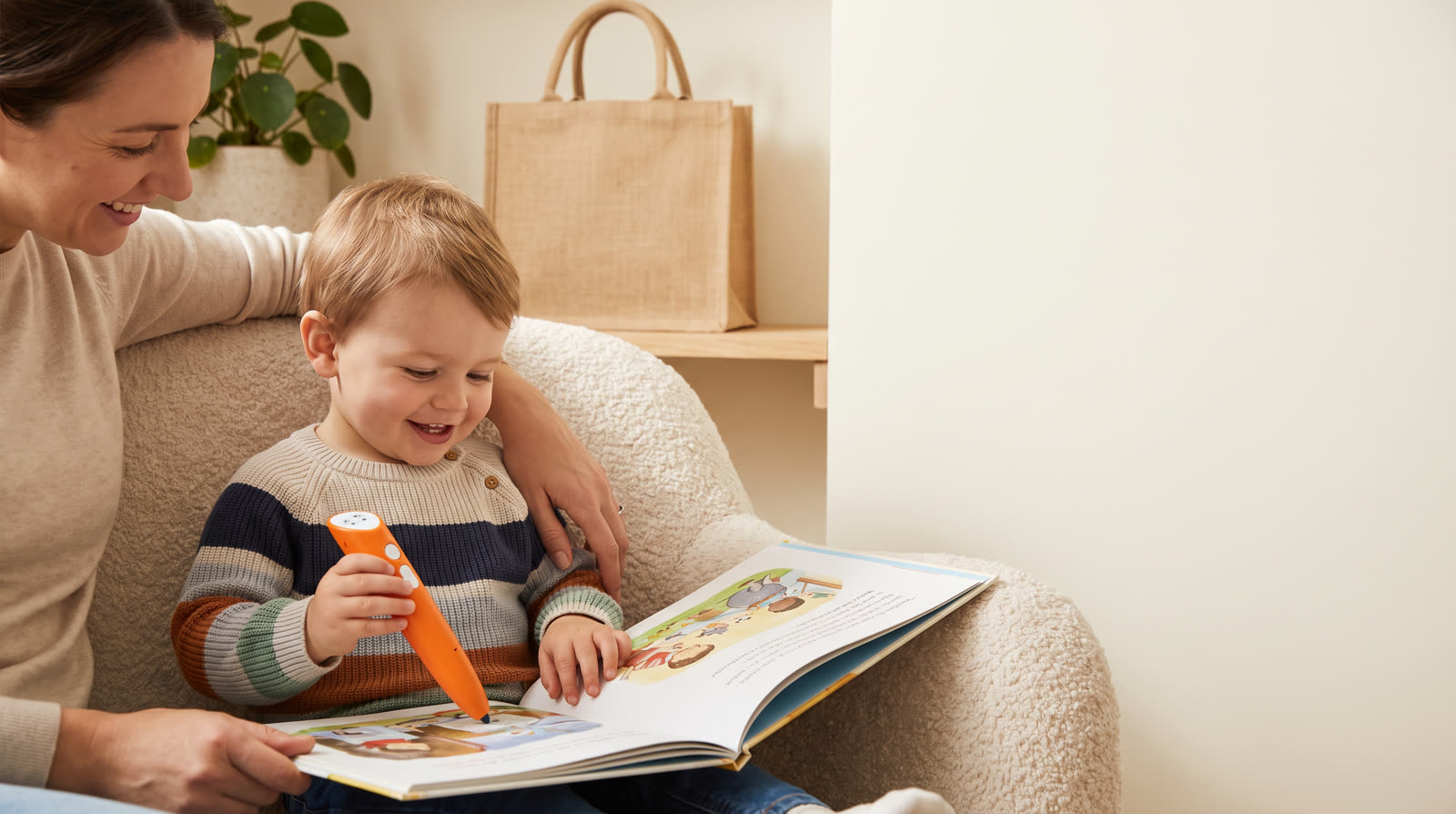
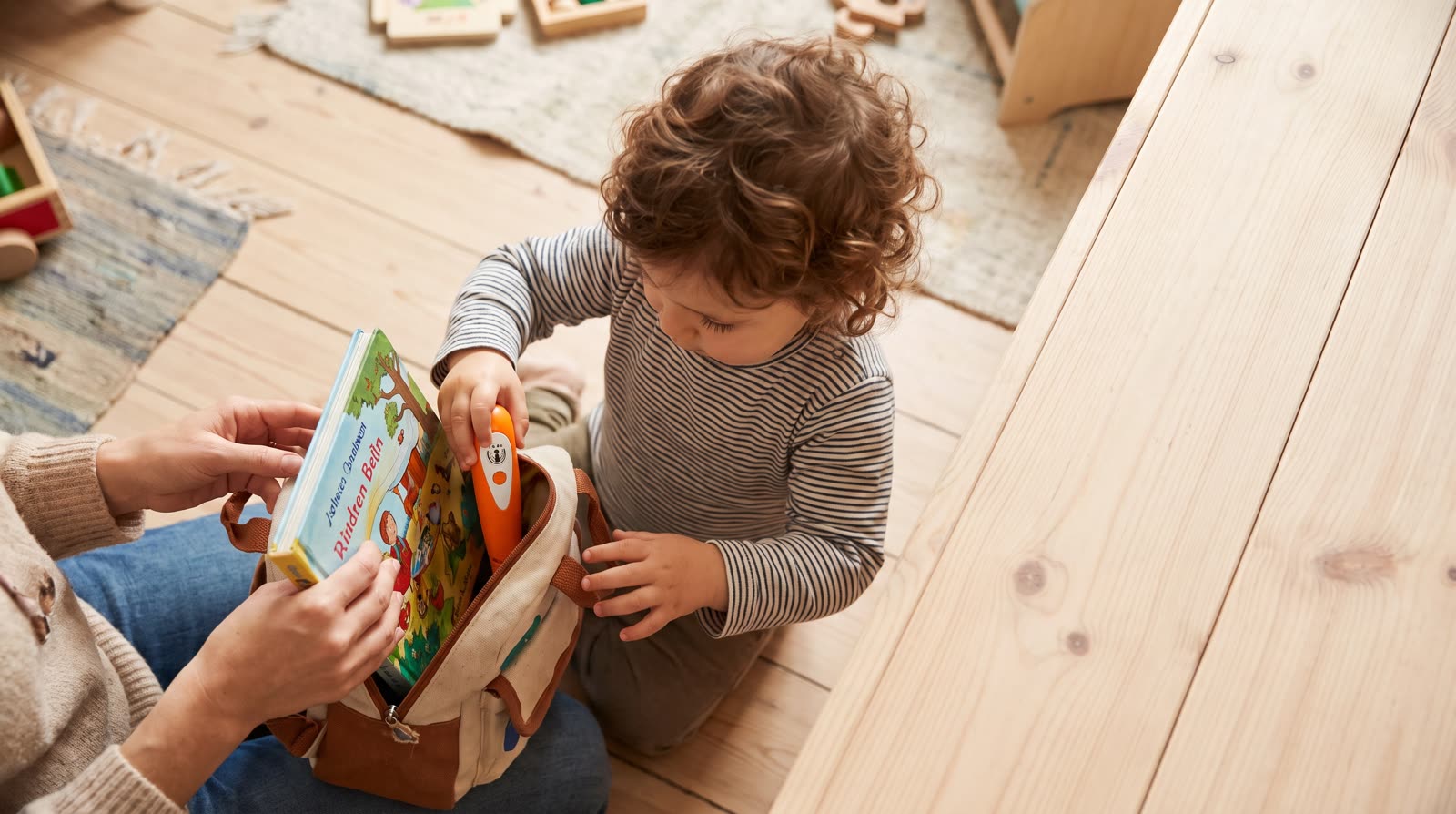
Early childhood represents a critical window for neurological plasticity and language acquisition. For bilingual families, children frequently navigate two or more linguistic systems simultaneously, balancing home heritage languages with societal or school languages. Interactive reading pens provide structured audio scaffolding that reinforces pronunciation, vocabulary retention, and listening comprehension in both target languages without demanding constant adult intervention. By tapping specific OID codes printed directly on book pages, children can independently switch between languages, hearing native-speaker models that support authentic intonation, syntax, and phonetic awareness. According to foundational guidance from the American Academy of Pediatrics (AAP) on early childhood literacy and media consumption, interactive media and shared reading experiences are most effective when they encourage active engagement, joint media attention, and responsive adult scaffolding rather than passive listening. Bilingual children benefit enormously from tools that validate both linguistic environments, reinforcing the cognitive advantages of bilingualism—such as enhanced executive function, cognitive flexibility, and metalinguistic awareness—while easing the transition into structured preschool environments.
Promoting Phonological Awareness and Print Motivation
A high-quality talking picture book set combines rich visual storytelling with synchronized audio playback, strengthening the fundamental link between spoken and written symbols, commonly known as print-to-sound correspondence. For bilingual learners, this multimodal approach reduces cognitive friction when transitioning between distinct writing systems, character sets, or phonetic structures. Educators emphasize that print motivation—a child's intrinsic enthusiasm for books and reading—is significantly heightened when children can interact dynamically with the text. Reading pens empower children to explore narratives at their own pace, fostering independent problem-solving, emotional engagement, and self-regulation during early literacy activities. When children can touch an illustration or text block and immediately hear corresponding audio in their heritage language or second language, their confidence in handling bilingual literature grows exponentially, laying a robust foundation for future academic success.
Technical Architecture and Hardware Standards for Bilingual Talking Pens
Optical Identification (OID) Technology and High-Density Code Mapping
At the technological core of any interactive reading pen is the OID sensor and the invisible dot pattern printed beneath or alongside visible book artwork. For bilingual books, which require exceptionally high data density to store dual-language audio tracks, translation indexes, and interactive game modes across multiple languages, the OID decoding engine must handle complex multi-file mapping without latency or crosstalk. B2B buyers must evaluate the optical resolution and scanning frequency of the internal camera module, ensuring low error rates even under varied ambient lighting conditions, low-light reading environments, or on textured, matte, or gloss paper stocks. High code density prevents audio misfires and ensures seamless language toggling via cover icons, margin buttons, or dedicated multi-language card decks. Manufacturers employing advanced OID generation algorithms ensure that thousands of pages can be indexed uniquely without code collision across extensive publishing series.
Audio Sampling, Internal Memory Capacity, and Speaker Fidelity
Bilingual families rely heavily on pristine acoustic models to distinguish subtle phonemic differences, tones, and accents across different languages. Talking pens destined for international markets must feature robust internal storage—ranging from 8GB to 32GB NAND flash memory—to accommodate extensive multi-language audio libraries without compression artifacts or storage bottlenecks. Audio output quality, driven by an integrated high-efficiency amplifier and a calibrated acoustic speaker cavity, must deliver distortion-free high-frequency sounds essential for crisp consonants in diverse languages such as Mandarin, Spanish, French, or English. Furthermore, support for uncompressed WAV and high-bitrate MP3 encoding ensures that professional voice talent recordings remain natural, expressive, and emotionally engaging, avoiding the robotic distortion associated with low-tier speech synthesis chips.
B2B Evaluation, Quality Control, and Supply Chain Compliance Framework
Rigorous Evaluation Protocols for Pre-Production Sample Lots
For educational distributors, toy importers, and institutional school procurement officers, vetting a manufacturing partner's production standards requires a highly structured evaluation framework. B2B buyers should request comprehensive pre-production sample lots to conduct rigorous stress testing on book binding durability, paper tear resistance, cover lamination, and non-toxic soy ink printing. The OID dot pattern must undergo optical verification audits to confirm that every touchpoint triggers the correct corresponding audio file in both target languages without latency exceeding 200 milliseconds. Furthermore, drop tests, connector insertion life-cycle tests, and battery discharge curves must be analyzed against established industry benchmarks to ensure product longevity in demanding institutional or household environments.
Regulatory Documentation and International Compliance Standards
Children's electronic learning products are subject to stringent international safety, environmental, and electro-magnetic compatibility regulations. Importers and brand owners must verify that manufacturing partners provide fully traceable documentation for compliance standards including ASTM F963 (Standard Consumer Safety Specification for Toy Safety), EN71 (European Toy Safety directive covering mechanical, chemical, and flammability properties), FCC (Federal Communications Commission electromagnetic emission standards), and RoHS (Restriction of Hazardous Substances directive). Additionally, compliance with Consumer Product Safety Commission (CPSC) guidelines for children's products ensures that electrical circuitry, rechargeable lithium-ion batteries, and plastic housing materials meet established safety thresholds for mechanical pinch points, choking hazards, and chemical toxicity.
ReadGlo project support
Request B2B Sample Kit
Explore ReadGlo's certified bilingual talking pen and interactive book collections for your distribution network.
Practical Implementation and Classroom-to-Home Integration Strategies
Structuring Guided and Independent Reading Routines for Families
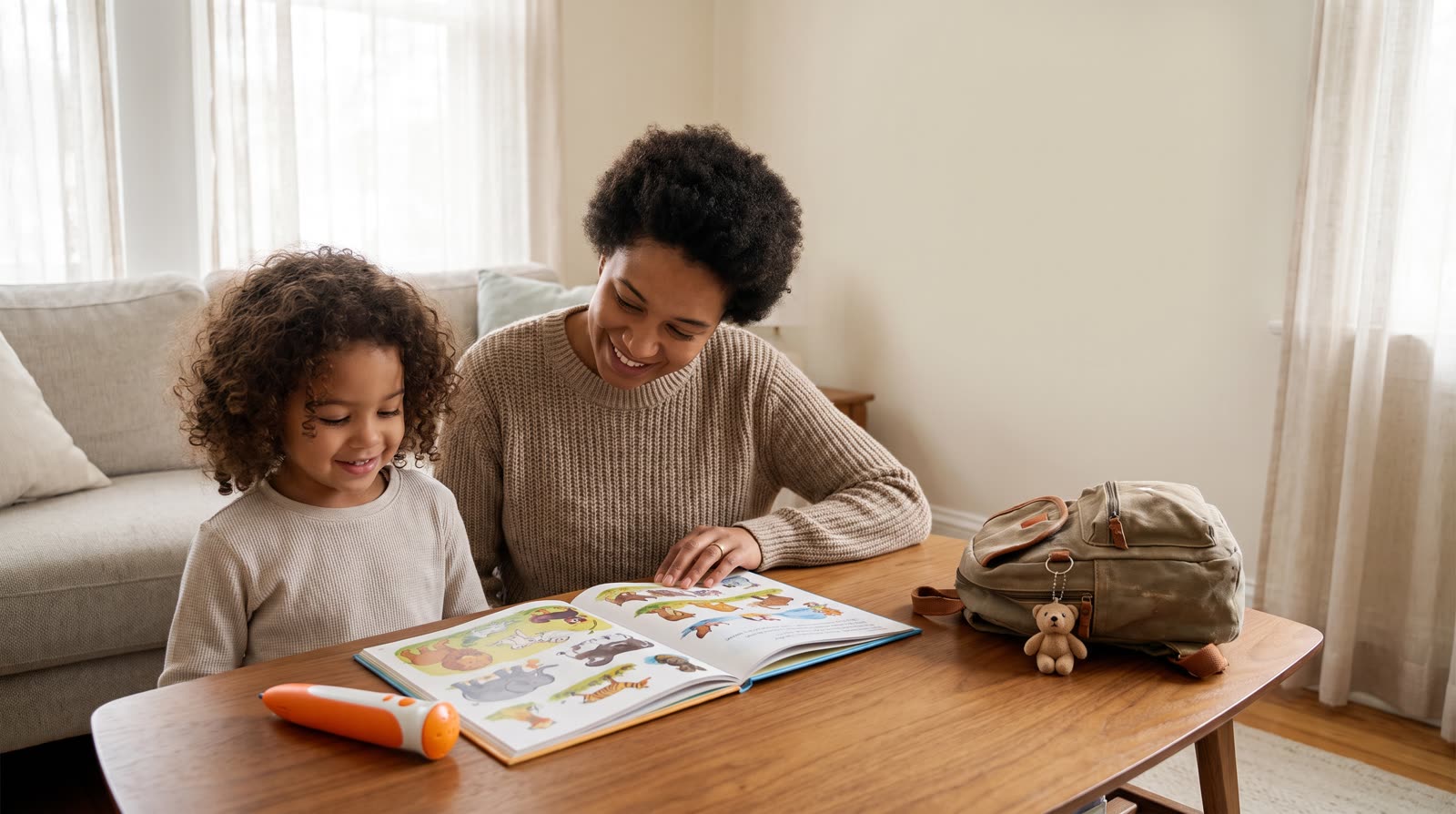
While talking pens promote independent learning and foster autonomy, their maximum educational benefit is unlocked when integrated into structured family or preschool classroom routines. Parents and educators should establish balanced reading sessions where children first explore bilingual books independently using the pen to build confidence, followed by guided discussions where adults ask open-ended questions about the narrative, characters, and cultural context. This scaffolding approach prevents passive device usage and encourages critical thinking, narrative comprehension, and cross-language bridging. Educators recommend establishing dedicated reading corners where bilingual children can access their talking pen library easily, transforming reading into a cherished daily ritual that bridges home culture with school expectations.
Navigating Special Learning Needs and Avoiding Cognitive Overload
For children with diverse learning needs, auditory processing differences, sensory sensitivities, or developmental variations, interactive technological tools must be introduced gradually to prevent sensory or cognitive overload. Educators and developmental specialists recommend monitoring a child's engagement cues and limiting background audio clutter or simultaneous sensory stimuli. It is vital to emphasize that interactive reading pens serve as supportive instructional supplements rather than substitutes for professional educational intervention, speech therapy, or human interaction. When specific learning difficulties, language delays, or developmental concerns are observed, parents and teachers should consult qualified educational diagnosticians, speech-language pathologists, or pediatric medical specialists to tailor appropriate support strategies.
Product Care, Hardware Safety Protocols, and Troubleshooting Guidelines
Hardware Maintenance and Low-Risk External Inspection Procedures
To ensure long-term product reliability across home and school environments, users must adhere to established hardware care and maintenance protocols. Maintenance activities should be restricted strictly to routine external inspections—inspecting the optical lens window for dust, lint, or smudges, checking the USB charging port for foreign debris, and wiping the durable ABS plastic housing with a dry or slightly damp microfiber cloth. Under no circumstances should users attempt to open or disassemble the reading pen casing, as internal electronic components, optical sensors, and rechargeable lithium-ion batteries require specialized handling and professional repair facilities. Regular software firmware updates, when provided via official manufacturer channels, should be executed following precise step-by-step instructions to prevent system corruption.
Immediate Response Protocols for Hardware Anomalies and Battery Safety
Safety is paramount in the design, distribution, and daily use of children's electronic learning devices. If users observe any signs of hardware malfunction, such as unusual overheating during charging, battery swelling, chemical leakage, plastic cracking, strange odors, or smoke emission, the device must be powered off immediately, disconnected from all power sources, and removed from active use. Users should contact the manufacturer or authorized distributor service channels immediately for warranty assessment and secure device replacement, referencing official Consumer Product Safety Commission (CPSC) safety advisories regarding damaged consumer electronics and lithium-ion battery handling.
Sourcing, Customization, and OEM/ODM Quality Verification for B2B Partners
OEM/ODM Customization of Firmware, Voice Talent, and Packaging
For educational publishers and regional distributors looking to introduce private-label bilingual reading pen sets, selecting an experienced OEM/ODM manufacturing partner is critical. Customization workflows typically involve localizing firmware menus into regional languages, recording native voice talent in professional acoustic studios to guarantee authentic accent and dialect representation, and designing custom OID book layouts that align with regional preschool curricula. B2B partners must collaborate closely with manufacturing engineers to ensure that audio compression codecs balance file size with acoustic fidelity, allowing seamless over-the-air or PC-based audio pack downloads for end users.
Pre-Shipment Inspection (PSI) and Quality Assurance Checkpoints
Executing a thorough Pre-Shipment Inspection (PSI) protocol is the final line of defense for B2B procurement teams before goods leave the factory floor. Quality assurance checkpoints must include AQL (Acceptance Quality Limit) sampling for visual defects, drop-testing of retail packaging, verification of battery charging efficiency across randomized batch samples, and spot-checking of OID code recognition speed on newly printed book signatures. Ensuring complete alignment between bill-of-materials specifications and final packed goods guarantees smooth customs clearance, minimizes downstream warranty claims, and preserves brand reputation in competitive international markets.
Frequently Asked Questions
Can a reading pen store more than two languages for multilingual family households?
Yes, advanced talking pen models feature high-capacity internal NAND flash memory (16GB to 32GB) supporting multi-language firmware architectures. This allows multiple audio data packs to be loaded simultaneously, enabling children to seamlessly switch among three or more languages using cover control icons or companion sticker books.
How do educational publishers ensure that OID dot codes do not interfere with book artwork?
Publishers utilize specialized carbon-free or low-visibility infrared-absorbing carbon ink for printing OID dot patterns. This advanced printing technique ensures the optical codes remain entirely invisible or imperceptible to the human eye, preserving the aesthetic integrity and visual appeal of high-end illustrated children's books.
What critical parameters should B2B buyers examine during pre-shipment inspections of talking pen sets?
Procurement teams should verify sound synchronization accuracy, battery charge retention cycles, OID decoding speed across random page samples, book binding mechanical strength, paper opacity, and complete regulatory labeling including age grading, batch tracking, and international compliance marks.
Are interactive talking pens appropriate for children experiencing speech or hearing delays?
While talking pens provide consistent, high-quality auditory models that support language exposure, they are not diagnostic or therapeutic medical devices. For children with suspected speech, language, or hearing delays, educators and parents should consult qualified speech-language pathologists or pediatric medical specialists for individualized assessment and professional intervention.
What immediate steps should be taken if a talking pen exhibits battery swelling or overheating?
If a device exhibits abnormal heating, swelling, casing distortion, or chemical odors, immediately disconnect it from the charger, power it off, isolate it on a non-flammable surface, and contact the manufacturer or authorized service channel. Never attempt to puncture or disassemble lithium-ion batteries, and adhere to local e-waste disposal guidelines.
Conclusion
A reading pen and talking picture book set serves as an exceptional first day of preschool gift for a bilingual family when selected with careful attention to technical quality, audio fidelity, and pedagogical alignment. By bridging dual-language exposure through interactive OID technology, these tools empower children to build independent literacy habits, phonetic confidence, and cross-cultural appreciation. For B2B distributors, educational publishers, and institutional buyers, partnering with certified manufacturers who uphold rigorous safety standards and precise audio-to-print binding ensures long-term market success and meaningful educational impact in the evolving landscape of early childhood education.
Continue your research
Related reading pen buyer guides
Use these related guides to compare the next product, content, sourcing or channel decision in your project.
- Gift GuideIs a Reading Pen and Talking Picture Book Set a Good Baby Shower Gift for a Bilingual Family?Read this guide
- Gift GuideIs a Reading Pen and Talking Picture Book Set a Good First Day of Preschool Gift for a Child Who Loves Books?Read this guide
- Gift GuideIs a Reading Pen and Talking Picture Book Set a Good Birthday Gift for Bilingual Families?Read this guide
Continue with ReadGlo
See product specifications and request model-specific documentation.
ReadGlo project support
Contact Our Sourcing Team
Ready to expand your bilingual product catalog? Connect with ReadGlo's manufacturing experts to discuss custom OID integration, firmware localization, and bulk supply terms.