Contents
Introduction
A talking picture book set paired with an audio reading pen can serve as an exceptionally engaging, comforting, and educationally supportive transition gift for a child entering preschool who already displays a fervent passion for books, provided it is selected with age-appropriate content, durable build quality, and active adult co-engagement in mind. For educators, retail buyers, and B2B distributors sourcing early literacy tools, evaluating these products requires examining audio coding accuracy, optical sensor responsiveness, tactile book materials, and strict compliance with international child safety standards. This guide analyzes how talking reading systems support early literacy transitions, what to inspect during sample evaluation and procurement, and how to safely integrate interactive audio tools into preschool environments without replacing essential human-led storytelling. According to Google's Search Central guidelines on helpful content, educational material must prioritize first-hand expertise, comprehensive depth, editorial integrity, and genuine utility for the reader, ensuring that B2B procurement decisions, retail strategies, and parental choices are grounded in sound pedagogy and rigorous quality assurance protocols.
Understanding the Preschool Transition and Early Literacy Motivation
Transitioning from Home Reading to Preschool Structured Literacy
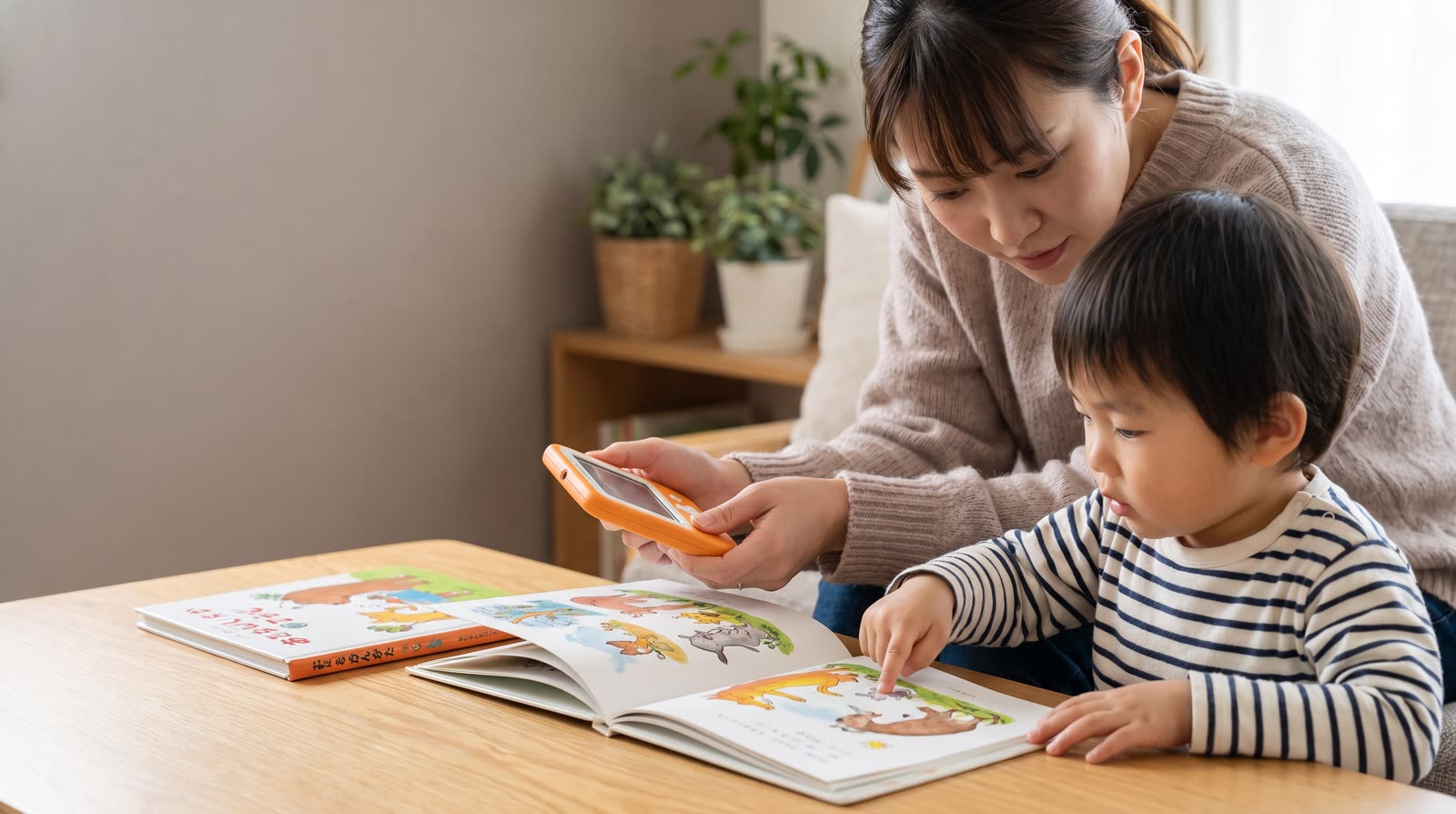
Entering preschool represents a major developmental milestone in a young child's life, characterized by shifting social dynamics, structured daily schedules, new peer interactions, and unfamiliar physical environments. For children who have developed a deep, comforting attachment to books, storytelling, and reading routines in their home environment, this significant transition can sometimes introduce separation anxiety, emotional vulnerability, or temporary disruptions to their literacy habits. Introducing a familiar yet novel medium—such as an interactive reading pen set—can bridge the vital gap between home comfort and classroom structure. When children can independently tap words, characters, or illustrations to hear correct pronunciation, comforting sound effects, or engaging narrations, it fosters a vital sense of agency, autonomy, and emotional reassurance during a period of environmental change. B2B buyers, educational institutions, and retail partners must consider how tactile and auditory reassurance helps maintain enthusiasm for learning during these pivotal transitional phases. Furthermore, understanding the psychological comfort that familiar narrative structures provide allows manufacturers and distributors to design product bundles that specifically address separation anxiety while encouraging independent exploration, self-soothing through storytelling, and positive classroom adaptation across diverse cultural settings.
Sustaining Book-Loving Children's Engagement Through Interactive Audio
Children who already love books often possess an advanced curiosity about print concepts, letter-sound correspondence, narrative arcs, and imaginative worlds. Interactive audio reading pens do not replace traditional storytelling; rather, they extend a book-loving child's independent exploration by offering multi-sensory feedback that deepens comprehension without stifling imagination. By allowing children to replay favorite refrains, hear authentic native pronunciation, or explore hidden auditory layers within illustrations, these tools sustain prolonged attention spans and encourage active participation. However, educators and procurement specialists should verify that the book content maintains high literary and artistic value rather than relying solely on flashy gimmicks, ensuring that the child's natural love for deep reading is cultivated rather than distracted. When children are encouraged to interact actively with text through optical touch points, their phonetic decoding skills and vocabulary acquisition receive gentle, self-paced reinforcement that respects their inherent enthusiasm for literature and supports advanced cognitive growth without inducing screen fatigue.
Pedagogical Principles and Adult Co-Engagement in Early Literacy
Supporting Phonological Awareness and Vocabulary Growth
Phonological awareness—the ability to recognize, distinguish, and manipulate spoken parts of sentences, syllables, and phonemes—is a foundational pillar of reading readiness and future academic success. Reading pen systems can reinforce phonics, rhyming patterns, and expansive vocabulary when paired with systematically designed picture books and structured audio files. As noted by the American Academy of Pediatrics (AAP) on early literacy, interactive media is most effective when it bridges real-world interactions rather than isolating the child or substituting human connection. Audio tools should complement systematic phonics instruction and rich verbal exchanges between children and adults, serving as scaffolded learning aids rather than standalone solutions. Educators must ensure that audio components highlight word boundaries, syllable segmentation, and rich descriptive language, thereby supporting diverse learning modalities without overwhelming the cognitive load of young learners during early developmental stages. When audio prompts invite children to repeat words or mimic rhythms, they reinforce active listening skills and phonetic articulation.
The Crucial Role of Adult Guidance and Shared Reading Interaction
Even the most technologically advanced reading pen cannot replicate the emotional warmth, dialogic reading, empathetic feedback, and responsive questioning provided by a parent, teacher, or caregiver. When presenting an interactive book set as a preschool transition gift, adults should actively participate in shared reading sessions—asking open-ended questions, discussing character motivations, predicting plot twists, and connecting story themes directly to the child's upcoming preschool experiences and emotional milestones. B2B distributors and educational brands should emphasize adult-child co-engagement in their product manuals, packaging guidance, teacher guides, and marketing collateral to promote healthy developmental outcomes. By framing the reading pen as a collaborative tool that invites conversation between adults and children rather than an isolating gadget, brands uphold the highest standards of developmental responsibility and educational integrity, fostering stronger emotional bonds, enhanced vocabulary retention, and deeper comprehension.
B2B Evaluation and Technical Quality Assurance for Reading Pen Systems
Optical Sensor Precision and Audio Encoding Standards
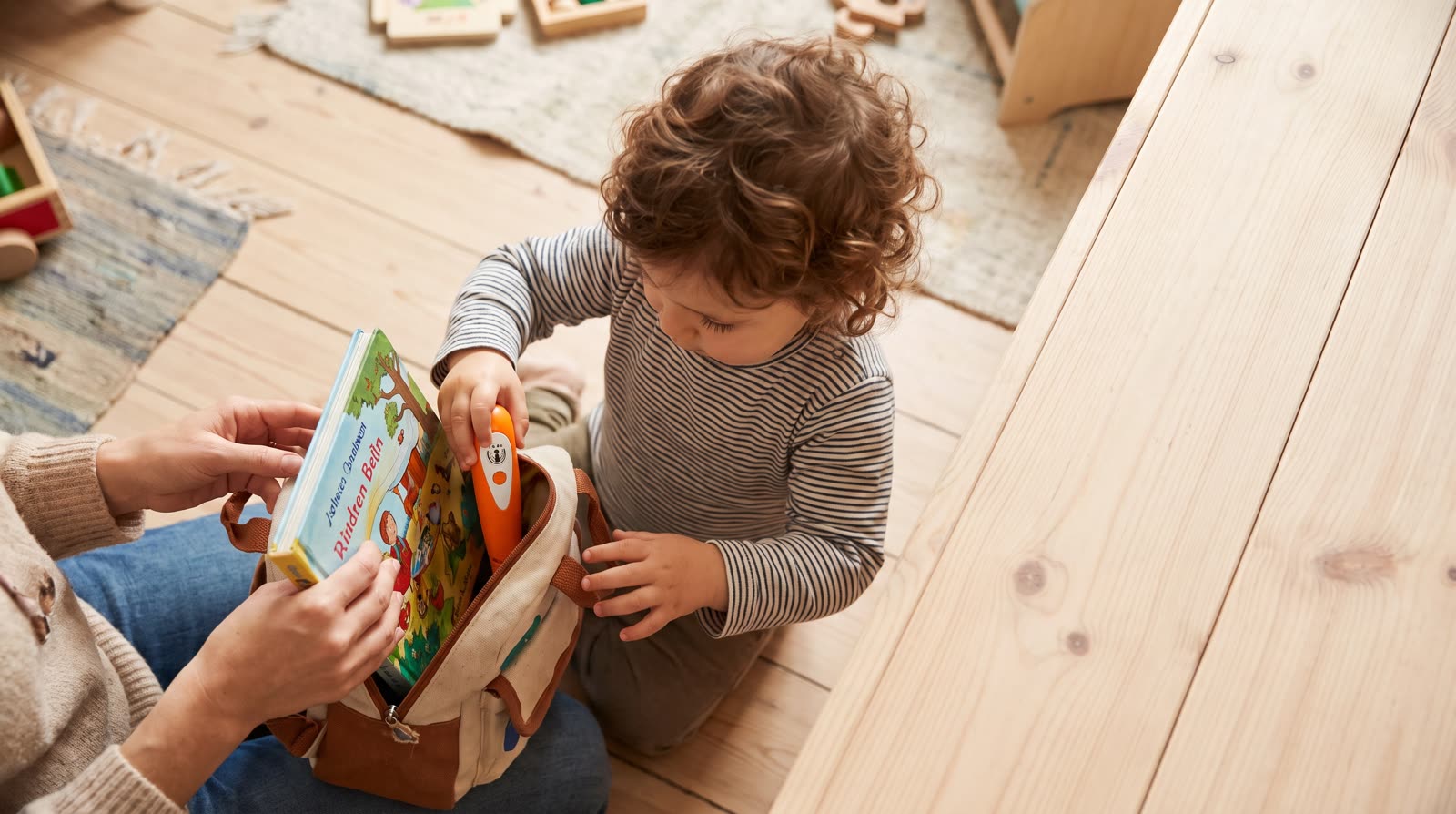
For B2B buyers, distributors, and educational institutions, technical reliability and manufacturing precision are paramount. Reading pens rely on high-precision optical CMOS sensors located at the tip of the pen to read invisible OID (Optical Identification) dot codes printed alongside or beneath visible ink on book pages. Evaluating sample units requires rigorous testing of scanning speed, recognition accuracy under diverse lighting conditions, and audio playback latency. High-quality manufacturing standards ensure that subtle dot patterns do not degrade visual aesthetics while maintaining near-perfect decoding accuracy across repeated page turns and heavy handling. Furthermore, audio encoding bitrate, speaker frequency response, and memory storage capacity must be strictly calibrated to deliver crisp, distortion-free voice narration and sound effects that protect young children's sensitive hearing while maintaining optimal acoustic clarity in busy preschool or home environments. Supply chain partners must maintain strict quality control over optical printing plates and sensor calibration tolerances to avoid misreads and customer dissatisfaction.
Material Safety, Battery Compliance, and Durability
Preschool-aged children subject toys and learning aids to heavy physical handling, dropping, and mouthing. Therefore, manufacturing compliance with child product safety standards is non-negotiable. According to the U.S. Consumer Product Safety Commission (CPSC) guidelines on children's products, items must undergo strict testing for mechanical hazards, small parts, surface coatings, and electrical safety. Reading pens must feature secure, tamper-resistant battery compartments (typically rechargeable lithium-ion cells with overcharge protection or screw-secured AAA compartments), non-toxic food-grade ABS plastics, rounded ergonomic profiles, and robust drop-resistance housing to prevent breakage and injury during daily classroom or home use. Rigorous compliance ensures that supply chain partners minimize liability while delivering safe, durable products that withstand the rigors of early childhood education across global markets.
ReadGlo project support
Request Product Samples
Evaluate ReadGlo's OEM/ODM interactive reading pen and talking book sets for your preschool distribution or retail catalog with rigorous quality standards.
Procurement, Sample Review, and Supply Chain Best Practices
Conducting Rigorous Functional and Usability Inspections
When sourcing reading pen sets for wholesale, retail, or institutional distribution, supply chain teams must establish a standardized sample evaluation protocol. This process includes verifying speaker clarity at various volume levels, checking firmware update stability, testing USB charging port durability, and assessing book binding strength (such as lay-flat sewn bindings coated with anti-scratch matte lamination to withstand frequent page turning). Procurement professionals should request comprehensive third-party laboratory test reports covering chemical composition, heavy metal limits, phthalate restrictions, and electromagnetic compatibility before confirming bulk production orders. Establishing clear quality acceptance thresholds ensures that every shipment meets international safety and performance benchmarks, safeguarding brand reputation and end-user satisfaction across global markets. Factory audits and pre-shipment inspections further mitigate supply chain risks and ensure consistent product quality.
Ensuring Book Code Compatibility and Firmware Stability
A common technical challenge in interactive publishing is ensuring seamless compatibility between audio files, firmware versions, and printed book editions. B2B buyers must work closely with manufacturers to establish robust version control systems. If publishers release updated book editions or localized multi-language audio packs, the reading pen firmware must support easy OTA (Over-The-Air) updates or straightforward drag-and-drop PC/Mac syncing without risking data corruption or code mismatching. Clear technical documentation, reliable software maintenance support, and standardized data structures are essential hallmarks of top-tier manufacturing partners in the educational technology sector, ensuring long-term operational viability for institutional buyers and seamless end-user experiences.
Addressing Developmental Diversity and Individual Learning Needs
Supporting Children with Diverse Learning Paces and Sensory Preferences
Building inclusive learning environments requires acknowledging that every child enters preschool with a unique developmental profile, sensory sensitivity, and learning tempo. While some children thrive on the auditory and visual feedback of interactive pens, others may find rapid audio cues, bright lights, or unexpected sound effects overwhelming. Educators and caregivers should observe individual children's responses, offering adjustable volume controls, headphone options, or traditional non-electronic reading alternatives when sensory fatigue occurs. Products designed with customizable audio speeds, multi-level reading challenges, and quiet exploration modes offer greater versatility across diverse early childhood classrooms and inclusive educational settings, ensuring that every child feels supported, respected, and empowered in their literacy journey.
Consulting Educational Specialists and Following Evidence-Based Frameworks
When integrating interactive reading tools into structured preschool curricula or specialized learning support programs, stakeholders should avoid making unverified developmental claims or guaranteeing specific academic outcomes. If developmental delays, speech articulation concerns, or reading difficulties are suspected, parents and educators must consult qualified professionals, speech-language pathologists, or pediatric specialists. Educational distributors should partner with literacy experts to ensure that product content aligns with established early childhood development frameworks, promoting supportive, evidence-based learning environments that respect each child's unique trajectory, individual needs, and holistic developmental well-being.
Frequently Asked Questions
Are reading pens appropriate for 3-to-4-year-olds entering preschool?
Yes, when selected with age-appropriate content and durable construction. They support fine motor skills and independent exploration, but should be used alongside adult guidance rather than as a replacement for shared reading.
What safety certifications should B2B buyers look for when sourcing reading pens?
Buyers should verify compliance with international standards such as CE, RoHS, ASTM F963, and CPSC guidelines, ensuring non-toxic materials, secure battery compartments, and safe electrical components suitable for young children.
How do reading pens recognize text on the page?
Reading pens utilize a microscopic optical CMOS sensor at the tip to read invisible OID (Optical Identification) dot codes printed alongside the text and illustrations, instantly triggering the corresponding audio file.
Can talking picture books replace traditional preschool teacher-led storytime?
No. Interactive reading pens and talking books serve as supplementary independent learning tools. They cannot replicate the dynamic dialogic reading, emotional connection, and responsive questioning provided by teachers and parents.
What should be done if a reading pen shows signs of battery overheating or damage?
Immediately stop using and do not charge the device. Avoid disassembling the unit and contact the manufacturer or authorized service channels for inspection, following standard CPSC safety protocols.
Conclusion
A reading pen and talking picture book set can be a wonderful, engaging first-day preschool gift for a book-loving child, bridging home comfort with interactive classroom readiness. However, success depends heavily on product quality, safety compliance, and balanced adult co-engagement. For B2B buyers, distributors, and educational institutions, rigorous sample testing, adherence to child safety standards like CPSC, and collaboration with literacy frameworks ensure that interactive reading tools deliver genuine educational value and enduring market trust in the global early childhood sector.
Continue your research
Related reading pen buyer guides
Use these related guides to compare the next product, content, sourcing or channel decision in your project.
- Gift GuideIs a Reading Pen and Talking Picture Book Set a Good First Day of Preschool Gift for a 2-Year-Old?Read this guide
- ProductsIs It Worth Buying a Used Bilingual Talking Book Bundle? Evaluating Risks, Compatibility, and ValueRead this guide
- Gift GuideIs a Reading Pen and Talking Picture Book Set a Good First Day of Preschool Gift for a 3-Year-Old?Read this guide
Continue with ReadGlo
See product specifications and request model-specific documentation.
ReadGlo project support
Get a Wholesale Quote
Partner with ReadGlo for certified, safe, and engaging early literacy audio solutions tailored to your educational market.