Contents
Introduction
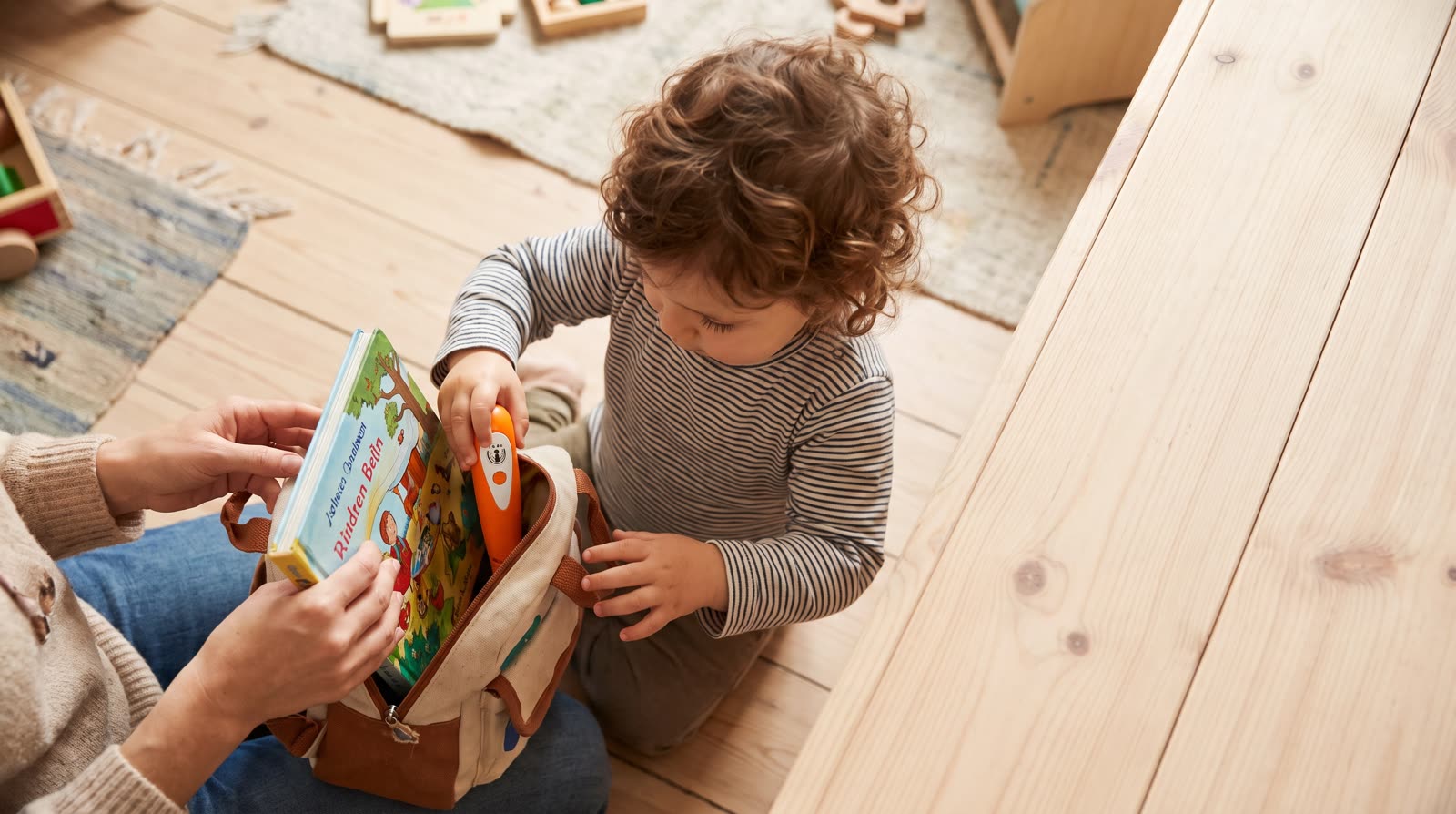
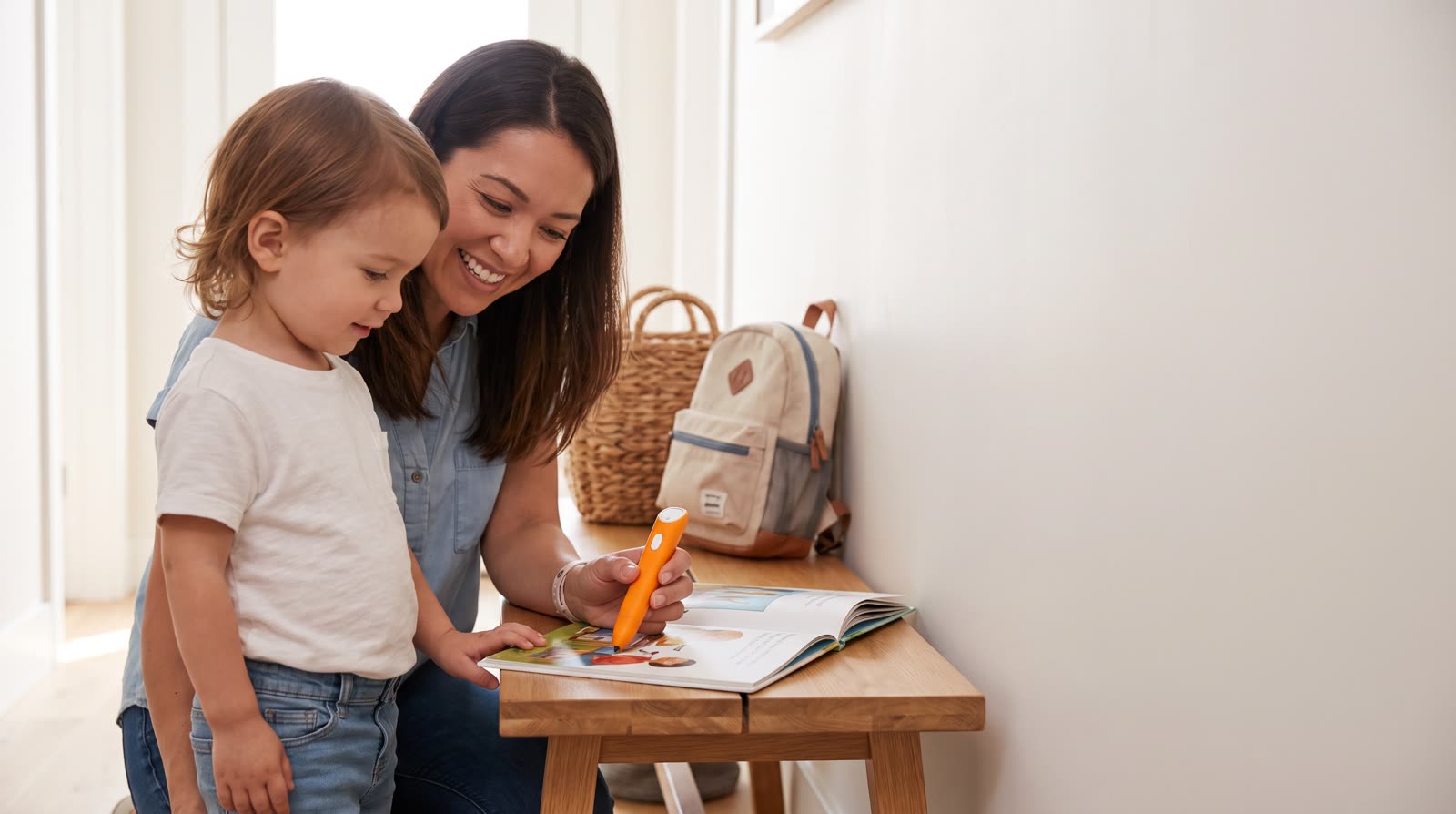
Entering preschool at three years old represents a monumental developmental milestone for young children, marked by rapid expansion in expressive language, social curiosity, and fine motor dexterity. For B2B buyers, educational toy distributors, kindergarten procurement managers, and specialized retail brands partnering with ReadGlo, selecting the right product offerings for seasonal milestones—such as the first day of preschool—requires balancing child development science with rigorous commercial viability. A children's reading pen paired with interactive talking picture books can serve as an exceptional preschool entry gift, provided the hardware ergonomics, acoustic fidelity, book binding durability, and audio content design align precisely with the cognitive and motor capabilities of a typical three-year-old child. This comprehensive guide evaluates whether interactive reading sets fulfill this role effectively, outlining developmental frameworks, hardware evaluation protocols, sample review best practices, and distribution strategies without relying on unverified claims or fabricated performance metrics.
1. Developmental Alignment: Understanding the Three-Year-Old Learner
Cognitive and Linguistic Readiness at Age Three
At three years of age, children undergo a dramatic shift from parallel play and telegraphic speech to active sentence formation, symbolic thinking, and narrative comprehension. According to guidance from the American Academy of Pediatrics (AAP) on early childhood literacy and development, three-year-olds typically possess receptive vocabularies far exceeding their expressive abilities, making auditory-visual multimodal learning highly effective. An interactive reading pen bridges this gap by allowing children to tap words or illustrations and instantly hear correct pronunciation, sound effects, or character dialogue. This immediate feedback loop reinforces phonemic awareness and associates printed text with spoken language without inducing cognitive overload. When sourcing or designing talking book sets for this age group, B2B procurement teams must verify that sentence structures in the accompanying books feature repetitive patterns, predictable rhyme schemes, and culturally neutral imagery that supports early literacy development as outlined by organizations like Reading Rockets.
Fine Motor Skills and Ergonomic Compatibility
The physical transition to preschool also coincides with refining fine motor control, specifically the transition from a palmar grasp to a transitional tripod or digital grasp. A three-year-old hand requires writing instruments and pointing tools that are lightweight, sufficiently thick to prevent finger cramping, and balanced in weight distribution. When evaluating reading pens for this demographic, factory specification reviews must focus on optical sensor placement and barrel circumference. If a pen is too slender or heavy, children quickly experience hand fatigue and abandon independent use. Furthermore, optical OID (Optical Identification) camera sensors embedded in the pen tip must exhibit high tolerance for slight tilting angles, accommodating the unsteady hand movements characteristic of three-year-old learners. Ensuring robust anti-scratch lens coatings protects the optical module from dust and surface abrasion during daily classroom or home use.
2. Hardware Specifications and Safety Standards for Educational Distributors
Acoustic Safety and Audio Quality Standards
Young children possess sensitive auditory systems, making sound output limitation a critical manufacturing and safety consideration. Educational toys and reading pens distributed internationally must comply with strict acoustic safety standards, ensuring that maximum volume levels at the ear speaker do not exceed recommended decibel thresholds (typically below 85 dB). For B2B buyers working with manufacturing partners like ReadGlo, verifying acoustic circuit designs—such as integrated volume-limiting resistors and distortion-free speaker amplifiers—is essential. Additionally, the clarity of human-voice narration is paramount; synthetic text-to-speech (TTS) engines often mispronounce phonetic subtleties or lack natural prosody, whereas professionally recorded human narration with warm pacing fosters genuine listening comprehension and language modeling in three-year-old listeners.
Material Safety, Durability, and Compliance Protocols
Preschool gifts face rigorous physical treatment, from accidental drops on hard floors to exposure to saliva and rough handling. Consequently, housing materials must consist of non-toxic, food-grade ABS or polycarbonate plastics certified to comply with international toy safety directives such as ASTM F963, EN71, and CPSIA guidelines. According to the U.S. Consumer Product Safety Commission (CPSC) guidelines for children's products, toys intended for children under three or three-year-olds must not present choking hazards through detachable small parts. For reading pen sets, battery compartments must feature screw-secured lids to prevent unauthorized access to lithium-ion or alkaline cells. Regarding battery care and power systems, buyers must establish strict operational guidelines: users should avoid attempting to disassemble sealed units, and if any device exhibits signs of moisture ingress, physical damage, abnormal heating, swelling, leakage, or smoke emission, operation must cease immediately without recharging, followed by prompt consultation with the manufacturer or authorized service channels.
ReadGlo project support
Request OEM/ODM Catalog
Explore ReadGlo's complete collection of interactive reading pens and talking picture book sets tailored for early childhood education distributors and retail brands.
3. Evaluating Sample Kits and Pre-Production Quality Assurance
Conducting Structured Sample Reviews and OID Code Accuracy Checks
Before committing to bulk orders or seasonal promotional campaigns, B2B importers, educational publishers, and retail buyers must establish a rigorous sample evaluation protocol. The sample review phase serves as the critical gatekeeper for product quality, user experience, and market fit. Key evaluation steps include testing optical code readability across various paper finishes (matte vs. gloss), verifying that dot-matrix OID codes printed on book pages do not distort illustrations, and checking sensor responsiveness under different ambient lighting conditions. Evaluators should simulate real-world child usage by testing how quickly the pen boots up, how intuitively volume and mode buttons operate, and whether audio files load seamlessly from internal flash memory or micro-SD cards without lag.
Pre-Shipment Inspection (PSI) and Packaging Integrity
Beyond sample testing, establishing clear pre-shipment inspection (PSI) criteria ensures consistent mass production quality. Procurement managers should collaborate with suppliers to define acceptable quality limits (AQL) covering drop tests, button lifecycle endurance tests, battery charging stability, and packaging drop protection. For gift sets targeted at first-day-of-preschool events, unboxing presentation matters greatly. Packaging should utilize sturdy corrugated cardboard inserts rather than flimsy plastic blisters, protecting both the reading pen and accompanying picture books during international transit and retail display. Clear labeling regarding age grading (3+), battery requirements, and quick-start instructions minimizes end-user friction and reduces retail return rates.
4. Strategic Positioning for Retailers, Schools, and B2B Channels
Positioning Interactive Reading Sets as Educational Transition Tools
Marketing a reading pen and talking book set as a first-day-of-preschool gift requires positioning the product not merely as an entertainment toy, but as a bridge facilitating emotional and cognitive transition. Entering preschool often triggers separation anxiety and unfamiliarity with structured learning environments. Interactive books featuring familiar daily routines—such as classroom sharing, making friends, and story circle participation—help normalize the preschool experience. Distributors and educational suppliers can market these bundles to preschool administrators, parent-teacher associations (PTAs), and specialty toy retailers by emphasizing independent exploration, parent-child bonding moments during evening reading routines, and screen-free digital engagement.
Managing Distribution Channels and Educational Compliance
When expanding product lines into international markets, B2B distributors must navigate varied regional compliance and educational procurement standards. Retailers should ensure that audio content is easily localized or adaptable to multiple languages, supporting bilingual families and ESL (English as a Second Language) early learning programs. Collaborating with educational consultants and child development specialists allows brands to back their product claims with sound pedagogical principles. When questions regarding special learning needs, speech delays, or attention difficulties arise, educators and retail staff should direct parents to consult qualified pediatricians, speech-language pathologists, or early childhood special education professionals rather than relying solely on product claims.
Frequently Asked Questions
Are reading pens safe and durable enough for active 3-year-old preschoolers?
Yes, when manufactured in compliance with international toy safety standards such as ASTM F963 and EN71. Quality reading pens feature robust, non-toxic ABS plastic shells, secure battery compartments, and impact-resistant optical sensor tips designed to withstand drops and daily handling by young children.
How do talking picture books support early literacy development in children starting preschool?
According to the American Academy of Pediatrics (AAP) and early literacy research, multimodal learning—combining visual illustrations, printed text, and immediate auditory reinforcement—enhances phonemic awareness, vocabulary acquisition, and narrative comprehension without relying on screen-based devices.
What should B2B buyers look for during sample evaluations of reading pen sets?
Buyers should evaluate optical OID code recognition across different paper finishes, audio narration clarity and natural pacing, battery charging stability, ergonomic comfort for small hands, and overall structural durability of both the pen and book bindings.
Can reading pen sets be customized for bilingual education or specific international markets?
Yes. Most OEM and ODM manufacturing partners, including ReadGlo, support multi-language audio firmware flashing, custom book content localization, and bespoke packaging design to meet regional curriculum and retail requirements.
What safety precautions should be taken if a reading pen shows battery or power anomalies?
Following U.S. Consumer Product Safety Commission (CPSC) guidance for electronic devices, users must immediately stop using and refrain from charging any device exhibiting signs of moisture ingress, physical damage, abnormal heating, swelling, leakage, or smoke, and contact the manufacturer or authorized service channels.
Conclusion
In summary, a children's reading pen and talking picture book set serves as an outstanding first-day-of-preschool gift for a three-year-old child, successfully bridging cognitive development, independent exploration, and screen-free engagement. For B2B buyers, educational distributors, and retail brands partnering with ReadGlo, ensuring rigorous adherence to acoustic safety standards, material compliance, ergonomic design, and thorough pre-production sample evaluation is paramount for commercial success. By combining solid pedagogical foundations with dependable manufacturing oversight, industry partners can deliver enriching, high-quality educational products that delight young learners and support families during major developmental milestones.
Continue your research
Related reading pen buyer guides
Use these related guides to compare the next product, content, sourcing or channel decision in your project.
- Gift GuideIs a Reading Pen and Talking Picture Book Set a Good First Day of Preschool Gift for a 2-Year-Old?Read this guide
- Gift GuideIs a Reading Pen and Talking Picture Book Set a Good First Day of Preschool Gift for a 4-Year-Old?Read this guide
- Gift GuideIs a Reading Pen and Talking Picture Book Set a Good First Day of Preschool Gift for a Child Who Loves Books?Read this guide
Continue with ReadGlo
See product specifications and request model-specific documentation.
ReadGlo project support
Send Your Requirements
Partner with ReadGlo to source certified, high-quality reading pen sets for your upcoming educational product line. Contact our B2B team today for sample requests and custom quotation details.