
Contents
Introduction
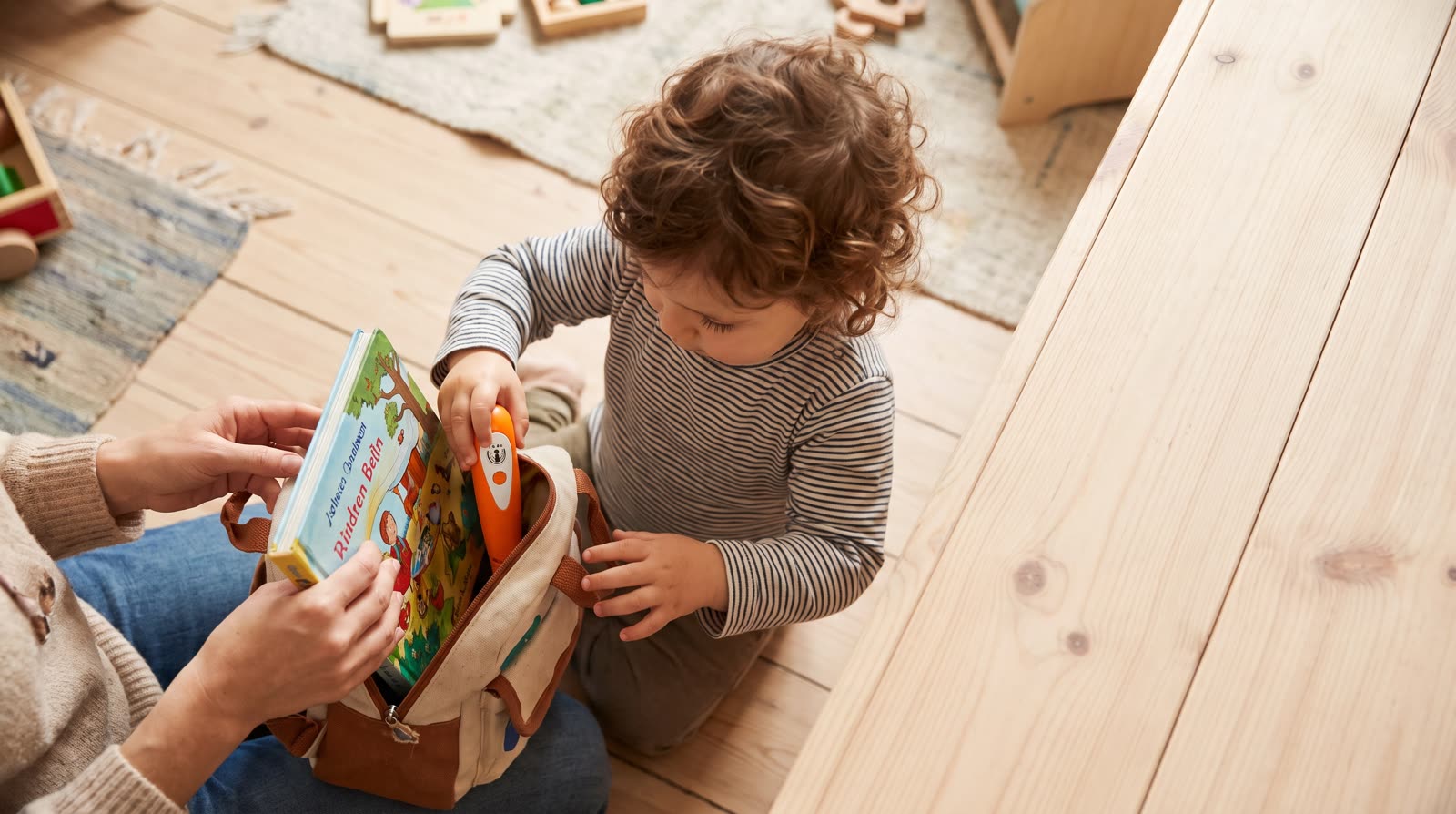
The transition to preschool at age two marks a monumental milestone in a child's early development, characterized by rapid vocabulary expansion, burgeoning independence, and the first steps into structured social environments. For family members, educators, and retail buyers curating thoughtful gifts, selecting items that ease this transition while fostering cognitive and linguistic growth is paramount. Audio-enhanced learning tools, specifically reading pens paired with talking picture books, have emerged as prominent offerings in the early childhood education market. However, evaluating whether an interactive reading system serves as an appropriate first-day-of-preschool gift for a two-year-old requires a nuanced understanding of toddler developmental stages, hardware safety standards, and pedagogical best practices. While these tools offer engaging auditory feedback that can reinforce early phonemic awareness, their effectiveness depends heavily on product design, adult guidance, and age-appropriate content alignment. This guide examines the developmental considerations, hardware safety protocols, procurement criteria, and practical implementation strategies for B2B partners, educators, and adult gift-givers assessing talking book sets for two-year-old learners.
Developmental Readiness and Early Literacy for Two-Year-Olds
Cognitive and Language Milestones at Age Two
At two years of age, children undergo significant cognitive and linguistic transformations. According to guidelines from organizations such as the American Academy of Pediatrics (AAP) and the Centers for Disease Control and Prevention (CDC), typical two-year-olds are expanding their vocabularies from a few single words to simple two- or three-word phrases, following simple instructions, and pointing to objects or pictures when named. Early literacy at this stage is fundamentally relational and multi-sensory, relying on shared book reading, pointing, naming, and vocal imitation. When introducing interactive media such as a talking pen and picture book set, adult gift-givers and educators must recognize that technology should complement, rather than replace, human interaction. The primary value of an audio-enhanced book for a two-year-old lies in its ability to spark curiosity, encourage joint attention between child and caregiver, and reinforce familiar concepts related to daily routines, emotions, and preschool environments.
Supporting the Preschool Transition Through Narrative
Starting preschool often brings excitement alongside mild separation anxiety or adjustment stress. Picture books that depict classroom routines, saying goodbye to caregivers, and meeting new friends can normalize these new experiences. When a reading pen adds gentle sound effects, character voices, or musical cues to these stories, it can capture a two-year-old's short attention span and make narrative engagement more immersive. However, educators and child development specialists emphasize that two-year-olds vary widely in their developmental trajectories. If a child exhibits sensory sensitivities, language delays, or difficulty maintaining focus, adults should avoid diagnosing or expecting uniform learning outcomes. Instead, stakeholders should consult qualified early childhood educators, pediatricians, or speech-language pathologists when designing literacy interventions or selecting educational gifts, ensuring that the child's individual pace is respected and supported.
Hardware Safety, Ergonomics, and Durability Standards
Toddler-Specific Design and Material Safety
Two-year-olds explore the physical world through touch, grasping, and occasionally mouthing objects. Consequently, hardware safety is the single most critical criterion when evaluating reading pens and interactive book sets for this age group. B2B buyers, educational institutions, and retail partners must verify that electronic components comply with rigorous international safety frameworks, such as those overseen by the Consumer Product Safety Commission (CPSC) for children's products. Pens intended for toddlers must feature robust, non-toxic ABS plastic housing, secure battery compartments fastened with tamper-resistant screws, and rounded, ergonomic shapes that fit comfortably in small hands without posing choking hazards. Furthermore, optical reading sensors must operate at safe infrared or low-power LED levels, and audio output must be strictly regulated to protect developing infant and toddler eardrums.
Product Care, Handling, and Safety Protocols
Maintaining electronic learning aids requires adherence to strict low-risk external inspection and handling protocols. Adult supervisors should conduct regular external checks for cracks, loose parts, or frayed charging cables. Users must explicitly avoid attempting to disassemble or modify reading pens, as internal lithium-ion batteries and circuit boards pose safety risks if mishandled. In the event of moisture exposure, physical drops, abnormal heating, battery swelling, fluid leakage, or smoking, adults must immediately cease operating the device, disconnect it from power sources, and avoid charging it. Damaged units should be set aside and referred to the manufacturer or qualified customer service channels for evaluation. B2B distributors should ensure that user manuals clearly articulate these safety warnings in multiple languages appropriate for their target regional markets.
Selecting Appropriate Talking Book Sets for Preschool Beginners
Content Themes and Cognitive Load Management
Two-year-olds possess limited working memory and processing capacity. Therefore, talking book sets designed for this age group must feature uncluttered page layouts, high-contrast illustrations, and simple, predictable storylines. Complex interactive games or multi-layered audio prompts can easily overwhelm a young toddler. Ideal preschool transition titles focus on foundational themes: family routines, animal sounds, basic colors and counting, and gentle social interactions in a classroom setting. When evaluating book content, educational buyers should verify that the optical dot codes (OID codes) printed on the pages are seamlessly integrated into the artwork without creating visual clutter or distraction, allowing the reading pen to trigger accurate, high-quality audio responses instantly upon contact.
Physical Durability of Interactive Books
Standard paper books are frequently torn, crumpled, or chewed by active two-year-olds. For an interactive book set to serve as a durable preschool gift or classroom resource, the physical construction must withstand heavy, repetitive handling. Procurement specialists and retailers should look for heavy-gauge board book pages, laminated coatings that resist moisture and spills, rounded corners to prevent scratching, and secure spine binding that allows books to lie flat during reading sessions. Additionally, publishers and manufacturers must ensure robust version control: if book firmware or audio files are downloadable, the website hosting these resources must maintain stable, backward-compatible archives so that older book editions continue to function correctly with updated reading pens.
ReadGlo project support
Request Product Catalog
Discover ReadGlo's certified safe, durable interactive reading pens and preschool book sets tailored for global distributors and educational retailers.
B2B Procurement, Sample Evaluation, and Quality Assurance
Systematic Evaluation of Supplier Samples
For B2B distributors, toy retailers, and educational supply buyers, stocking interactive reading pen systems requires a disciplined sample evaluation process before placing volume orders. Procurement teams should request physical samples to assess key performance indicators: optical tracking accuracy across various printed colors and textures, speaker clarity and volume control limits, battery longevity under continuous operation, and software update simplicity. Buyers must also examine compliance documentation, including certificates of conformity for electrical safety, electromagnetic compatibility (EMC), and chemical safety (such as phthalate and heavy metal restrictions), ensuring alignment with destination market regulations.
Verifying Specifications, Age Grading, and Compliance
When drafting purchasing agreements or catalog descriptions, B2B partners must maintain meticulous accuracy regarding product specifications. Avoid marketing language that guarantees specific cognitive acceleration or academic superiority; instead, emphasize developmental support, sensory engagement, and guided play. Catalog listings and packaging must clearly state age-grading suitability (e.g., recommended for ages 2 and up with adult supervision), battery specifications, and compatibility notes detailing whether specific pen models work exclusively with proprietary book series or support open-source audio formats. Establishing clear written terms regarding warranty coverage, defect return procedures, and batch traceability protects both the supplier and the retail partner.
Fostering Guided Parent-Child Engagement in Early Literacy
The Role of Adult Mediation in Interactive Reading
The introduction of a reading pen on the first day of preschool should serve as an invitation for shared bonding rather than solitary screen-free gadget use. Child development research highlights that two-year-olds learn language most effectively through interactive dialogue with responsive adults. When a caregiver or educator sits with the child, points to pictures, asks open-ended questions about the story, and demonstrates how to touch the pen to the page, the learning experience is profoundly enhanced. Adults should guide toddlers to alternate between listening to pre-recorded audio prompts and talking about what characters are feeling, bridging the gap between digital sound effects and real-world emotional understanding.
Structuring Daily Reading Routines Around Preschool Schedules
To maximize the benefit of a preschool transition gift, families and educators can integrate talking book sessions into predictable daily rhythms—such as quiet time after preschool pickup or a calming bedtime story routine. Consistency helps toddlers process the changes associated with starting school. Adults should monitor the child's engagement levels, ensuring that the reading session remains enjoyable and pressure-free. If a child prefers to flip pages manually without the pen or explore the book tactilely, caregivers should encourage that exploration rather than forcing audio interaction. Flexibility and responsiveness to the child's immediate emotional and sensory needs remain the hallmarks of effective early childhood guidance.
Frequently Asked Questions
Is a reading pen and talking book set safe for independent use by a 2-year-old?
Two-year-olds should always use electronic learning devices under adult supervision. While compliant products feature non-toxic materials, secure battery doors, and safe optical sensors, young toddlers should not operate charging cables independently or handle devices showing signs of physical damage or moisture exposure.
How do reading pens help a 2-year-old transition to preschool?
Interactive books with preschool themes can familiarize children with classroom routines, separation concepts, and daily schedules in an engaging, low-pressure format. Audio narration and sound effects capture toddler attention, while shared reading with a caregiver strengthens emotional security during the transition.
What should B2B buyers look for when sourcing interactive book sets for toddlers?
Buyers should verify compliance with international safety and toy standards (such as CPSC guidelines), assess board book physical durability (heavy cardstock, rounded corners, wipe-clean lamination), test optical tracking accuracy, and confirm stable firmware support and warranty terms from the manufacturer.
Can reading pens replace human educators or parents in early literacy development?
No. Audio pens and talking books are supplementary tools designed to support shared reading. Child development experts emphasize that responsive human interaction, conversation, and emotional connection between adults and toddlers are irreplaceable drivers of early language acquisition.
What steps should be taken if a reading pen malfunctions or overheats?
Immediately cease using the device, disconnect it from any charging cable, and do not attempt to disassemble it. Store the unit safely away from children and contact the manufacturer or authorized service channel for guidance in accordance with standard electrical safety protocols.
Conclusion
Selecting a reading pen and talking picture book set as a first-day-of-preschool gift for a two-year-old offers a bridge between engaging sensory play and early literacy development. By prioritizing rigorous safety standards, durable physical construction, age-appropriate content, and active adult mediation, B2B distributors, retailers, and educators can provide valuable resources that support young children during a major life transition. As the early childhood education market continues to evolve, maintaining a commitment to human-centered, safe, and reliable product curation ensures long-term trust and positive developmental outcomes for families navigating the journey of early learning.
Continue your research
Related reading pen buyer guides
Use these related guides to compare the next product, content, sourcing or channel decision in your project.
- Gift GuideIs a Reading Pen and Talking Picture Book Set a Good First Day of Preschool Gift for a 3-Year-Old?Read this guide
- Gift GuideIs a Reading Pen and Talking Picture Book Set a Good First Day of Preschool Gift for a 4-Year-Old?Read this guide
- Gift GuideIs a Reading Pen and Talking Picture Book Set a Good First Day of Preschool Gift for a Child Who Loves Books?Read this guide
Sources used for further reading
Continue with ReadGlo
See product specifications and request model-specific documentation.
ReadGlo project support
Send Your Requirements
Partner with ReadGlo to source premium, compliant audio-enhanced children's books and reading systems for your market. Contact our team today.