Contents
Introduction
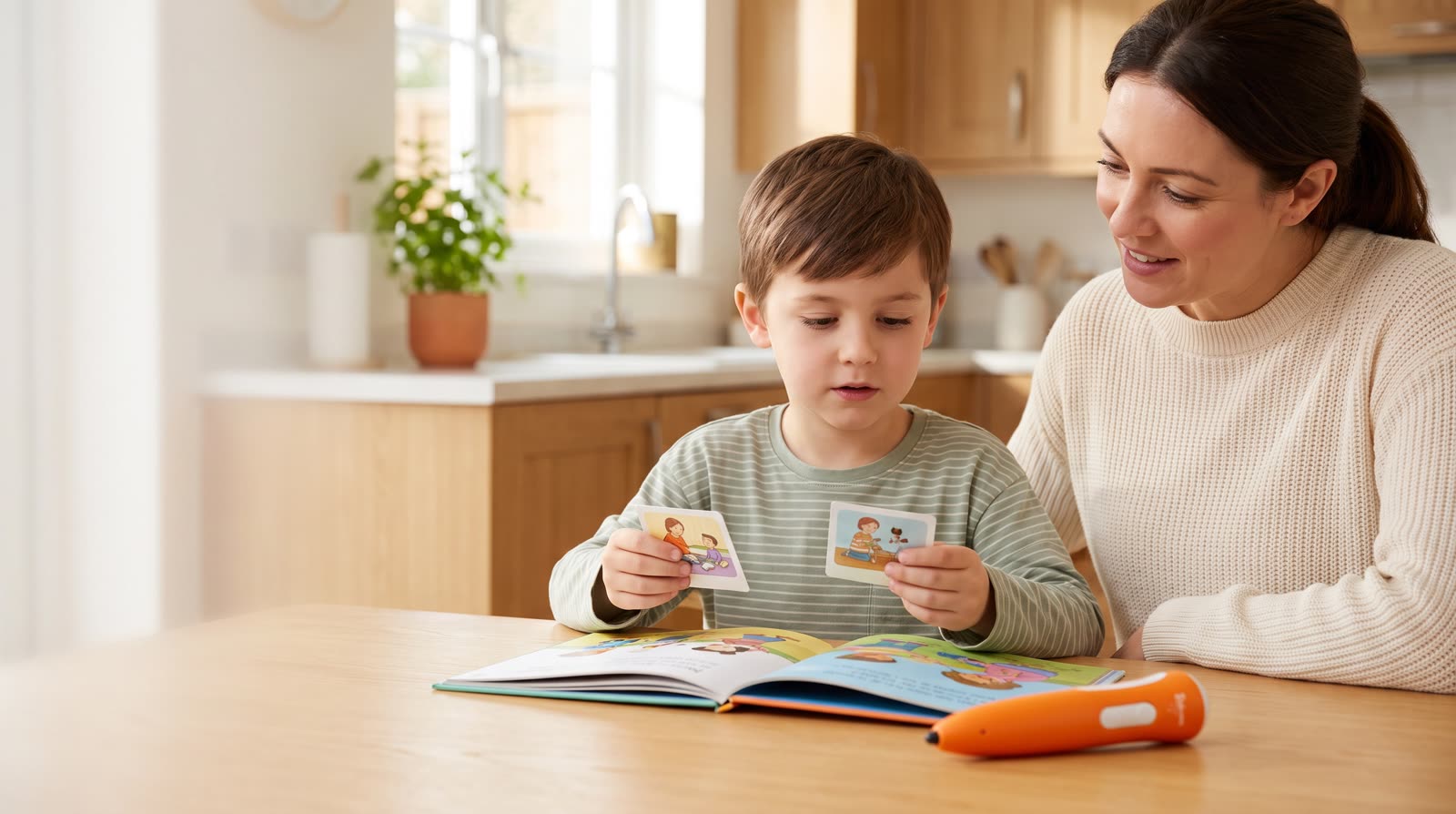
When evaluating assistive learning tools for children with Attention Deficit Hyperactivity Disorder (ADHD), educational distributors, school procurement officers, and toy brands must balance technological innovation with clinical and developmental appropriateness. A reading pen equipped with simple touch controls and predictable tactile feedback can serve as a supportive tool during shared reading activities by minimizing cognitive overload and reducing fine motor frustration. However, assistive hardware does not diagnose, treat, or cure medical conditions. Professional guidance from the American Academy of Pediatrics (AAP) and the Centers for Disease Control and Prevention (CDC) emphasizes that successful learning interventions rely on structured adult mediation, predictable routines, and collaborative strategies involving qualified educators and clinical specialists. This B2B guide examines the ergonomic, sensory, and manufacturing considerations required when sourcing and distributing touch-controlled reading pens for neurodivergent young learners.
Ergonomic Design and Tactile Interface Principles for Neurodivergent Learners
Minimizing Sensory and Cognitive Overload Through Intuitive Tactile Feedback
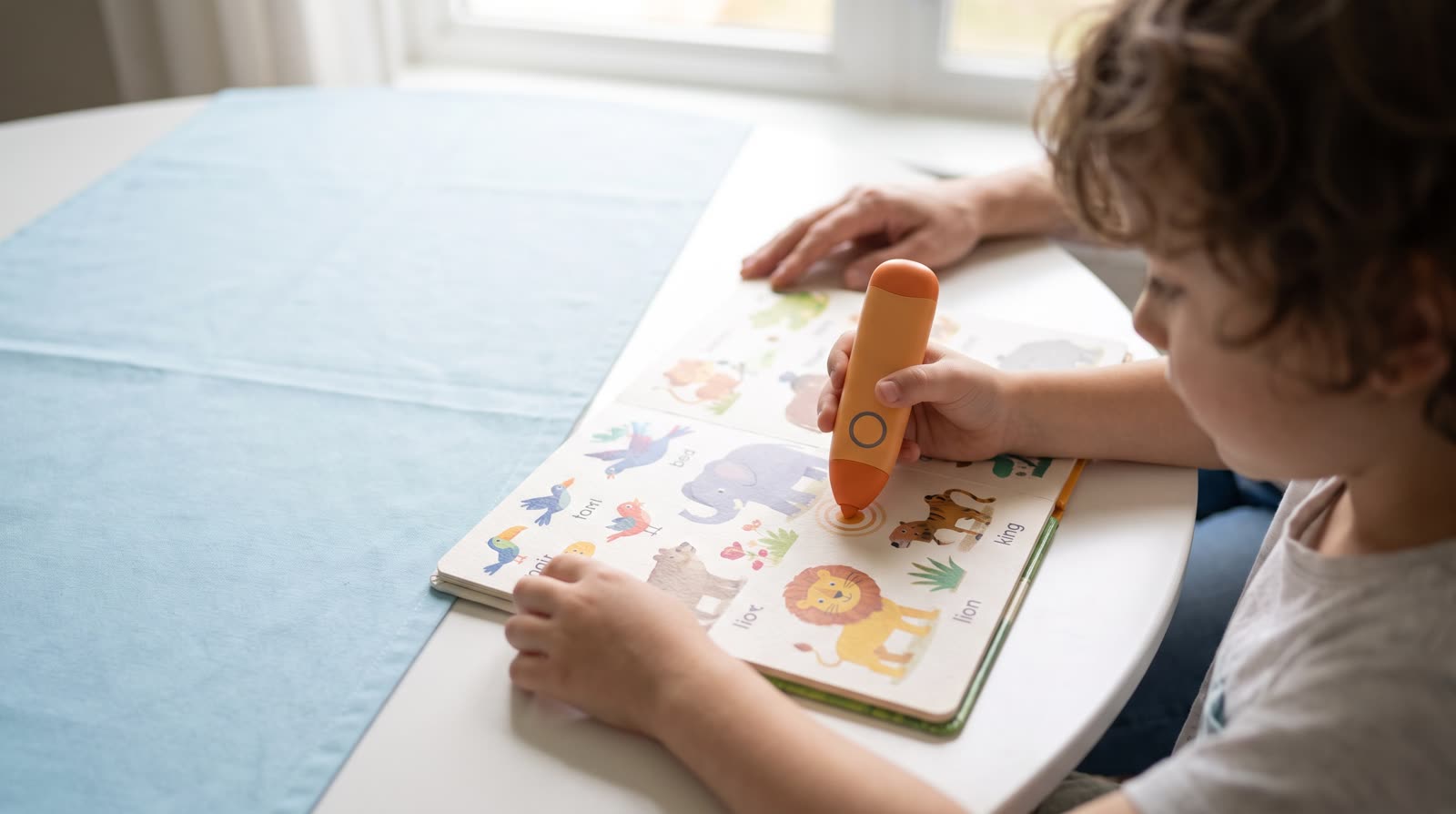
Children with ADHD frequently experience sensory processing differences that make complex digital interfaces overwhelming. Multi-button devices, flashing LED arrays, and intricate menu structures can distract attention away from text comprehension. Reading pens engineered with simple touch controls—such as a single primary optical sensor tip and minimal physical buttons—provide predictable, direct action-to-sound feedback. When a child touches a word or illustration, the immediate auditory response reinforces phonemic awareness without requiring multi-step navigation. For B2B buyers and educational product developers, streamlining the hardware interface ensures that the cognitive load remains focused entirely on language processing rather than device operation.
Reducing Fine Motor Frustration with Simplified Grip and Pressure Thresholds
Fine motor control variations are common among young children, and frustration caused by rigid equipment can lead to task abandonment. Tactile ergonomics play a vital role in maintaining sustained engagement during literacy sessions. Reading pens designed with wider grips, soft-touch matte finishes, and calibrated optical activation pressure allow children with varying motor skills to operate the tool comfortably. Factory sample reviews and prototype testing should prioritize ergonomic evaluations, ensuring that tip-activation pressure thresholds do not require excessive force while preventing accidental triggers during handling.
B2B Procurement and Quality Control Standards for Tactile Educational Hardware
Evaluating Durable Optical Sensors and Tactile Button Reliability in Factory Sample Reviews
Procurement officers sourcing interactive reading pens for school districts or retail distribution must establish rigorous factory evaluation protocols. Optical reading accuracy relies on high-resolution CMOS camera sensors embedded in the pen tip, capable of recognizing micro-dot OID (Optical Identification) codes printed on specialized paper surfaces. During sample review phases, buyers should verify sensor latency, code tracking consistency across various ink densities, and the mechanical durability of tactile push-buttons. Ensuring robust internal soldering and reinforced tip housings prevents common field failures associated with accidental drops or rough handling by young learners.
Material Safety, Non-Toxic Housing Standards, and Rigorous Pre-Shipment Functional Checks
Safety compliance is paramount when manufacturing educational electronics intended for children. Sourcing partners must ensure that all external plastic housings utilize food-grade, non-toxic ABS materials free from harmful phthalates and heavy metals, meeting international toy safety standards such as EN71 and ASTM F963. Pre-shipment inspections must include comprehensive functional checks, battery charge cycle verification, acoustic clarity testing, and drop-resistance sampling. Establishing strict quality control checkpoints during pre-shipment document verification safeguards brand reputation and ensures consistent product performance across global markets.
ReadGlo project support
Request Sample & OEM Catalog
Partner with ReadGlo to source high-quality, safety-certified talking pens and interactive picture book bundles tailored for educational distributors worldwide.
Safety Protocols, CPSC Compliance, and Responsible Distribution Guidelines
External Inspection Protocols and Safe Charging Guidelines for Assistive Hardware
Consumer safety education is a critical responsibility for wholesale distributors and retail brands. Retailers should provide clear safety documentation advising parents and educators to perform regular external inspections of reading pens and charging cables. Disassembly of the device by untrained users must be strictly prohibited to prevent internal component damage or battery puncture. In accordance with Consumer Product Safety Commission (CPSC) guidelines, if a device shows signs of being damp, physically damaged, abnormally hot, swelling, leaking, or smoking, users must immediately discontinue use, disconnect from power sources, and contact the manufacturer or qualified service channels for assessment.
Clear Product Labeling and Transparent Manufacturer Disclaimers for Wholesale Buyers
Commercial success in the educational technology sector relies on transparent communication and rigorous adherence to regulatory standards. Wholesale buyers and distributors must ensure that product packaging and user manuals contain precise operating instructions, age-appropriateness ratings, battery safety warnings, and explicit manufacturer disclaimers. Avoidance of unverified therapeutic claims ensures compliance with advertising regulations, while robust warranty terms and clear customer support pathways build enduring trust among institutional buyers, educators, and families.
Frequently Asked Questions
Do simple touch control reading pens replace clinical interventions or professional therapies for ADHD?
No. Assistive tools and interactive reading pens are designed to support engagement, tactile exploration, and shared reading activities. They do not diagnose, treat, or cure medical conditions. Educational interventions and clinical therapies for ADHD should always be guided by qualified medical professionals and certified educators.
What safety standards and compliance measures should wholesale buyers verify when sourcing interactive reading pens?
Wholesale buyers must verify non-toxic material compliance (such as EN71 and ASTM F963 for plastics and inks), electrical safety certifications (CE, FCC, RoHS), and battery safety standards. Buyers should conduct factory sample reviews and pre-shipment inspections to ensure structural integrity and reliable optical sensor performance.
How do simple touch controls benefit children with attention regulation challenges during reading sessions?
Simple touch controls minimize cognitive overload by eliminating complex button configurations and multi-level digital menus. This direct action-to-sound feedback allows children to focus their attention on storytelling and vocabulary acquisition without getting distracted by complicated device operation.
What steps should be taken if a reading pen exhibits abnormal behavior such as overheating or physical damage?
In accordance with CPSC safety recommendations, users must immediately stop using the device, disconnect it from any charging source, and refrain from attempting disassembly. The device should be set aside safely, and the manufacturer or qualified service channels must be contacted for professional evaluation.
Conclusion
In summary, reading pens equipped with simple touch controls offer significant value as supportive assistive tools for children with ADHD when integrated thoughtfully into structured, adult-mediated reading environments. By prioritizing ergonomic design, intuitive tactile feedback, and robust manufacturing quality control, B2B educational buyers and distributors can deliver reliable, engaging literacy solutions. Adherence to strict safety standards, transparent labeling, and alignment with professional guidance from organizations such as the AAP, CDC, and CPSC ensures that educational hardware serves both children and institutional partners with uncompromising safety and effectiveness.
Continue your research
Related reading pen buyer guides
Use these related guides to compare the next product, content, sourcing or channel decision in your project.
- Learning SupportEvaluating Human-Voice Narration Reading Pens for Children with ADHD: A Comprehensive B2B GuideRead this guide
- Learning SupportEvaluating Simple Touch Controls in Bilingual Children's Reading Pens: A Comprehensive B2B Buyer and Educator GuideRead this guide
- Learning SupportEvaluating Short Interactive Activities in Reading Pens for Children with ADHD: A B2B Evaluation and Design FrameworkRead this guide
Continue with ReadGlo
See a DOT-code picture-book set designed for guided early-learning programs.
ReadGlo project support
Connect with Our B2B Engineering Team
Discuss custom firmware, optical code compatibility, and bulk manufacturing specifications with our expert OEM/ODM team today.