Contents
Introduction
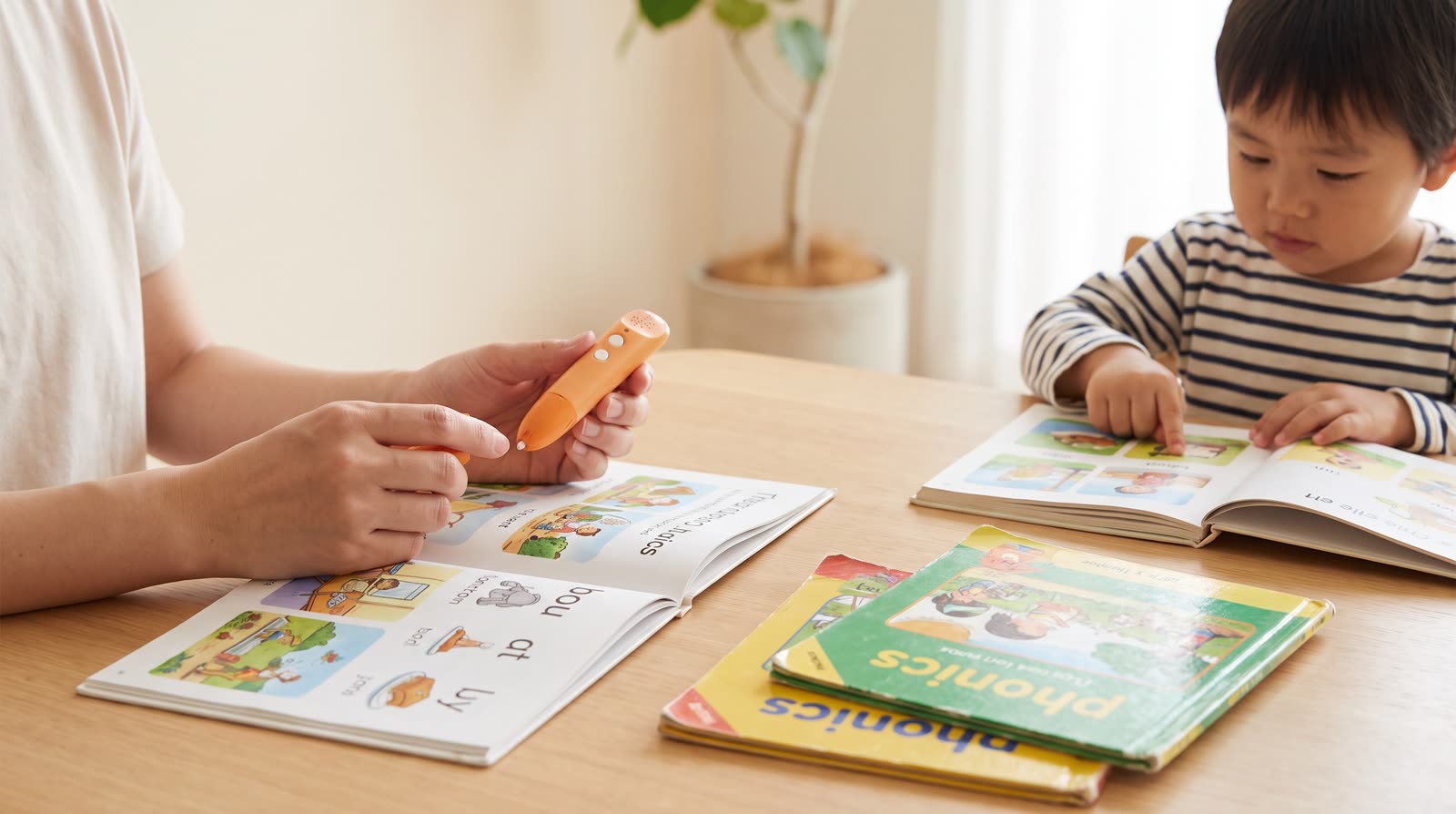
When educators, school district procurement officers, and retail distributors evaluate early literacy tools, the question of whether to invest in second-hand equipment frequently arises. Specifically, decision-makers often ask whether purchasing a used phonics book set with a talking pen offers viable cost savings or introduces hidden operational and pedagogical risks. In the secondary market, pre-owned interactive learning kits—comprising optical reading pens, audio-enabled phonics workbooks, and accompanying charging cables—are sometimes marketed as budget-friendly alternatives for classrooms or home-school co-ops. However, educational technology operates under rigorous technical and sanitary constraints that differ significantly from standard consumer electronics or paper textbooks. Talking pens rely on precise optical sensor lenses, invisible micro-dot OID (Object Identification) printing matrices, firmware compatibility, and rechargeable lithium-ion battery health. When purchasing pre-owned hardware and interactive media, buyers encounter substantial variables regarding optical tracking degradation, missing audio data files, firmware version mismatches, and hygiene compliance. This guide provides an in-depth B2B and institutional analysis for educators, buyers, and channel partners associated with ReadGlo, examining the structural, financial, and pedagogical implications of secondary-market phonics kits while highlighting the distinct advantages of standardized wholesale procurement.
Understanding the Anatomy of Interactive Phonics Systems
Optical Sensor Technology and OID Print Resolution
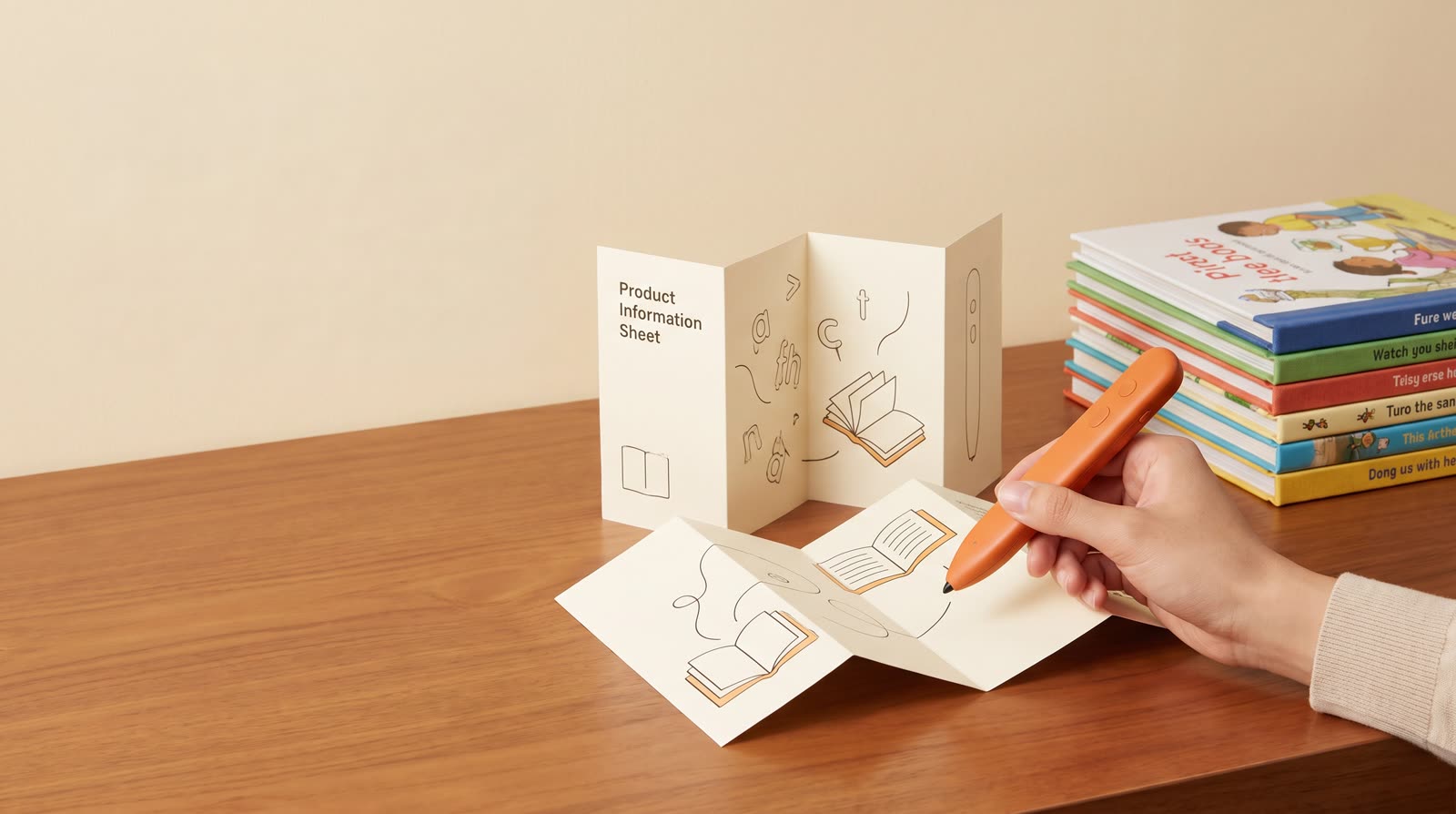
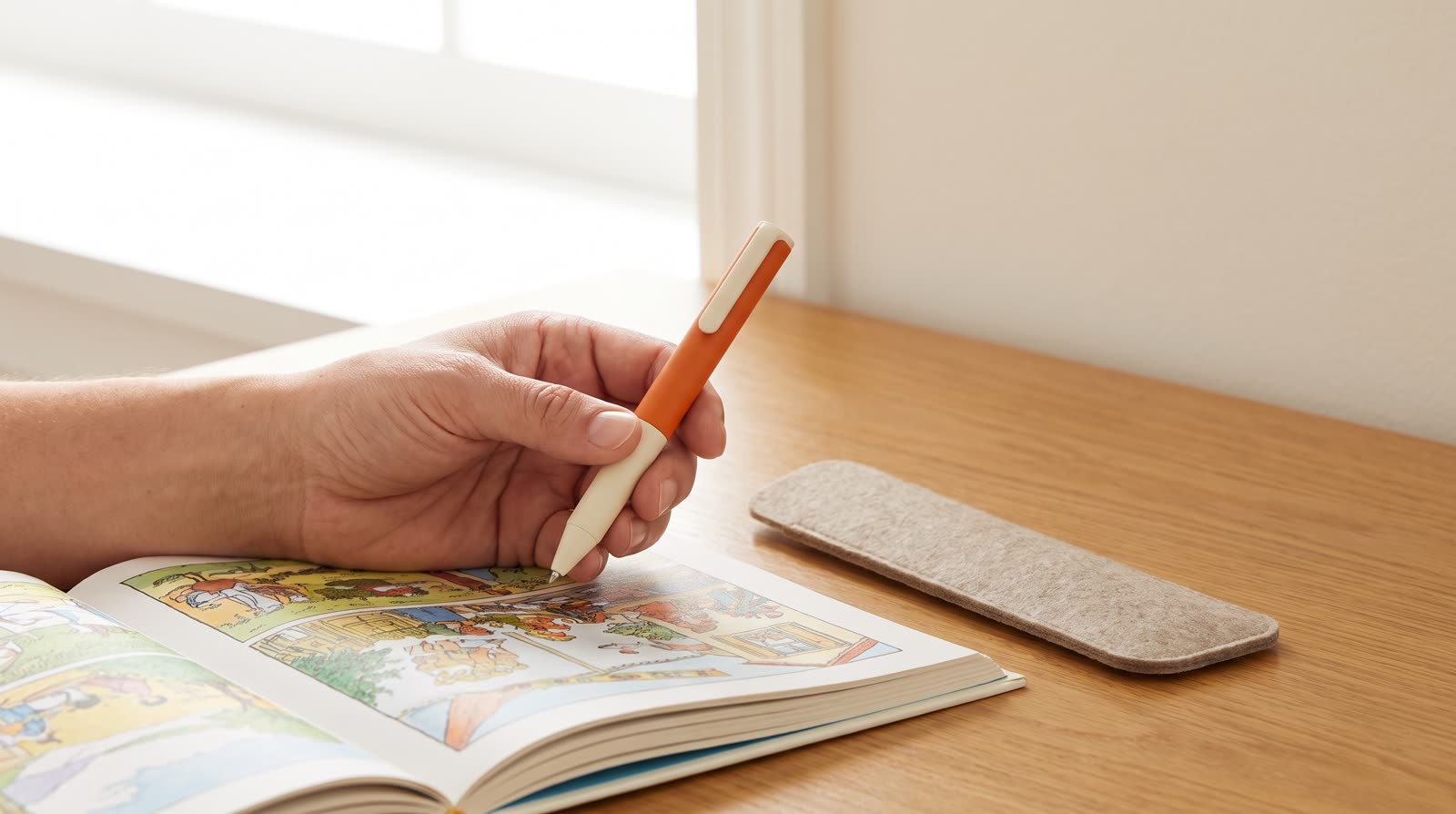
At the core of any talking pen phonics system is an optical CMOS camera sensor embedded in the tip of the stylus. This sensor captures high-frequency infrared or optical dot patterns printed alongside the visible text and illustrations in the phonics book. These dot patterns, known as OID (Object Identification) codes, translate spatial coordinates into specific audio file triggers stored in the pen's internal flash memory. In second-hand equipment, the optical lens is susceptible to micro-scratches, dust accumulation, and oil smudges from extensive handling. Even minor optical degradation can lead to scanning latency, misread phonemes, or complete reading failure. Furthermore, different manufacturing batches utilize proprietary OID decoding algorithms (such as OID2, OID3, or customized enterprise protocols). A used pen sourced from one brand or generation will frequently fail to recognize the dot matrices of a newly printed or differently versioned phonics book set, rendering the interactive ecosystem non-functional.
Audio Data Integrity and Firmware Architecture
Interactive phonics pens do not merely function as standalone audio players; they require synchronized .DAT or proprietary audio packets mapped precisely to each page and line of the accompanying books. Pre-owned pens often suffer from corrupted memory sectors, deleted system files, or outdated firmware. When previous users or second-hand sellers attempt to clear storage or update device firmware without official developer toolkits, essential voice prompts and phonics sound files can be permanently lost. Unlike standard MP3 players where file placement is flexible, talking pens require strict directory structures and checksum verification. Educational buyers must verify whether replacement audio files remain accessible from official manufacturer repositories before committing capital to secondary hardware.
Evaluating Financial and Operational Trade-Offs in Pre-Owned Educational Equipment
Initial Cost Savings Versus Total Cost of Ownership
The primary driver for considering used phonics kits is immediate capital expenditure reduction. Second-hand listings often advertise discounts of 50% to 70% compared to brand-new retail or wholesale pricing. However, calculating the true Total Cost of Ownership (TCO) reveals hidden liabilities. Pre-owned items typically lack manufacturer warranties, meaning any hardware failure—such as a broken micro-USB/Type-C charging port, a cracked speaker casing, or a dead battery—requires immediate out-of-pocket replacement. In institutional settings where a device failure disrupts structured classroom instruction or remedial reading sessions, the operational friction and administrative overhead of maintaining a mixed fleet of worn devices frequently outweighs the initial savings.
Component Completeness and Consumable Wear
A complete phonics set typically includes a master talking pen, multiple leveled workbooks, sound cards, recording stickers, and charging accessories. In second-hand transactions, consumable components such as workbook pages are frequently pre-marked with ink, torn, or missing entirely. Because interactive phonics depends on unbroken optical sequences across progressive reading lessons, missing pages break the instructional scaffolding. Additionally, paper wear and moisture exposure can warp pages, altering the physical distance between the paper surface and the pen tip, which directly disrupts optical scanning accuracy.
Safety, Battery Health, and Regulatory Compliance Standards
Lithium-Ion Battery Aging and Electrical Safety
Talking pens are powered by internal rechargeable lithium-ion batteries. Used electronic devices that have undergone hundreds of charge-discharge cycles or have been stored improperly in extreme temperatures exhibit degraded battery capacity, extended charging times, and elevated thermal risks. According to guidelines from the Consumer Product Safety Commission (CPSC), lithium-ion batteries showing signs of physical swelling, unusual heat generation during charging, odor, or leakage must be taken out of service immediately and safely recycled [1]. Purchasing unverified second-hand electronics introduces electrical hazards into learning environments, particularly when devices are handled unsupervised by young children.
Hygiene, Sanitization, and Institutional Health Protocols
Educational tools deployed in classrooms or shared among multiple children accumulate biological residues, skin oils, and microbial contaminants. While new hardware features smooth, medical-grade ABS plastic casings designed for repeated wipe-downs with commercial sanitizing agents, second-hand devices may have degraded casing integrity, hairline cracks where moisture can seep into electronic boards, and worn rubberized grips that harbor bacteria. Institutional buyers must adhere to strict health and safety standards, making pre-owned equipment with unknown sanitation histories unsuitable for collective learning spaces.
ReadGlo project support
Get a Quote
Looking to equip your school, store, or distribution network with reliable, certified talking pens and phonics book sets? Request a custom wholesale quote from ReadGlo today.
Pedagogical Considerations: Scaffolding, Structured Literacy, and Adult Guidance
Structured Phonics Fidelity and Curriculum Alignment
Early literacy development relies on systematic, explicit phonics instruction aligned with evidence-based frameworks such as those outlined by Reading Rockets and early childhood health organizations [2]. Phonics book sets are engineered to introduce grapheme-phoneme correspondences in a deliberate, cumulative sequence. Used book sets frequently feature missing companion books or out-of-print editions that do not align with current curriculum standards or school district adoption frameworks. Educators must ensure that instructional materials maintain complete pedagogical integrity without gaps in phonetic progression.
The Indispensable Role of Educator and Adult Facilitation
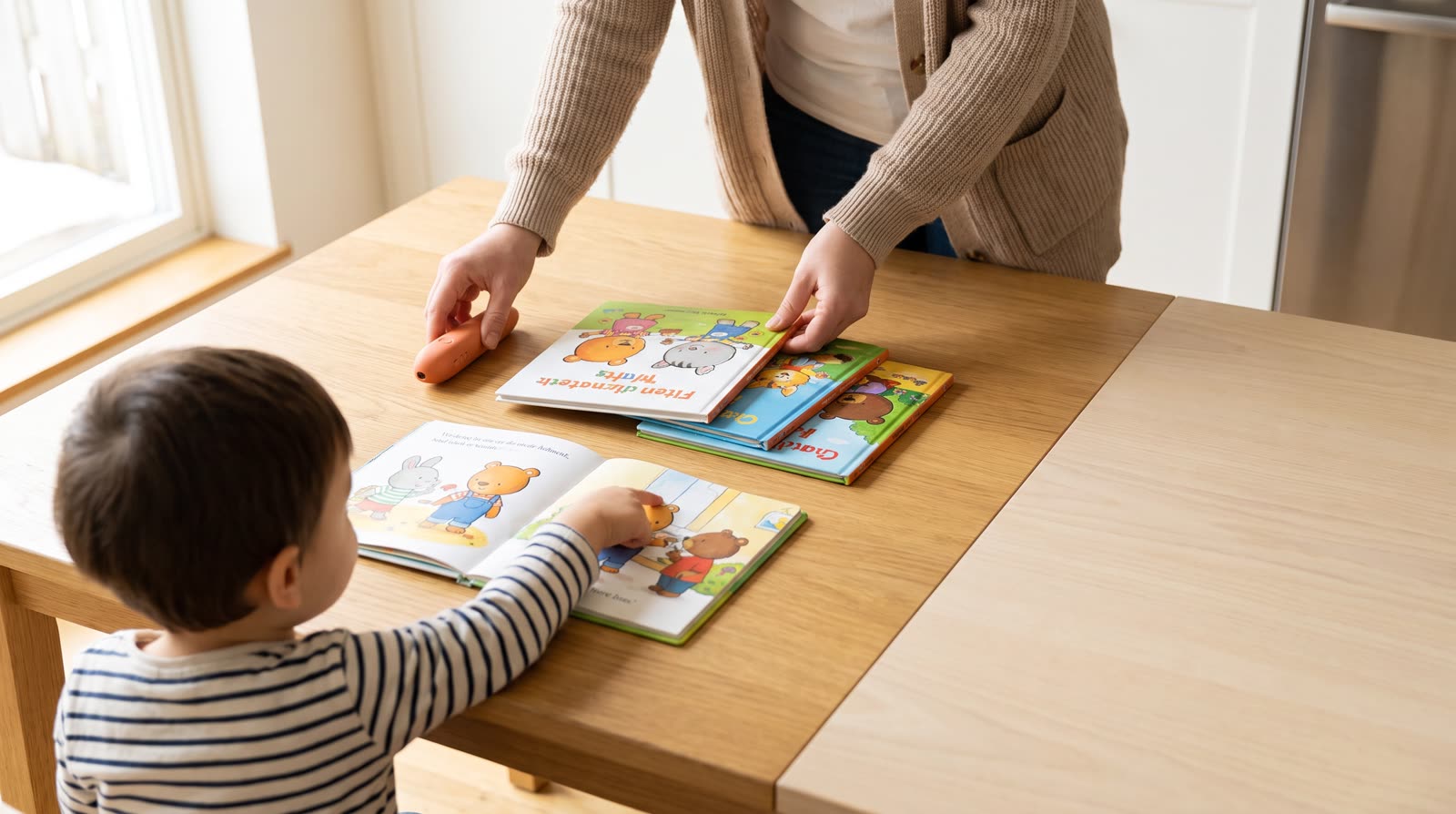
Regardless of whether a phonics kit is brand-new or pre-owned, interactive audio tools serve as supplementary mediators rather than autonomous teaching substitutes. As emphasized by the American Academy of Pediatrics (AAP), early literacy is most effectively cultivated through active shared reading, verbal interaction, and responsive adult engagement [3]. Technology should support—not replace—the interpersonal dialogue between educators, parents, and young learners. Buyers should assess whether investing in second-hand hardware compromises the quality of this collaborative reading experience due to technical glitches or audio latency.
Strategic Recommendations for Wholesale Buyers, Distributors, and Educators
Establishing Rigorous Verification Protocols for Pre-Owned Lots
If an organization or individual must evaluate secondary-market acquisitions due to budget constraints, strict inspection protocols are mandatory. Procurement officers should verify: (1) exact model numbers and hardware revisions, (2) firmware update accessibility via manufacturer portals, (3) optical reading accuracy across all included book pages, (4) battery discharge rates and charging stability, and (5) written return policies and seller credibility. Avoid purchasing incomplete sets or items lacking verifiable origin.
Transitioning to OEM/ODM Wholesale and Standardized Fleet Management
For B2B buyers, educational institutions, and retail distributors, sourcing directly from specialized manufacturers like ReadGlo provides long-term operational advantages. Bulk wholesale procurement guarantees synchronized firmware, pristine optical OID printing quality, comprehensive warranty coverage, regulatory compliance documentation (such as CE, FCC, and RoHS standards), and dedicated technical support. Standardizing institutional fleets eliminates compatibility pitfalls and ensures a reliable, safe educational experience for young readers.
Frequently Asked Questions
Is it safe to buy a second-hand talking pen for young children?
Purchasing second-hand electronic devices carries inherent risks regarding battery health, electrical safety, and hygiene. According to CPSC guidelines, if a device shows signs of damage, swelling, or overheating, it must not be used or charged [1]. Always inspect devices for exterior integrity and verify that sanitation standards are met.
Can a used talking pen read newly printed phonics books?
Not necessarily. Talking pens rely on specific OID (Object Identification) optical printing codes and firmware versions. If the optical decoding algorithm or audio data files do not match the book edition, the pen will fail to produce the correct audio response.
How can educators verify if a used phonics set is pedagogically complete?
Educators should cross-reference the table of contents and serial numbering of the books against the publisher's current curriculum index. Missing leveled readers disrupt systematic phonics progression, which is vital for effective literacy instruction as highlighted by reading research frameworks [2].
What are the advantages of B2B wholesale procurement over buying used equipment?
B2B wholesale procurement from manufacturers like ReadGlo ensures full warranty coverage, brand-new hardware with optimal battery life, pristine OID printing quality, regulatory compliance, bulk customization options, and reliable after-sales technical support.
Conclusion
In conclusion, while acquiring a used phonics book set with a talking pen may appear financially attractive at first glance, the hidden costs—ranging from optical sensor degradation and firmware incompatibility to battery safety hazards and missing curriculum components—often outweigh the initial savings. For educational institutions, retail distributors, and systematic literacy programs, investing in standardized, brand-new wholesale equipment ensures optimal performance, safety, and pedagogical reliability. Stakeholders are encouraged to weigh long-term operational efficiency against short-term cost reductions when building early literacy learning environments.
Continue your research
Related reading pen buyer guides
Use these related guides to compare the next product, content, sourcing or channel decision in your project.
- ProductsDoes It Usually Come with a Warranty? A Professional B2B Sourcing Guide for Phonics Book Sets with Talking PensRead this guide
- ProductsIs It Worth Buying a Used Premium Reading Pen? Evaluating Risks, Costs, and Quality in Educational ProcurementRead this guide
- ProductsHow Much Should I Spend on a Phonics Book Set with Pen? A B2B Procurement and Quality Evaluation GuideRead this guide
Continue with ReadGlo
See product specifications and request model-specific documentation.
ReadGlo project support
Send Your Requirements
Partner with ReadGlo for premium OEM/ODM early literacy solutions. Send your product specifications and volume requirements to our B2B team today.