
Contents
Quick Answer: Sourcing Reliable Talking Pen Manufacturers

Finding a reliable supplier of children’s talking pens requires rigorous verification of manufacturing capabilities, firmware development capacity, and compliance infrastructure rather than relying on generic trading platforms. Publishing houses and educational brands must directly evaluate factory production lines, optical code printing precision, and international safety standards compliance to ensure seamless OEM/ODM project delivery.
Where to Find Qualified Talking Pen Manufacturers
Publishers and educational developers typically source talking pen hardware and optical reading solutions through specialized B2B industrial hubs, industry-specific trade exhibitions, and direct manufacturer outreach. When evaluating potential partners, distinguishing between asset-owning manufacturers with dedicated SMT and firmware engineering teams versus trading intermediaries is crucial for long-term supply chain stability and firmware customization support.
Verifying Factory Capabilities vs. Trading Intermediaries
To safeguard educational publishing investments, procurement teams must implement structured verification protocols:
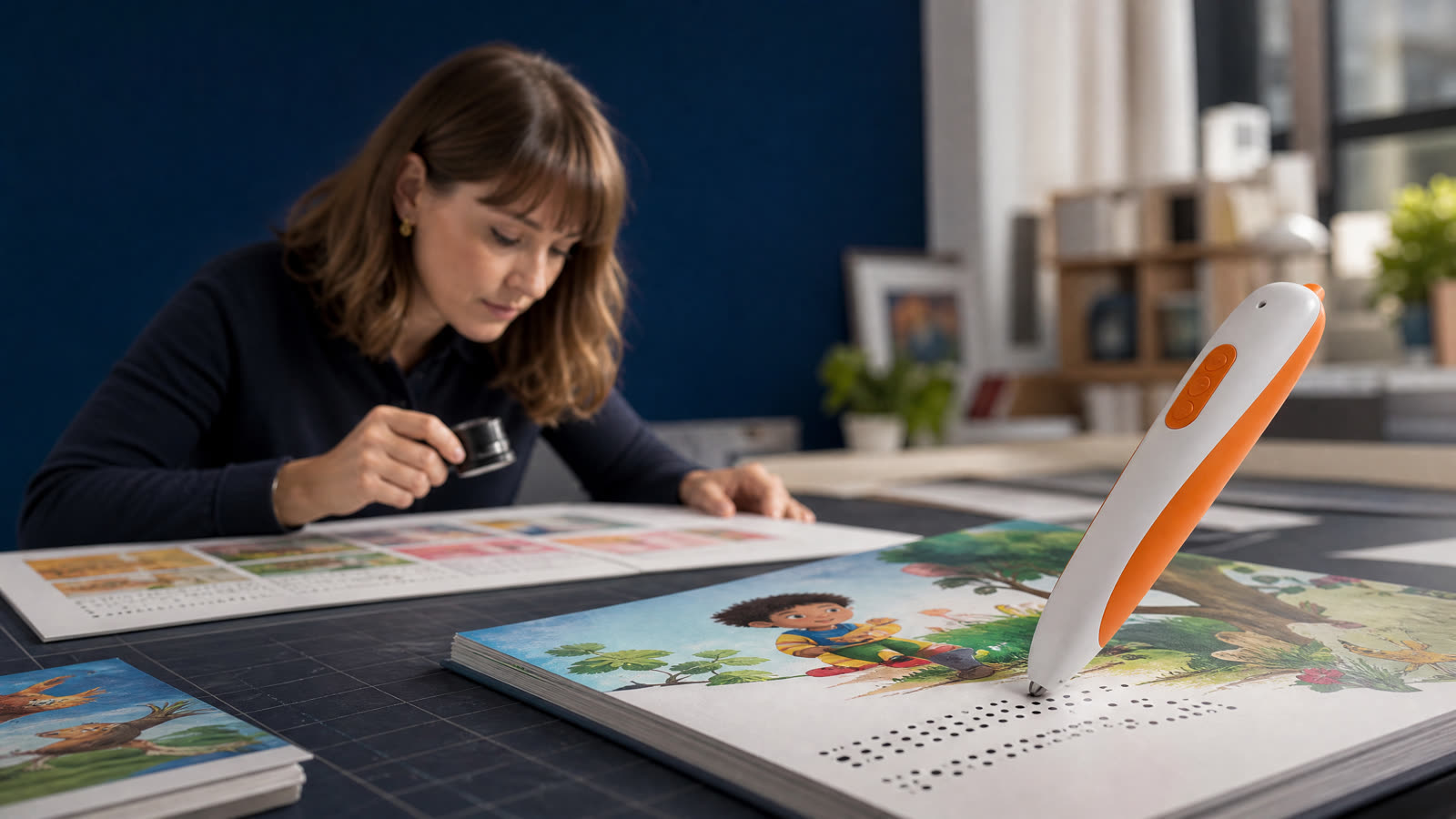
* Production Infrastructure Audit: Confirm whether the supplier operates in-house SMT lines, acoustic testing chambers, and optical OID code verification equipment. * Firmware and Software Ownership: Verify that the supplier holds independent intellectual property rights or authorized licenses for OID decoding algorithms and audio file compilation tools. * Quality Control Systems: Examine factory floor quality assurance checkpoints, from infrared CMOS sensor calibration to drop testing and battery safety verification.
Production Reliability in OEM Publishing Projects
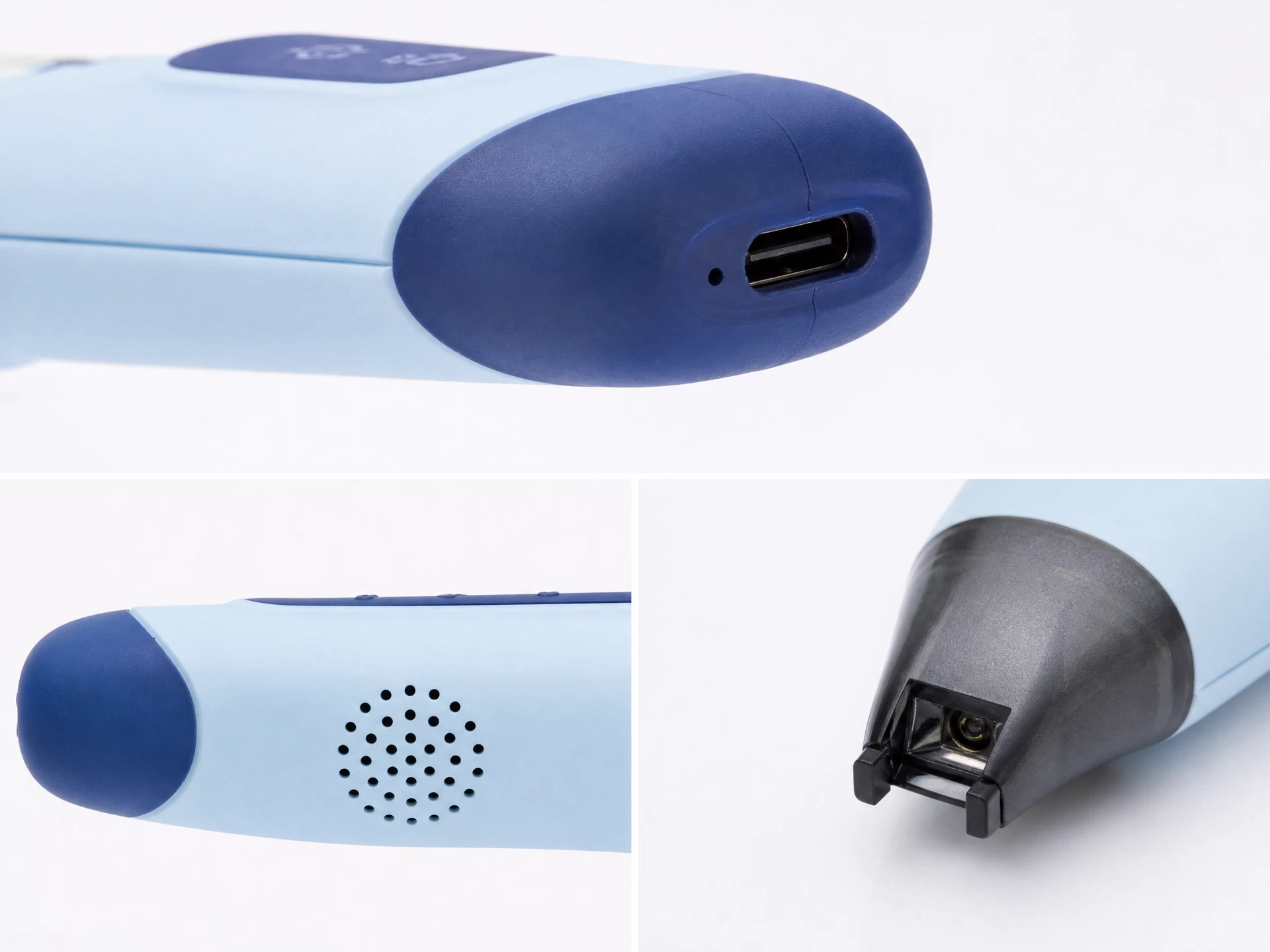
Children's talking pens integrate complex hardware and software components, including optical recognition cameras, microcontrollers, flash memory, and audio speakers. For publishing houses, production reliability depends on flawless synchronization between printed OID dot-codes on paper and the corresponding MP3/WAV audio files compiled in the pen's firmware. Any misalignment during mass printing or firmware flashing can result in read errors, rendering entire book batches defective. Ensuring rigorous pre-shipment inspection protocols and stable component sourcing is essential for risk mitigation.
Evaluating Supplier Types: Direct Factory vs. Trading Intermediary
| Evaluation Criterion | Direct Manufacturer | Trading Intermediary |
|---|---|---|
| Firmware & Customization | Direct access to R&D engineers for custom OID decoding and software features | Dependent on third-party factories; limited technical troubleshooting depth |
| Production Transparency | Direct visibility into factory floor scheduling, component sourcing, and QA checkpoints | Indirect communication channels; higher risk of opacity in sub-contracting |
| Cost & Scalability | Optimized unit economics for bulk OEM/ODM production and long-term supply agreements | Added markup margins; variable pricing stability across production batches |
The following comparison outlines the operational differences between partnering with a direct manufacturing factory versus a trading intermediary when procuring talking pens for educational publishing projects.
Next Steps and Regulatory Compliance
When integrating talking pens into educational publishing product lines, compliance with international toy safety and copyright frameworks is mandatory. Publishers should consult established regulatory guidelines and standards, including the WIPO Publishing and Copyright Guidelines, the European Commission Toy Safety Regulations, the CPSC Children's Product Certificate (CPC), and IAF CertSearch for accredited management system verification.
Ready to discuss your publishing house's talking pen OEM project? Contact our engineering and sourcing team directly at info@readglo.com to review your technical specifications and sample requirements.
Continue your research
Related reading pen buyer guides
Use these related guides to compare the next product, content, sourcing or channel decision in your project.
- OEM GuideWhere Can Publishers Find a Reliable Children’s Talking Pen Supplier and OID Coding Service?Read this guide
- Supplier VerificationHow to Identify Reliable ODM Factories for Award-Winning Educational Toys?Read this guide
- OEM GuideCan a Reading Pen Factory Handle Both Hardware and Audio Book Production?Read this guide
Continue with ReadGlo
See product specifications and request model-specific documentation.