
Contents
Introduction
In the contemporary early childhood educational technology landscape, B2B buyers, educational publishers, toy importers, and school distributors face a pivotal strategic choice when curating products for young learners: optical reading pens paired with physical talking picture books versus digital tablet learning applications. While both categories aim to accelerate early literacy, language acquisition, and cognitive development, their fundamental interface paradigms diverge sharply—particularly regarding screen-free use. Screen-free interactive learning relies on physical touchpoints, tactile paper interaction, and offline optical sensors, whereas tablet applications depend on emissive glass displays, dynamic user interfaces, and continuous digital connectivity. For B2B procurement professionals, understanding these differences is essential for meeting evolving parental demands, complying with international child safety standards, and aligning product portfolios with pediatric health guidelines.
Defining Screen-Free Architecture in Early Childhood EdTech Hardware
Optical Code Recognition vs. Capacitive Touch Screens: Fundamental Hardware Discrepancies
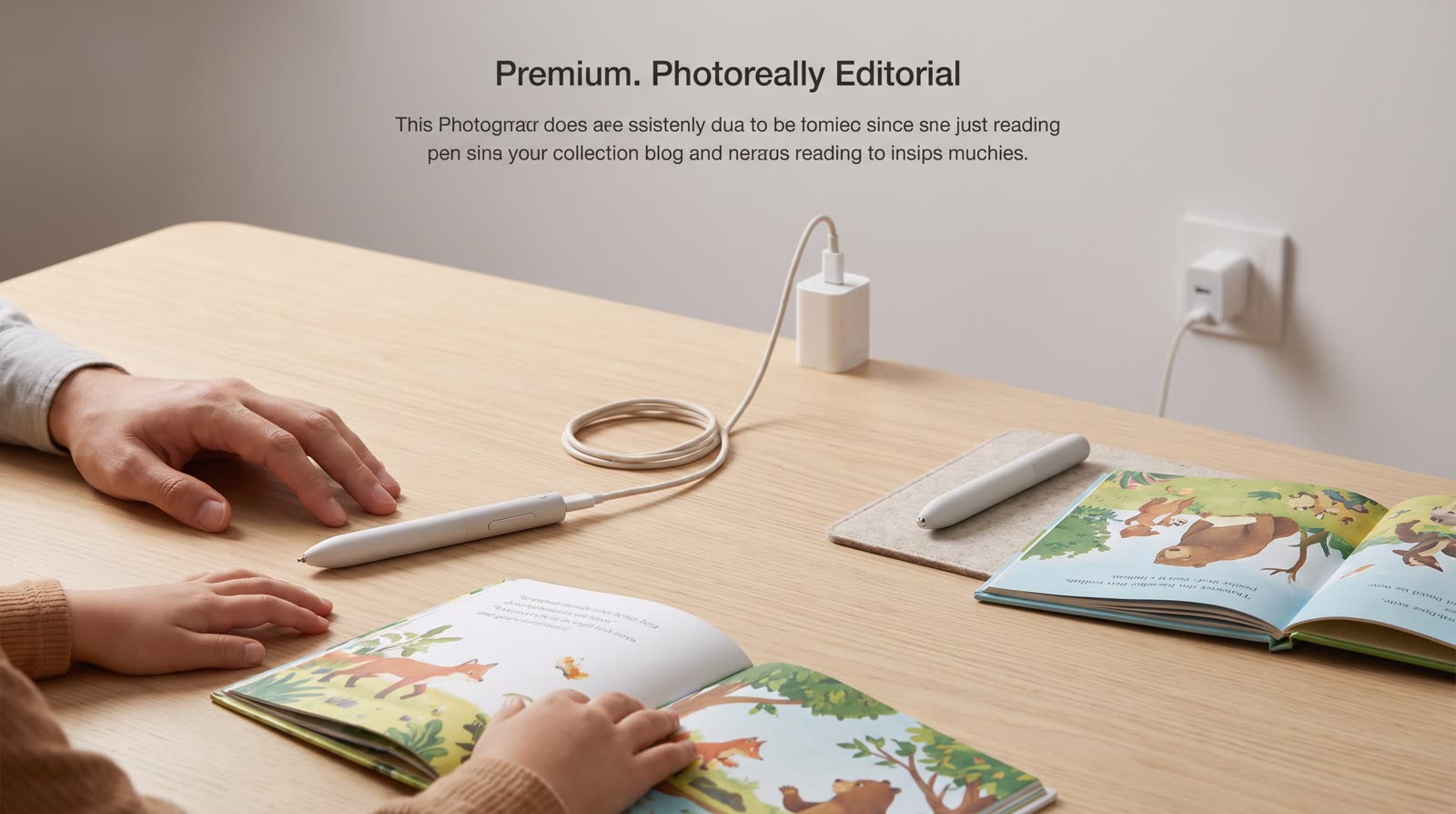
The core architectural difference between a reading pen system and a tablet learning app lies in how information is accessed and processed. An optical reading pen utilizes a high-precision CMOS camera sensor embedded in the tip of the pen. This sensor reads microscopic, invisible dot-code patterns printed alongside traditional CMYK offset printing on paper pages. When a child touches a word or illustration, the pen decodes the spatial coordinate data, references its internal microchip or TF card storage, and instantly triggers the corresponding audio file through its built-in speaker. In stark contrast, a tablet learning app relies on a capacitive glass touchscreen, an internal processor, a dynamic operating system (such as Android or iOS), and emissive liquid crystal or organic light-emitting diode (OLED) displays. While optical reading pens operate entirely offline without internet connectivity or visual displays, tablets require continuous power management, operating system updates, and interface navigation that inherently involves looking at a luminous screen. For educational hardware manufacturers and distributors, this distinction dictates manufacturing costs, component sourcing, supply chain logistics, and regulatory testing requirements across global markets.
Eliminating Blue Light, Flicker, and Peripheral Cognitive Distractions
Screen-free EdTech devices eliminate several physiological concerns associated with digital displays. Tablets emit short-wavelength blue light and subtle screen flicker that can contribute to visual fatigue during extended use, especially for young children whose visual systems are still developing. Furthermore, digital tablets display dynamic graphical elements, pop-up notifications, system menus, and battery indicators in the peripheral vision of the user. These interface elements frequently divert a child's attention away from core literacy tasks toward unrelated animations or UI features. Conversely, reading pen and physical book bundles provide an entirely reflective reading environment. Because reading books involves reflected ambient light rather than direct illumination from an emissive panel, visual strain is significantly reduced. Additionally, the physical page remains static, ensuring that the child's entire cognitive focus is channeled toward tactile exploration and auditory comprehension without digital distractions or accidental navigation away from the educational content.
Cognitive Load and Tactile Engagement: How Reading Pens Support Focused Learning
Multisensory Integration Through Paper, Ink, and Audio Feedback
Cognitive load theory in early childhood education emphasizes the importance of balancing intrinsic, extraneous, and germane load to optimize learning outcomes. Optical reading pens enhance multisensory integration by bridging tactile book pages with synchronized auditory stimuli. When a child flips a physical page, feels the texture of paper, grips an ergonomic pen, and hears human-voice narration or sound effects linked directly to the touched illustration, multiple neural pathways are activated simultaneously. This grounded, tangible interaction reinforces hand-eye coordination, spatial awareness, and fine motor skills in ways that glass screen tapping cannot replicate. B2B buyers sourcing products for preschools and kindergartens increasingly prioritize these tactile learning experiences because they encourage sustained concentration and deeper information processing.
Mitigating Digital Overstimulation and Preventing Task Switching
Digital learning applications often incorporate gamified mechanics such as flashing rewards, timer countdowns, level-up animations, and multi-app interfaces. While these features can sustain engagement in older users, in toddlers and preschoolers they frequently induce cognitive overstimulation and frequent task switching. Children using tablets may spend substantial time navigating menus, closing pop-up ads, or switching between distinct application modules rather than engaging in focused reading. Reading pen systems inherently prevent this behavior by restricting the operational scope to the physical book in front of the child. There are no menus to browse, no external links to open, and no notifications to intercept the learning session. This structured, singular focus fosters longer attention spans and supports healthy self-regulation in early learners.
Evaluating Tablet Learning Applications: Interface Complexity and Attention Management
Gamified UI Design and Incentive Loops in Educational Apps
Tablet learning apps derive their utility from software flexibility, dynamic content updates, and interactive multimedia capabilities. Developers can update software packages remotely, introduce new mini-games, and track user analytics in real time. However, the software architecture of learning apps is fundamentally built around digital interaction loops. Children tap icons, drag objects across glass screens, and receive instant visual and auditory rewards. While effective for teaching specific digital literacy skills, this environment requires constant visual monitoring. Educational institutions and parents evaluating tablet solutions must weigh the educational benefits of interactive software against the potential drawbacks of increased screen dependency and passive consumption risks.
Managing Parent Mediation and Screen Time Governance in Institutional Settings
In both home and institutional settings, tablet deployment necessitates active adult mediation to prevent excessive screen time and ensure that digital usage aligns with pediatric health recommendations. Organizations such as the American Academy of Pediatrics (AAP) advise careful limits on digital media exposure for young children to safeguard social-emotional development and sleep hygiene. Managing tablet fleets in classrooms requires robust device management software, charging infrastructure, internet filtering, and IT oversight. In contrast, reading pen sets function as standalone physical goods that require no network security, no software licensing renewals, and minimal adult supervision once children are introduced to the basic pointing mechanism. This makes reading pens a preferred asset for low-infrastructure classrooms, libraries, and home environments where screen time policies are strictly regulated.
ReadGlo project support
Send Your Requirements
Looking to expand your catalog with certified screen-free reading pen solutions? Send your OEM/ODM requirements to our engineering and product team today.
B2B Procurement and Product Specification Considerations for Importers and Publishers
Regulatory Standards, CE/FCC Compliance, and Child Safety Protocols
For B2B importers, distributors, and publishing houses, procuring hardware products involves navigating complex regulatory frameworks. Reading pens and interactive audio books are classified as electronic toys or educational aids, subjecting them to rigorous safety standards such as EN 71 (European toy safety), ASTM F963 (US toy safety), FCC/CE electromagnetic compatibility, and RoHS hazardous substance restrictions. Because reading pens contain internal lithium batteries, microchips, and speakers, supply chain partners must ensure proper electrical safety, drop-test durability, and non-toxic material sourcing. Unlike software-as-a-service (SaaS) or tablet applications that deal with data privacy regulations (such as COPPA or GDPR), physical EdTech hardware requires physical quality control protocols, rigorous pre-shipment inspections, and robust supply chain auditing to guarantee product reliability.
Content Ecosystem Scalability: Printed Dot-Code Booklets vs. App Store Updates
When developing an educational product line, publishers and brand owners must evaluate the scalability and lifecycle of the content ecosystem. Tablet apps allow instantaneous, remote over-the-air (OTA) updates to fix bugs, add new chapters, or adjust curriculum modules at marginal distribution costs. However, acquiring and retaining user engagement on app stores involves high customer acquisition costs and fierce competition. Conversely, reading pen product lines rely on physical book publishing and proprietary OID (Optical Identification) dot-code printing. Expanding a reading pen catalog requires printing new book titles with embedded dot codes and updating the pen's firmware or sound packet files (typically via USB transfer or SD card replacement). While physical manufacturing involves higher initial tooling and printing setup costs, it establishes high brand loyalty, proprietary ecosystem lock-in, and durable retail value that cannot be easily uninstalled or bypassed by competing applications.
Pedagogical Alignment and Expert Guidelines on Early Childhood Screen Exposure
Professional Perspectives from Pediatric and Early Literacy Authorities
Pediatric health organizations and early literacy researchers emphasize that language acquisition in early childhood is primarily driven by responsive caregiver-child interactions and rich auditory exposure. According to guidelines published by organizations such as Reading Rockets and the American Academy of Pediatrics (AAP), digital screen media should not replace physical manipulation, shared reading, and direct human communication. Screen-free interactive tools like reading pens support this pedagogical model by encouraging physical book handling and joint attention between adults and children. When an adult sits with a child and points the pen together at a talking picture book, the device acts as a scaffold for conversation rather than a solitary distraction. B2B marketers and educational suppliers can leverage these evidence-based principles to position screen-free hardware effectively in global tenders and retail channels.
Structuring Balanced Product Offerings for Modern Preschool and Home Environments
Modern educational buyers seek balanced product portfolios that respect parental preferences for screen-free alternatives without sacrificing modern interactive engagement. By combining ergonomic optical pens with richly illustrated, multi-lingual picture books, publishers bridge traditional printing with engaging audio feedback. When advising retail partners or educational institutions, B2B suppliers should highlight how screen-free audio devices protect developing eyesight, foster independent tactile exploration, and comply with institutional limits on digital device usage. Buyers should carefully review supplier specifications, audio fidelity, battery safety certifications, and content localization capabilities to ensure long-term market success.
Frequently Asked Questions
What makes an optical reading pen completely screen-free compared to a learning tablet?
An optical reading pen operates using an integrated infrared or optical CMOS camera sensor that reads invisible dot-code patterns printed on paper pages, translating them into audio via an internal speaker or headphone jack. It contains no visual display screen, eliminating emissive blue light, screen flicker, and digital user interfaces.
How do reading pens help reduce cognitive overstimulation in toddlers?
Unlike tablets that feature dynamic graphical menus, pop-up notifications, and gamified multi-tasking loops, reading pens restrict interaction to the physical book in front of the child. This singular focus encourages sustained concentration, tactile engagement, and deeper reading comprehension without digital distractions.
What safety and regulatory standards apply to B2B procurement of reading pens?
Reading pen hardware and interactive book sets must comply with international toy and electronic safety standards, including EN 71 in Europe, ASTM F963 in the United States, CE/FCC electromagnetic regulations, and RoHS restrictions for hazardous substances, alongside rigorous battery safety testing.
Can reading pens support bilingual or multilingual language learning without screens?
Yes. By programming multiple audio tracks into the pen's microchip or downloadable sound files linked to specific dot-code zones, a single book can support dual-language narration, vocabulary translation, and phonics practice in a completely screen-free format.
How should educational publishers and distributors evaluate content scalability for reading pen lines?
Publishers should assess the supplier's OID (Optical Identification) printing capabilities, firmware update mechanisms, audio encoding standards, and catalog expansion plans to ensure seamless integration of new talking picture book series into existing pen hardware.
Conclusion
In summary, the choice between an optical reading pen and a tablet learning app centers on the fundamental trade-off between tactile, screen-free physical engagement and digital multimedia flexibility. For B2B buyers, educational publishers, and toy importers, reading pen systems offer a compelling value proposition: they protect young learners from screen overstimulation, comply with strict institutional and pediatric guidelines, and provide a durable, screen-free learning environment rooted in physical books. By understanding the underlying hardware mechanics, cognitive impact, and regulatory requirements, procurement professionals can build successful, future-proof product lines that meet the soaring demand for healthy, interactive early childhood education.
Continue your research
Related reading pen buyer guides
Use these related guides to compare the next product, content, sourcing or channel decision in your project.
- Product ComparisonBrand-Specific Reading Pen vs. Universal Scanning Pen: Evaluating Long-Term Costs for B2B Educational BuyersRead this guide
- Product ComparisonWhat is the Difference Between a Rechargeable Reading Pen and a Battery-Powered Reading Pen in Terms of Content Compatibility?Read this guide
- Product ComparisonBrand-Specific Reading Pens vs. Universal Scanning Pens for Toddlers: Evaluating Independent Usability for B2B ProcurementRead this guide
Continue with ReadGlo
See product specifications and request model-specific documentation.
ReadGlo project support
Ask for Product Catalog
Request our comprehensive B2B catalog featuring talking pens, multilingual picture book bundles, and custom educational hardware options.