Contents
Introduction
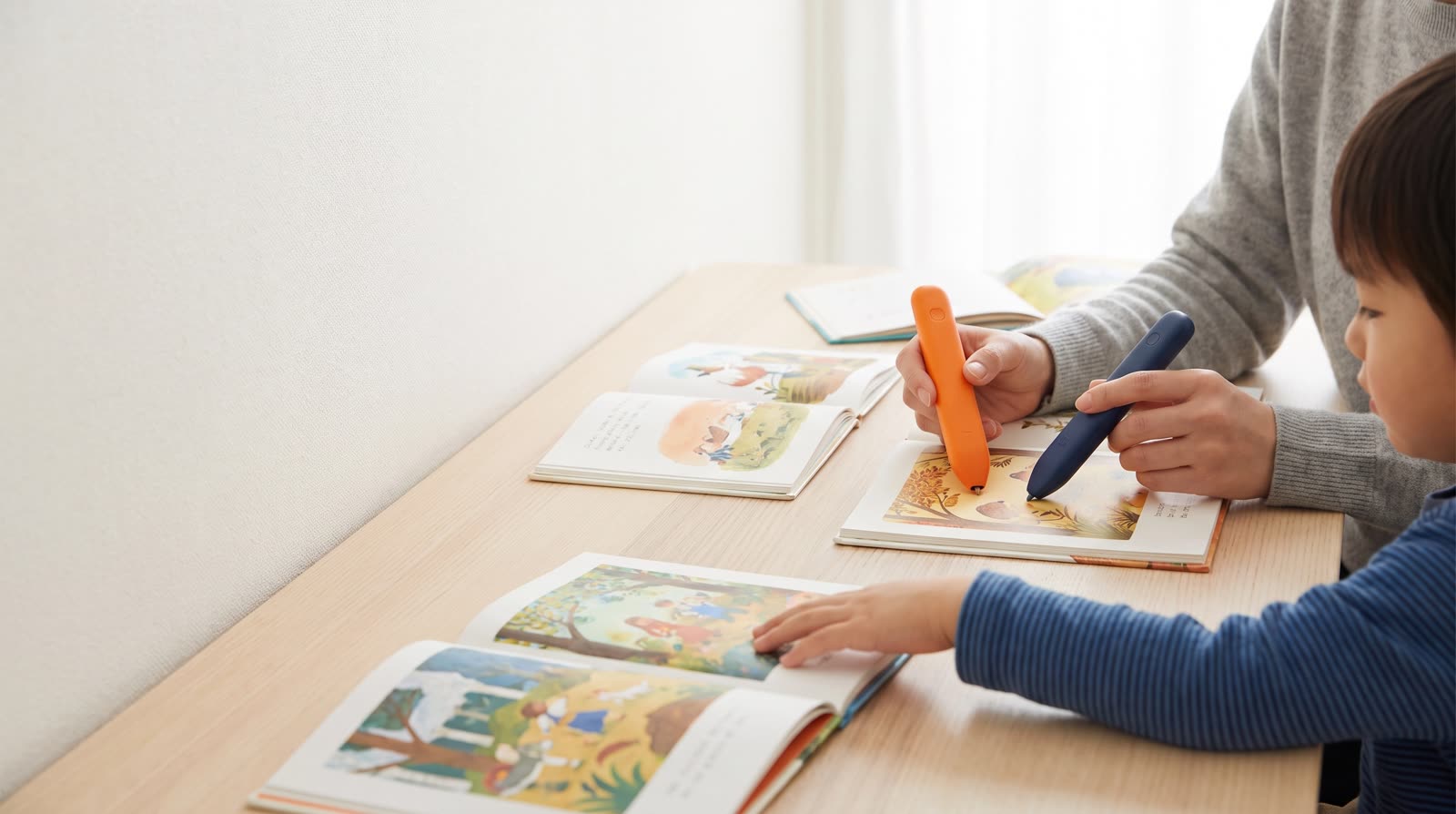
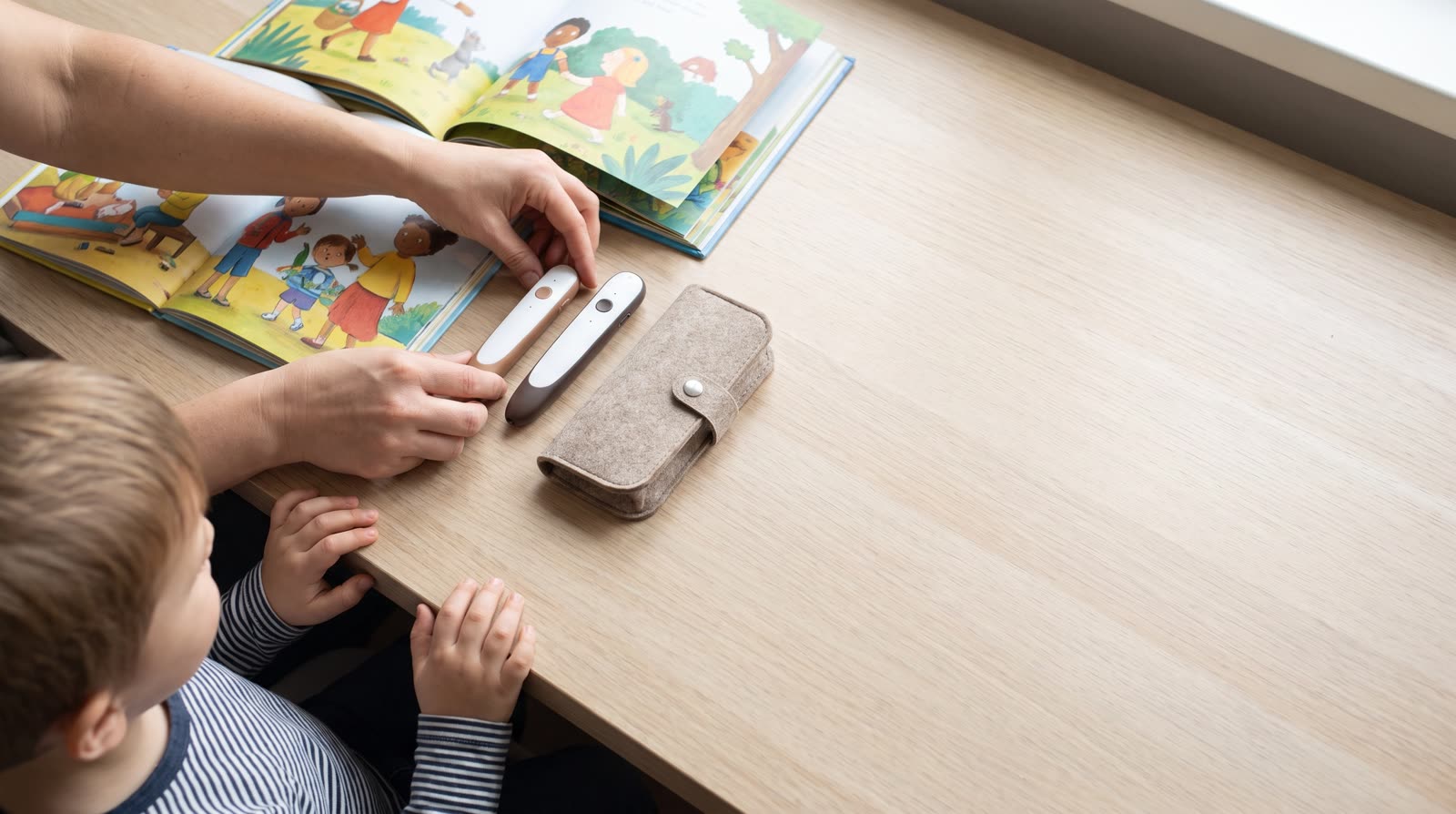
When educational publishers, toy distributors, and institutional buyers evaluate interactive reading hardware for children and language learners, choosing between brand-specific OID (Optical Identification) reading pens and universal OCR (Optical Character Recognition) scanning pens involves complex economic and operational trade-offs. While initial unit manufacturing or wholesale acquisition costs represent a visible line item, long-term total cost of ownership (TCO) is shaped by factors ranging from content licensing, pre-press preparation, software maintenance, hardware durability, ecosystem lock-in, and consumer retention. Brand-specific reading pens operate by reading invisible optical dot codes printed alongside illustrations and text in dedicated picture books, creating an immersive, screen-free ecosystem tailored to early childhood literacy and tactile engagement. Conversely, universal scanning pens utilize miniature optical sensors and OCR engines to scan and translate standard printed text from any published book, catering primarily to older students, secondary school learners, and independent adults. For B2B decision-makers assessing product portfolios for ReadGlo's children's talking pens and interactive picture books, understanding how these two hardware paradigms diverge over multi-year lifecycles is essential for sustainable catalog planning, margin protection, and long-term customer satisfaction. This guide examines the structural cost components, operational workflows, and strategic considerations required to evaluate long-term financial commitments across both device categories, guided by established industry practices, publishing standards, and international product safety frameworks.
1. Hardware Architecture and Initial Acquisition Economics
Core Components and Bill of Materials (BOM) Differences
The hardware architecture of a brand-specific reading pen is centered around an optical sensor module designed to decode OID dot patterns, paired with a simplified microcontroller unit (MCU), an audio decoding chip, a high-fidelity speaker, and tactile physical buttons. Because these devices do not require high-resolution image processing chips, optical character recognition processors, or large graphical touchscreens, their base Bill of Materials (BOM) structure remains streamlined, reliable, and cost-effective at volume scale. In contrast, universal scanning pens require advanced optical sensors, high-speed microprocessors capable of real-time OCR algorithms, internal multilingual translation dictionaries, text-to-speech (TTS) synthesis engines, and frequently a small LCD or OLED display screen to show scanned text, definitions, and navigation menus. Consequently, the initial manufacturing and wholesale unit cost of a universal scanning pen is substantially higher than that of a dedicated OID reading pen. B2B buyers must analyze whether higher initial hardware costs align with their target market's purchasing power, or if a simpler, screenless OID architecture provides a more sustainable entry price point for mass distribution across educational retail channels.
Tooling, Mold Amortization, and Minimum Order Quantities (MOQs)
Initial financial commitments in hardware procurement extend beyond unit BOM costs to encompass injection molding, industrial design tooling, and Minimum Order Quantities (MOQs). Brand-specific reading pens often feature proprietary ergonomic casings tailored specifically to young children's grip, requiring custom plastic injection molds, drop-tested structural integrity, and safety-certified material testing. While tooling costs are amortized over production runs, specialized casing designs tie inventory directly to a specific brand identity and proprietary ecosystem. Universal scanning pens, while sometimes utilizing standardized cylindrical or ergonomic shells adapted from general consumer electronics manufacturing, require specialized firmware development, licensing fees for third-party OCR engine integration, and ongoing software maintenance patches to ensure compatibility with changing operating environments or dictionary databases. B2B purchasers must weigh the upfront capital expenditure of custom hardware tooling against the software integration and firmware upkeep overhead associated with scanning technology.
2. Content Ecosystem, Pre-Press, and Licensing Overheads
OID Dot Pattern Integration vs. Open-System OCR Processing
A critical differentiator in long-term operational cost is the content ecosystem required to support each device type. Brand-specific reading pens rely on specialized pre-press workflows where invisible OID dot patterns are overlaid onto book pages during printing. This requires close coordination between publishers, specialized printing facilities equipped with OID dot-printing heads, and audio file compilation teams that map sound files to specific coordinate grids. Any subsequent updates to book content, audio scripts, or language translations necessitate re-encoding and re-distributing updated audio packs to end-users. Conversely, universal scanning pens operate on unprinted, standard commercial books without requiring special paper, custom ink, or pre-press modifications. However, universal pens depend heavily on backend software stability, Wi-Fi connectivity for cloud-based OCR and translation services, and continuous database updates to maintain high recognition accuracy across diverse typography, fonts, and publishing formats.
Publishing Partnerships, Copyright Licensing, and Royalty Models
The economic model of content monetization differs significantly between the two device categories. Brand-specific reading pens create proprietary ecosystems where initial hardware sales drive ongoing sales of companion book series, allowing publishers and distributors to capture recurring revenue through curated book packs, extension sets, and multi-volume curricula. This model requires upfront investment in content creation, professional voice acting, audio production, and copyright licensing. Universal scanning pens, by bypassing the need for proprietary companion books, offer users immediate access to existing libraries of books, newspapers, and educational materials. For B2B distributors, this means lower upfront content development costs but reduced customer loyalty and lower repeat purchase rates for proprietary books, as end-users are not financially or operationally tied to a single publishing brand.
3. Device Durability, Battery Management, and Maintenance Lifecycles
Screenless Ruggedness vs. Complex Display Maintenance
Long-term operational costs are heavily influenced by product durability and warranty return rates, particularly in educational institutions and family environments where devices experience rigorous daily handling. Brand-specific reading pens, typically designed for toddlers and early elementary students, emphasize screenless, robust drop-resistant construction with sealed buttons and reinforced optical sensor windows. Minimizing fragile components such as LCD displays or glass touch panels significantly reduces mechanical failure rates and post-sale warranty claims. Universal scanning pens, incorporating screens, touch interfaces, and complex optical scanning windows, present a higher susceptibility to screen cracking, scratching, and internal sensor misalignment under rough handling. B2B buyers must calculate potential return merchandise authorization (RMA) rates and customer support overhead when projecting long-term operational margins across different market segments.
Power Consumption, Battery Degradation, and Charging Infrastructure
Power management represents another ongoing cost factor over the device lifecycle. OID reading pens, consuming minimal power due to their lack of back-lit screens and heavy processing loads, offer extended battery life per charge, reducing battery cycling stress and prolonging overall battery health. Universal scanning pens, operating power-intensive optical recognition processors, Wi-Fi modules, and display screens, experience faster battery drain and more rapid chemical degradation of rechargeable lithium-ion cells over years of daily use. B2B buyers should review manufacturer battery specifications, charging circuit safety protections, and compliance with international electrical safety standards, referencing guidelines from organizations such as the Consumer Product Safety Commission (CPSC) regarding lithium battery safety and overheating precautions.
ReadGlo project support
Request Product Catalog
Explore ReadGlo's complete range of customizable OID talking pens and interactive picture book manufacturing solutions tailored for educational publishers and global distributors.
4. Market Positioning and Target Audience Economic Impact
Early Childhood Literacy vs. K-12 and Language Learning Demographics
Long-term financial viability depends heavily on matching product utility with the target audience's developmental stage. Brand-specific reading pens and interactive picture books are engineered for early childhood literacy (preschool to early primary), fostering phonemic awareness, vocabulary acquisition, and independent tactile exploration in a screen-free environment. According to guidance from the American Academy of Pediatrics (AAP) regarding early literacy and developmental health, interactive shared reading and tactile engagement play crucial roles in early childhood communication skills (AAP, Early Childhood Health and Development). Because toddlers outgrow early picture books as they mature, the ecosystem model thrives on multi-stage book expansion packs. In contrast, universal scanning pens target older students, secondary school learners, and adult professionals requiring rapid translation and text extraction. B2B buyers must evaluate whether their distribution channels align with early childhood educational institutions and parents, or older academic markets.
Evaluating Total Cost of Ownership (TCO) for Institutional Buyers
When schools, kindergartens, or large retail distributors purchase reading hardware in bulk, TCO calculations must account for hardware lifespan, accessory replacement, content update frequency, and staff training overhead. Brand-specific reading pen sets require institutional buyers to invest in matched book sets and storage charging docks, but offer straightforward deployment with minimal software configuration. Universal scanning pens require network configuration, user account management, firmware updates, and ongoing digital maintenance. B2B procurement teams should establish a structured evaluation checklist to compare upfront hardware pricing against projected maintenance, software support, and content expansion expenses over a three-to-five-year deployment horizon.
5. Quality Assurance, Safety Compliance, and Regulatory Risk Management
Supply Chain Quality Control and Pre-Shipment Verification
Mitigating long-term costs requires rigorous supply chain quality assurance and pre-shipment verification protocols. B2B buyers must establish clear specifications with manufacturing partners covering component traceability, optical sensor calibration standards, audio fidelity checks, and drop-test durability thresholds. For brand-specific pens, quality control must encompass both pen firmware and the precise alignment of OID dot printing on paper stock, as printing drift can render books unreadable. For universal scanning pens, QA protocols must verify OCR recognition accuracy across diverse fonts, lighting conditions, and paper textures. Maintaining robust inspection checklists before final shipment prevents costly cross-border returns and brand reputation erosion.
Safety Standards, Electrical Compliance, and Proper Product Care
Children's electronic devices are subject to stringent international safety regulations governing non-toxic materials, small parts choking hazards, and electrical safety. B2B buyers must verify that manufacturing partners adhere to recognized toy and electronic safety frameworks. Regarding product care and safety, users should adhere to low-risk external inspection routines: never attempt to disassemble electronic pens, and immediately discontinue use and charging if devices exhibit signs of moisture intrusion, physical damage, abnormal heating, swelling, battery leakage, or smoke, contacting the manufacturer or authorized service channels promptly, as outlined by the U.S. Consumer Product Safety Commission (CPSC) educational resources.
Frequently Asked Questions
What are the primary structural differences in long-term cost between brand-specific reading pens and universal scanning pens?
Brand-specific reading pens generally feature lower initial hardware costs due to their streamlined, screenless architecture, but require ongoing investment in proprietary companion book ecosystems and OID pre-press printing. Universal scanning pens involve higher initial hardware costs due to OCR processors and display screens, but eliminate the need for specialized book printing, though they may require software maintenance and firmware updates.
How do content ecosystems impact the recurring revenue potential for B2B distributors?
Brand-specific reading pens enable a recurring revenue model where hardware sales drive ongoing purchases of matched interactive book series, expansion packs, and multi-volume learning sets. Universal scanning pens operate with standard commercial books, offering lower barriers to initial use but fewer opportunities for publishers to monetize recurring companion book sales.
Why is screenless design an important factor in device durability and maintenance costs?
Screenless OID reading pens eliminate fragile components like glass touch panels and LCD screens, resulting in lower mechanical failure rates, increased drop resistance, and reduced warranty return rates, particularly when deployed among young children in educational or home environments.
What safety and maintenance guidelines should B2B buyers communicate to end-users regarding electronic reading pens?
Users should perform low-risk external inspections only, avoid attempting to disassemble the device, and immediately stop using and charging the pen if exposed to moisture or exhibiting abnormal heat, swelling, damage, or smoke, in accordance with CPSC product safety guidance.
How do target demographics influence the choice between OID talking pens and OCR scanning pens?
OID talking pens and interactive picture books are designed for early childhood literacy, fostering tactile engagement and vocabulary development in toddlers and preschoolers. Universal scanning pens cater to older students and language learners requiring text translation from standard printed books.
Conclusion
In summary, choosing between a brand-specific OID reading pen and a universal scanning pen involves balancing initial hardware investment, content ecosystem strategies, durability requirements, and target audience demographics. Brand-specific talking pens offer a cost-effective, durable, screenless solution tailored for early childhood literacy, building long-term value through proprietary book ecosystems and recurring publishing revenue. Universal scanning pens provide versatile text extraction and translation capabilities for older academic users at a higher initial hardware cost and with greater software maintenance complexity. For B2B buyers, publishers, and distributors navigating this landscape, aligning product specifications with institutional needs, rigorous quality assurance protocols, and strict adherence to safety and content standards ensures sustainable long-term success and customer satisfaction.
Continue your research
Related reading pen buyer guides
Use these related guides to compare the next product, content, sourcing or channel decision in your project.
- Product ComparisonBrand-Specific Reading Pens vs. Universal Scanning Pens for Toddlers: Evaluating Independent Usability for B2B ProcurementRead this guide
- Product ComparisonWhat Is the Difference Between a Brand-Specific Reading Pen and a Universal Scanning Pen in Terms of Screen-Free Use?Read this guide
- Product ComparisonBrand-Specific Reading Pens vs. Universal Scanning Pens: Evaluating Content Compatibility for B2B Educational PublishingRead this guide
Continue with ReadGlo
See product specifications and request model-specific documentation.
ReadGlo project support
Send Your Requirements
Partner with ReadGlo for reliable OEM/ODM manufacturing of children's interactive reading devices and book publishing solutions. Contact our engineering team today.