Contents
Introduction
The transition from assisted reading to independent exploration is a critical milestone in early childhood development. When evaluating children's publishing formats for B2B distribution, educational buyers, school suppliers, and toy retailers frequently weigh the functional differences between ordinary picture books and interactive talking picture books—particularly regarding independent use by toddlers aged one to three. Ordinary picture books rely exclusively on static visual illustrations and printed text, necessitating continuous adult mediation to decode narratives and pronounce vocabulary for pre-literate children. Conversely, talking picture books integrate embedded optical dot-codes, conductive ink, or touch-sensitive modules paired with companion audio reading pens, enabling toddlers to independently trigger pronunciation, sound effects, and musical cues by simply pointing at the page. While talking picture books offer powerful auditory scaffolding that fosters self-guided exploration and confidence, their successful deployment in B2B portfolios depends heavily on robust ergonomic design, intuitive tactile feedback, strict safety compliance, and balanced adult supervision. Educational developers and commercial buyers must understand that neither format replaces human interaction; rather, talking picture books serve as a complementary tool that enhances autonomous engagement when designed with age-appropriate cognitive and physical parameters in mind.
Core Mechanisms of Independent Interaction: Audio Feedback Loops Versus Visual-Only Decoding
How Optical Code Recognition Empowers Self-Guided Exploration
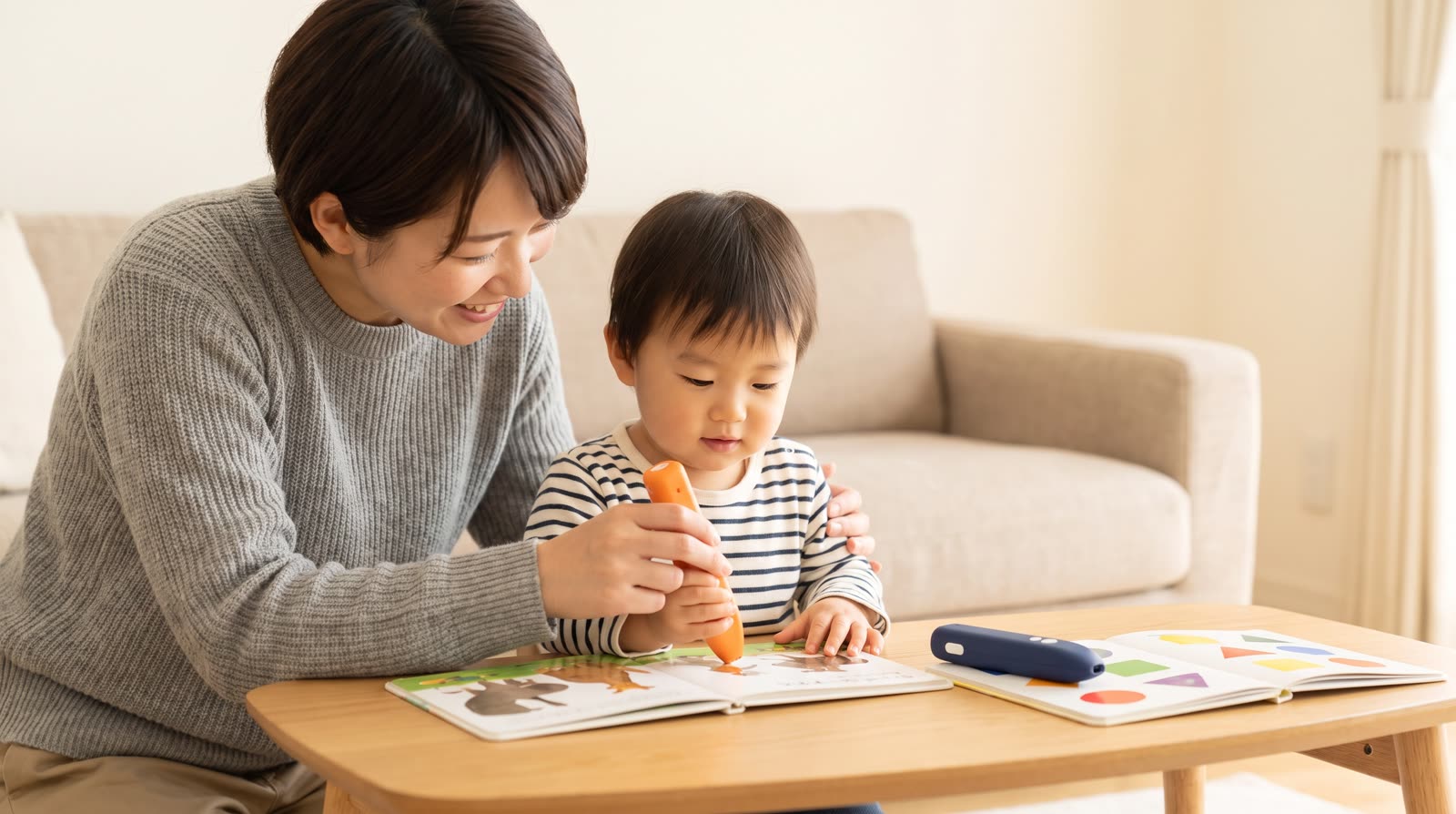
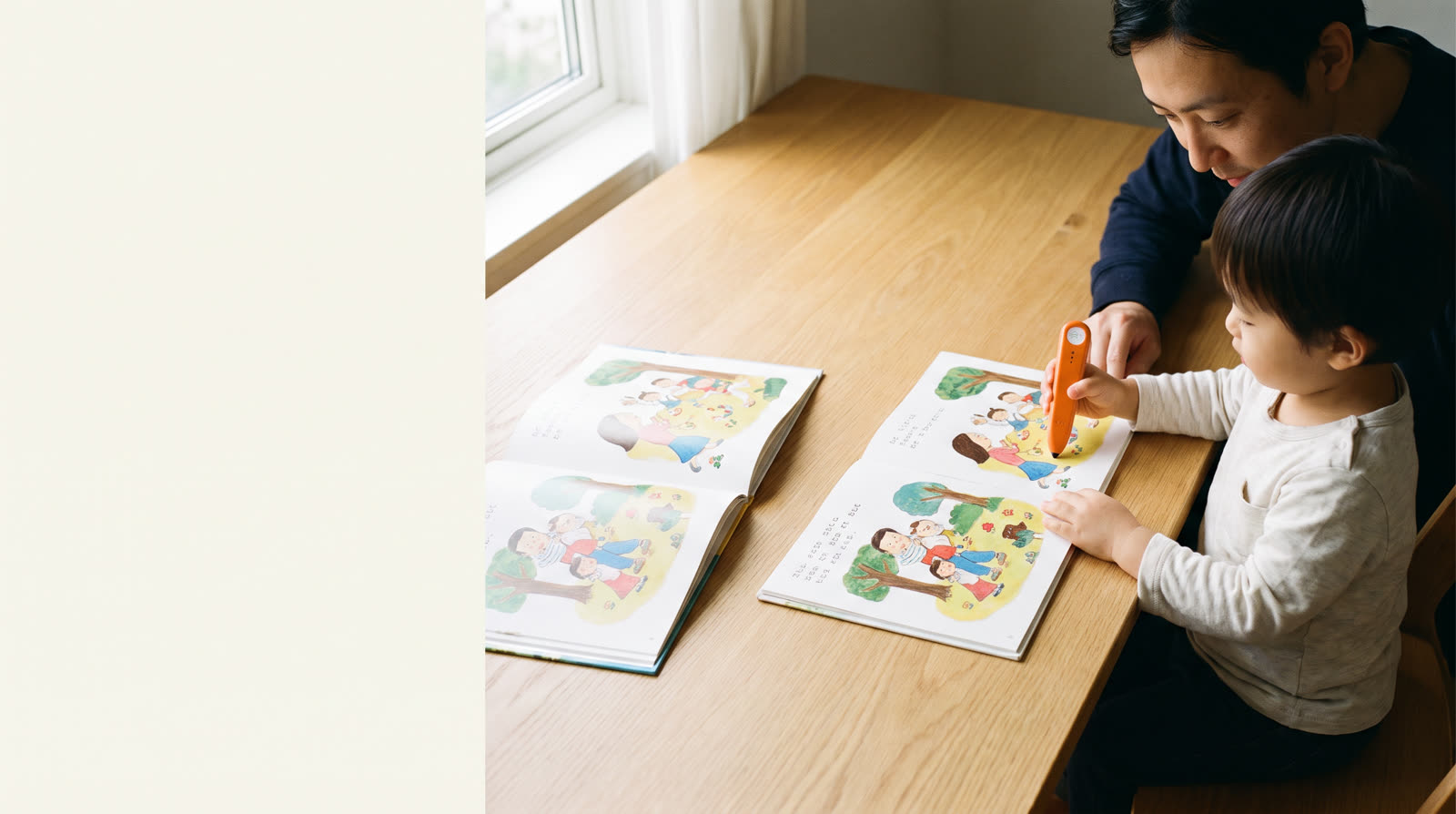
The foundational technological distinction between ordinary picture books and talking picture books lies in the data layer embedded within the paper substrate. Ordinary picture books present static visual stimuli where text and images remain passive until interpreted by a reader. In contrast, talking picture books incorporate nearly invisible micro-dot patterns (such as OID codes) printed beneath or alongside artwork. When a toddler presses a compatible reading pen against the page, the optical sensor captures the coordinate data, instantly routing it to a pre-loaded audio file containing native narration, sound effects, or character dialogue. This immediate closed-loop feedback mechanism transforms the book from a static object into an interactive learning environment. For toddlers who lack reading proficiency, this technology bridges the gap between symbol recognition and auditory meaning, allowing them to repeatedly explore favorite illustrations, mimic pronunciations, and navigate narrative sequences entirely on their own without demanding constant intervention from parents or educators.
The Role of Auditory Scaffolding in Early Vocabulary Acquisition
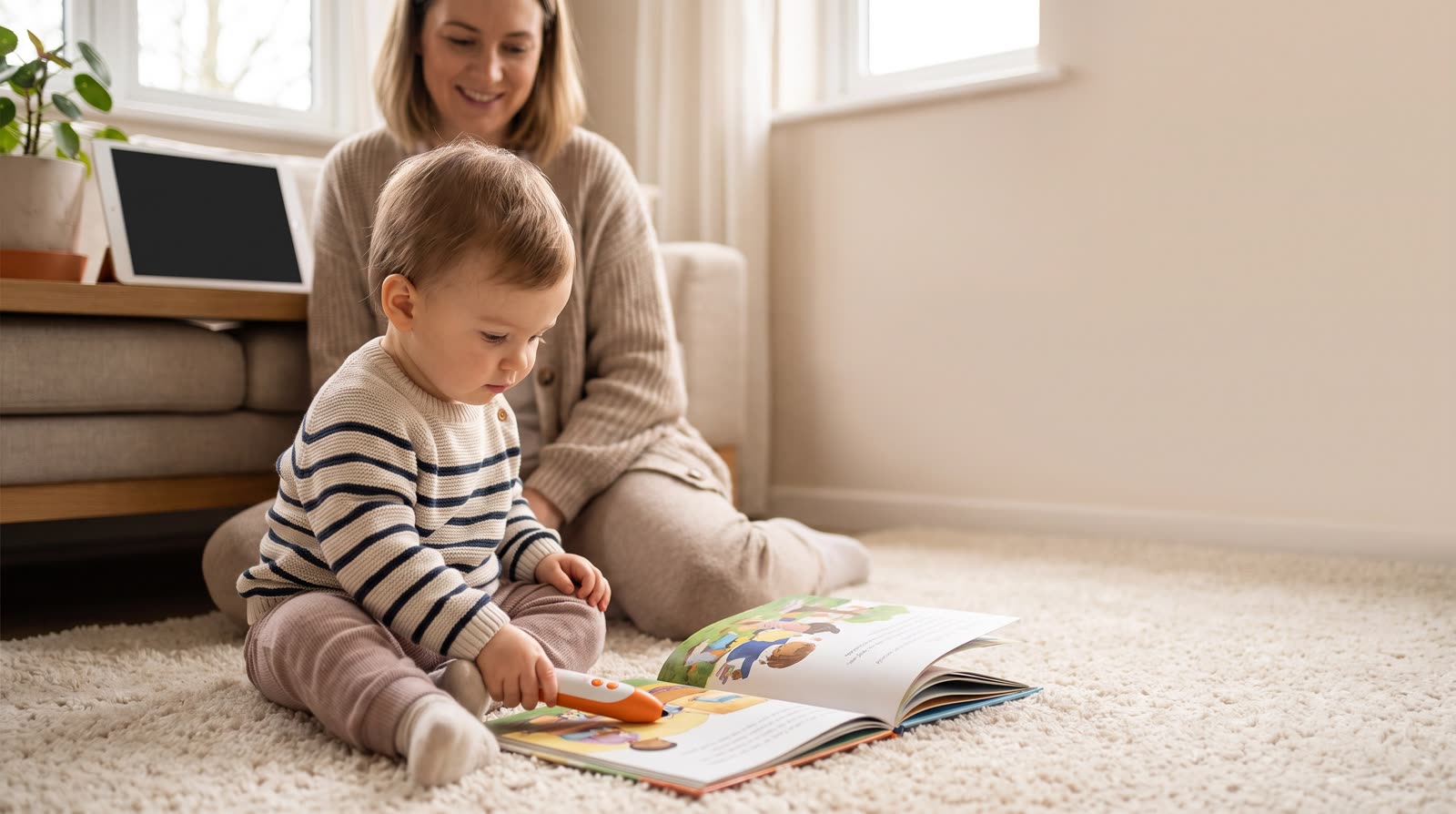
Independent interaction with talking picture books provides structured auditory scaffolding that supports early language acquisition. According to developmental research highlighted by early childhood advocacy frameworks, repeated exposure to clear, enunciated speech models reinforces phonemic awareness and receptive vocabulary in toddlers. When children control the playback pace by repeatedly touching specific image elements, they engage in active self-paced learning rather than passive listening. Ordinary picture books, while essential for visual literacy and shared parent-child reading moments, cannot provide autonomous auditory reinforcement. If an adult is unavailable to read aloud, a toddler browsing an ordinary book is restricted to visual interpretation. While visual storytelling builds observational skills, the addition of precise audio feedback in talking picture books creates a multisensory engagement loop that supports independent exploration, phonetic reinforcement, and cognitive autonomy during early developmental stages.
Limitations of Static Print for Non-Reading Toddlers During Solo Play
During periods of solo play or quiet time, toddlers interacting with ordinary picture books frequently encounter frustration when attempting to decode complex plots or unfamiliar vocabulary symbols independently. Static print requires established reading skills or active adult guidance to unlock its educational value. Without audio support, non-reading toddlers often skim pages rapidly, missing narrative connections or misinterpreting visual cues. Talking picture books mitigate this limitation by embedding interactive touchpoints across illustrations and text blocks, ensuring that every touch yields meaningful contextual feedback. However, B2B procurement specialists and educational publishers must recognize that standalone talking books require high-resolution audio files and intuitive layout designs to prevent cognitive overload. If interactive touchpoints are cluttered or unresponsive, toddler frustration increases, underscoring the importance of rigorous usability testing during product development and sample review.
Ergonomic, Motor Skill, and Physical Usability Considerations for Toddlers
Grip Design, Tactile Feedback, and Fine Motor Mastery in Early Childhood
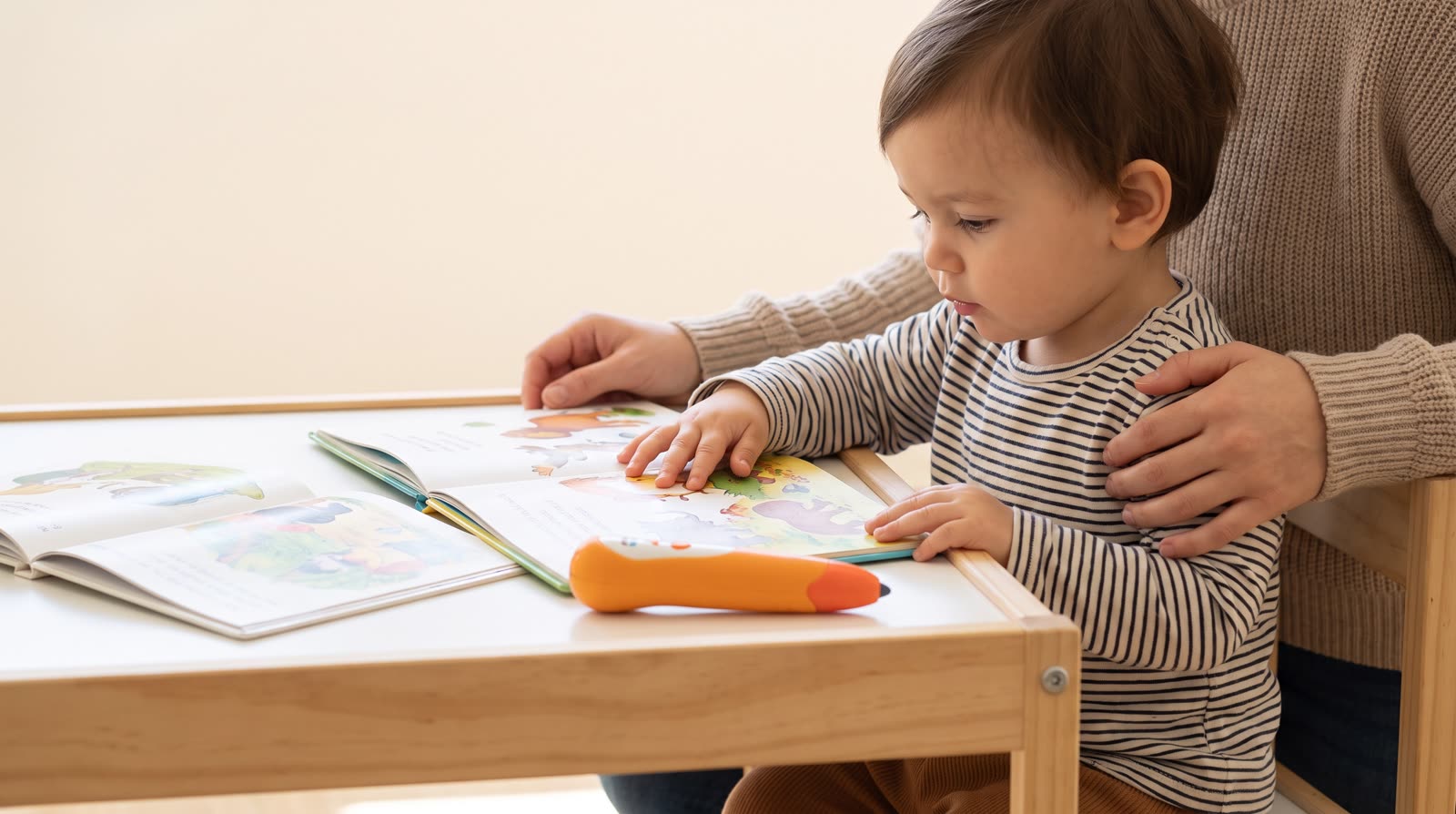
Independent use by toddlers places unique demands on product ergonomics and physical durability. Toddlers aged one to three are actively refining their fine motor skills, transitioning from palmer grasps to more controlled pincer grips. When evaluating talking picture books and companion reading pens, commercial buyers must examine how physical design accommodates developing motor control. Reading pens must feature lightweight, thickened barrel geometries and non-slip tactile coatings to ensure secure holding by small hands. Similarly, the interactive trigger zones within talking picture books must be sufficiently large and well-spaced to accommodate imprecise pointing accuracy. Ordinary picture books bypass electronic ergonomic constraints entirely, focusing solely on page thickness, binding flexibility, and tactile paper finishes. Consequently, publishers developing talking book ecosystems must balance electronic sensitivity with physical book durability to withstand repetitive, heavy-handed tapping by enthusiastic toddlers.
Weight Distribution and Page-Turning Durability
Physical specifications dictate whether a toddler can comfortably handle a book independently. Talking picture books often require heavier paper stocks, laminated coatings, or integrated board book construction to protect embedded optical patterns from moisture, tearing, and aggressive handling. Board book formats with rounded corners and reinforced spine binding are standard industry requirements for toddler-targeted interactive media. When comparing ordinary board books to interactive talking board books, publishers must manage weight distribution carefully. Excessive book weight or rigid electronic modules can fatigue small wrists, discouraging independent use. B2B buyers reviewing product specifications during sample evaluation must verify that page stiffness, board thickness, and binding strength align with international safety standards and ergonomic recommendations for early childhood products, ensuring safe, self-directed handling.
Preventing Accidental Damage and Ensuring Physical Safety
Safety compliance is paramount in toddler product manufacturing. Independent use implies that toddlers will interact with books and electronic peripherals without constant direct supervision. Therefore, materials must adhere to strict chemical and mechanical safety regulations. Following guidelines established by organizations such as the U.S. Consumer Product Safety Commission (CPSC), manufacturers must ensure that paper coatings, printing inks, and plastic housings are non-toxic, free of harmful phthalates or heavy metals, and resistant to detachment from small parts hazard testing. Talking pens and interactive book components must feature secure battery compartments with screw-locked doors to prevent accidental access by toddlers. Ordinary picture books share similar paper safety requirements but eliminate electrical hazard variables entirely. Commercial distributors must request comprehensive third-party testing documentation verifying compliance with relevant toy and children's book safety standards before finalizing large-scale procurement agreements.
ReadGlo project support
Get a Quote
Looking to expand your catalog with certified interactive talking picture books and ergonomic reading pens? Contact our B2B team today for customized product catalogs and sample evaluations.
Cognitive Engagement, Attention Span, and Cognitive Load in Independent Play
Multimodal Stimulation Versus Sensory Overload in Toddlers
The introduction of audio-visual interactivity fundamentally alters cognitive processing during independent play. While talking picture books stimulate both auditory and visual sensory pathways, educators and child development specialists caution against excessive sensory stimulation that can lead to cognitive overload. Toddlers have limited attention spans and working memory capacities; overly complex sound effects, flashing lights, or cluttered interactive zones can distract from core linguistic and narrative comprehension. Ordinary picture books present a calm, predictable visual environment that encourages sustained visual attention and imaginative contemplation. When designing or sourcing talking picture books for independent use, publishers must prioritize clean layouts, purposeful audio cues, and balanced pacing that supports concentration rather than fragmented distraction, aligning with expert recommendations on early childhood cognitive development.
Fostering Focus and Autonomous Problem-Solving
Despite the risk of sensory distraction, well-designed talking picture books actively foster autonomous problem-solving and focused attention. When a toddler discovers that touching a specific character triggers a response, they engage in intuitive cause-and-effect experimentation. This self-directed discovery reinforces curiosity and persistence. In contrast, ordinary picture books rely on the child's internal imagination or adult prompting to explore narrative depth. For independent toddler use, talking books provide immediate validation of exploration, encouraging children to spend extended time examining intricate artwork and narrative details. Educational institutions and retail buyers evaluating these products should look for interactive features that promote active inquiry—such as questioning prompts or conversational pauses—rather than passive, uncritical entertainment.
Perspectives on Interactive Media and Early Literacy Frameworks
Professional guidance from pediatric health and early education organizations emphasizes that digital and interactive tools in early childhood should augment, rather than replace, responsive human interaction and traditional reading experiences. Reference frameworks such as those provided by the American Academy of Pediatrics (AAP) on early literacy and screen-free or low-friction media emphasize that young children learn best through active engagement with caring adults and physical objects. When positioning talking picture books for independent toddler use, B2B marketers and educational suppliers must frame these products as developmental aids that complement shared reading routines. Independent exploration builds confidence and motor dexterity, but the foundational emotional and linguistic connection established through adult-led reading remains irreplaceable in early childhood education.
B2B Procurement, Quality Evaluation, and Retailer Assessment Framework
Evaluating Audio-Visual Synchronization and Code Precision in Sample Review
For B2B buyers, educational publishers, and retail category managers, assessing talking picture books requires rigorous sample evaluation protocols that extend beyond traditional book publishing. Quality assurance teams must test optical code reading accuracy across various lighting conditions and pen tip angles. Poorly printed OID codes or misaligned audio files result in scanning errors, causing immediate frustration for independent toddlers and high return rates for retailers. Procurement specialists should establish clear technical benchmarks during supplier negotiations, requiring sample stress tests for page durability, audio clarity, speaker volume limits (to protect sensitive toddler hearing), and firmware stability. Ordinary picture books require standard print quality checks for color fidelity and binding integrity, whereas interactive books demand cross-disciplinary technical audits combining publishing QA and consumer electronics inspection standards.
Material Compliance, Non-Toxic Coatings, and Safety Standards
Commercial success in the children's educational product sector hinges on uncompromised safety compliance. B2B purchasers must verify that manufacturing partners comply with international regulatory frameworks, including CPSC guidelines for children's products in North America and EN71 standards in Europe. This encompasses rigorous verification of non-toxic soy-based inks, saliva-resistant matte lamination, rounded page corners to prevent paper cuts, and flame-retardant compliance for electronic reading pens. Because toddlers frequently mouth books and toys during independent exploration, material safety certifications are non-negotiable prerequisites in supplier contracts. Buyers should request up-to-date third-party laboratory test reports for every production batch, ensuring total transparency and mitigating liability risks across international distribution channels.
Aligning Product Specifications with Educational and Retail Expectations
To maximize market adoption, B2B buyers must align product specifications with the operational realities of target retail channels—whether distributing to institutional preschools, specialty toy boutiques, or mass-market bookstores. Talking picture book ecosystems require bundled packaging solutions that securely house both the book and the reading pen while maintaining attractive retail shelf presentation. Furthermore, content localization, multi-language audio firmware compatibility, and clear age-grading labels are essential criteria during product portfolio planning. By balancing the tactile warmth and narrative purity of ordinary picture books with the innovative auditory scaffolding of talking book technology, educational suppliers can offer comprehensive product lines that meet diverse developmental needs and parental preferences.
Frequently Asked Questions
Can toddlers use talking picture books entirely without adult supervision?
While talking picture books are specifically engineered to support independent exploration and self-guided audio playback, initial adult guidance is recommended to help toddlers understand how to hold the reading pen and interact with optical touch points. Furthermore, ongoing adult supervision ensures physical safety and maximizes the educational and social-emotional benefits of shared literacy experiences.
What safety precautions should be observed regarding reading pen batteries and electronics?
Reading pens and electronic accessories must feature secure, screw-locked battery compartments to prevent toddler access. Caregivers and educators should perform routine external inspections of devices for any signs of physical damage, moisture exposure, or battery compartment anomalies. If damage, abnormal heating, or unusual odors are detected, discontinue use immediately, avoid charging, and contact the manufacturer or qualified service channels for support.
How do ordinary picture books compare in terms of long-term durability during rough toddler handling?
Ordinary board books constructed with thick, heavy-duty paper stock and rounded corners are exceptionally durable against tearing and folding. Talking picture books require similar robust board construction but must also protect embedded optical dot patterns and electronic triggers. High-quality manufacturing with moisture-resistant lamination ensures that both formats withstand typical toddler wear and tear during independent play.
Are talking picture books suitable for children with speech or language delays?
Talking picture books provide structured auditory scaffolding and clear pronunciation models that can support language exposure. However, they are developmental aids and not diagnostic or therapeutic medical devices. For children with specific learning needs, developmental concerns, or language delays, caregivers and educators should consult qualified speech-language pathologists or pediatric educational specialists for personalized guidance.
What factors should B2B buyers consider when sourcing interactive book and reading pen sets?
B2B buyers should evaluate optical scanning accuracy, audio file clarity, speaker volume safety limits, ergonomic pen design, third-party safety compliance certifications (such as CPSC and EN71), and robust packaging durability. Ensuring rigorous sample testing and verified supplier credentials is essential for mitigating commercial and regulatory risks in international markets.
Conclusion
In summary, the choice between talking picture books and ordinary picture books for toddler independent use involves distinct trade-offs across technology, ergonomics, cognitive engagement, and procurement considerations. Ordinary picture books offer timeless visual storytelling, tactile simplicity, and uncompromised durability, relying on adult read-aloud support to unlock narrative depth. In contrast, talking picture books leverage embedded optical technology and audio feedback to empower toddlers with self-guided exploration, reinforcing phonemic awareness and independent curiosity during quiet play. However, neither format operates in isolation; both require thoughtful adult mediation, strict safety compliance, and ergonomic design to foster healthy early childhood development. For educational publishers, distributors, and B2B buyers, curating a balanced portfolio that incorporates both traditional and interactive formats ensures alignment with diverse pedagogical philosophies, institutional requirements, and retail market demands.
Continue your research
Related reading pen buyer guides
Use these related guides to compare the next product, content, sourcing or channel decision in your project.
- Product ComparisonBrand-Specific Reading Pens vs. Universal Scanning Pens for Toddlers: Evaluating Independent Usability for B2B ProcurementRead this guide
- Product ComparisonComparing Learning Value: Talking Picture Books Versus Ordinary Picture Books in Early Childhood EducationRead this guide
- Product ComparisonReading Pen vs. Tablet Learning App: Evaluating Independent Use by Toddlers for B2B Retail and Education SourcingRead this guide
Continue with ReadGlo
See product specifications and request model-specific documentation.
ReadGlo project support
Send Your Requirements
Partner with ReadGlo for reliable, high-quality manufacturing of children's reading pens and interactive picture books. Submit your specification requirements today to discuss custom OEM/ODM solutions.