
Contents
Direct Answer
For reading pen preproduction sample traceability, link the approved unit to a versioned production configuration, not just a successful demonstration. Record the sample ID, logo artwork and marking proof, housing reference, hardware and firmware build, loaded content, accessories and packaging revisions. Compare each approved reference with the proposed production record and identify differences or unknowns. Give each open item an owner, evidence request and closure condition. A demonstration cannot establish final materials, delivery rights, accessory scope, production-lot consistency or market approval. Authorize only the documented production scope after responsible reviewers resolve release-blocking gaps.
What Exactly Does the Approved Sample Represent?
Distinguish a Demonstration Unit from a Production-Reference Sample
Start by recording why the unit was supplied. Demonstration, evaluation, preproduction and production-reference labels should describe agreed project purposes; do not assume every supplier uses them identically. A sample supplied to explore controls may carry a placeholder logo or temporary build. That can be useful without representing the intended sellable version.
For private label reading pen sample approval, specify which attributes the buyer actually accepted. Retain dated photographs and observations against the sample ID, but separate them from unverified material, hidden-component or future-production statements. A signature beside a photograph cannot establish what is inside every later unit.
Use the existing guide, How Should Buyers Sign Off a Talking-Pen Sample Without Approving the Wrong Version?, to define acceptance checks and signing authority. Here, the question is whether that approved object corresponds to the proposed production record.
Bind the Sample ID to One Intended Production Configuration
Begin the reconciliation sheet with buyer project, SKU/version, sample ID, sample purpose, receipt date, hardware identifier, approved scope, approver and approval-record reference. Add the approved baseline revision and proposed production configuration reference. Retain earlier records rather than replacing their identities when a sample changes.
The NIST baseline configuration glossary describes reviewed, agreed specifications controlled through changes. This information-system terminology helps frame the record; it is not a mandatory reading-pen standard or product approval.
If the approved unit lacks a usable hardware identifier, request the agreed identification evidence. Record that gap explicitly instead of treating similar appearance as a match.
Which Logo and Housing References Must Match Production?
Match Approved Artwork to the Physical Logo Marking Proof
A custom talking pen logo proof should connect buyer-authorized artwork to the proposed physical mark. Record the artwork filename and revision, placement, dimensions, color reference, proposed marking method, physical-proof ID, approver and approval date. Specify which surface or housing revision the proof represents.
An electronic render can confirm intended layout; it does not show the result of a physical marking process. A photograph can document an observed mark, but it does not independently close wear or durability questions. Record any agreed physical checks and acceptance references separately, without inventing tolerances or assuming a particular process is available.
If an evaluation sample has no final logo, mark its branding line as evaluation-only. Close that restriction only when the authorized artwork and agreed physical proof are linked, reviewed and accepted for the stated scope. A changed marking method may require affected checks to be repeated even when the artwork is unchanged.
The manufacturer page Your Trusted Talking Pen Manufacturer & OEM Partner separately names appearance, hardware, firmware, private labeling, packaging and accessories. These are useful scope questions, not evidence of ReadGlo capabilities or an agreed service package.
Separate Housing Color and Finish from Material or Structural Changes
For custom reading pen housing feasibility, first identify what changed. Recoloring an existing housing is different from changing its material, geometry, joints or manufacturing process. Record the drawing or part revision, material reference, physical color/finish reference and proposed production-part identifier.
A sample may look correct while its material or structure remains unconfirmed. Keep those fields open and request configuration-specific information. If the reference housing is nonfinal, name the evaluation tasks it can support and exclude final housing approval.
Where a revised part affects logo placement or fit, reopen those linked lines together. This avoids approving branding on a surface that the proposed production housing no longer reproduces.
How Should Firmware and Loaded Content Be Traced to the Approved Unit?
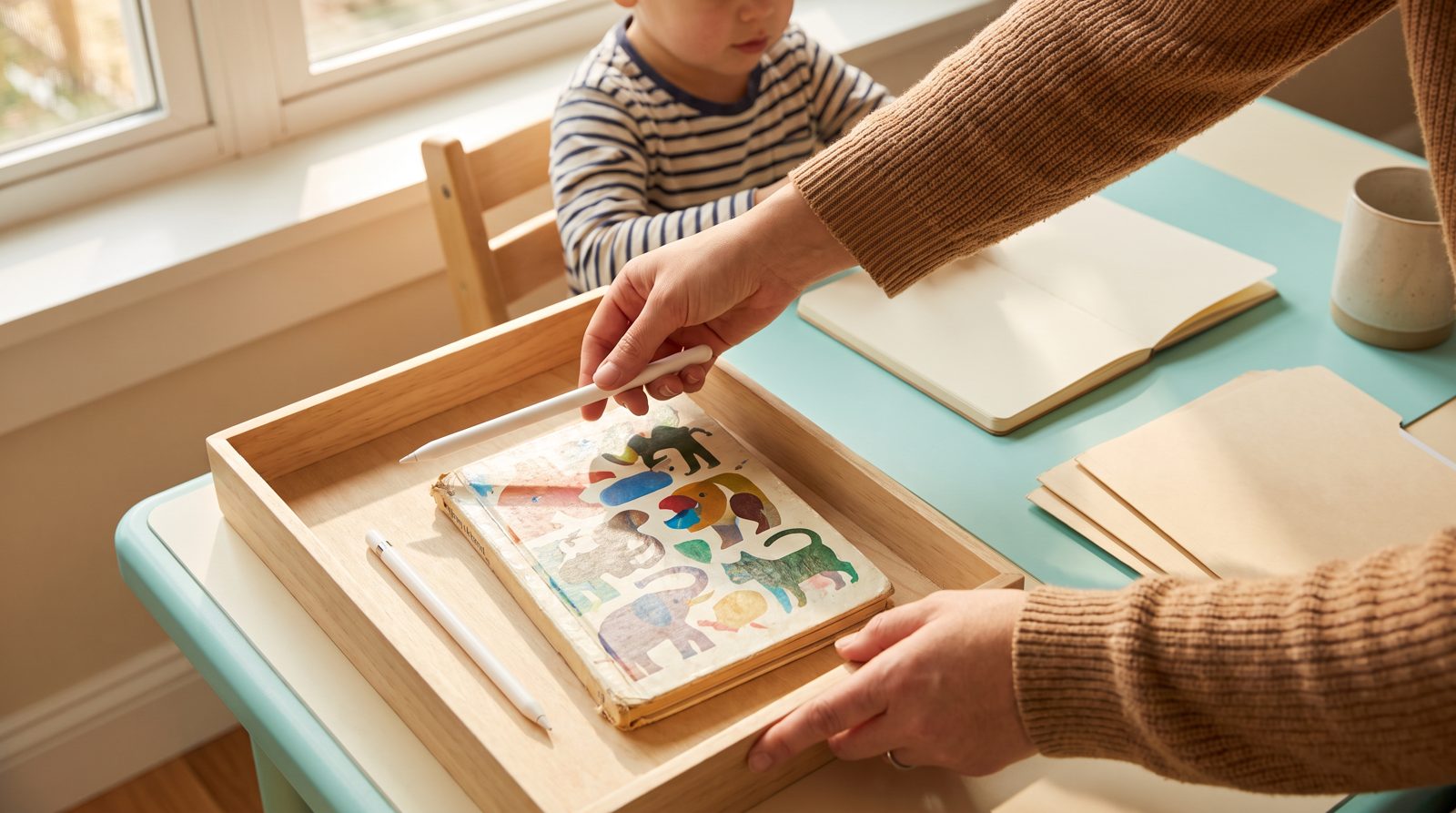
Record the Build and Content References Actually Used in the Sample
Record the hardware compatibility reference, firmware build or release ID, loaded-content manifest revision, approved first-use prompts and loading-record reference. Note who supplied each identifier and how it was checked against the particular unit. A proposed release name is not confirmation that the sample contains that release.
Where an agreed checksum or hash is available, retain it with the relevant file and record. Do not assume every proposed device exposes hashes or supports the same identification method. If the identifier is unavailable, request an alternative verification method and keep the unresolved limitation visible.
Playing one demonstration recording establishes only the observed action on that sample. It does not approve all content, the final build or an update path. For temporary firmware, state the permitted evaluation purpose and the formal-build identification and affected checks required before production release.
Define Firmware Handover, Loading Confirmation and Change Responsibility
OEM talking pen firmware handover needs a separate scope record. Specify the requested delivery form, build reference, loading confirmation, responsible loading party, maintenance or update responsibility and exclusions. A loaded device, compiled file and source-code package are different deliverables; none should be inferred from the others.
For example, if evaluation uses supplier-loaded temporary firmware, do not mark the final loading task complete merely because audio plays. Ask which final build will be used, how its loading will be recorded and who reviews differences from the approved sample.
Possession, payment or a demonstration does not establish source-code ownership, cross-model reuse or content permission. Record the written scope for the assets concerned, including rightsholder, territory, medium/use, language, term, attribution and permission. Keep technical acceptance separate from rights review.
For publisher-led content, the publisher content-handoff route helps organize edition and asset references. Here, retain the manifest reference only to fix the sample's configuration; it does not establish broader book compatibility.
Which Accessories and Pack Contents Belong to the Approved Configuration?
List Charging Items by Identifier, Quantity and Inclusion Status
Treat reading pen charging accessories sourcing as a line-item comparison, not a reference to “standard accessories.” Record the connector reference, cable part/revision, quantity per set, power-supply inclusion status and model where applicable. Identify optional and excluded items explicitly.
Place the sample accessory list beside the quoted order scope and proposed production pack-out. For each item, ask whether the identifiers and quantities match. An accessory used during a demonstration is not automatically included in the order. An unnamed cable should remain unresolved rather than being treated as interchangeable with the approved reference.
If a demonstration uses an external power supply while the proposed order includes only a cable, record that boundary. Identify what the buyer must confirm for the intended power arrangement without prescribing an unverified supply or assuming destination suitability.
Reconcile the Accessory List with Instructions and Packaging Revisions
Link the box-artwork revision, insert and instruction-language revisions to the pack-out list. Check whether instructions describe the same connector and included items as the proposed set. Packaging artwork that depicts a power supply cannot close an order-scope question by itself.
For a substituted accessory, record the old and new references, affected sample/configuration revision and required review of instructions and pack contents. The responsible reviewers should define proportionate checks; charging successfully in a demonstration does not close every compatibility or safety question.
Battery, power, age-related, market and transport requirements depend on the final SKU and intended route. Assign those questions to responsible parties and appropriate specialists, rather than deriving market approval from charging behavior.
Use Smart Reading Pen Pro as a product-direction reference in the brief. Its name or image does not confirm the requested hardware, accessories or customization scope.
Move from sourcing research to a scoped OEM inquiry
Share the proposed device, branding, book or card scope and target market. Requested configurations and commercial terms need separate confirmation.
ReadGlo project support
Prepare Your OEM Requirements
Collect your reference product, sample purpose, known configuration references and open items. Mark unknowns as to be confirmed, then <a href="/oem-odm">prepare a scoped OEM inquiry</a>. This preparation is not automatic sample acceptance.
Which Open Items Prevent a Production Release?
Mark Evaluation-Only Deviations and Define Their Closure Conditions
Create an open-item register linked to the affected reconciliation rows. Each entry needs an issue ID, current and proposed references, allowed evaluation purpose, production restriction, required evidence, owner, due date, reviewer, status and closure reference. Include a prominent statement: evaluation-only approval is not production release.
Consider a fictional buyer-owned scenario, not customer or test data. If a sample carries a placeholder logo and temporary firmware, the buyer may approve observation of the identified controls while withholding final branding and build approval. The logo issue closes against the agreed physical marking proof. The firmware issue closes against an identified final build, loading confirmation and affected functional review.
If the connector reference or accessory list is missing, create separate issues. This prevents a resolved logo question from making the whole sample appear released. Do not label an unknown “no difference” simply because no difference was noticed.
Assign Evidence Owners and Keep Release Authority Separate from Demo Approval
Allocate brand, technical, hardware procurement, packaging and quality review to named people. Identify the person authorized to decide the production scope and the escalation owner when reviewers disagree. A brand approver can accept artwork without having authority to waive a hardware or market-evidence gap.
For every closure, retain the reviewed evidence, decision date, authorized scope and affected baseline revision. A supplier response saying “same as sample” needs enough identifiers to establish what that means. A chat acknowledgement should not replace the linked evidence and decision record.
Choose document review, a revised proof, resampling or specialist assessment according to the change's impact. Do not assume every deviation is waivable. When production identity or required evidence remains unknown, keep that scope unreleased. Also identify the next action, so a hold becomes a resolvable task rather than an unexplained status.
Use one blank entry per issue, then attach its evidence rather than overwriting the original concern:
- Identity: [Issue ID; affected row; current reference; proposed reference].
- Boundary: [Allowed evaluation purpose; production restriction].
- Action: [Evidence needed; owner; due date; reviewer].
- Closure: [Decision/status; evidence reference; authorized scope; re-review trigger].
How Can Buyers Reconcile the Baseline Before Authorizing Production?
| Configuration element | Approved sample reference | Proposed production reference | Difference or unknown | Evidence to request | Decision owner | Closure or re-review condition | Release status |
|---|---|---|---|---|---|---|---|
| Logo artwork and marking | [Artwork revision; physical proof ID] | [Artwork; method; production proof ID] | [Changed or unconfirmed mark] | [Linked artwork and physical proof] | [Brand approver] | Review affected artwork or marking-method changes. | [Buyer decision] |
| Housing | [Part/drawing; material; finish reference] | [Proposed housing revision] | [Color, material or structural difference] | [Configuration response; agreed reference checks] | [Product/quality reviewers] | Unconfirmed material or structure remains open. | [Buyer decision] |
| Firmware and content | [Build; manifest revision] | [Production build; manifest; loading record] | [Temporary or unidentified build] | [Identification; loading; affected checks] | [Technical reviewer] | Confirm final build and handover scope. | [Buyer decision] |
| Accessories and packaging | [Cable/connector; quantities; pack list] | [Inclusions/exclusions; pack-out revision] | [Identifier, quantity or supply unknown] | [Order/instruction/pack-out reconciliation] | [Procurement/packaging reviewers] | Record inclusion scope; review substitutions. | [Buyer decision] |
| Open items and record linkage | [Approval; open-item register revision] | [Baseline-linked BOM; instructions; inspection plan] | [Restriction or missing reference] | [Disposition; evidence; authorized scope] | [Buyer release owner] | Close production restrictions; reconcile actual lots later. | [Buyer decision] |
Illustrative fictional buyer-owned Sample-to-Production Reconciliation Sheet; placeholders are not customer, inspection or release data.
Swipe horizontally to view all columns.
Compare the Approved References with Production Records Line by Line
Give the approved baseline one identifier and revision. Cross-reference it to the proposed bill of materials (BOM) or configuration list, order scope, work-instruction revision and inspection plan. Resolve conflicts between those records instead of selecting whichever document is most recent without checking its authority.
The manufacturer Quality Control page discusses material inspection, function checks and traceability records as separate activities. That distinction helps organize evidence requests; the page does not prove a supplier's implementation or a proposed product's results.
A planned lot reference is not completed lot genealogy. When actual build records exist, check the lot, component-lot references, process revisions, deviations and release authorization against the baseline or authorized changes. Retain agreed reference units or first-production comparison units, with their identities and comparison records. Record agreement alone does not prove physical conformity or consistency across every unit.
Complete a Buyer-Owned Sample-to-Production Release Sheet
Use the worksheet below as the second part of your deliverable. The first part identifies the project, sample, approval and baseline; the third contains the open-item register. All placeholders are buyer-owned fields, not signed approvals or actual results.
Apply three decisions to each row: matching references with satisfied agreed checks go to the authorized decision owner; differences require impact review; unknowns remain unreleased. Record the scope, approver, date and supporting evidence for the final decision, with exclusions still visible.
Close only the named production-release gate. This is not shipment approval or a whole-batch quality guarantee. Later substitutions or repeat-production changes should trigger review of affected references, not silently inherit the original approval. Keep the released sheet available to whoever reconciles subsequent lot and retained-unit records.
Frequently Asked Questions
1. How can a buyer link a preproduction reading pen sample to the proposed production bill of materials?
Cross-reference sample ID, approved baseline revision and proposed BOM/configuration revision. Reconcile logo, housing, firmware/content, accessories and packaging line by line. Retain differences and their dispositions. Matching document text does not prove how units were built; actual lot records and agreed physical comparisons remain separate tasks.
2. How should a buyer define sample deviations that are acceptable for evaluation but not for production?
Name the affected row, permitted evaluation purpose, production restriction, owner and closure evidence. A placeholder logo or temporary build may support a defined observation, but cannot release final branding or unidentified production firmware. Retain the restriction until the authorized reviewer records closure.
3. What must a logo proof show before the brand approves the marking on a talking pen?
Connect authorized artwork revision, position, dimensions and color reference to the proposed marking method and physical-proof identity. Record the approver and scope. A render does not confirm finished-process performance or durability; agree relevant checks and acceptance references for the project.
4. What records should accompany a revised sample when the supplier substitutes a charging connector?
Record old/new connector identifiers, affected sample and configuration revisions, accessory and instruction changes, impact review, agreed repeat checks and approver. Update the baseline and closure references. A charging demonstration alone cannot resolve every configuration, market or safety question raised by the substitution.
Conclusion
Release a defined configuration, not the impression created by a successful demonstration. The useful deliverable is a reconciliation and open-item sheet connecting the approved unit, proposed production references and evidence-backed decisions.
Before using the OEM project page, prepare the non-confidential scope and unresolved questions. Keep confidential artwork, firmware and children's personal data out of the first brief; agree file sharing separately. Review the Buyer FAQ for inquiry preparation, or use Contact ReadGlo as an alternative. Requested configurations and commercial terms require separate confirmation.
Sources and Further Reading
- NIST CSRC: Baseline configuration — Reviewed-baseline and change-control terminology; not reading-pen certification.
- Your Trusted Talking Pen Manufacturer & OEM Partner — Manufacturer terminology for separate customization-scope questions; not ReadGlo evidence.
- Quality Control — Manufacturer descriptions of material, function and traceability activities; not verified implementation or product results.
Continue your research
Related reading pen buyer guides
Use these related guides to compare the next product, content, sourcing or channel decision in your project.
- Quality ControlHow Should Buyers Check Sound Book Button Audio Mapping Before Approving a Module Sample?Read this guide
- Publisher SolutionsWhat Should a Brand Check Before Releasing a New Talking Pen Language Pack?Read this guide
- Quality ControlHow Can an Educational Toy Importer Define a Golden Sample Acceptance Plan for Reading Pens?Read this guide
Continue with ReadGlo
Review multilingual content, printing, and DOT-code customization options.
ReadGlo project support
Send Your OEM Project Brief
Share a non-confidential summary of your intended product, destination, provisional quantity, approved sample reference, proposed changes and unresolved release questions through the <a href="/oem-odm">OEM project page</a>. Requested configurations and commercial terms require separate confirmation.