For children's publishers & content owners

How can publishers create interactive books with talking pens?

Plan talking pen books around your titles, approved print files and authorized audio—not around a pen alone. Share your market, editions and next sample decision to start a publisher scope review.

Compatibility, rights, deliverables and commercial terms require project-specific confirmation.

Illustrative editorial team discussing picture-book artwork beside headphones and an audio recorder
Title & editionPrint & audioSample & sign-off
AI-generated editorial illustration—not a customer case, factory photograph or evidence of a released configuration.

01 / Choose your starting point

What does your publishing team need to decide?

01

A new title or collection

Bring your title list, permitted sample pages and intended listening actions. Start with a representative spread before treating the entire collection as a fixed production scope.

Next decision: which title and interaction should the sample represent?
02

An existing book edition

Identify the edition, print files, rights status and current pen or code system, if any. Ordinary printed books are not automatically readable by a talking pen.

Next decision: can the exact proposed pen–print–audio combination be verified?

03

A language edition or reprint

Separate unchanged assets from new text, translation, audio and print revisions. Record the original baseline so a new language or printing does not silently inherit an earlier approval.

Next decision: what needs new permissions, testing and sign-off?

Reading pen projects for publishers begin with content and edition decisions. For housing, logo, packaging or wider private-label device changes, use the OEM/ODM project page. Related work needs a jointly agreed scope.

Keeping an existing pen or reviewing a changed book edition? Use the book–device compatibility review and pairing register to record the exact build, edition and open questions before discussing the wider content project.

Illustrative project brief — not a customer case

What should a talking pen book project include?

A focused first brief connects a publishing direction to one testable decision. This example is hypothetical; it does not describe an order, a released collection or an agreed ReadGlo service package.

Publishing direction
Three proposed animal-vocabulary picture books. Title count is an example, not a minimum order or an existing customer programme.
Material ready to review
One spread that the publisher is permitted to share, draft narration references and a list of open artwork and recording permissions.
Requested versions
English audio and one additional language to be identified and reviewed. Neither a translation nor a supported device language is assumed.
First sample decision
Check three identified touch zones against their expected recordings on the proposed pen–print–audio configuration before agreeing the wider collection scope.

Define books, devices, audio, accessories and packaging separately. An item shown in an illustration is not automatically included in your project.

02 / Prepare the content handoff

What belongs in an interactive book content package?

For interactive book publishers, the useful starting point is a manifest—not an unlabelled folder. Separate draft, test-only and approved assets, name the reviewer for each workstream, and agree transfer and storage arrangements before sharing production files.

Editorial / design lead

Manuscript & layout

Title ID, edition, page list, approved text, illustrations, layout files and a permitted example spread.

Before handoff: Check ownership, final copy, page coordinates and whether the print file is an editable draft or an approved release.

Work to request: Describe any layout or print-preparation work you need; availability, formats, ownership and deliverables must be agreed.

Approval owner: The publisher names the editor or design reviewer who can approve the exact print revision.

Language / editorial reviewer

Scripts & language

Narration script, pronunciation notes, language variants and the intended response for each touch zone.

Before handoff: Name the person who can approve terminology, narration style and any translation before recording or loading is agreed.

Work to request: Request script adaptation, translation or recording separately where needed; do not assume they are included with a device.

Approval owner: A buyer-appointed language reviewer signs off the relevant script and narration version.

Rightsholder / authorized coordinator

Audio & permissions

Asset inventory, filenames, recording versions and rights status. Include performances, music and effects where applicable.

Before handoff: Record rightsholder, territory, medium, language, term, attribution and written permission. A supplied file does not establish permission to reproduce or distribute it.

Work to request: Identify missing recordings or permission references and agree which party may prepare or transfer each asset.

Approval owner: The responsible rights coordinator confirms the intended use; technical playback approval is not rights clearance.

Product / technical reviewer

Pen & interaction reference

Selected device reference, proposed print/code route, expected actions, accessory list and any existing compatibility constraints.

Before handoff: Confirm feasibility, the exact device/content configuration and representative test material. Neither the image nor another working title proves compatibility.

Work to request: Ask which coding, content-loading or device-review activities can be scoped and who is responsible for them.

Approval owner: Named technical and editorial reviewers record their separate acceptance decisions against one configuration.

Which deliverables and responsibilities should you agree?

Use these as discussion items, not as a promised standard service. Specify the scope, preparation owner, file format, reviewer and change process for each requested deliverable.

Asset and permission register

An agreed list of file references, versions, owners, permitted uses and unresolved approvals. Name the party responsible for keeping it current.

Interaction and audio map

A page or touch-zone reference tied to an intended response, audio version, language and test owner. Confirm its format and revision process.

Sample review and issue log

Expected and observed results, failures, correction owners and retest records. Decide how unresolved deviations may be accepted or rejected.

Edition and configuration baseline

The approved print, mapping, audio and device references with reviewers and dates. Specify how future reprints or new titles trigger impact review.

WIPO's copyright FAQ explains general permission concepts, including translations and recordings. It is background guidance, not project-specific legal clearance or an endorsement of ReadGlo.

03 / Make the interaction traceable

How does book and audio mapping work?

The map connects a page or touch zone to its intended response, approved audio version and reviewer. For an optical-code route, agree code allocation, print preparation and content loading with the responsible technical parties.

OID, dot-code and “speaking pen” labels do not establish universal interoperability. File formats and loading methods belong in the agreed configuration, not in an assumed feature list.

  1. 01

    Title / edition / page

    Give each title, print revision and page a stable reference so assets from different editions cannot be confused.

  2. 02

    Touch zone / code

    Identify the intended touch area and its code reference where the chosen system uses one. Confirm placement, separation and print preparation for that system.

  3. 03

    Response / audio file

    Connect the intended action to the approved script or audio filename, language and version. Record non-audio responses separately if requested.

  4. 04

    Check / owner / result

    Assign a reviewer and expected response, record the sample result, and close or explicitly approve deviations before release.

Illustrative mapping record — not a tested result

One touch zone, one traceable response

Title / edition
Animal Vocabulary, Edition A — illustrative reference
Page / touch zone
Page 4 / lion illustration
Expected response
Approved narration for “lion”
Audio reference
animal-edA-en-lion-v01.wav — illustrative filename
Review owner
Buyer-appointed editorial reviewer
Result
Pending sample test — no approval recorded

No real code is assigned in this example. The filename illustrates a reference convention, not a required file format. A pending check is not sample approval or permission to use an asset.

Have a title list and one representative spread?

Send a summary of what is ready, what is still open and what you need the sample to establish.

Request a project review

04 / Set the acceptance gates

How should publishers approve a book-and-pen sample?

Approve the identified book, print revision, mapping, audio and device combination against agreed checks. Functional, editorial and rights reviews are separate decisions. Safety, classification, battery, labelling and transport evidence need final-configuration and destination-market review.

  1. 01

    Agree a representative test set

    Select permitted pages, audio examples and a device reference. Specify which interactions, print conditions and languages the first sample must demonstrate. Sample availability, charges and timing require confirmation.

  2. 02

    Review the complete interaction

    Check page-to-audio mapping, language accuracy, touch coverage, controls and packaging against the agreed scope. Record failures and retests; a successful demonstration of one action is not whole-book acceptance.

  3. 03

    Lock a traceable configuration

    Record title and print revisions, code/map version, audio package, device/firmware identifiers where relevant, accessories and packaging. Attach the reviewer, date, deviations and retained reference.

  4. 04

    Control reprints and new books

    A reprint is not automatically covered by an earlier approval. Compare changes to artwork, recordings, print processes and device versions, then agree an impact review and proportionate regression checks before release.

Close issues before treating a sample as the baseline

For a wrong recording, missed touch zone, revision mismatch or pronunciation issue, record the expected and observed result, correction owner and revised file reference. Retest the affected interaction and any related checks identified in the impact review. Keep the retest outcome and any deviation decision with the named approval owner and date; do not replace a failed result with an unverified “pass”.

05 / Ask for a comparable scope

What affects the scope of a publisher project quotation?

Specify titles and unit quantities per edition, device quantities, print format, accessories and pack contents. Separate repeat production from one-off preparation, coding, development, audio work and sample activities where requested.

You have print files and authorized audio

List the exact file revisions, rights status and requested device reference. Ask which print preparation, mapping, loading and sample-review work is still needed. Existing assets do not establish compatibility or make all preparation costs disappear.

You have a concept or manuscript

Describe the titles, intended users and markets, available artwork or scripts, and missing assets. Request a review of additional work rather than assuming a turnkey package. Confirm who can prepare each item and who will approve it.

Ask what is included, excluded or awaiting review, who owns each deliverable and which approvals drive the schedule. Confirm minimum quantities, prices, payment, delivery terms, sample charges and timing in writing. A device or book catalogue price is not a complete publisher-project quotation.

06 / Describe your reference direction

Book and device references for your brief

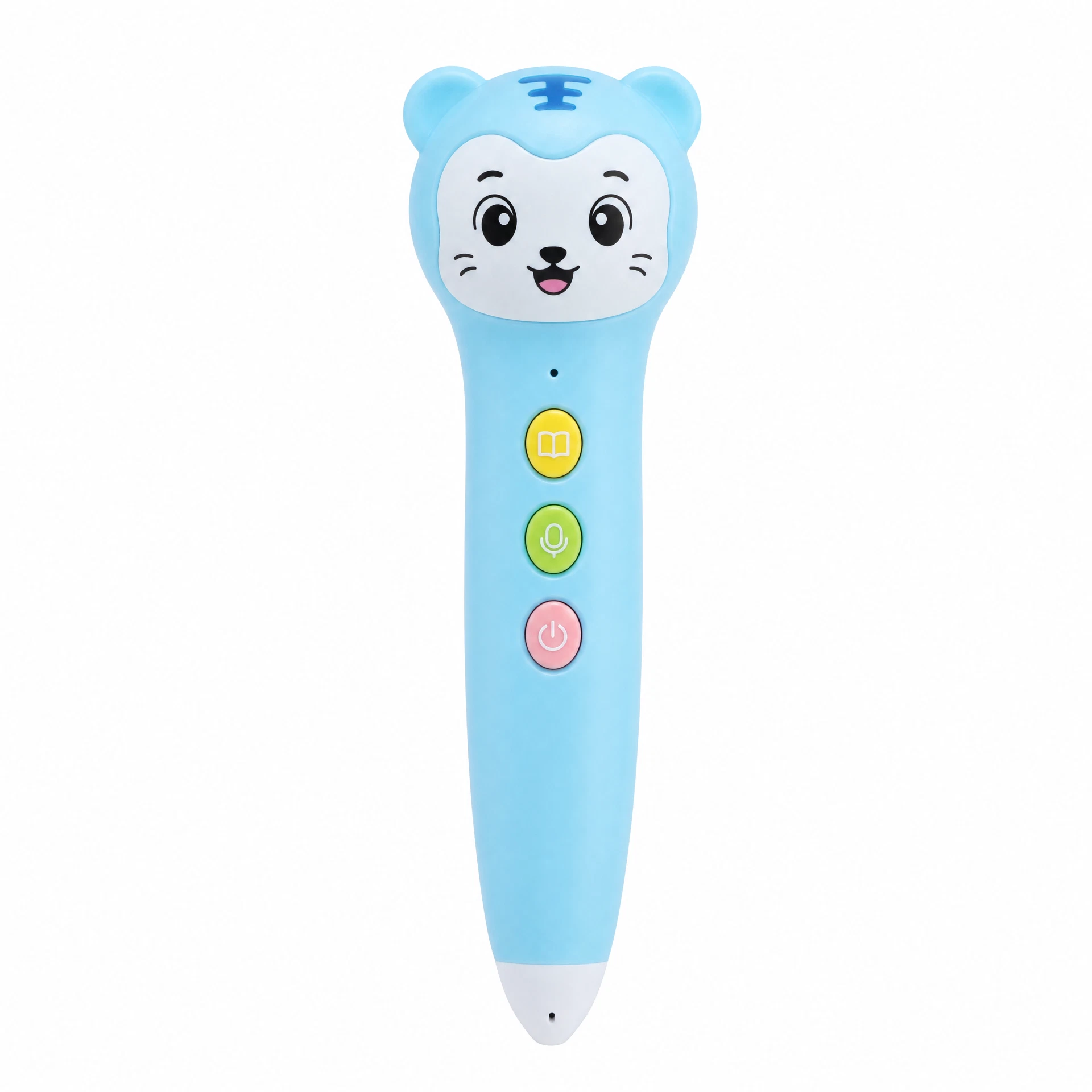
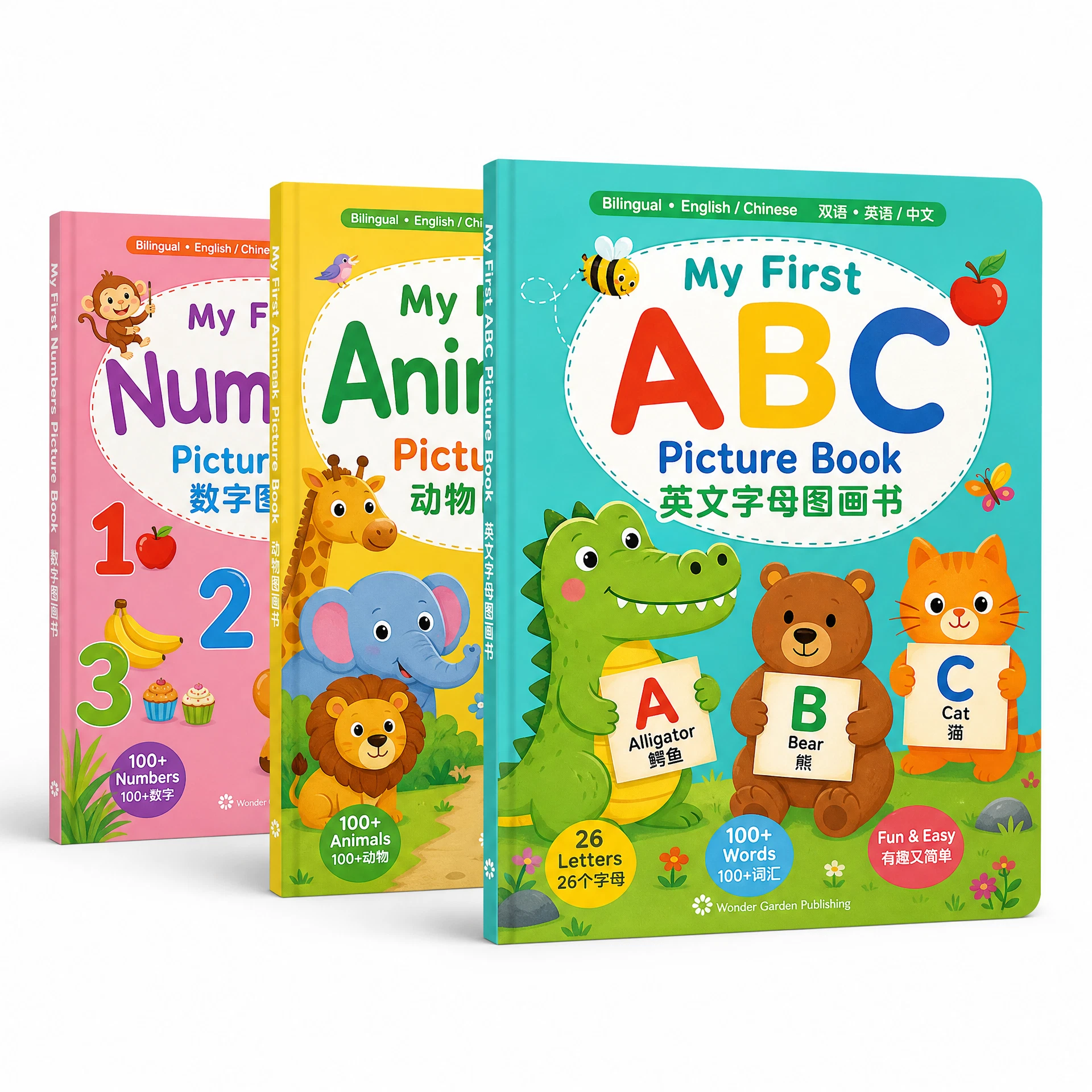
Use these existing catalogue illustrations to describe a direction. The two references are not a confirmed compatible bundle; depicted content, languages and accessories are not automatically supplied or licensed.

07 / Prepare a usable handoff

Download the editable publisher handoff template

Record title and edition references, asset and permission status, audio mapping and sample results in four editable worksheets. Keep unknown items as “to be confirmed” and replace or remove the illustrative rows before using your own project records.

A planning aid, not an order form, a content licence or a promised service package. Share a summary first; agree storage and file-transfer arrangements before providing confidential assets.

  1. Title & edition register

    Identify each edition, language, quantity and proposed configuration.

  2. Asset & rights register

    Identify versions, rightsholders, intended uses and written-permission references.

  3. Audio mapping

    Connect pages and touch zones to the expected audio and review owner.

  4. Sample acceptance

    Keep observed results, issues, corrections, retests and reviewer decisions together.

Which title route and components are requested?

A book with a reading pen is a proposed matched system: the identified coded book edition, device configuration and authorized recorded audio must be reviewed together; an ordinary printed book is not automatically readable. Identify the route: new title, collection, existing edition, language edition or reprint.

Count devices, books per title and edition, accessories and packaging separately, marking each line included, excluded or to be confirmed. For children's books, record intended age, subject, difficulty and adult participation, then verify content and safety guidance for the final SKU and market. A single-title demonstration does not approve every volume or mixed-device configuration.

Which files and rights are ready?

Reuse the existing handoff template. Register text, translations, illustrations, scripts, performances and recordings separately, with file revisions and draft, test-only or approved status. For each asset, record rightsholder, territory, medium, language, term, attribution and written permission.

Content ownership does not establish that a proposed content category or preparation service is within ReadGlo's agreed scope. Keep missing permissions and requested translation, recording, coding or loading work pending until responsibilities, deliverables, ownership and exclusions are confirmed.

Send a non-confidential title, language and asset-status summary; mark unknowns pending.

Submit Your Publisher Project Brief

How should language editions be recorded?

Separate written script, spoken language or accent, recording version, instruction and packaging languages, territory and buyer-appointed native-language reviewer. For Chinese editions, specify simplified or traditional text independently from Mandarin or Cantonese audio. For children's Cantonese requests, also identify script difficulty, intended age and adult participation; language and final-configuration suitability remain unconfirmed.

For Arabic requests, record the text and audio variant and right-to-left layout checks; for English or French, record the requested recording accent, pronunciation notes and territory. An English–Chinese or Hebrew–English request needs separate authorized scripts and recordings, direction or mixed-layout checks, proposed language-selection behaviour and sample criteria. These are review inputs, not a list of supplied languages; webpage translation establishes neither device audio support nor automatic translation.

Requested editions only—not supplied or approved configurations.
Requested editionWritten textRecorded speechOpen decision
ChineseSimplified / traditionalMandarin / CantoneseConfirm each pairing and reviewer
ArabicVariant; RTL layoutVariant; recording referenceConfirm layout, rights and pairing
English / FrenchSeparate script revisionAccent; pronunciation notesConfirm territory and reviewer
English–ChineseBoth scripts; Chinese text variantEnglish plus specified Chinese speechConfirm requested selection and touch zones
Hebrew–EnglishBoth scripts; direction / mixed layoutTwo authorized recordingsConfirm feasibility and sample coverage

How are requested responses compared and approved?

Specify whether a word, sentence, page or story touch zone should trigger an identified prerecorded response; each requested granularity and language-selection action needs feasibility review. Tap-to-play content is not arbitrary-paper OCR, dynamic text-to-speech, a complete curriculum or a device-management platform.

For Chinese-language sample comparisons or a proposed Hebrew–English pairing, compare the named edition, device/build, mapping, audio accuracy, touch coverage, issues, retests and sign-off owner—not an unsupported best ranking or invented customer review. Keep representative-sample scope separate from whole-book and collection acceptance. Conclude the brief with one next decision and unresolved items; agree services, quantities, charges and timing in writing, with final-market safety, battery and transport checks kept separate.

Questions about this procurement scope

Does a one-title sample approve the complete collection?

No. Identify tested titles, pages and configurations; agree separate checks for untested volumes, languages and mixed devices.

How should Cantonese, Mandarin and written Chinese variants be specified?

Separate simplified/traditional print from Mandarin/Cantonese speech; identify accent, script/audio revisions, permissions and native-language reviewer. Availability remains unconfirmed.

Is bilingual recorded playback automatic translation?

No. Specified touch zones or an agreed language choice trigger approved recordings. Both scripts, audio versions, translation permissions and selection behaviour need review.

What should a rights-owning publisher submit for a proposed religious-text project?

Start with a non-confidential title, edition, audience, territory and asset-status summary. First ask whether ReadGlo can consider the scope; no product or service availability is implied. Text, translations, illustrations, performances and recordings need separate permission records, editorial or buyer-appointed religious review, and technical checks. Ownership alone does not establish religious approval or compatibility.

Record editions, permissions, mapping and sample decisions in existing worksheets before sharing assets.

Open the Existing Handoff Template Downloads

Publisher questions

Interactive book project FAQ

Can my existing children's books become talking-pen books?

Talking pen books, sometimes called speaking pen books, need a verified print–device–audio combination. Request a review of the exact edition, permitted production files and proposed device/code system. Ordinary books are not automatically compatible. A representative proof and sample should establish the intended interaction before any print or content scope is agreed.

Do I need finished manuscripts and recordings before contacting ReadGlo?

No. You can start with a concept or manuscript summary. Send the title count, market, requested languages, available assets and next decision. Mark unfinished files or permissions as to be confirmed. Any additional artwork, script, recording or preparation work must be requested and agreed separately. Do not start by sending confidential files; feasibility, deliverables and a permitted transfer route need review.

What belongs in a publisher content handoff?

Include title and edition references, approved text and layout status, illustrations, scripts, audio filenames and language versions, intended interactions, rights status and named reviewers. A mapping sheet should connect each page or touch zone to its intended response and acceptance check.

Who confirms text, illustration, translation and recording rights?

Identify the relevant rightsholders and responsible reviewers. Record territory, medium, language, term, attribution and written permission for the intended uses, including recording or performance rights where relevant. Neither a file handoff, sample approval nor a payment alone establishes all required permissions.

Can a multilingual book project use any language or recording?

List the requested text, audio and instruction languages separately. Review permissions, pronunciation, reviewer availability and technical feasibility for each version. A translated webpage or reference image does not establish a supported device language, supplied recording or licence.

What does an approved book-and-pen sample need to identify?

Record the title/edition and print revision, device reference and relevant build identifiers, code/audio mapping, approved audio package, accessories and packaging. Attach agreed checks, results, deviations, approval owner and date. Technical acceptance does not replace editorial, rights or destination-market review.

What should a project quotation include?

Ask for the device and print configuration, titles and units by version, one-off work, content preparation, packaging and sample scope, plus inclusions, exclusions and approval dependencies. Minimum quantities, price, timing, payment and delivery terms must be confirmed against the actual project; no standard package is implied here.

How is this page different from the OEM/ODM page?

This route starts with a publisher's content package, title/edition records, book-to-audio mapping and editorial approval tasks. Use the OEM/ODM page when the main brief concerns branding, device changes, packaging or wider private-label development. Related work can be combined only after the scope and responsibilities are agreed.

Start a focused project discussion

Submit your publisher project brief

Share your market, reference material and next decision. You can start with a provisional scope; quantities and unfinished assets can remain to be confirmed.

The first step is a feasibility and scope review, not an order, sample booking or a confirmed quotation. Content, compatibility and requested configurations require project-specific confirmation.

Prefer email?

info@readglo.com

Send a summary first. Do not include confidential manuscripts, recordings or children's personal data. A permitted file-transfer route can be agreed separately.

Your project in a few details

Fields marked * are required. No phone number or file upload is needed.

Company and project summary
Add title quantities, languages and asset status (optional)

By submitting, you ask ReadGlo to use the contact and project details you provide to respond to this inquiry. Requested scope and permissions require separate confirmation.

Email ReadGlo at info@readglo.com