
Contents
Introduction
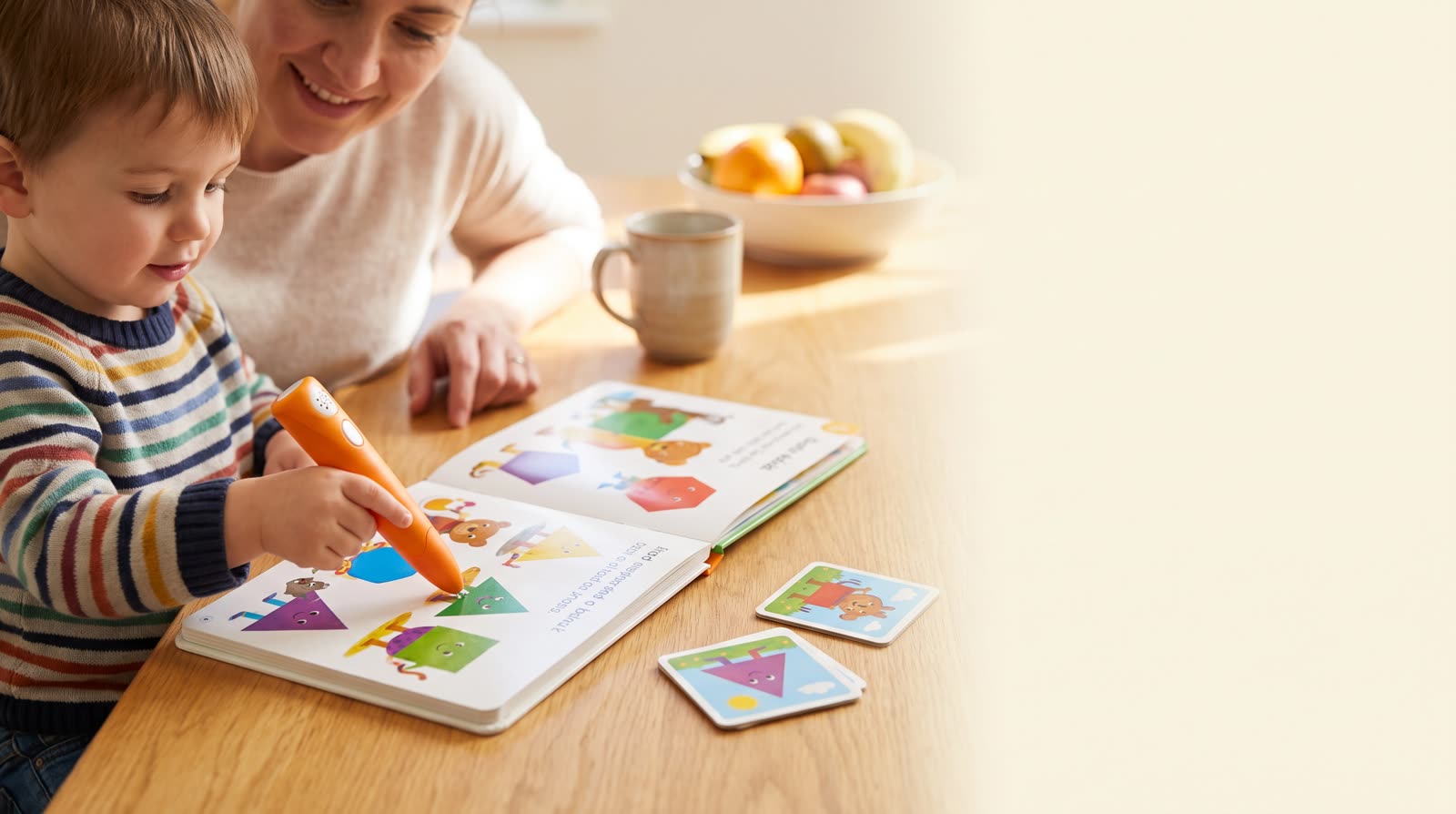
For B2B buyers, wholesale distributors, educational publishers, and institutional selectors, procuring talking picture books focused on storytelling and creative thinking requires rigorous evaluation of linguistic density, audio-visual synchronization, and manufacturing compliance. Unlike standard illustrated books, interactive talking books integrate optical dot-matrix codes (such as OID or ixD codes) that interact with optical reader pens to deliver synchronized audio narratives, sound effects, and vocabulary prompts. According to literacy frameworks outlined by Reading Rockets and early childhood guidelines from the American Academy of Pediatrics (AAP), narrative-rich media that encourage imaginative thinking significantly support receptive and expressive vocabulary expansion when paired with guided adult interaction. Procurement teams must systematically review publisher rights, paper stock durability, audio file integrity, and adherence to international safety standards such as ASTM F963 and CPSC guidelines before finalizing wholesale orders.
Core Linguistic and Narrative Evaluation Criteria for B2B Sourcing
Evaluating Vocabulary Density and Narrative Complexity in Sourcing Selections
When evaluating talking picture books designed to stimulate storytelling and creative thinking, procurement specialists must examine the lexical range and narrative structure presented in the manuscript. Research highlighted by literacy organizations indicates that children benefit from exposure to Tier Two vocabulary words—sophisticated terms used across various contexts beyond basic conversational language. Sourcing teams should review sample texts to ensure that stories introduce imaginative plots, open-ended problem-solving scenarios, and varied linguistic structures without overwhelming cognitive load. Publishers and distributors should verify that the accompanying audio files align precisely with printed text, supporting phonemic awareness and reading comprehension for young learners in both monolingual and bilingual educational environments.
Verifying Audio-Visual Synchronization and Interactive Touchpoint Responsiveness
The technical core of any talking picture book relies on flawless synchronization between printed optical codes and digital audio outputs. During sample evaluation and pre-shipment inspections, technical buyers must test the responsiveness of optical touchpoints across all pages. Misalignment between the invisible OID dot codes and printed illustrations can result in audio reading errors, delayed playback, or mismatched prompts. Sourcing agreements should specify rigorous quality control thresholds for optical code printing density, ensuring that reader pens decode touch zones instantly and reliably across diverse paper finishes and ink saturations.
Technical Specifications and Audio Code Integration Standards
Understanding Optical Code Technologies (OID vs. Barcode) for Talking Books
Modern interactive publishing utilizes advanced optical identification (OID) dot-matrix technology embedded invisibly within CMYK or specialized carbon-free ink layers. Wholesale buyers must confirm whether publishing partners utilize standardized OID coding formats (such as OID3 or OID4) that are fully compatible with their proprietary or universal talking pens. Incompatible audio coding will render the printed books non-functional with existing hardware ecosystems in schools or retail markets. Technical spec sheets must explicitly detail the optical reading resolution required, memory allocation for multi-language audio files, and firmware version compatibility.
Manufacturing Quality Controls: Paper Stock, Binding, and Safe Inks
Physical durability is paramount for educational and institutional picture books subjected to frequent handling by young children. Procurement contracts should mandate high-grade paper stock—typically heavy-weight art paper (157gsm to 250gsm) with matte lamination to reduce glare and prevent optical sensor interference. Binding methods, such as robust section sewing or reinforced library binding, must ensure flat-opening layouts that prevent gutter loss of interactive touchpoints. Furthermore, manufacturing facilities must certify the use of non-toxic, soy-based or water-based inks that comply with heavy metal testing limits and food-contact safety standards.
ReadGlo project support
Request Wholesale Catalog & Sample Kit
Explore our certified range of talking picture books and audio-enabled learning tools designed for global distributors and educational publishers.
Compliance, Safety, and Regulatory Verification for Wholesale Buyers
Adhering to International Toy and Book Safety Standards (ASTM F963, EN71, CPSC Guidelines)
Because interactive talking books often incorporate electronic companion devices or are classified alongside educational toys in certain jurisdictions, compliance verification is strictly required. Importers must ensure that products comply with ASTM F963 (Standard Consumer Safety Specification for Toy Safety) in North America and EN71 standards in the European Union. These regulations govern mechanical hazards, flammability, and soluble heavy metal content in coatings. Sourcing teams should request independent third-party laboratory test reports (such as from SGS, Intertek, or TÜV) to verify compliance prior to mass production.
Safe Handling, Maintenance Protocols, and End-User Safety Advisories
Operational safety instructions must be clearly documented in user manuals and packaging inserts. In alignment with Consumer Product Safety Commission (CPSC) advisories for electronic educational products, buyers must ensure that printed packaging includes clear safety guidance: conduct low-risk external visual inspections only; do not attempt to disassemble electronic reader components; and immediately discontinue use, cease charging, and contact the manufacturer or qualified service channels if products show signs of dampness, physical damage, abnormal heating, battery swelling, fluid leakage, or smoke emission.
Buyer Evaluation Checklists and Pre-Shipment Inspection (PSI) Protocols
Establishing Verifiable Sample Review and Functional Testing Benchmarks
A disciplined procurement workflow relies on structured sample reviews and pre-shipment inspection (PSI) protocols. Before authorizing mass production, buyers should require golden samples for tactile, optical, and acoustic verification. The inspection checklist must include functional checks of audio playback clarity, volume thresholds suitable for children's sensitive hearing, battery life stability for rechargeable pens, and barcode scan accuracy. Documenting these parameters in a formal Quality Service Agreement (QSA) protects against batch discrepancies and supply chain disputes.
Managing Pre-Shipment Documentation, Licensing, and Supply Chain Transparency
Transparency across the supply chain is essential for risk mitigation and regulatory clearance. Sourcing managers must verify that all copyright licenses, author agreements, and trademark clearances for storytelling content are fully executed. Pre-shipment documentation should include commercial invoices, packing lists, certificate of origin, and comprehensive test certificates. Verifying these documents prior to vessel loading prevents costly customs detentions and ensures seamless market entry for international educational distributors.
Frequently Asked Questions
How do talking picture books focused on storytelling and creative thinking support early vocabulary expansion?
Talking picture books combine visual illustrations, printed text, and synchronized audio playback to engage multiple sensory channels. According to insights from Reading Rockets, exposing children to rich narrative structures and open-ended creative storytelling encourages the acquisition of advanced vocabulary and linguistic comprehension, especially when supported by active adult engagement.
What technical compatibility factors must B2B buyers verify when sourcing interactive talking books?
Buyers must verify that the optical dot-matrix coding (such as OID3 or OID4) printed on the book pages matches the decoding firmware of the target talking pen models. Ensuring coding compatibility prevents audio playback failures and guarantees seamless operation across school and retail distribution channels.
What safety guidelines and maintenance protocols should be established for electronic educational books?
In accordance with CPSC safety recommendations, users should perform low-risk external visual inspections only and avoid disassembling components. If products become damp, damaged, abnormally hot, swollen, leak, or emit smoke, users must immediately stop using them, disconnect any charging cables, and contact the manufacturer or qualified service channels.
What documentation is required during pre-shipment inspection (PSI) for wholesale book orders?
Pre-shipment documentation should include commercial invoices, packing lists, certificate of origin, independent laboratory test reports for safety compliance (such as ASTM F963 and EN71), and written verification of publishing rights, sample approvals, and optical code functional test results.
Conclusion
Procuring talking picture books centered on storytelling and creative thinking demands a balanced evaluation of literary quality, advanced optical audio integration, and stringent safety compliance. By adhering to verified sample review protocols, confirming optical code compatibility, and ensuring strict alignment with international safety standards like ASTM F963 and CPSC guidelines, B2B distributors, publishers, and institutional buyers can successfully deliver high-quality, engaging educational resources to global markets.
Continue your research
Related reading pen buyer guides
Use these related guides to compare the next product, content, sourcing or channel decision in your project.
- Picture BooksHow Do I Choose New Talking Picture Books About Early Math to Expand Vocabulary?Read this guide
- Picture BooksHow Do I Choose New Talking Picture Books About Storytelling and Creative Thinking to Keep an Older Child Engaged?Read this guide
- Picture BooksHow Do I Choose New Talking Picture Books About Early Math to Support Bilingual Learning?Read this guide
Sources used for further reading
Continue with ReadGlo
See product specifications and request model-specific documentation.
ReadGlo project support
Contact Our Sourcing & Engineering Team
Partner with ReadGlo for reliable manufacturing, strict quality assurance, and customized interactive book publishing solutions.