Contents
Introduction
In an increasingly interconnected global society, fostering geographical curiosity, cultural empathy, and global literacy in early childhood is both an essential educational priority and a major commercial growth opportunity for B2B publishers, wholesale distributors, educational institutions, and toy importers. When evaluating new talking picture book collections centered on world cultures and geography, professional buyers must look far beyond superficial illustrations, aesthetic book covers, and basic audio playback capabilities. The central challenge lies in identifying interactive book and optical-sensor pen systems that genuinely stimulate independent exploration—empowering young learners to navigate global maps, listen to authentic regional dialects, traditional music, indigenous animal soundscapes, and cultural storytelling without constant adult mediation or screen-based distraction. This professional guide outlines the multi-faceted evaluation framework required for B2B procurement, balancing pedagogical efficacy, cultural authenticity, optical code reliability, ergonomic hardware design, and stringent international safety compliance.
1. Pedagogical Foundations of Independent Exploration in Early Childhood Geography
The Crucial Role of Self-Directed Audio Feedback in Spatial and Cultural Awareness
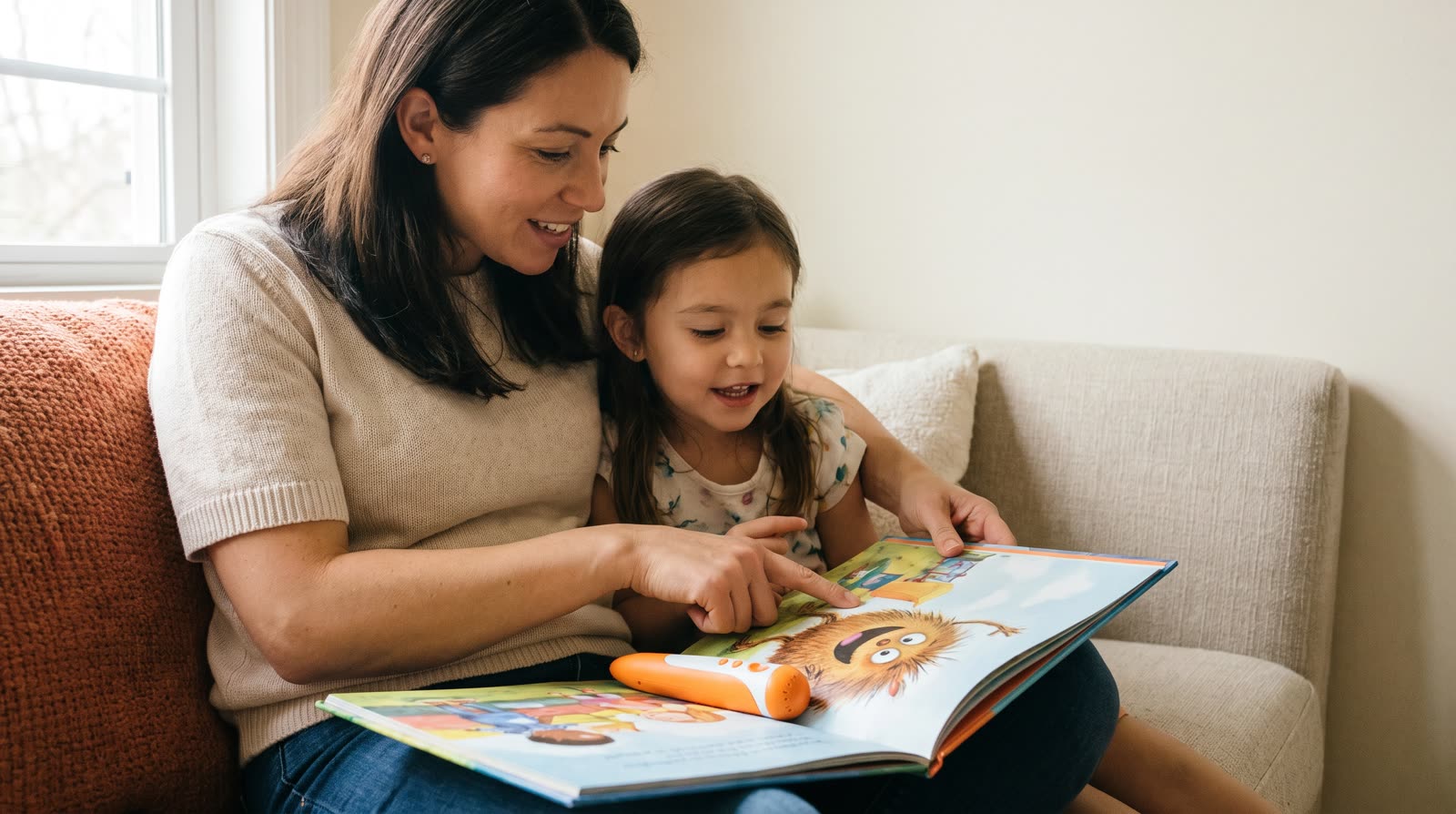
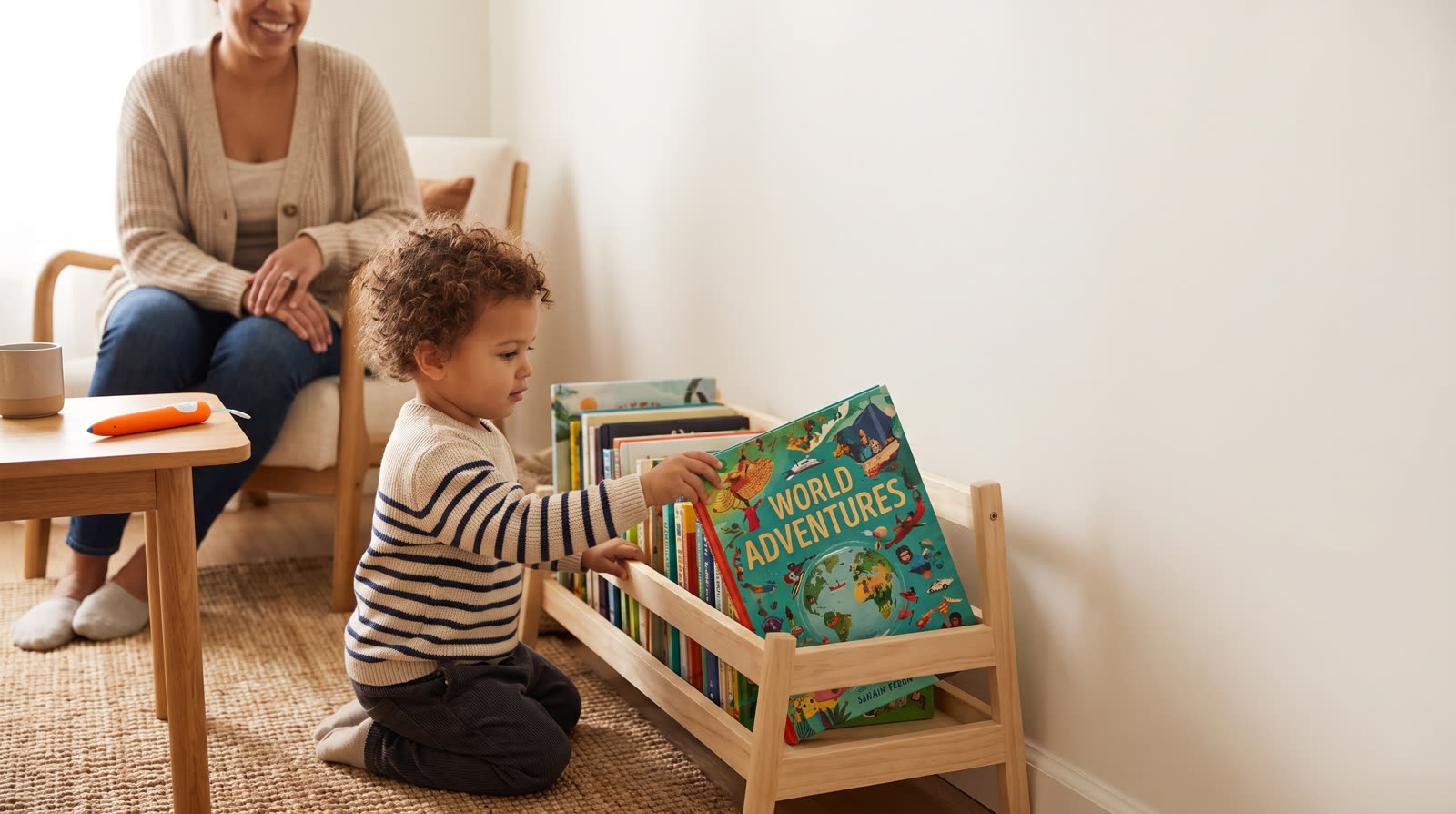
Independent exploration in early childhood development relies heavily on agency—the child's ability to initiate actions and observe immediate, meaningful consequences without adult intervention. In the context of world culture and geography talking books, self-directed audio feedback transforms static two-dimensional maps, country flags, and foreign landscapes into dynamic, multisensory exploratory environments. When a young learner touches an optical code embedded within a page illustration using a compatible talking pen, the instant playback of indigenous greetings, environmental soundscapes, or geographical folklore reinforces cognitive mapping and active engagement. According to early literacy guidelines, active participation through multisensory touchpoints significantly enhances spatial memory and narrative comprehension compared to passive listening or tablet screen viewing. For educational institutions and retail distributors, selecting titles that incorporate open-ended exploratory prompts rather than rigid, closed quiz formats is essential for cultivating intrinsic motivation and lifelong curiosity.
Encouraging Cross-Cultural Curiosity Without Over-Simplification or Stereotyping
Introducing global cultures to young learners requires a delicate balance between age-appropriate simplification and strict cultural authenticity. Wholesale buyers and curriculum developers must review manuscript outlines, storyboard layouts, and sample spreads to ensure that international traditions, architecture, daily life, festivals, and natural habitats are portrayed with respect, nuance, and accuracy. Independent exploration is ignited when children encounter unfamiliar elements—such as a Mongolian yurt, a bustling market in Marrakech, Andean mountain wildlife, or traditional instruments from West Africa—and are given the exploratory tools to investigate further through layered audio tracks. Publishers should provide clear editorial guidelines demonstrating how cultural consultants, anthropologists, or native educators were involved in script development, ensuring that regional dialects, musical snippets, and folklore are authentically represented without relying on cultural stereotypes.
Promoting Open-Ended Inquiry Over Rote Memorization
Traditional geography curricula often emphasize rote memorization of capitals, borders, and flags. However, modern educational frameworks prioritize inquiry-based learning, where children ask questions, form hypotheses, and explore answers independently. Talking picture books about world cultures support this transition by embedding ambient audio cues that prompt children to compare their own daily routines with those of peers in different countries. For instance, an interactive spread on daily life in Tokyo or Nairobi can feature sounds of morning markets, public transit, and playground games, prompting children to touch different elements and discover how children across the globe live, play, and learn. B2B buyers should prioritize book series that frame geography as a human story of exploration rather than a static list of facts.
2. Evaluating Optical Code Integration and Advanced Audio Content Architecture
Seamless OID (Optical Identification) Technology and High-Precision Print Quality
The technical backbone of any talking picture book system is the flawless integration of Optical Identification (OID) codes—invisible or subtle dot patterns printed alongside traditional CMYK artwork across every page. For B2B procurement teams, assessing print precision is paramount. Poorly registered dot printing, insufficient contrast, or low-grade ink can cause reading pen misfires, leading to user frustration that directly impedes independent exploration. Importers and school suppliers must verify that publishing partners utilize high-precision offset or digital printing standards capable of maintaining OID code integrity across large print runs. Furthermore, the optical sensor on the reading pen must feature wide-angle recognition, high frames-per-second capture, and rapid processing speeds to ensure instantaneous audio response upon contact, eliminating frustrating lags.
Multi-Layered Audio Architecture for Progressive Discovery and Longevity
To sustain a child's independent exploration over time, talking picture books must offer depth in their audio design rather than single-read snippets. Premium book sets utilize multi-layered audio programming, where touching the same illustration multiple times yields different responses: a primary narration of the story, secondary sound effects (e.g., animal calls, weather sounds, musical instruments), tertiary cultural facts, and interactive mini-games or songs. This layered approach accommodates varying developmental stages and encourages children to return to the same pages repeatedly, discovering new details independently without requiring adult intervention to turn pages or explain concepts. B2B buyers should evaluate audio mapping documents to ensure high audio compression quality (such as optimal bitrates) and sufficient memory capacity in the companion pen.
Dynamic Audio Interaction and Spatial Audio Design
Advanced talking book systems incorporate dynamic audio programming that simulates spatial orientation. For example, touching the left side of a double-page world map might trigger a description of the Pacific Ocean currents, while touching the right side triggers Atlantic migratory wildlife sounds. This spatial mapping reinforces geographical concepts intuitively. When sourcing new book collections, wholesale distributors should test sample kits specifically for audio zoning accuracy, ensuring that individual OID dots correspond precisely to their intended graphic boundaries without overlapping interference or dead zones.
3. Content Sourcing, Editorial Rigor, and Regional Diversity
Curating Balanced Geographic Portfolios for International Markets
When distributors and educational suppliers build a catalog of geography-themed interactive books, portfolio diversity is a critical commercial and educational metric. A well-rounded collection should span all major continents, diverse ecological zones (deserts, rainforests, polar regions, mountainous terrains, urban centers), and varied socio-economic contexts. Sourcing content that highlights both similarities in human experiences (family structures, play, food, storytelling) and unique regional traditions helps children build a comprehensive mental map of the world. B2B buyers should request complete editorial flat plans and audio sample logs during the sample review phase to evaluate regional representation before committing to volume production.
Localization, Multi-Language Support, and Translation Integrity
Because talking book series are frequently distributed across international borders, multi-language support is a major value driver for export markets. Importers must examine whether the pen firmware and book OID mapping support dual-language audio files (e.g., English-Spanish, English-Mandarin, or localized European and Asian languages). Independent exploration is particularly powerful in bilingual households or language immersion classrooms when children can switch between languages effortlessly by tapping designated control icons on the page. Publishers must ensure that audio localization is performed by native speakers with professional studio recording standards to prevent pronunciation errors, unnatural inflections, and loss of educational credibility.
Collaborating with Educational and Cultural Institutions
The highest-tier talking book publishers collaborate closely with geographers, anthropologists, and early childhood educators during the conceptualization phase. When evaluating supplier proposals, B2B buyers should inquire about the editorial validation process. Books that have been reviewed for curriculum alignment, geographical accuracy, and developmental suitability offer a distinct competitive advantage in school tenders and institutional procurement. Transparent documentation regarding authorship and cultural review instils confidence in retail buyers, school boards, and discerning parents.
ReadGlo project support
Request Sample Kit
Explore ReadGlo's latest world cultures & geography talking book collections and evaluate our optical pen technology firsthand with a professional B2B sample kit.
4. Hardware Ergonomics, Durability, and School-Grade Specifications
Pen Ergonomics, Grip Comfort, and Independent Handling
Independent exploration requires hardware that is physically accessible and comfortable for small hands. B2B buyers must assess the physical dimensions, weight distribution, and tactile grip materials of the companion reading pen. Pens designed for early childhood use should feature lightweight ABS or polycarbonate bodies, soft-touch silicone grips, and appropriately positioned power and volume buttons that prevent accidental toggling. The tip of the pen—housing the optical CMOS camera lens—must be recessed and reinforced to withstand frequent dropping or rigorous tapping by young children in kindergarten or home environments. Ergonomic design directly influences how long a child can independently engage with the material without hand fatigue.
Bookbinding, Paper Stock, and Longevity in Group Settings
Interactive picture books destined for schools, libraries, or heavy retail use face significant mechanical stress. Standard paperback binding is insufficient for multi-user environments. Wholesalers should insist on heavy-duty casebound hardcover binding with reinforced spine stitching, heavy GSM art paper (typically 250gsm to 300gsm), and matte anti-glare lamination. Matte lamination is especially crucial for geography books featuring detailed maps and photographs, as it prevents overhead glare from disrupting the optical pen's sensor while protecting pages from moisture, spills, and frequent handling. Rounded page corners are another essential safety and durability feature for young readers.
Battery Life, Charging Convenience, and Power Management
For educational settings and busy families, battery reliability is a critical operational factor. Reading pens should feature efficient power management systems, including auto-sleep functions after periods of inactivity, to preserve battery charge during independent exploration sessions. Rechargeable lithium-ion batteries with standard USB-C charging ports offer convenience and reduce environmental waste compared to disposable alkaline batteries. B2B buyers should review battery capacity ratings (e.g., mAh) and expected continuous playback hours to ensure the hardware meets the practical demands of classroom daily use.
5. Safety Compliance, Regulatory Standards, and Quality Assurance Protocols
Adherence to International Toy and Electronic Safety Standards
Safety is non-negotiable in the children's publishing and educational toy sector. Importers, distributors, and school boards must verify that both the talking pen (electronic component) and the picture books comply with mandatory regional regulations. For North American markets, this includes ASTM F963 toy safety standards, CPSIA lead and phthalate limits, and FCC electronic emission certifications. For European markets, EN71 parts 1, 2, and 3, CE marking, and RoHS compliance for electronic circuitry are mandatory. Buyers should request comprehensive third-party laboratory test reports from accredited institutions before finalizing supply agreements.
Battery Safety, Charging Protocols, and Storage Guidelines
Rechargeable lithium-ion battery integration in reading pens requires strict safety protocols. Manufacturers must provide built-in overcharge, short-circuit, and thermal protection circuits. For retail packaging and school distribution, clear safety guidelines must be included regarding low-risk external inspections. Users should never attempt to disassemble the pen casing. In the event of exposure to moisture, physical damage, abnormal heating, swelling, leakage, or smoke emission, operation and charging must cease immediately, and the device should be disconnected and referred to authorized service channels, following guidelines established by safety authorities such as the U.S. Consumer Product Safety Commission (CPSC).
Material Safety, Non-Toxic Inks, and Child-Friendly Coatings
Because young children frequently touch, handle, and occasionally mouth books during exploratory play, material safety is paramount. Publishers must utilize non-toxic vegetable-based inks for printing, food-grade coatings, and BPA-free plastics for pen casings. B2B procurement contracts should explicitly stipulate compliance with heavy metal migration limits and strict chemical safety thresholds to protect vulnerable end-users and safeguard brand reputation.
6. Strategic B2B Sourcing and Supplier Evaluation Framework
Establishing Sample Review and Pre-Shipment Inspection Protocols
To mitigate supply chain risks and ensure product quality, B2B buyers must establish rigorous sample review protocols. Before placing volume orders, evaluation teams should test sample kits for OID recognition accuracy across all page corners, battery life under continuous playback, audio clarity, and book durability. Furthermore, establishing clear pre-shipment inspection (PSI) criteria—covering drop tests, barcode readability, packaging drop resistance, and acoustic performance—ensures that mass production batches meet agreed-upon quality benchmarks.
Evaluating Manufacturer Customization and OEM/ODM Capabilities
Many publishing houses and distributors seek custom-branded talking pen solutions or localized geography book adaptations. When selecting a manufacturing partner, buyers should evaluate OEM/ODM capabilities, including in-house audio recording studios, software programming teams for OID dot generation, and custom mold design services. A reliable manufacturing partner provides transparent communication regarding technical specifications, firmware updates, and intellectual property protection for proprietary book designs and regional curriculums.
Supply Chain Transparency, Ethical Sourcing, and Packaging Sustainability
Modern institutional buyers and eco-conscious retail consumers increasingly demand supply chain transparency and sustainable manufacturing practices. Sourcing partners should demonstrate compliance with ethical labor standards, responsible paper sourcing (such as FSC-certified paper stock), and minimized plastic packaging without compromising product protection. B2B buyers who prioritize sustainability gain significant market differentiation in retail and educational procurement tenders.
Frequently Asked Questions
What features should B2B buyers look for in geography talking books to support independent exploration?
Buyers should look for multi-layered audio architecture (multiple responses per touch point), intuitive optical code (OID) integration, open-ended exploratory prompts rather than rigid quizzes, durable casebound construction with matte lamination, and clear regional authenticity vetted by educational or cultural consultants.
How does OID technology impact the independent use of talking picture books by young children?
Optical Identification (OID) technology prints invisible or subtle dot patterns across book pages. High-precision OID printing ensures that the reading pen instantly recognizes coordinates and plays the correct audio file without misfires, allowing toddlers and preschoolers to explore books completely independently without adult intervention.
What safety and regulatory certifications are required for importing talking pens and interactive book sets?
Importing regions dictate specific standards: in North America, products must comply with ASTM F963, CPSIA, and FCC regulations; in Europe, EN71 (parts 1-3), CE, and RoHS directives are mandatory. Buyers must review third-party laboratory test reports to ensure full compliance before distribution.
How can distributors evaluate the cultural accuracy of world culture and geography book series?
Distributors should request editorial flat plans, author credentials, and documentation regarding the involvement of native cultural consultants or educators. Reviewing audio sample logs for accurate regional dialects, authentic traditional music, and respectful storytelling ensures high educational value.
What are the recommended care and safety protocols for rechargeable reading pens in school environments?
Reading pens should undergo regular low-risk external visual inspections for cracks or moisture. Users must never attempt to disassemble the pen casing. If abnormal heating, swelling, liquid leakage, or smoke occurs, stop use and charging immediately and contact authorized service channels, following CPSC safety guidelines.
Conclusion
Selecting world cultures and geography talking picture books for B2B distribution and educational deployment requires a rigorous, multi-dimensional evaluation of pedagogical design, optical technology reliability, cultural authenticity, and hardware durability. By prioritizing products that foster genuine independent exploration—empowering children to navigate global maps and cultural narratives through reliable, multi-layered audio feedback—publishers, wholesalers, and school suppliers can deliver exceptional learning value. Adhering to strict international safety standards and establishing thorough sample inspection protocols ensures commercial success and long-term customer trust in the competitive global educational market.
Continue your research
Related reading pen buyer guides
Use these related guides to compare the next product, content, sourcing or channel decision in your project.
- Picture BooksHow Do I Choose New Talking Picture Books About Social-Emotional Learning to Expand Vocabulary?Read this guide
- Picture BooksHow to Choose New Talking Picture Books About World Cultures and Geography to Expand VocabularyRead this guide
- Picture BooksHow Do I Choose New Talking Picture Books About Social-Emotional Learning to Keep an Older Child Engaged?Read this guide
Continue with ReadGlo
See a DOT-code picture-book set designed for guided early-learning programs.
ReadGlo project support
Contact Our B2B Team
Ready to expand your catalog with certified, high-durability talking book sets? Contact ReadGlo today to discuss OEM/ODM partnerships and custom distribution agreements.