Contents
Introduction
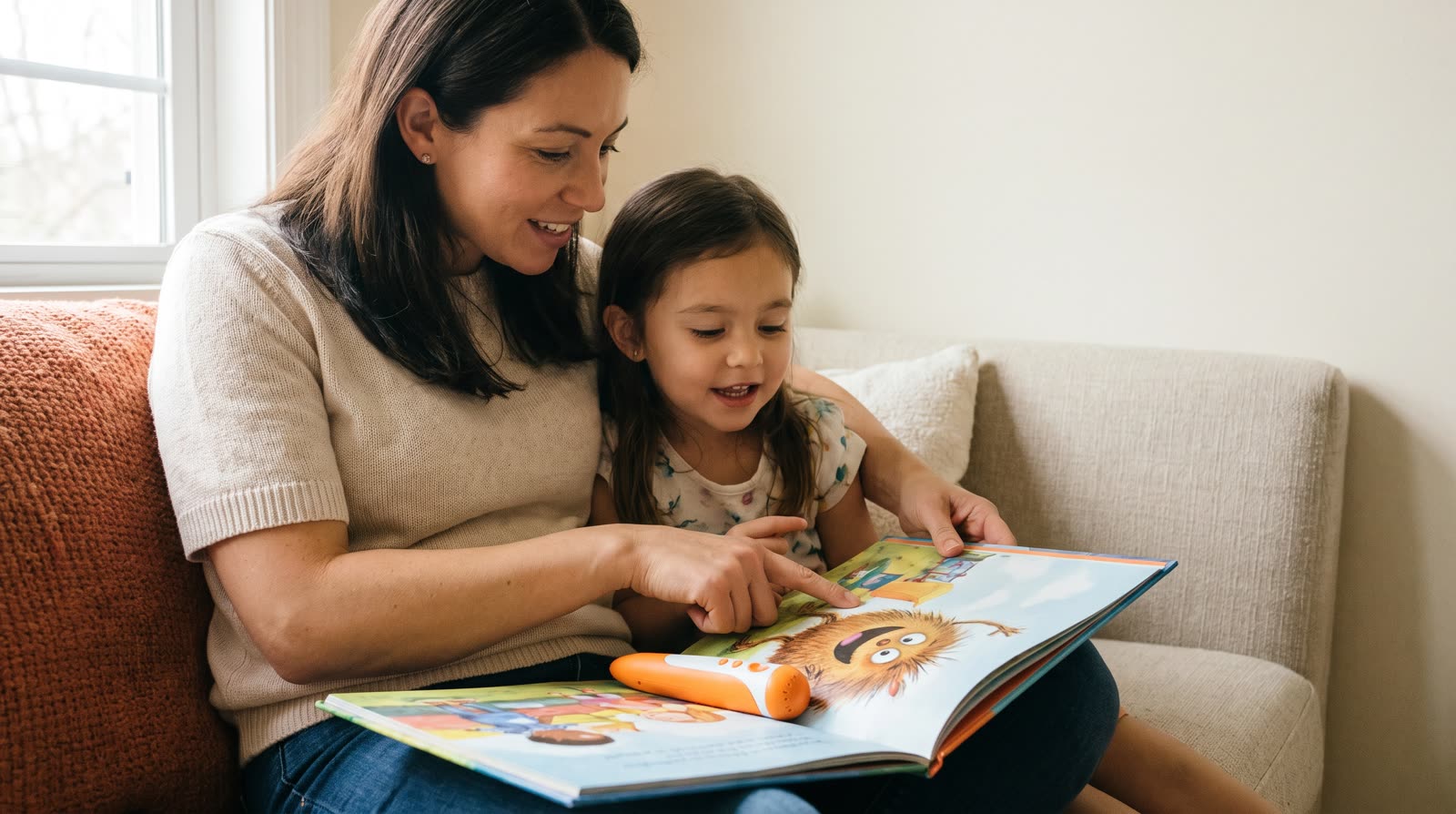
As educational publishers, school suppliers, and international distributors seek to capture the growing demand for advanced interactive learning materials, older elementary and pre-teen students (ages 8-12) present a unique challenge. While traditional talking picture books often target early childhood literacy with simplistic phonetic drills and basic vocabulary, older learners require cognitive depth, narrative sophistication, and contextual relevance. World cultures and geography represent an ideal domain for bridging this gap, merging visual storytelling, audio narration, anthropological depth, and interactive map exploration. Sourcing and publishing talking books for this demographic demands rigorous adherence to quality standards, precise optical code compatibility with reading pens, pedagogical alignment with recognized educational frameworks (such as Reading Rockets and NAEYC guidelines), and stringent safety verifications. This comprehensive B2B guide establishes an objective evaluation framework for wholesale buyers, product managers, and educational developers looking to curate, test, and procure high-engagement talking book collections that resonate with older children without relying on exaggerated performance claims.
Pedagogical Alignment and Content Sophistication for Older Readers
Transitioning from Basic Phonics to Complex Cultural Contexts
Engaging older children through interactive audio technology requires moving beyond simple word-sound correspondence. For readers aged 8 to 12, talking picture books must incorporate multi-layered narratives, primary-source oral histories, traditional music samples, and bilingual or multilingual linguistic exposures. When evaluating manuscripts and audio scripts during sample reviews, wholesale buyers must ensure that the cultural representation is authentic, respectful, and reviewed by qualified regional educators or anthropologists. According to guidance from literacy organizations such as Reading Rockets, older struggling or reluctant readers benefit immensely from multimedia text annotations that provide historical context, idiomatic explanations, and pronunciation guides without diluting the narrative complexity.
Integrating Geography with Social-Emotional Learning and Critical Thinking
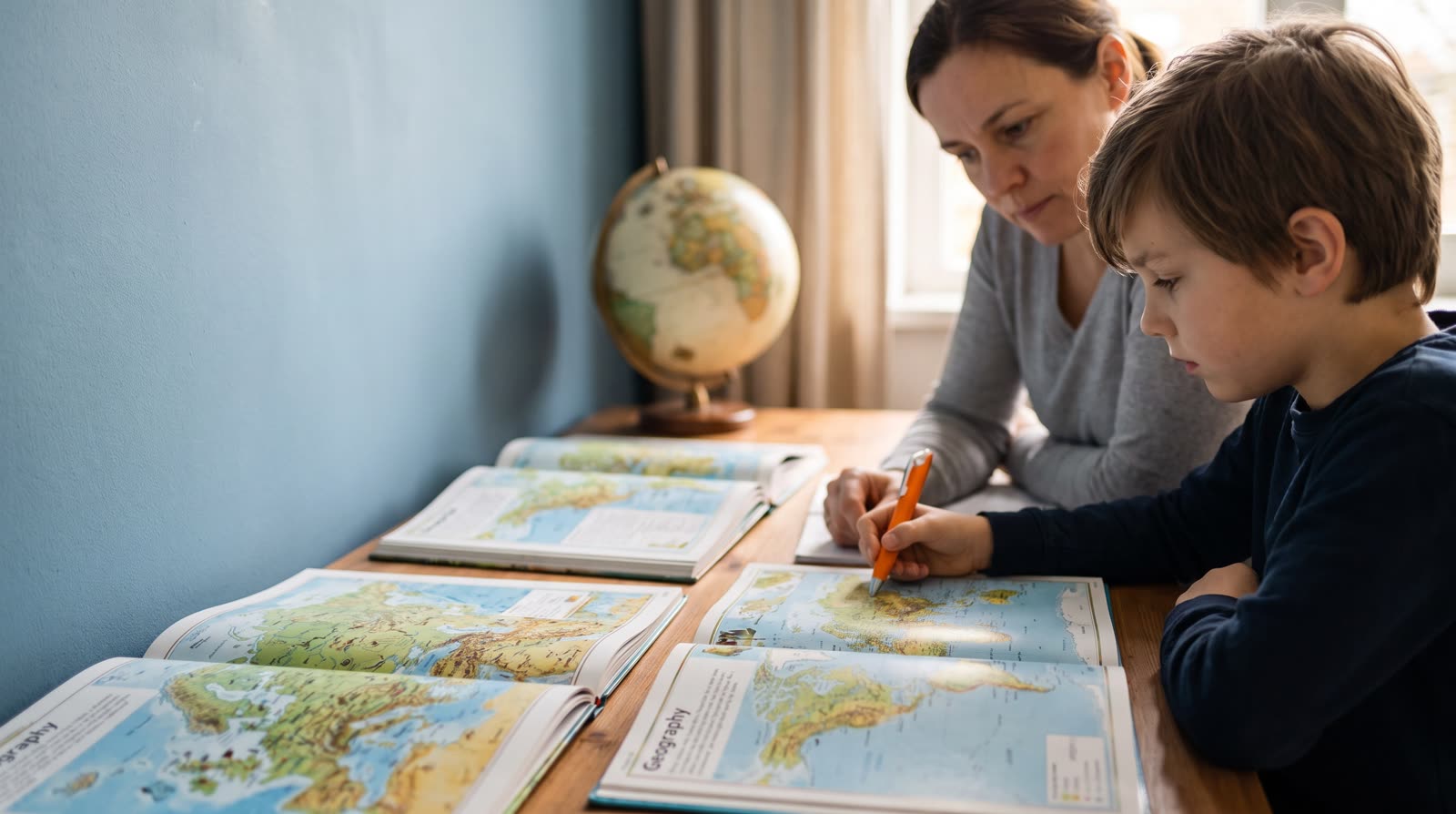
Geography and world cultures are not merely memorization exercises involving capitals and landforms; they offer a lens for understanding global human experiences. High-quality interactive picture books for older students integrate map-reading skills with ethical inquiries, environmental stewardship, and comparative cultural studies. When specifying audio content for optical reading pens, publishers should incorporate diverse voice actors representing native speakers from the featured regions, ambient soundscapes recorded on location, and interactive quiz prompts that foster critical thinking rather than rote memorization. Specification confirmation must verify that audio files maintain high bitrates and crystal-clear acoustic fidelity, ensuring an immersive experience that commands the attention of pre-teen learners.
Technical Specifications, Optical Code Compatibility, and Hardware Integration
Ensuring Seamless OID Micro-Code Printing and Pen Synchronization
The core functionality of any interactive talking book system relies on the flawless integration between the printed optical identification (OID) micro-codes and the reading pen's optical sensor. For complex geographical layouts featuring dense maps, intricate illustrations, and multiple interactive hotspot zones per page, printing precision is paramount. Wholesale buyers must conduct rigorous pre-production sample reviews to verify that the OID dot patterns do not visually interfere with artwork while maintaining a 99.9% decoding accuracy rate across various lighting conditions. Furthermore, firmware compatibility between the reading pen and the book's compiled audio packet (.pack or .bin files) must be tested across multiple device batches to prevent synchronization failures.
Durable Materials, Binding, and Ergonomic Design for Pre-Teens
Older children handle books with different physical dynamics compared to toddlers; however, interactive books featuring embedded conductive traces or heavy-duty paper stocks still demand robust physical construction. Specifications must require high-grade matte art paper (minimum 157gsm to 200gsm) with anti-glare lamination to prevent eye strain during extended reading sessions. Binding methods such as reinforced Smyth-sewn hardcover or heavy-wire O-binding ensure that books lie flat for interactive map exploration and withstand frequent classroom or library circulation. Buyers must establish clear written quality control protocols covering cover durability, hinge stress resistance, and acoustic speaker module placement if sound is integrated directly into the book housing, though standalone reading pens remain the industry standard for modular scalability.
ReadGlo project support
Request B2B Sample Kit
Explore ReadGlo's latest interactive talking book collections and reading pen hardware samples. Contact our engineering and publishing team for customized sample kits and OID technical specifications.
Sample Evaluation, Factory Audits, and Pre-Shipment Verification
Establishing Objective Protocols for Sample Review and Functional Testing
Procuring interactive educational media at scale requires a structured, multi-stage verification workflow. The sample evaluation phase begins with prototype bench-testing, where quality assurance teams verify optical sensor tracking speed, audio latency (target <100ms), and battery discharge rates under continuous operation. Buyers should never rely on marketing brochures alone; instead, they must request physical Golden Samples from the manufacturing floor for independent laboratory testing. Functional checklists must include multi-language audio switching tests, volume control linearity, USB data transfer verification, and memory capacity stress tests for multi-gigabyte audio libraries.
Rigorous Pre-Shipment Inspections (PSI) and Compliance Documentation
Once bulk production is approved based on verified golden samples, pre-shipment inspections (PSI) conducted in accordance with ISO 2859-1 (AQL sampling standards) are essential. Inspectors must check carton drop resistance, barcode scannability, multilingual packaging accuracy, and compliance marking verification (such as CE, RoHS, and FCC markings). For electrical components and battery-operated reading pens included in bundled sets, strict adherence to toy and electronic safety standards is mandatory. Buyers must review batch test reports covering heavy metal limits in printing inks, phthalate content in plastic components, and electrical short-circuit protection before authorizing final balance payments and shipment release.
Safety Standards, Regulatory Compliance, and Responsible Adult Guidance
Electrical Safety, Battery Management, and CPSC Compliance Guidelines
Interactive electronic devices and reading pens distributed in international markets must comply with rigorous consumer safety regulations. Importers must ensure full alignment with Consumer Product Safety Commission (CPSC) guidelines in the United States, EN71 standards in Europe, and equivalent national directives. Users and institutional buyers must be instructed to perform low-risk external inspections only—never attempting unauthorized disassembly or repair of electronic components. In accordance with standard electronic safety protocols, if a device shows signs of moisture exposure, physical damage, abnormal heating, swelling, battery leakage, or smoke emission, it must be taken out of service immediately, disconnected from charging sources, and referred to the manufacturer or qualified service channels for evaluation.
Promoting Adult Engagement and Educator-Led Pedagogical Frameworks
While interactive talking books foster independent learning and self-paced exploration, educational research emphasizes that optimal cognitive outcomes occur when materials are integrated into guided instruction. For older children exploring complex global topics such as geopolitics, cultural anthropology, and world religions, adult facilitation—whether by teachers, school librarians, or parents—provides crucial scaffolding. Publishers should include comprehensive teaching guides, discussion prompts, and curriculum mapping in the accompanying digital or print supplementary materials, ensuring that the books serve as dynamic catalysts for classroom debate, essay writing, and cross-cultural empathy.
Frequently Asked Questions
What age group is best suited for talking picture books focused on world cultures and geography?
While basic talking books target toddlers, geography and world culture titles with narrative depth, complex map interactions, and historical context are specifically tailored for older elementary and pre-teen children aged 8 to 12 years old.
How do reading pens interact with printed geography maps in these books?
Reading pens utilize optical sensor technology to read invisible OID (Optical Identification) micro-codes printed alongside or beneath the artwork. When the pen tip taps a specific region or symbol on the map, it decodes the coordinate and plays the corresponding audio file.
What key compliance and safety standards should wholesale buyers verify before importing?
Buyers must verify compliance with CPSC regulations, EN71 toy safety standards, CE/RoHS electronic directives, and restricted substance testing for printing inks and plastics, backed by certified third-party testing reports.
Are reading pen audio files customizable for different export markets and languages?
Yes. Manufacturers and content publishers can compile multi-language audio packs (.pack or .bin files) mapped to the same OID dot matrix, allowing distributors to deploy localized editions for different linguistic markets using identical printed book blocks.
Conclusion
Curating and sourcing talking picture books on world cultures and geography for older children requires a sophisticated synthesis of pedagogical insight, technical precision, and stringent safety compliance. By moving beyond rudimentary vocabulary drills into immersive global storytelling, educational publishers can successfully engage pre-teen learners. Through structured sample evaluations, rigorous OID code testing, adherence to CPSC and international safety standards, and robust pre-shipment inspections, B2B buyers can build high-quality, durable, and commercially successful interactive book collections that meet the exacting demands of schools, libraries, and international markets.
Continue your research
Related reading pen buyer guides
Use these related guides to compare the next product, content, sourcing or channel decision in your project.
- Picture BooksHow Do I Choose New Talking Picture Books About Social-Emotional Learning to Expand Vocabulary?Read this guide
- Product DevelopmentHow Should a Brand Create an Age-Band Talking Pen Range for Children?Read this guide
- Picture BooksHow Do I Choose New Talking Picture Books About Social-Emotional Learning to Keep an Older Child Engaged?Read this guide
Continue with ReadGlo
See a DOT-code picture-book set designed for guided early-learning programs.
ReadGlo project support
Schedule a Technical Consultation
Partner with ReadGlo for your next educational publishing project. Connect with our OEM/ODM specialists to discuss custom audio compilation, multi-language support, and bulk distribution terms.