
Contents
Introduction
When considering gifts for young children, family members, educators, and retail buyers frequently evaluate interactive educational toys that foster early literacy. Specifically, the question arises whether a reading pen and talking picture book set makes an appropriate gift—not just for newborns at a baby shower, but particularly for older toddlers around the age of three. At age three, children experience a rapid expansion in vocabulary, sentence construction, and narrative comprehension, making interactive audio-visual learning tools particularly engaging. From a developmental perspective, talking pens bridge the gap between physical book reading and auditory reinforcement without introducing passive screen time. However, gift-givers and B2B procurement professionals must carefully assess developmental readiness, content appropriateness, hardware durability, and safety compliance before selecting or stocking these items. This comprehensive guide examines the pedagogical value, developmental alignment, hardware safety standards, and sourcing considerations for interactive reading pen sets targeted at three-year-old children, grounded in authoritative insights from child development experts and safety commissions.
Developmental Readiness of Three-Year-Olds for Interactive Reading Pens
Cognitive and Linguistic Milestones at Age Three
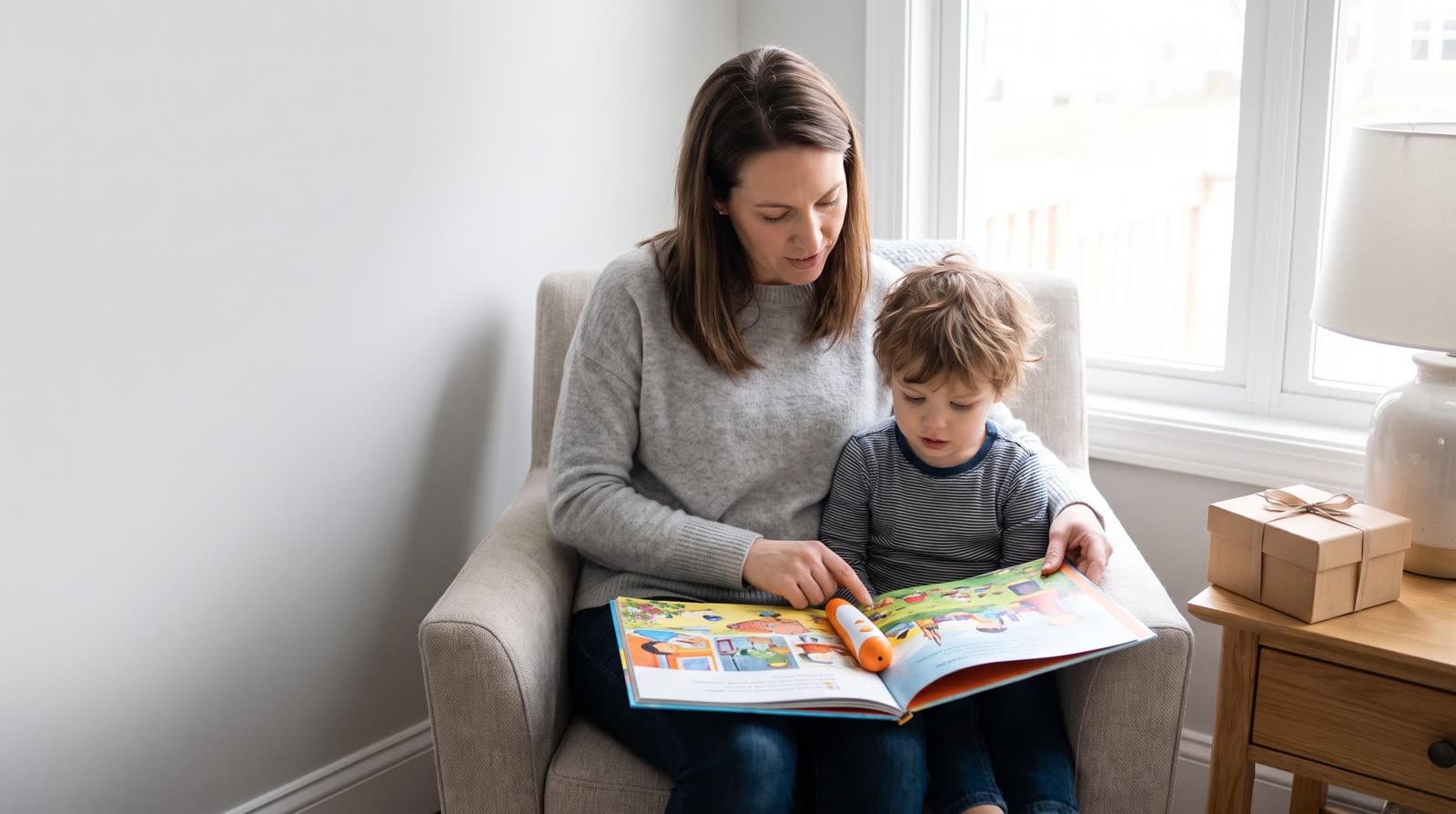
By age three, children typically transition from single-word utterances to complex sentences, asking frequent questions and engaging in short storytelling sessions. Their auditory processing and phonological awareness develop rapidly during this window. Interactive reading pens utilize optical sensor technology to decode invisible micro-codes printed on paper, triggering corresponding audio files such as vocabulary pronunciations, sound effects, or character dialogues. This immediate auditory feedback reinforces word-object association and vocabulary acquisition. According to guidance from pediatric developmental organizations, children at this stage benefit immensely from multi-sensory engagement that combines tactile book handling with spoken language models, provided the interaction remains structured and socially supported by caregivers. When evaluating gifts or retail products for this age group, understanding these cognitive milestones ensures that the selected audio content aligns with children's expanding comprehension abilities.
Fine Motor Control and Tactile Interaction
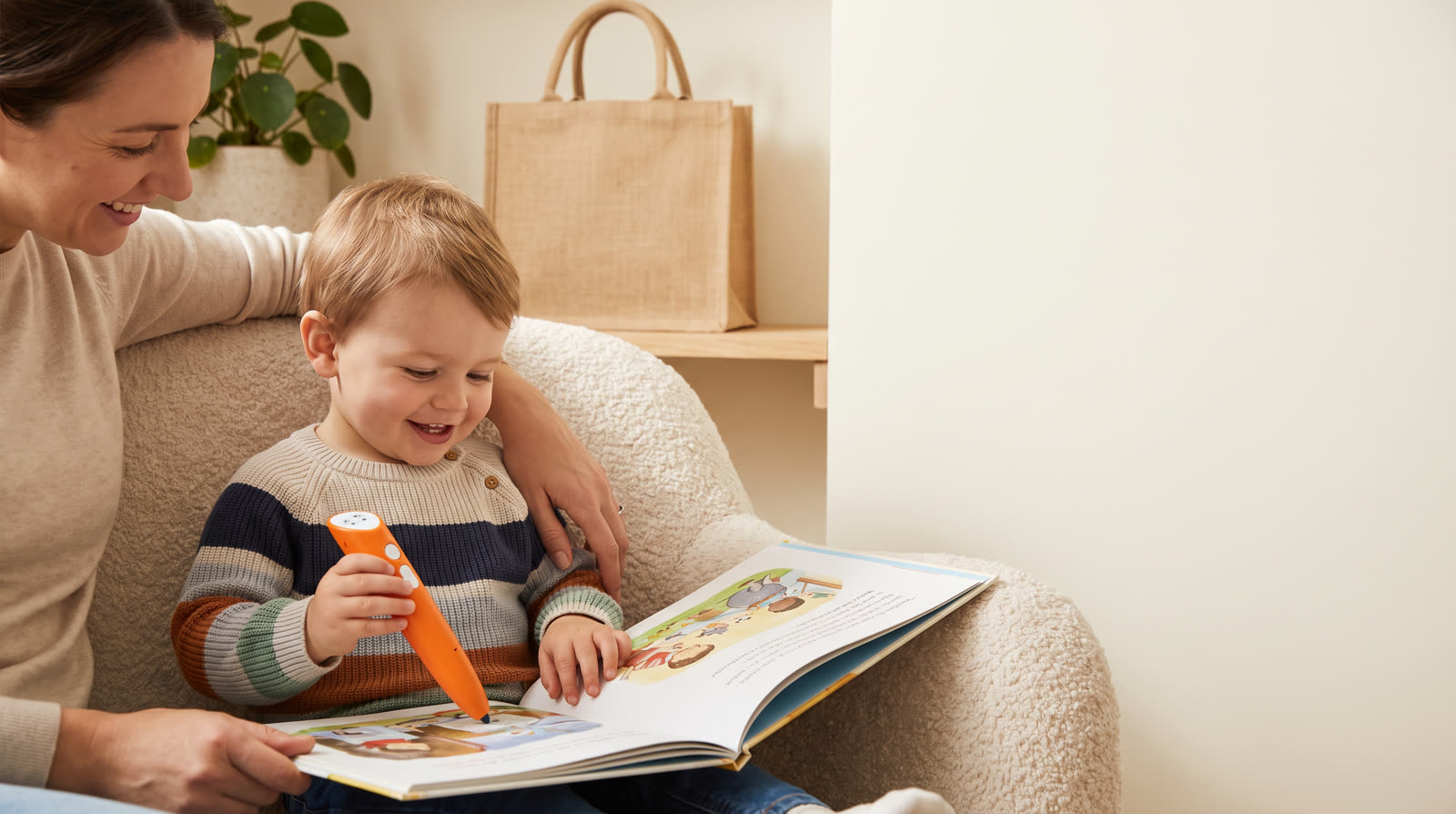
Three-year-old children are actively refining their fine motor skills, including the pincer grasp required to hold writing or pointing instruments. Unlike standard digital tablets that rely on capacitive touch screens and encourage passive swiping, reading pens require deliberate physical coordination—aligning the pen tip with specific printed touchpoints on paper pages. This physical action reinforces hand-eye coordination and spatial awareness. B2B buyers and toy designers must ensure that pen form factors feature ergonomic, chunky grips tailored to toddler hand anatomy, preventing hand fatigue while encouraging independent exploration under adult supervision and structured guidance.
Attention Span and Guided Interactivity
At three years of age, attention spans are naturally dynamic and brief. Interactive picture books paired with reading pens maintain engagement by providing immediate audio rewards for physical touch. This immediate feedback loop encourages children to persist in exploring text. However, educators emphasize that activities should be balanced with open-ended play and physical movement. High-quality talking book sets incorporate short, engaging audio prompts that encourage children to point, listen, repeat, and pause, thereby supporting self-regulated learning and curiosity without overwhelming cognitive capacity during daily play routines.
Evaluating Gifting Contexts: Baby Showers vs. Toddler Milestones
The Gift-Giving Timing Paradox: Newborns vs. Three-Year-Olds
A common dilemma in gift selection occurs when guests purchase items labeled for older age groups during a baby shower intended for a newborn. While an interactive reading pen set represents an exceptional educational investment, presenting it at a newborn baby shower requires careful expectation management. Newborns cannot interact with books or pens for months. Therefore, when guests purchase talking book sets as baby shower gifts, they are typically forward-gifting—investing in an asset that the child will utilize fully between the ages of two and five. Retailers and brand marketers should clearly communicate age grading on packaging, helping gift-givers understand whether a product is immediately usable or designed for future developmental stages.
Appropriate Occasions for Talking Book Sets
For a three-year-old child, milestone occasions such as birthdays, preschool enrollment, or holiday gatherings serve as far more fitting moments for a reading pen and talking book set. At age three, children possess the cognitive attention span and motor skills to independently tap words, listen to stories, and follow guided interactive prompts. Gift-givers should verify that the bundled picture books align with early childhood themes—such as daily routines, counting, animal sounds, and simple socio-emotional narratives—which resonate strongly with three-year-old developmental interests and preschool preparation goals.
Guidance for Gift-Givers and Retail Display Curation
Retailers and e-commerce platforms specializing in educational toys can optimize sales by curating gift bundles tailored to specific developmental windows. Providing clear advisory notes on product packaging and landing pages helps gift-givers understand the long-term value of forward-gifting while offering alternative recommendations for newborn recipients. Highlighting compatibility with multiple book series also reassures buyers that the initial investment scales with the child's growing vocabulary and evolving educational needs.
Pedagogical Alignment and Screen-Free Early Literacy
Balancing Digital Audio with Physical Book Handling
In modern early childhood education, balancing digital engagement with tactile experiences is a primary concern for parents and educators. Interactive reading pens offer a screen-free alternative to tablet applications, eliminating the cognitive overload and blue light exposure associated with digital screens. By anchoring audio output directly to physical paper books, children maintain tactile connection with turning pages, illustrations, and text orientation. Educational research emphasizes that physical book handling fosters foundational print awareness—such as left-to-right reading direction—which digital screens often obscure during early learning.
The Crucial Role of Adult Scaffolding and Co-Reading
While talking pens provide automated narration and pronunciation support, they are designed to supplement, not replace, adult-child interaction. Co-reading remains the gold standard for early literacy development. When adults read alongside children, they ask open-ended questions, connect story themes to real-world experiences, and provide emotional warmth. Manufacturers, publishers, and educators should encourage parents to use reading pens as collaborative tools during shared reading sessions rather than isolating electronic babysitters.
Language Acquisition and Bilingual Support
For bilingual families or children acquiring a second language, reading pens provide consistent, native-speaker audio models. By toggling between languages on dual-coded book pages, children hear accurate pronunciation and phrasing. This feature supports language immersion without placing undue pressure on non-native speaking parents, making talking book sets valuable tools for linguistic exploration, cultural connection, and early multilingual literacy development.
ReadGlo project support
Get a Quote
Explore our premium OEM/ODM talking pen and interactive picture book collections tailored for your retail brand.
Designing Interactive Books for Early Childhood Literacy
Typography, Visual Layout, and OID Dot Integration
The manufacturing of talking picture books requires specialized publishing techniques that seamlessly integrate Optical Identification (OID) dot patterns without disrupting visual aesthetics. For three-year-old readers, page layouts must feature clean typography, high contrast, uncluttered illustrations, and clear touch targets surrounding individual words and images. Publishers must balance artistic design with technical sensor requirements so that children can easily trigger audio responses without experiencing frustration from misaligned sensor reads.
Durability and Paper Stock Selection for Toddler Handling
Three-year-old children are notorious for rigorous book handling—turning pages quickly, occasionally bending corners, or exposing books to moisture. Consequently, talking books require heavy-duty board book construction or thick art paper reinforced with matte lamination. Matte finishes are critical because glossy pages reflect light glare, which can interfere with the optical sensor embedded in the reading pen tip while straining young eyes during extended reading sessions.
Audio Content Structure and Pacing
The audio scripts embedded in talking book sets must be paced deliberately for early learners. Sentences should be short, rhythmic, and accompanied by encouraging sound effects or musical cues that sustain interest. Avoiding overly rapid speech or complex background noise ensures that children can clearly parse individual phonemes and words, reinforcing auditory discrimination and speech imitation.
Hardware Safety, Material Integrity, and Compliance Standards
Consumer Product Safety and Material Compliance
Children's electronic learning devices distributed globally must adhere to rigorous safety standards established by regulatory bodies such as the Consumer Product Safety Commission (CPSC) in the United States and equivalent international agencies. B2B procurement professionals must ensure that all talking pen hardware and companion books comply with regulations covering non-toxic materials, heavy metal restrictions, child-secure battery compartments, and electrical safety. Toys intended for young children must be constructed from durable, impact-resistant ABS plastics finished with non-toxic, saliva-resistant coatings.
Safety Guidelines for Battery and Electronic Care
Safety in electronic toys requires strict adherence to maintenance and inspection protocols. Caregivers must perform regular external inspections of reading pens and charging cables. Under no circumstances should users attempt to disassemble electronic pens or modify internal lithium-ion battery packs. If a device exhibits signs of moisture ingress, physical damage, abnormal heating, battery swelling, fluid leakage, or smoke emission, operation must cease immediately, the device must be disconnected from charging sources, and users must contact the manufacturer or authorized service channels for guidance.
Acoustic Safety and Volume Limiting Standards
Because young children frequently hold speakers close to their ears, acoustic safety is paramount in talking pen design. Manufacturers must incorporate strict decibel-limiting firmware and hardware components to ensure that maximum audio output remains well below thresholds that could risk hearing impairment. B2B buyers should request independent laboratory test reports verifying compliance with international acoustic safety standards for children's audio products.
B2B Sourcing, Customization, and Quality Assurance for Retailers
Evaluating OEM/ODM Partner Capabilities
For educational toy brands, publishers, and distributors looking to source reading pen and talking book sets, partnering with reliable Original Equipment Manufacturers (OEM) or Original Design Manufacturers (ODM) is critical. Procurement teams must evaluate prospective manufacturing partners based on structural design expertise, optical OID (Optical Identification) code printing precision, audio firmware stability, and compliance documentation. A robust supplier relationship ensures consistent product performance and seamless localization across multiple languages and markets.
Rigorous Sample Review and Specification Verification
Before committing to bulk commercial orders, B2B buyers must conduct comprehensive pre-production sample reviews. This process involves testing optical sensor responsiveness across various paper stocks and matte lamination finishes, verifying speaker audio clarity and decibel limits suitable for young ears, and checking book binding durability. Establishing clear written specifications regarding firmware updates, packaging drop-tests, and regulatory certifications safeguards brand reputation and ensures long-term customer satisfaction in global retail markets.
Supply Chain Transparency and Packaging Requirements
Sustainable packaging, clear age grading, and multilingual instruction manuals are essential requirements for modern retail distribution. B2B buyers must collaborate with manufacturing partners to ensure that packaging materials utilize recyclable, eco-friendly cardstocks and soy-based inks that align with consumer expectations for child-safe products.
Frequently Asked Questions
Is a talking pen and book set suitable for a newborn receiving a baby shower gift?
While it can be purchased as a forward-looking investment gift for future use, newborns cannot interact with reading pens. It becomes fully engaging and appropriate when the child reaches approximately two to three years of age.
What core developmental skills does a reading pen support in three-year-old children?
For three-year-olds, reading pens support vocabulary acquisition, phonological awareness, fine motor coordination, hand-eye coordination, and independent exploration through interactive audio feedback.
Do talking pens replace the need for parents to read aloud to their children?
No. Talking pens are designed to supplement shared reading. Adult scaffolding, emotional engagement, and interactive dialogue during co-reading remain essential for comprehensive early childhood literacy development.
What paper and printing standards are required for talking picture books?
Talking books require precise OID dot code printing, glare-free matte lamination to assist optical sensors, and heavy-duty board book construction or reinforced paper to withstand rigorous toddler handling.
What safety precautions should parents follow regarding talking pen batteries and charging?
Caregivers should conduct regular external checks, ensure battery compartments are secure, avoid device disassembly, and immediately stop using and disconnect any device showing abnormal heat, swelling, moisture, or damage.
What should B2B buyers prioritize when sourcing talking pen and book sets?
B2B buyers should prioritize strict regulatory compliance (such as CPSC standards), optical OID code printing precision, ergonomic design for toddler hands, audio clarity, and robust pre-production sample testing.
Conclusion
In summary, a reading pen and talking picture book set represents an outstanding educational investment and gift when matched with the appropriate developmental stage. While purchasing such sets for a newborn baby shower requires forward-planning, they become exceptionally valuable tools for three-year-olds expanding their vocabulary and fine motor skills. By prioritizing screen-free tactile engagement, robust safety compliance, and collaborative adult-child co-reading, parents and educators can maximize the literacy benefits of interactive audio technology. For B2B brands and retailers, partnering with reliable manufacturers committed to rigorous quality assurance ensures the delivery of safe, durable, and pedagogically sound products to global markets.
Continue your research
Related reading pen buyer guides
Use these related guides to compare the next product, content, sourcing or channel decision in your project.
- Gift GuideEvaluating Talking Pen and Interactive Picture Book Sets as 4-Year-Old Sibling Gifts for Baby Showers: A B2B Buyer and Retail Strategist GuideRead this guide
- Gift GuideIs a Reading Pen and Talking Picture Book Set a Good Baby Shower Gift for a Bilingual Family?Read this guide
- Gift GuideIs a Reading Pen and Talking Picture Book Set a Good Baby Shower Gift for Early Readers?Read this guide
Continue with ReadGlo
See product specifications and request model-specific documentation.
ReadGlo project support
Request Product Catalog
Contact ReadGlo today to review our customizable talking pen sets, audio firmware integration, and eco-friendly book binding options.