
Contents
Introduction
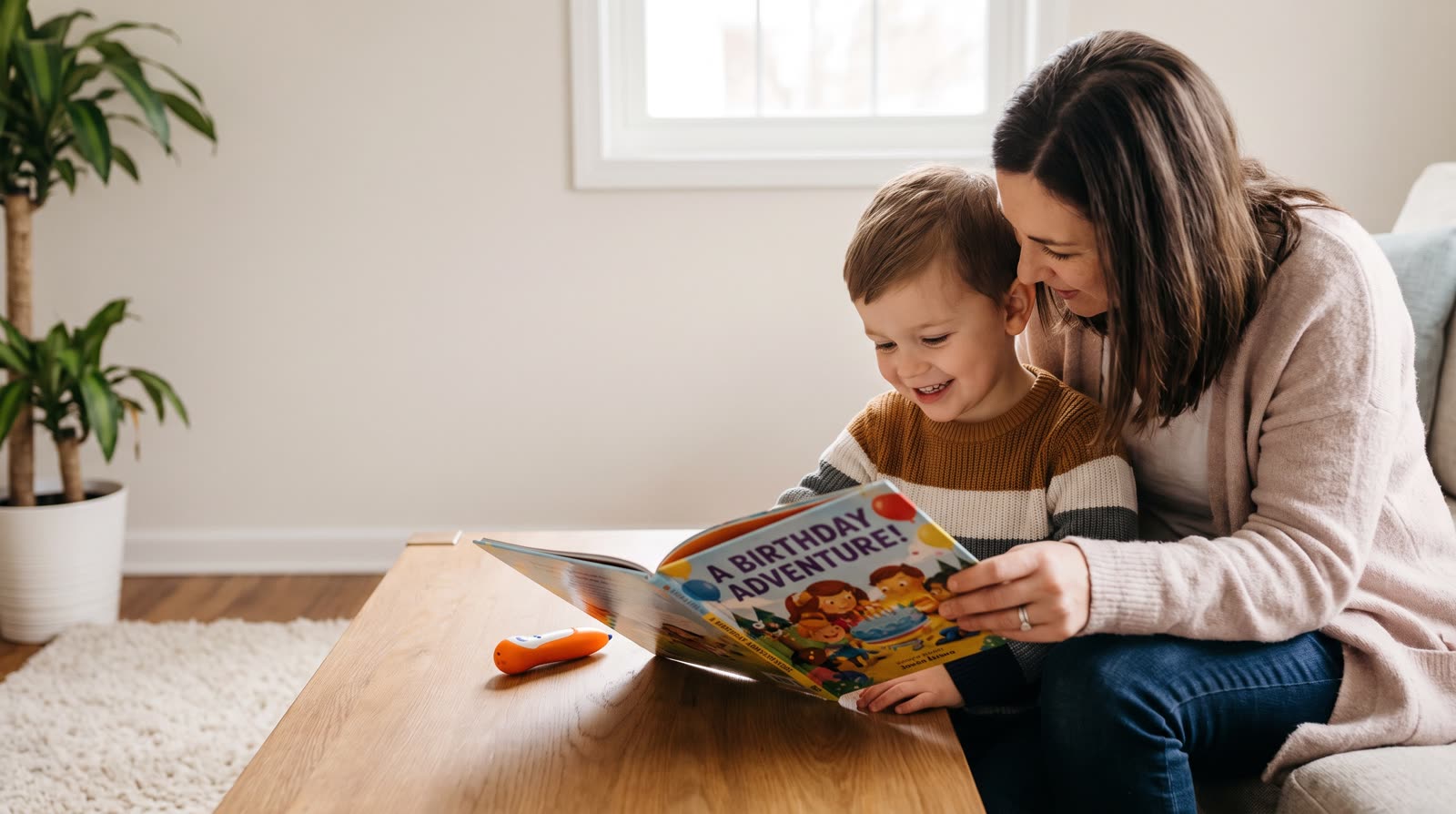
A reading pen and talking picture book set can serve as an exceptionally engaging and developmentally appropriate birthday gift for a 3-year-old when selected with careful attention to ergonomic design, audio clarity, robust safety compliance, and adult-guided co-reading practices. At three years old, children experience rapid vocabulary expansion, heightened phonological awareness, and an increasing capacity for sustained narrative engagement, as highlighted by developmental frameworks from organizations such as the American Academy of Pediatrics (AAP) and Reading Rockets. However, because three-year-olds are in a critical stage of fine-motor and sensory development, the success of such an interactive learning tool depends heavily on rigorous hardware verification, low-risk external safety standards referenced by the Consumer Product Safety Commission (CPSC), and active adult participation. B2B buyers, educational distributors, and retail purchasers evaluating these sets for the 3-year-old demographic must prioritize certified optical dot-code precision, non-toxic materials, intuitive operation, and verifiable quality control workflows rather than unverified learning promises.
Developmental Readiness and Cognitive Alignment for Three-Year-Olds
Language Acquisition and Narrative Comprehension Milestones
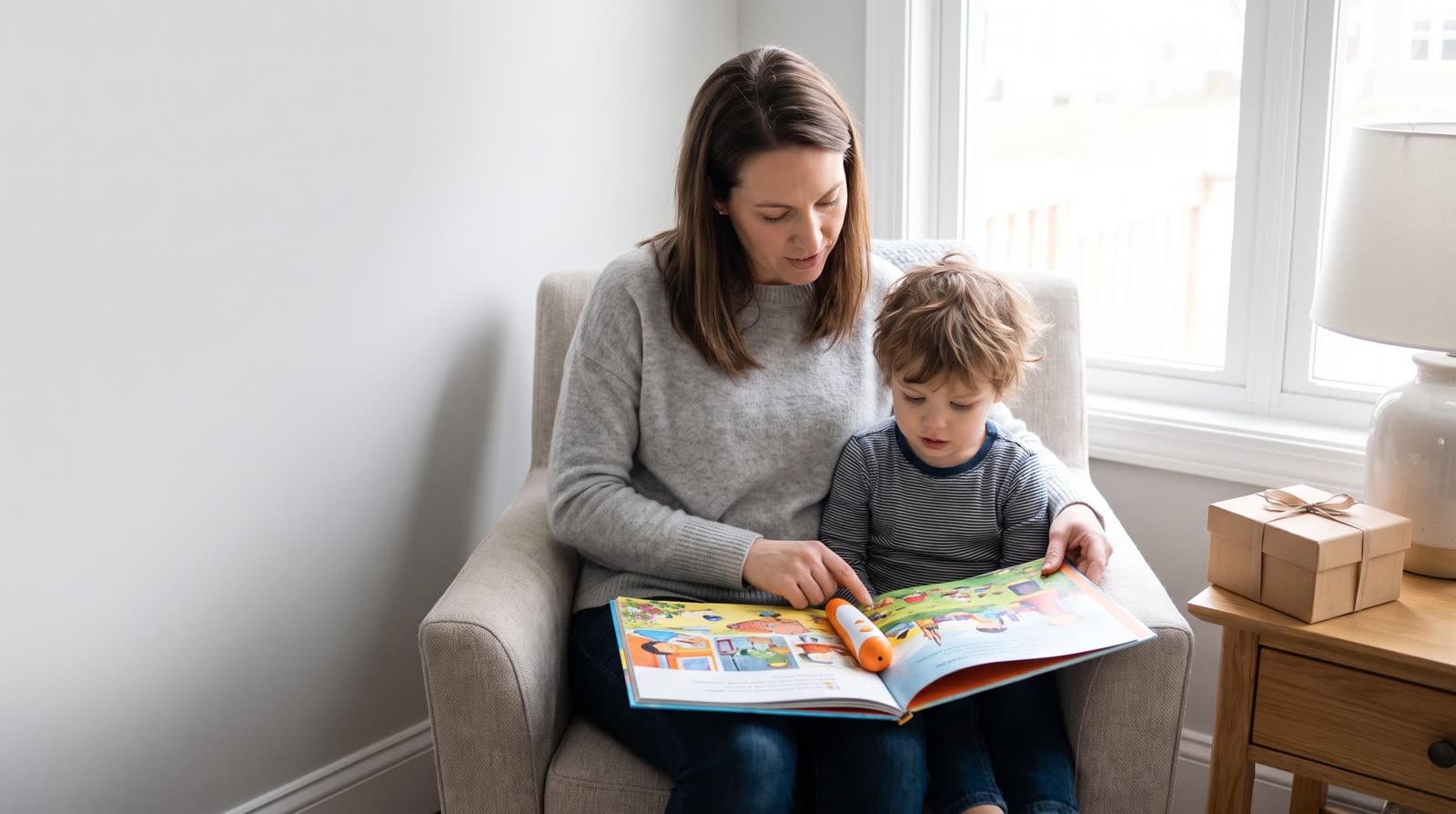
By age three, children typically transition from two-word phrases to complex sentences, absorbing hundreds of new words and demonstrating an active curiosity about stories and illustrations. Developmental guidelines from Reading Rockets and the Centers for Disease Control and Prevention (CDC) emphasize that interactive media can support listening comprehension and vocabulary growth if it bridges spoken language with print awareness. Talking picture books combine tactile page-turning with localized auditory feedback, allowing 3-year-olds to connect visual symbols with spoken sounds. Educators and clinical professionals stress that while audio tools reinforce phonological awareness, they should complement, not replace, conversational interactions with responsive adults.
Fine Motor Control and Ergonomic Interaction Standards
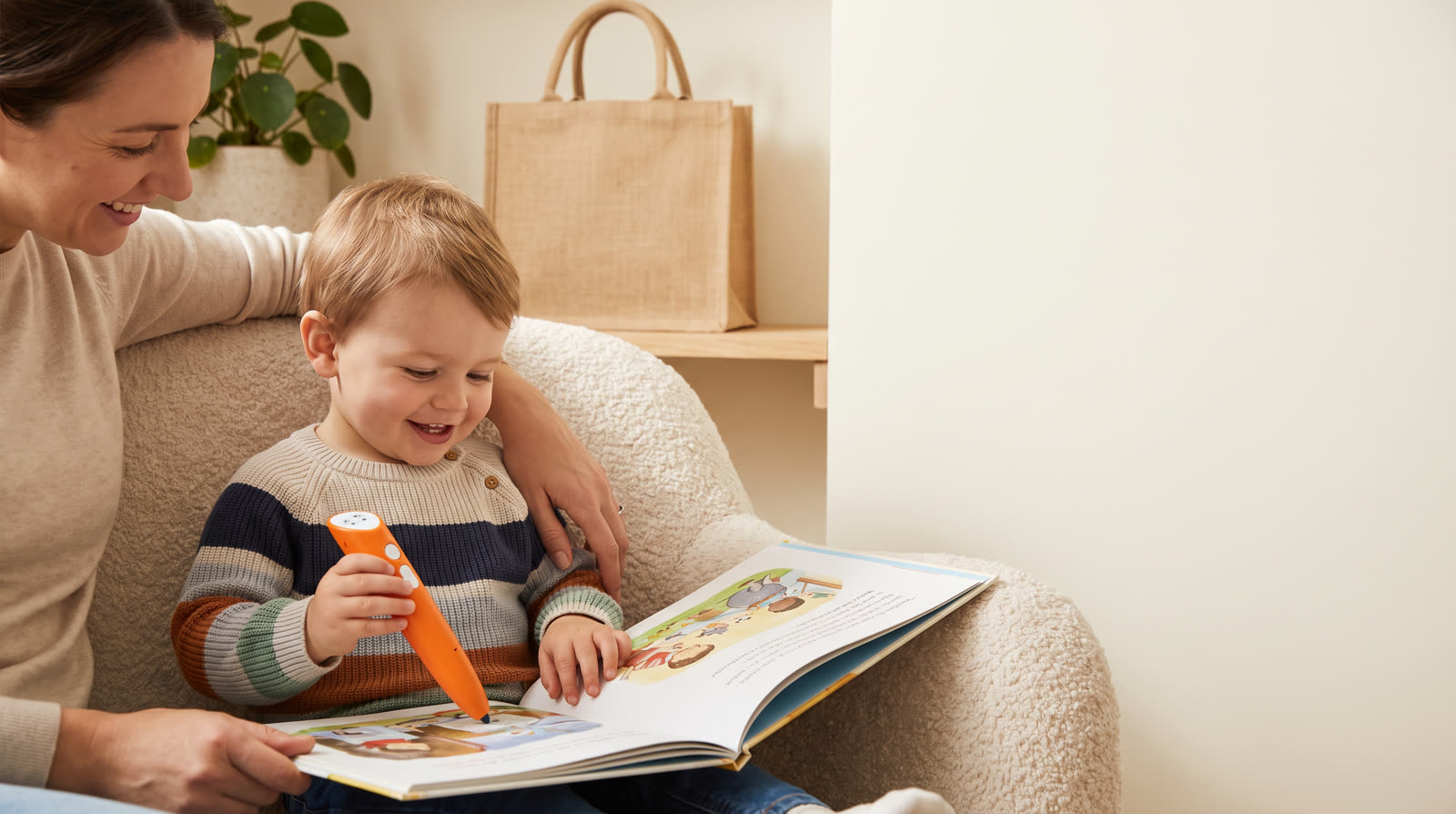
A 3-year-old's grip strength and hand-eye coordination are still developing. Consequently, evaluating a reading pen for this age group requires strict adherence to ergonomic specifications. The pen barrel diameter, weight distribution, and tip activation pressure must accommodate small hands without inducing hand fatigue or frustration. Unlike older children who possess refined dexterity, three-year-olds benefit from chunky, lightweight pen designs with simplified button layouts and robust optical sensors that read dot codes reliably even when the pen is held at an imperfect angle. B2B sample reviews must verify these physical parameters through standardized handling tests.
Hardware Safety, Material Compliance, and CPSC Regulatory Alignment
Low-Risk External Inspection and Child-Safe Construction
Safety is paramount when sourcing electronic educational toys for toddlers. In alignment with Consumer Product Safety Commission (CPSC) guidelines, products intended for 3-year-olds must undergo rigorous external inspection for small parts hazards, pinch points, and toxic chemical compliance (such as phthalates and heavy metals in plastics). Users and buyers must conduct low-risk external inspections only—never attempting unauthorized teardowns or mechanical disassembly. If any product exhibits moisture, structural damage, abnormal heat, battery swelling, fluid leakage, or smoke, operators must immediately stop use, disconnect from charging sources, and contact the manufacturer or qualified service channels.
Battery Management, Charging Security, and Durability Protocols
Three-year-old environments demand exceptional hardware durability against drops, liquid spills, and rough handling. Reading pens typically incorporate rechargeable lithium-ion batteries or secured AAA compartments with screw-locked battery doors to prevent accidental ingestion. B2B procurement teams must verify that charging circuitry includes overcharge protection, short-circuit prevention, and thermal cutoff mechanisms. Factory quality assurance protocols should include drop tests, thermal cycling, and voltage stability checks to ensure long-term operational safety in home, daycare, and institutional settings.
Content Design, Scaffolding, and Adult-Guided Co-Reading Frameworks
Balancing Independent Exploration with Adult Scaffolding
While talking picture books empower children to explore stories independently, educational research highlights that adult-child co-reading remains the primary driver of literacy development. The audio content embedded in the picture book set—ranging from character dialogue to sound effects and narration—should prompt open-ended questions rather than passive listening. Parents and educators should sit alongside the child, pausing audio playback to discuss illustrations, predict plot twists, and relate story themes to real-world experiences, thereby maximizing the cognitive benefit of the gift.
Age-Appropriate Pacing, Vocabulary Complexity, and Visual Layout
The structural design of talking picture books for 3-year-olds differs significantly from books intended for older readers. Pages must feature high-contrast illustrations, uncluttered optical dot-code grids that do not distract from the artwork, and clear visual cues indicating interactive touch zones. Vocabulary should be repetitive yet expansive, introducing descriptive adjectives and action verbs in context. During the sample review phase, educational publishers and wholesale buyers must evaluate audio synchronization accuracy to ensure that touching a specific image instantly triggers the correct corresponding audio file without latency.
ReadGlo project support
Request B2B Sample Kit
Explore ReadGlo's certified talking picture book sets and reading pen samples for your retail or educational distribution network.
B2B Sourcing, Sample Review, and Pre-Shipment Quality Assurance Protocols
Rigorous Sample Review and Specification Confirmation
For B2B importers, distributors, and educational institutions looking to source reading pen sets for retail or institutional distribution, establishing a structured verification workflow is essential. The procurement process must begin with comprehensive sample reviews. Buyers should evaluate sample units for optical code recognition speed, speaker audio clarity, volume limitation safety (preventing hearing damage in young children), and board book durability (such as tear-resistant board book pages coated with matte, non-glare finishes). Specification confirmations must document exact firmware versions, audio file directory structures, and packaging drop-test resilience.
Function Checks and Pre-Shipment Data Verification
Before finalizing bulk orders or dispatching shipments to global markets, quality control teams must execute systematic function checks and pre-shipment data verifications. This includes verifying that all audio files match the printed book codes across all localized language versions, testing charging port durability over repeated insertion cycles, and reviewing factory inspection reports against agreed-upon acceptable quality limit (AQL) standards. Maintaining transparent documentation ensures compliance with international toy safety regulations and protects brand reputation.
Purchasing Guidance, Verification, Warranty, and Gifting Standards
Verifying Exact Sellers, Models, and Age Labeling
When purchasing or recommending a reading pen and talking picture book set as a birthday gift for a 3-year-old, consumers and institutional buyers must verify the exact seller identity, official product model number, and explicit age-grading labels on the packaging. Counterfeit or uncertified devices may feature substandard optical sensors, excessively loud audio output, or non-compliant battery systems. Buyers must ensure that the product packaging clearly displays mandatory safety certification marks and conforms to regional toy safety directives.
Book Code Compatibility, Warranty Terms, and Return Policies
A common operational pitfall in reading pen sets is software and book code incompatibility between different production batches or publishing houses. Purchasers must confirm that the reading pen firmware supports future book expansion packs and that replacement books utilize matching OID (Optical Identification) codes. Furthermore, buyers should review written warranty terms, software update procedures, and customer support policies to ensure long-term usability and reliable post-purchase service.
Frequently Asked Questions
Is a reading pen and talking picture book set suitable for every 3-year-old's birthday?
While most 3-year-olds enjoy interactive sounds and vibrant illustrations, suitability depends on individual developmental readiness and temperament. Children who enjoy shared book reading and auditory exploration generally thrive with these sets, provided adults participate actively in co-reading sessions.
What safety precautions should parents and gift-givers observe with electronic reading pens?
Adults should perform low-risk external inspections regularly and ensure charging is supervised. In accordance with CPSC guidelines, if a device shows signs of moisture, physical damage, abnormal heat, swelling, or smoke, it must be unplugged and taken out of service immediately.
How do reading pens support language development compared to traditional picture books?
Reading pens provide localized auditory reinforcement, helping children connect printed images with spoken words independently. However, educational experts emphasize that their primary value is maximized when combined with adult scaffolding, discussion, and shared conversation.
What should B2B buyers verify during sample reviews of talking picture book sets?
B2B buyers should verify optical code recognition speed, speaker audio clarity and decibel limits, board book durability, battery safety certifications, and firmware stability across localized audio editions during the sample review and specification confirmation phases.
Conclusion
In conclusion, a reading pen and talking picture book set represents a highly valuable, engaging, and developmentally stimulating birthday gift for a 3-year-old when chosen with rigorous attention to safety standards, ergonomic design, and educational quality. For B2B buyers, educational distributors, and retail purchasers, success relies on thorough sample reviews, strict specification confirmation, and adherence to CPSC safety guidelines and child development research from organizations like the AAP and Reading Rockets. By prioritizing certified hardware, durable book construction, and active adult-guided co-reading, stakeholders can deliver a safe, enriching interactive reading experience that fosters lifelong literacy enthusiasm.
Continue your research
Related reading pen buyer guides
Use these related guides to compare the next product, content, sourcing or channel decision in your project.
- Gift GuideEvaluating Talking Pen and Interactive Picture Book Sets as 4-Year-Old Sibling Gifts for Baby Showers: A B2B Buyer and Retail Strategist GuideRead this guide
- Gift GuideIs a Reading Pen and Talking Picture Book Set a Good Birthday Gift for a 4-Year-Old?Read this guide
- Gift GuideIs a Reading Pen and Talking Picture Book Set a Good Baby Shower Gift for a Bilingual Family?Read this guide
Sources used for further reading
- American Academy of Pediatrics (AAP) - Media and Child Development Guidelines
- Reading Rockets - Literacy Development and Phonological Awareness for Toddlers
- U.S. Consumer Product Safety Commission (CPSC) - Toy Safety and Electronic Device Guidelines
- Centers for Disease Control and Prevention (CDC) - Early Childhood Developmental Milestones
Continue with ReadGlo
See product specifications and request model-specific documentation.
ReadGlo project support
Partner with ReadGlo
Contact our B2B team today to discuss custom OEM/ODM specifications, compliance documentation, and wholesale partnership opportunities.