Contents
Introduction
Choosing the ideal holiday gift for a three-year-old requires balancing engaging play value with long-term developmental support. For B2B buyers, educational distributors, toy retailers, and early childhood educators evaluating interactive products, the question of whether a reading pen and talking picture book set makes a suitable Christmas gift involves examining cognitive milestones, product engineering, safety compliance, and adult mediation. Yes, when carefully selected for age appropriateness, robust durability, and rigorous safety standards, a talking pen and picture book set serves as an exceptional holiday gift that fosters early literacy, independent exploration, and multi-sensory engagement. However, product suitability depends heavily on manufacturing quality, optical code precision, and the presence of structured co-reading practices. Three is a pivotal developmental window where children transition from tactile exploration to active symbolic representation and vocabulary expansion. According to guidelines from the American Academy of Pediatrics (AAP) and early literacy frameworks from Reading Rockets, shared reading experiences and interactive media that encourage dialogue significantly strengthen language acquisition. This comprehensive B2B guide examines the developmental alignment, technical specifications, procurement protocols, safety standards, and pedagogical best practices associated with sourcing and gifting interactive reading systems for young children during the holiday season.
Developmental Suitability and Early Literacy Foundations for Three-Year-Olds
Cognitive and Linguistic Milestones at Age Three
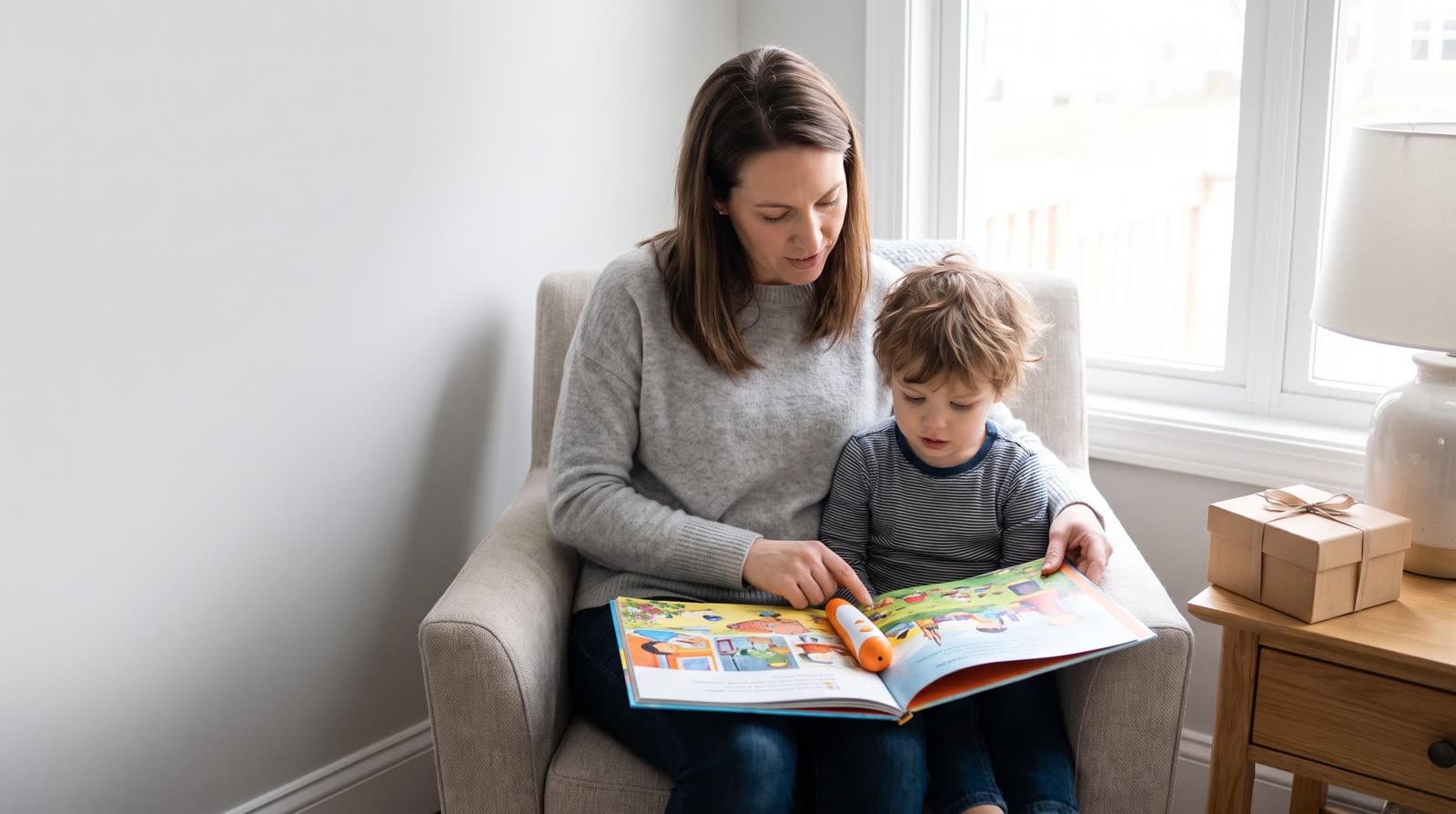
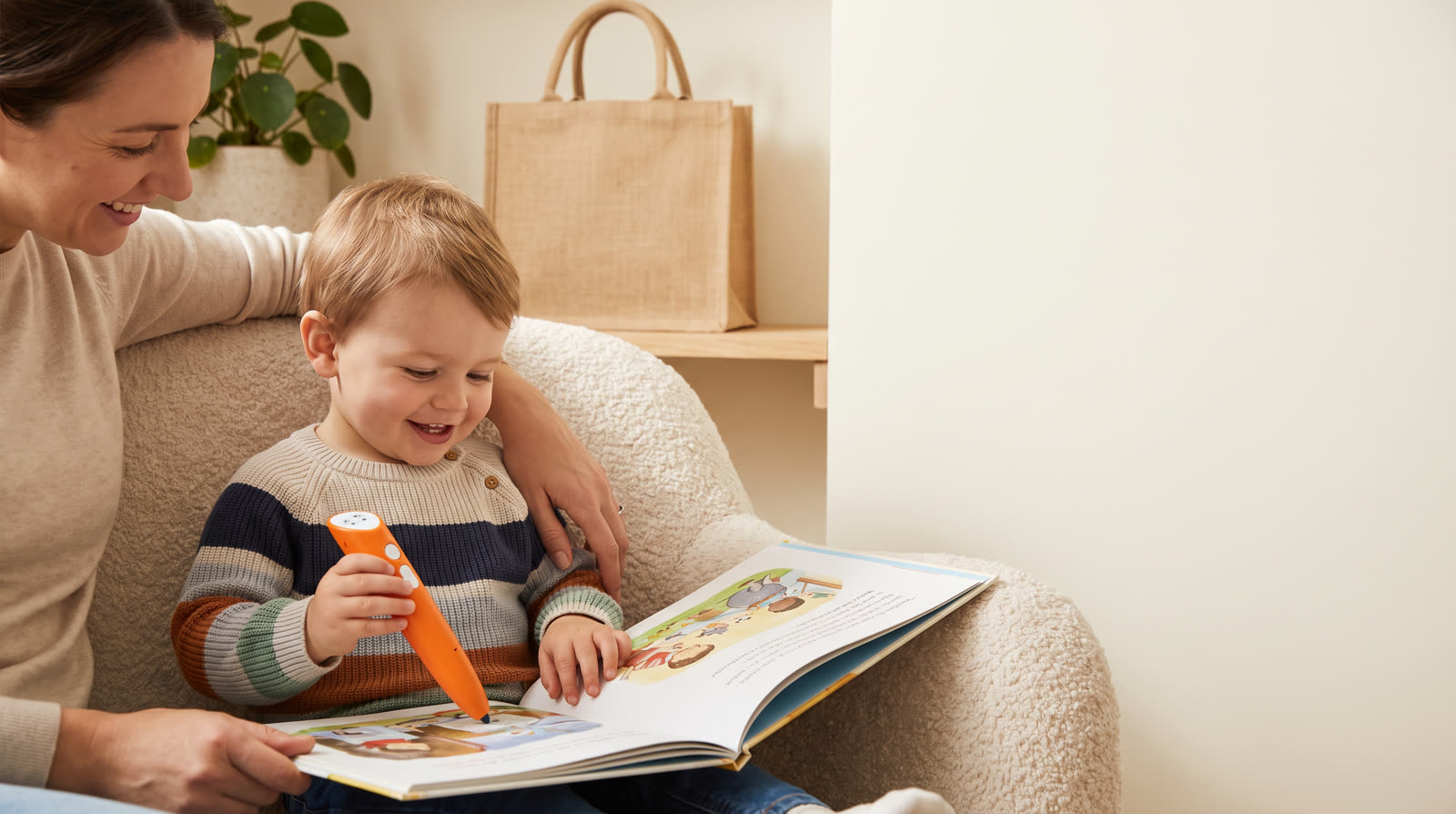
At three years of age, children undergo a remarkable transformation in their linguistic and cognitive capabilities. Their expressive vocabulary expands rapidly, often moving from simple two-word phrases to complex sentences containing four or more words. They begin to ask numerous 'why' and 'what' questions, comprehend narrative structures, and show intense curiosity about the printed word. According to developmental research highlighted by the Centers for Disease Control and Prevention (CDC), three-year-olds can follow multi-step instructions, identify familiar characters, and recognize basic patterns in stories. Introducing interactive tools during this period can capitalize on their natural inclination toward imitation and auditory feedback. When a child touches a specialized optical pen to a custom-printed book page, the immediate audio response reinforces the connection between visual symbols and spoken language. This multi-sensory engagement supports phonological awareness, enabling young learners to distinguish distinct sounds, rhythms, and intonations within language. B2B buyers and educational publishers must recognize that products designed for this demographic need to respect these specific cognitive capacities, avoiding overly complex navigation menus while maximizing intuitive tactile interaction. Furthermore, at age three, children are refining their hand-eye coordination and fine motor control. Holding a chunky reading pen and pointing it precisely at active touch zones provides beneficial physical practice that supports subsequent writing readiness without causing undue frustration. Sourcing partners must ensure that book layouts feature uncluttered visual fields and distinct touch icons so young users can easily navigate pages independently during quiet time or structured learning sessions.
The Role of Interactive Audio in Phonological Awareness
Phonological awareness—the ability to recognize and manipulate spoken parts of sentences and words—is a foundational precursor to formal reading success. For three-year-olds, traditional books provide rich visual narratives, but they rely entirely on adult readers to voice the text. While adult-child reading remains irreplaceable, an interactive reading pen introduces a supplementary layer of auditory scaffolding. When children tap illustrations or text blocks, they hear clear pronunciation, sound effects, musical cues, or character dialogues. This immediate auditory reinforcement helps children map graphemes (letters) to phonemes (sounds) in an engaging, self-paced manner. Furthermore, organizations such as the International Dyslexia Association emphasize that multi-sensory approaches in early childhood benefit all learners by reinforcing auditory and visual pathways simultaneously. In commercial and institutional settings, talking picture books equipped with localized narration can also support bilingual exposure and second-language acquisition, provided the audio files are professionally recorded with native-speaker cadence, moderate pacing, and clear articulation. Sourcing partners must ensure that audio localization aligns with target regional dialects, ensuring that young learners receive accurate linguistic input during critical formative months. When evaluating product lines for holiday distribution, retail buyers should prioritize sets that offer multi-language switching capabilities and diverse thematic vocabulary.
B2B Product Specifications and Engineering Standards for Holiday Toys
Optical OID Code Printing Accuracy and Sensor Calibration
The technical core of any talking pen system lies in its optical identification (OID) technology. OID invisible dot patterns are printed directly onto the paper stock alongside CMYK illustrations. For three-year-old users, whose fine motor control is still developing, the reading pen's optical sensor must possess high scanning sensitivity and wide angular tolerance. If the sensor calibration is suboptimal, children may become frustrated when taps fail to trigger audio playback. During the specification review and sample evaluation phases, B2B procurement teams must verify that the printing density, dot matrix contrast, and varnish coating do not interfere with optical recognition. High-quality manufacturing standards require specialized offset or digital printing presses capable of maintaining dot pattern integrity across various paper weights and finishes. Additionally, internal microcontrollers must process audio decoding with negligible latency, ensuring that sound playback occurs within milliseconds of tactile contact to maintain natural cognitive association. Manufacturers must also implement robust flash memory architectures to store thousands of high-definition audio clips without data corruption during mass production. Quality assurance protocols must test sensor durability under simulated drop conditions to guarantee long-term operational stability in retail markets.
Material Safety, Durability, and Ergonomic Design for Small Hands
Toys destined for holiday gifting to three-year-olds must withstand rigorous physical handling, including dropping, mouthing, and aggressive tapping. From a manufacturing perspective, talking pens must be constructed from non-toxic, impact-resistant ABS or food-grade polycarbonate plastics that comply with international safety regulations such as ASTM F963, EN71, and ISO 8124. Ergonomics is equally critical: three-year-old hands have smaller grip spans and developing pincer grasps. A well-designed pen features a chunky, triangular or contoured barrel shape that prevents rolling, discourages improper finger placement, and reduces hand fatigue during extended play sessions. For companion picture books, B2B buyers should specify heavy-duty board book construction with rounded safety corners, tear-resistant lamination, and non-toxic soy-based inks that withstand repeated wiping and cleaning. Ensuring structural integrity during bulk manufacturing protects brand reputation, minimizes return rates for retail partners, and guarantees that products endure the enthusiastic use typical of holiday play environments while maintaining pristine aesthetic appeal.
Evaluating Sample Units: A Structured Procurement Protocol for Buyers
Functional and Acoustic Quality Checks
Before committing to large-scale wholesale orders or holiday inventory distribution, procurement specialists and educational buyers must institute a rigorous sample evaluation protocol. The first step involves functional testing across multiple book titles to verify OID code recognition accuracy. Testers should evaluate whether the pen registers touches correctly near the edges of pages and across varied lighting conditions. Acoustic quality is another vital parameter; speakers must deliver crisp, distortion-free audio at safe decibel levels suitable for young ears. Manufacturers must incorporate built-in volume limitation features to prevent acoustic damage, ensuring output remains within recommended pediatric thresholds. Furthermore, firmware stability, battery charging efficiency, and auto-sleep power-saving modes should be tested over continuous operation cycles to verify hardware reliability. Documenting these performance metrics during initial sample reviews ensures that final production runs meet exact commercial specifications and satisfy stringent retail quality audits.
Packaging, Unboxing, and Compliance Documentation Review
The unboxing experience plays a significant role in consumer satisfaction, particularly for seasonal items marketed as Christmas gifts. B2B buyers should inspect sample packaging for structural durability, secure internal tray nesting, and clear age-grading labeling (e.g., recommended for ages 3 and up). Packaging materials should prioritize eco-friendly, recyclable cardstock while safeguarding sensitive electronic components against transit shock and humidity. Alongside physical sample inspection, procurement teams must meticulously review compliance documentation. This includes verifying valid test reports for heavy metals, phthalates, electromagnetic compatibility (EMC), and small parts choking hazards issued by accredited third-party laboratories. Establishing strict pre-shipment quality control benchmarks ensures that mass-produced holiday inventories match approved golden samples, mitigating supply chain risks and ensuring seamless customs clearance across international borders.
ReadGlo project support
Request Sample & Catalog
Explore ReadGlo's certified interactive reading pens and bilingual talking picture book collections for holiday retail and distribution.
Electrical Safety, Battery Care, and Long-Term Maintenance
Low-Risk External Inspection and CPSC Compliance Standards
Electronic children's products must adhere to stringent electrical safety standards to mitigate risks associated with overheating or battery failure. According to safety advisories from the U.S. Consumer Product Safety Commission (CPSC), children's products containing batteries or charging circuits must feature secure battery compartments or sealed rechargeable lithium-ion cells with robust overcharge protection. During routine maintenance or initial unboxing, users and quality inspectors must perform low-risk external inspections only. This entails examining the outer casing for cracks, ensuring charging ports are free of debris, and verifying that indicator lights function correctly. Under no circumstances should users attempt to disassemble, modify, or repair the electronic pen casing, as internal components present electrical shock or swallowing hazards. Ensuring clear warning labels on packaging reinforces safe operational practices for end consumers and complies with international regulatory mandates.
Handling Charging Anomalies, Moisture, and Storage
Proper product care instructions must be clearly communicated in user manuals and B2B product documentation. If a talking pen exhibits signs of moisture ingress, physical damage, abnormal operating heat, swelling, battery leakage, or smoke during operation or charging, users must immediately disconnect the device from power sources and cease use. Damaged rechargeable batteries or flooded internal boards should never be recharged. Retailers and distributors should advise end-users to store electronic reading pens in cool, dry environments away from direct sunlight and extreme temperature fluctuations. Providing transparent safety guidelines, warranty terms, and troubleshooting protocols enhances customer trust, supports regulatory compliance, and ensures safe, long-term product utilization across diverse household and institutional environments.
Bridging Technology and Human Mediation in Early Childhood Education
Preventing Passive Isolation and Encouraging Co-Reading
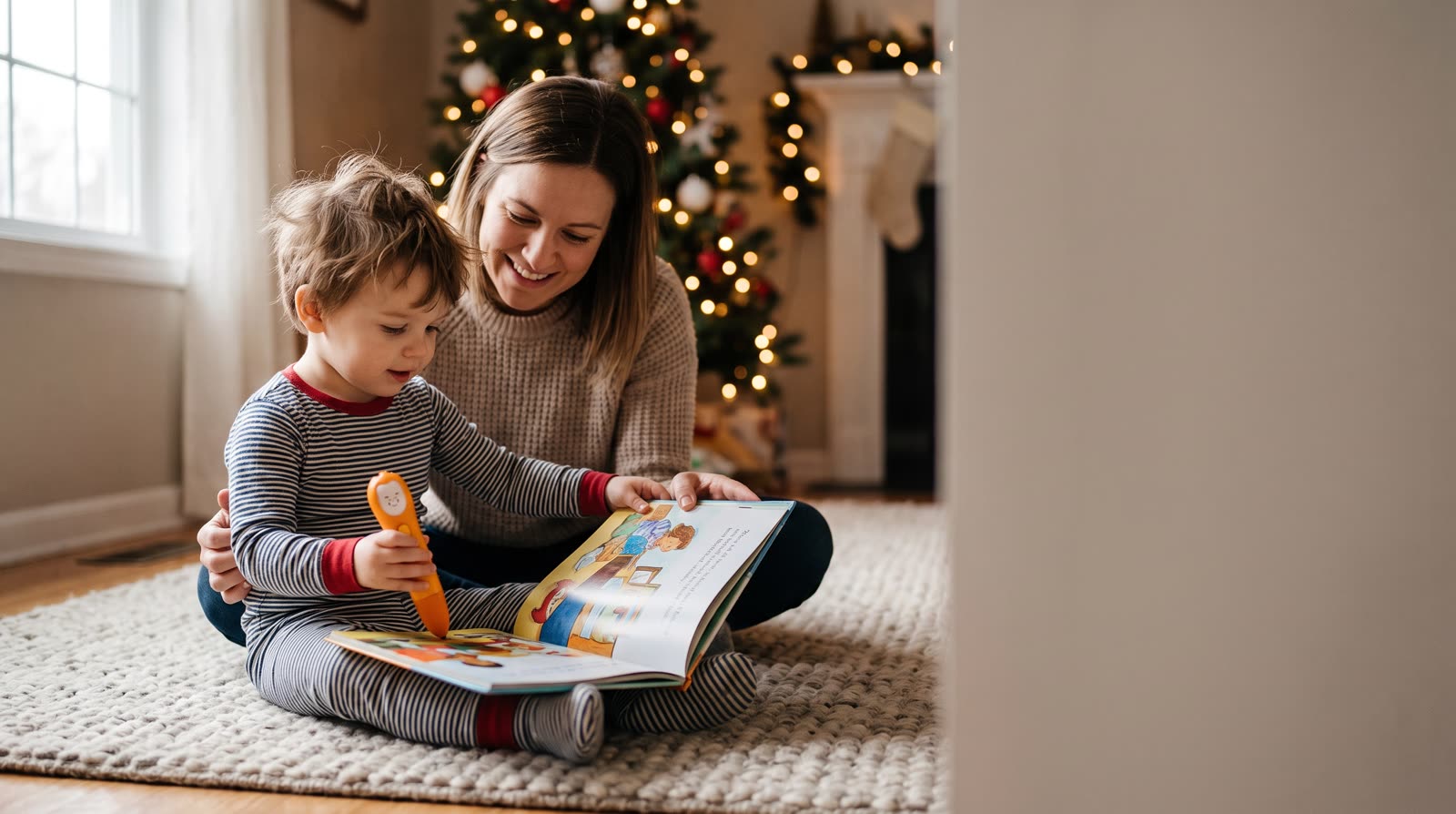
While interactive reading pens offer remarkable independent learning capabilities, educational experts emphasize that technology should complement, rather than replace, human interaction. Three-year-old children thrive best in language-rich environments where adults actively mediate storytelling. When introducing a talking picture book set as a Christmas gift, parents and educators should participate in shared reading sessions. Adults can ask open-ended questions about the story, encourage children to predict what happens next, and connect the book's themes to real-world experiences. Research synthesized by Reading Rockets underscores that guided interaction significantly enhances vocabulary retention and comprehension compared to solitary device use. Ensuring that the product design encourages collaborative play helps prevent passive isolation and fosters a deep, positive emotional association with reading that extends far beyond the holiday season.
Educator and Parent Guidance for Optimal Engagement
To maximize the educational value of talking pen sets, distributors and publishers should provide comprehensive companion guides for parents and teachers. These guides offer practical strategies for structuring reading time, such as dedicating ten to fifteen minutes daily to interactive exploration without screen distractions. Educators note that establishing consistent routines—such as morning reading or bedtime storytelling—helps children develop sustained attention spans and listening comprehension. Furthermore, adults should monitor the volume levels and ensure that children use the pen appropriately, treating books with care rather than aggressive impact. By bridging sophisticated educational technology with intentional adult mediation, families can transform a holiday gift into a lifelong foundation for literacy, supported by sound pedagogical frameworks.
Frequently Asked Questions
Are reading pen and talking picture book sets safe for three-year-old children?
Yes, provided the products comply with international toy safety standards such as ASTM F963 and EN71. B2B buyers and consumers should verify that books feature rounded corners, non-toxic soy-based inks, and durable board book pages, while talking pens must feature secure enclosures, non-toxic plastics, and volume limitation controls to protect young ears.
What should B2B buyers look for when evaluating optical OID code printing quality?
Procurement teams should verify dot matrix contrast, optical sensor scanning sensitivity, and scanning angular tolerance across multiple book titles. High printing precision ensures that taps register instantly without latency, providing a seamless and frustration-free user experience for young children.
How do interactive reading pens support early literacy development according to educational experts?
Interactive reading pens provide multi-sensory reinforcement by instantly connecting visual symbols to clear auditory narration, sound effects, and music. According to insights from the American Academy of Pediatrics and Reading Rockets, this auditory scaffolding strengthens phonological awareness, vocabulary acquisition, and letter-sound correspondence.
What immediate steps should be taken if a talking pen exhibits abnormal heat or battery leakage?
In accordance with CPSC safety guidelines, users must immediately stop using the device, disconnect it from any charging source, and avoid attempting to disassemble or repair the unit. Contact the manufacturer or authorized customer service channels for professional inspection and safe disposal guidance.
Can talking picture book sets be customized for bilingual education and OEM/ODM projects?
Yes. Leading manufacturers like ReadGlo offer comprehensive OEM/ODM customization services, including multi-language audio firmware integration, custom OID code encoding, localized voice talent recording, and bespoke packaging design to meet specific regional market requirements.
Conclusion
In summary, a reading pen and talking picture book set represents an exceptional Christmas gift for three-year-olds when selected with rigorous attention to safety, manufacturing quality, and developmental suitability. For B2B buyers, toy distributors, and educational publishers, successfully bringing these products to market requires strict adherence to international safety certifications, thorough sample evaluation protocols, and transparent product care guidelines. By combining advanced optical technology with sound pedagogical principles and active adult mediation, interactive reading systems bridge the gap between engaging play and foundational early literacy, ensuring lasting value for young learners and retail partners alike.
Continue your research
Related reading pen buyer guides
Use these related guides to compare the next product, content, sourcing or channel decision in your project.
- Gift GuideEvaluating Talking Pen and Interactive Picture Book Sets as 4-Year-Old Sibling Gifts for Baby Showers: A B2B Buyer and Retail Strategist GuideRead this guide
- Gift GuideIs a Reading Pen and Talking Picture Book Set a Good Christmas Gift for a 4-Year-Old? A Comprehensive B2B and Developmental Evaluation GuideRead this guide
- Gift GuideIs a Reading Pen and Talking Picture Book Set a Good Baby Shower Gift for a Bilingual Family?Read this guide
Continue with ReadGlo
See product specifications and request model-specific documentation.
ReadGlo project support
Contact Our B2B Sourcing Team
Partner with ReadGlo for reliable OEM/ODM manufacturing, rigorous safety compliance, and tailored educational publishing solutions.