
Contents
Introduction
The transition to preschool marks a monumental milestone in a young child's life, characterized by new social environments, structured routines, and expanding cognitive horizons. For educators, parents, and educational product distributors preparing for back-to-school seasons, selecting meaningful, developmentally appropriate gifts can significantly ease this transition. Among the array of educational tools available today, a reading pen paired with a talking picture book set has emerged as a premier gift choice for four-year-olds entering preschool.
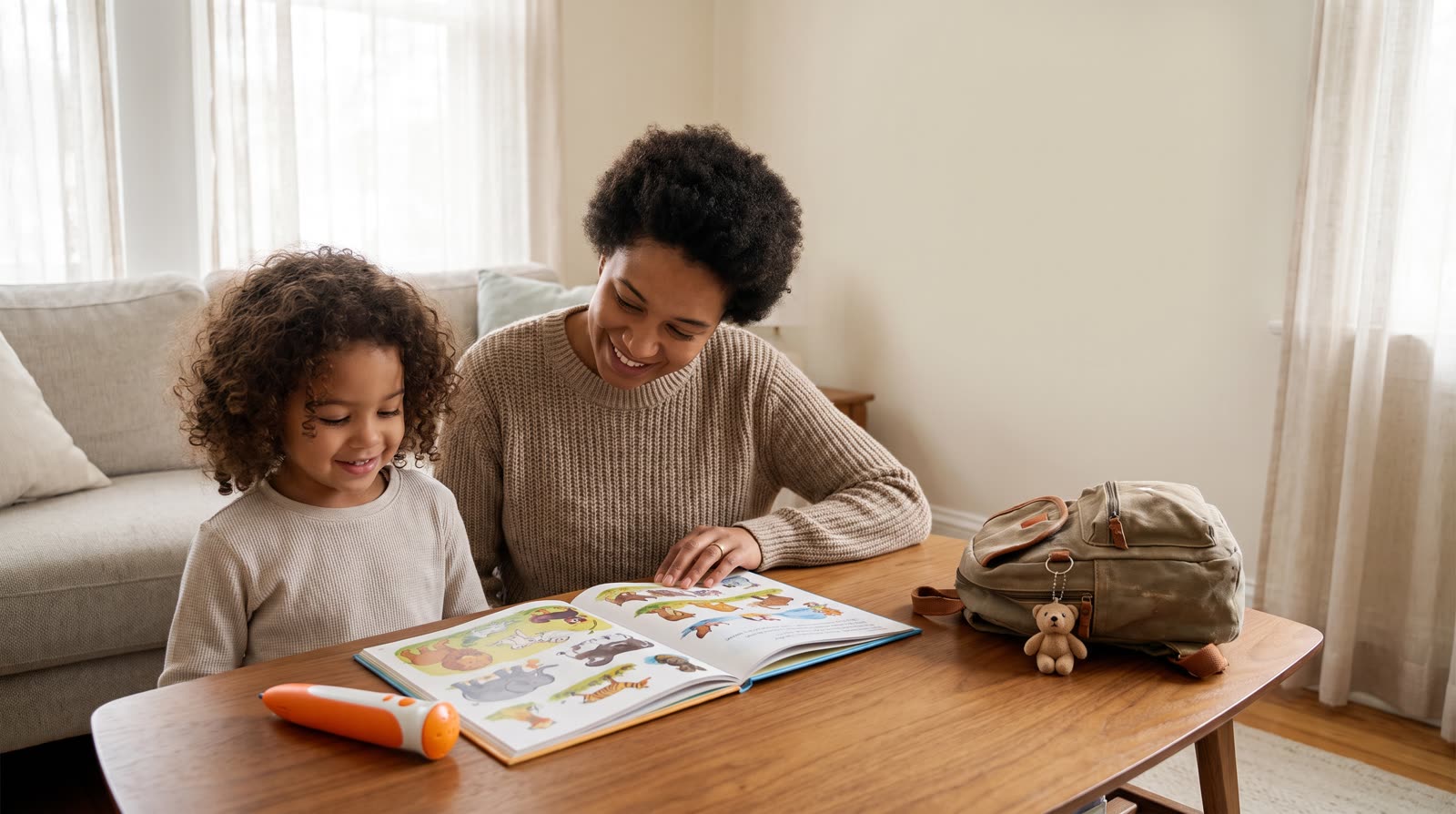
Direct Answer: Yes, a reading pen and talking picture book set is an exceptional first day of preschool gift for four-year-olds, provided the materials are age-appropriate, durable, and designed to foster independent, screen-free exploration. At four years old, children are at a critical developmental juncture where phonological awareness, narrative comprehension, and fine motor dexterity rapidly advance. Interactive audio-visual reading systems bridge the gap between home-based comforting routines and school-based literacy preparation.
However, this tool is most effective when viewed as a supplement to—rather than a replacement for—interactive adult reading and social storytelling. According to guidelines from the American Academy of Pediatrics (AAP) on early childhood literacy, shared reading between adults and children remains the gold standard for language acquisition and emotional bonding. A reading pen serves to reinforce these bonds by empowering children to replay stories, explore vocabulary independently, and build self-efficacy as emerging readers. For B2B buyers, toy retailers, and institutional purchasers, understanding the pedagogical value, developmental fit, and safety benchmarks of these sets is essential for successful product curation and seasonal campaigns.
Developmental Alignment for Four-Year-Olds and Preschool Transitions
Cognitive and Fine Motor Readiness at Age Four
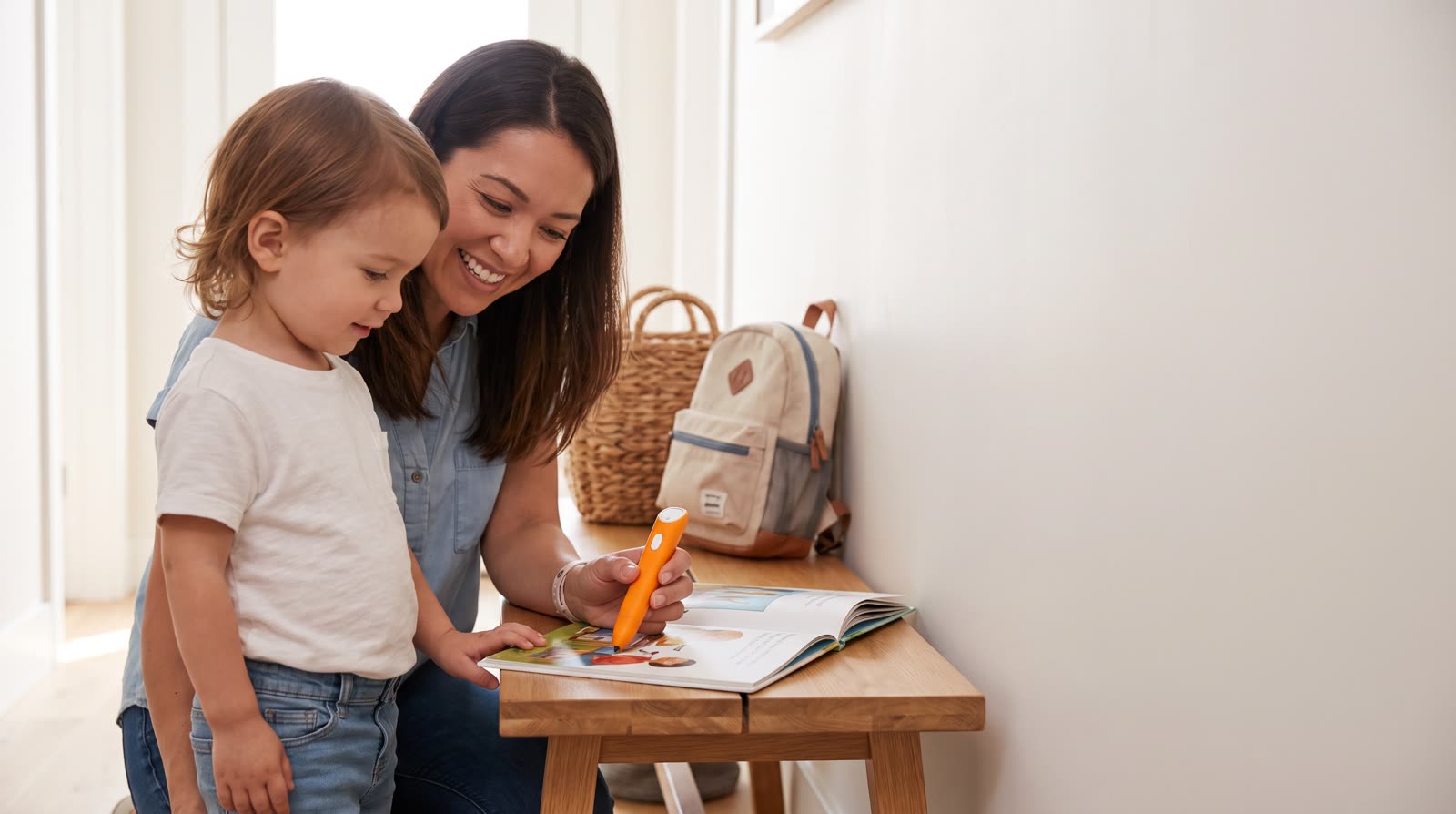
Four-year-olds exhibit distinct cognitive and motor capabilities that align remarkably well with optical reading pen technology. At this stage, children typically possess refined pincer grasps, allowing them to hold a chunky, ergonomic stylus comfortably. They can coordinate visual tracking with tactile input, pointing an optical sensor precisely at printed dot-code symbols embedded within picture books. Cognitively, four-year-olds understand cause-and-effect relationships: pressing a word or illustration triggers an immediate auditory response, such as a narration, sound effect, or musical prompt. This immediate feedback loop reinforces engagement, sustains attention spans, and encourages repetition—a cornerstone of early language mastery. Distributors and educators evaluating product specifications should ensure that the pen's activation tip requires minimal pressure and that optical sensors maintain high accuracy across various paper finishes and ink densities.
Easing Preschool Anxiety Through Familiar Literacy Routines
Entering preschool often introduces mild separation anxiety and environmental stress as children navigate unfamiliar classrooms and new social dynamics. Familiar routines established at home play a vital role in providing emotional security. A portable reading pen and talking book set offers a comforting bridge between home and school. By engaging with familiar stories, favorite character voices, and comforting soundscapes during quiet moments or morning routines, children can self-regulate and reduce anxiety. For B2B retailers, marketing these sets around the back-to-school transition period resonates deeply with parents seeking practical tools that support emotional well-being alongside academic readiness. Positioning talking books as comforting bedtime or quiet-time companions highlights their multifaceted utility beyond mere instructional aids.
Independent Exploration and Confidence Building
Independence is a hallmark milestone of the preschool year. Four-year-olds increasingly desire autonomy, frequently declaring 'I can do it myself!' Traditional reading requires adult availability, which can create bottlenecks in busy households or classrooms. A reading pen empowers children to explore stories entirely on their own terms. By tapping dialogue bubbles, illustrations, or hidden interactive hotspots, children dictate their own reading pace. They can replay challenging sentences, mimic pronunciation, or listen to playful sound effects without adult intervention. This self-directed discovery fosters intrinsic motivation, builds literacy confidence, and nurtures a lifelong love for books. For educational institutions and toy stockists, promoting independence as a core product benefit appeals directly to parents looking to foster self-reliance in their preschoolers.
Core Educational Value of Audio-Visual Interactive Books
Phonological Awareness and Vocabulary Expansion
The foundation of fluent reading rests upon robust phonological awareness—the ability to recognize, manipulate, and understand the sound structures of spoken language. Talking picture books integrate professional voice narration, clear phonetic pacing, and expressive storytelling that model correct pronunciation and intonation. When children hear words spoken clearly while simultaneously viewing the corresponding printed text, multisensory neural pathways are activated. This dual-coding strategy accelerates vocabulary acquisition, particularly for dual-language learners and children developing early literacy skills. Research highlighted by organizations like Reading Rockets emphasizes that explicit exposure to rich vocabulary and narrative structures in early childhood significantly correlates with future reading comprehension success. B2B buyers should prioritize suppliers whose book sets incorporate professionally recorded studio narration, diverse linguistic options, and carefully graded vocabulary progression.
Screen-Free Engagement and Multisensory Learning
In an era saturated with digital screens, tablets, and passive video consumption, parents and educators increasingly seek screen-free alternatives that stimulate cognitive development without overstimulating the nervous system. Reading pen sets provide an ideal middle ground: they leverage advanced microelectronics while preserving the tactile, physical experience of turning real paper pages and examining illustrated artwork. Multisensory learning occurs as children touch the page, hear the audio output, see the visual imagery, and manipulate the physical pen. This tactile engagement grounds the learning experience in the physical world, reducing digital fatigue and protecting young children from the attention fragmentation often associated with touchscreen devices. Retailers catering to modern, mindful parenting demographics will find strong market demand for high-quality, screen-free educational toys.
Bridging Visual Literacy and Auditory Reinforcement
Picture books rely heavily on visual storytelling, where illustrations convey plot details, emotional cues, and contextual subtext. A well-designed talking picture book enhances this visual literacy by embedding interactive audio tags within the artwork itself. When a child taps a character's expression or an environmental detail, they might hear dialogue, sound effects, or narrative commentary that deepens their understanding of the scene. This bridges visual art appreciation with auditory comprehension, teaching children to read between the lines of both text and imagery. For wholesale distributors and publishers, curating book sets with rich, layered illustrations and dynamic audio design ensures high perceived value and enduring educational longevity.
ReadGlo project support
Request Bulk Catalog & Samples
Looking to source premium reading pen sets and talking book bundles for your upcoming back-to-school retail season? Partner with ReadGlo to explore customizable OEM/ODM solutions designed for modern early childhood education.
Evaluating Quality and Safety Standards for Retailers and Buyers
Non-Toxic Materials and Durable Construction
When sourcing educational toys and reading pen sets for four-year-olds, safety and physical durability are non-negotiable parameters. Four-year-olds are active explorers who may subject toys to rough handling, accidental drops, or occasional mouthing. B2B importers, distributors, and retail buyers must verify that manufacturing partners adhere to rigorous international safety standards. Materials must be non-toxic, BPA-free, and phthalate-free, complying with standards such as ASTM F963, EN71, and ISO regulations. Furthermore, book bindings must be reinforced—such as heavy-duty board books or tear-resistant laminated paper with rounded corners—to withstand frequent handling by enthusiastic preschoolers. Ensuring robust mechanical construction protects brand reputation and minimizes return rates for retail partners.
Audio Fidelity, Voice Clarity, and Optical Code Reliability
The technical performance of a reading pen directly dictates user satisfaction. Inferior optical sensors may misread dot-code OID (Optical Identification) patterns, leading to lag, audio errors, or unresponsive tapping. Sourcing partners must ensure that pens utilize high-resolution optical camera modules capable of rapid decoding across diverse lighting conditions and subtle ink variations. Additionally, audio output must maintain crystal-clear fidelity through built-in high-quality speakers or standard headphone jacks, ensuring that children hear correct phonemes without distortion. Manufacturers should provide transparent specifications regarding memory capacity (e.g., TF card expansion or built-in flash memory) and battery life, ensuring seamless operation throughout busy preschool days.
Regulatory Compliance and Parent-Friendly Design
Navigating regulatory compliance is critical for successful market entry and distribution. Products must feature clear safety labeling, appropriate age grading (typically 3+ or 4+), and unambiguous operating instructions. According to guidelines set by the U.S. Consumer Product Safety Commission (CPSC) regarding children's products (accessible via the CPSC Business Education portal at https://www.cpsc.gov/Business--Manufacturing/Business-Education/Childrens-Products), toys involving electronic components and batteries require strict adherence to electrical safety and secure battery compartment designs. Retailers should partner with manufacturers who provide complete compliance documentation, third-party laboratory test reports, and parent-friendly safety advisories, such as instructions to avoid exposing electronic components to moisture and guidelines for safe adult-supervised charging.
Structuring Preschool Literacy Programs and Retail Curation
Bundling Strategies for Back-to-School Retail Seasons
For B2B distributors and retail category managers, timing and product curation are critical drivers of seasonal profitability. The back-to-school and preschool enrollment windows represent peak purchasing periods. Curating comprehensive 'Preschool Readiness Bundles' that combine a flagship ergonomic reading pen, a foundational series of talking picture books (covering alphabet mastery, number recognition, social-emotional storytelling, and bilingual exploration), and a sturdy storage case creates an irresistible value proposition for gift-giving parents and grandparents. Strategic bundling increases average order value (AOV), simplifies gift selection for consumers seeking turnkey solutions, and positions retail brands as thoughtful curators of early childhood education.
Educator Training and Classroom Integration Workflows
Beyond retail gift markets, talking book sets and reading pens represent powerful additions to preschool classrooms and early learning centers. Preschool directors and lead teachers often seek scalable tools that support differentiated instruction and independent learning centers. Distributors can add substantial value by providing institutional guides, classroom lesson plan templates, and professional development resources demonstrating how reading pens can be integrated into daily learning stations. For instance, creating an independent listening station equipped with talking books allows teachers to work with small targeted reading groups while other children engage in meaningful, self-directed literacy practice. Offering institutional packages tailored for classrooms expands B2B revenue streams beyond direct-to-consumer retail channels.
Sample Evaluation and Quality Assurance Best Practices
Before committing to volume procurement or large-scale retail distribution, B2B buyers must establish a rigorous sample evaluation workflow. Sourcing professionals should request physical samples to assess key performance indicators: ergonomic comfort, button responsiveness, optical reading speed, audio clarity, paper stock weight, binding integrity, and packaging presentation. Evaluating multiple factory samples allows buyers to verify manufacturing consistency, inspect firmware stability, and confirm that customized audio files (such as localized translations or OEM branding) load flawlessly. Adhering to strict sample review protocols safeguards supply chain integrity and ensures that the final delivered product meets or exceeds end-consumer expectations.
Frequently Asked Questions
Is a reading pen suitable for a child who has never used interactive educational toys before?
Most reading pens feature intuitive, plug-and-play operation with minimal buttons, making them immediately accessible to four-year-olds. Children naturally grasp the concept of pointing the pen tip at pictures or words to activate sound, typically mastering independent use within a few minutes of guided adult introduction.
Can talking picture book sets support children learning a second language?
Many advanced reading pen systems support dual-language audio files, allowing books to be encoded with bilingual narration (e.g., English and Spanish or Mandarin). This enables children to tap the same text and hear native-speaker pronunciations in multiple languages, making them excellent tools for bilingual families and language immersion preschools.
How do reading pens compare to tablet apps for four-year-olds?
Unlike tablet apps, which often involve glowing screens, digital distractions, and potential internet exposure, reading pens offer a fully screen-free, tactile learning experience. Children interact with real paper books, turning physical pages and developing fine motor control while engaging in focused, uninterrupted listening and reading.
What should B2B buyers look for when evaluating optical code (OID) printing quality?
Buyers should ensure that book pages are printed using high-precision dot-code OID (Optical Identification) technology that integrates invisible micro-dots seamlessly beneath illustrations and text. High OID printing precision guarantees rapid optical recognition, eliminating reading lag and ensuring a seamless, frustrating-free interactive experience for young users.
How should retailers market reading pen sets as back-to-school or preschool gifts?
Retailers can position reading pen sets as 'Preschool Readiness Kits' or 'First Day of School Milestone Gifts.' Marketing campaigns should emphasize themes of independent confidence, screen-free learning, emotional comfort during school transitions, and long-term literacy skill development.
Conclusion
In summary, a reading pen and talking picture book set stands out as an exceptional, purposeful gift for a four-year-old embarking on their first day of preschool. By blending tactile book interaction with responsive audio technology, these systems foster independent inquiry, reinforce phonological awareness, and provide comforting emotional anchors during a major life transition. For B2B distributors, toy retailers, and educational institutions, sourcing high-quality, safety-certified reading pen sets offers a tremendous opportunity to meet the growing demand for premium, screen-free educational tools. By prioritizing rigorous manufacturing standards, intuitive ergonomic design, and comprehensive curriculum alignment, industry partners can deliver lasting value to young learners and their families.
Continue your research
Related reading pen buyer guides
Use these related guides to compare the next product, content, sourcing or channel decision in your project.
- Gift GuideIs a Reading Pen and Talking Picture Book Set a Good First Day of Preschool Gift for a 2-Year-Old?Read this guide
- Gift GuideIs a Reading Pen and Talking Picture Book Set a Good First Day of Preschool Gift for a Bilingual Family?Read this guide
- Gift GuideIs a Reading Pen and Talking Picture Book Set a Good First Day of Preschool Gift for a 3-Year-Old?Read this guide
Continue with ReadGlo
See product specifications and request model-specific documentation.
ReadGlo project support
Connect with ReadGlo B2B Team
Contact our product specialists today to discuss specification sheets, custom audio encoding, and volume distribution opportunities.