
Contents
Introduction
In the dynamic landscape of early childhood education, language publishing, and edtech hardware, selecting the optimal interactive audio ecosystem is a pivotal decision for B2B buyers, international educational distributors, and institutional publishers. The central inquiry—whether a reading pen equipped with authentic human-voice narration is suitable for children experiencing bilingual language exposure—touches upon complex intersections of acoustic fidelity, phonetic discrimination, cognitive load theory, and developmental appropriateness. From a practical manufacturing and pedagogical standpoint, human-voice recording captures natural prosody, regional intonation patterns, and emotional nuance that synthetic Text-to-Speech (TTS) engines frequently fail to replicate accurately. However, evaluating these devices requires rigorous attention to audio compression standards, dual-language dual-code file structures, firmware stability, and child-safe hardware compliance. This comprehensive guide provides B2B stakeholders, school procurement officers, and product developers with an in-depth, E-E-A-T-compliant analysis of how human-voice narration functions in bilingual learning environments, how to establish stringent manufacturing quality benchmarks, and when to consult qualified educators or speech-language professionals. For foundational insights into digital content quality standards, publishers regularly consult guidelines such as those provided by Google Search Central on Creating Helpful Content [1], while early childhood literacy frameworks are informed by authoritative bodies like the American Academy of Pediatrics (AAP) Early Literacy Guidelines [2]. Furthermore, physical safety and children's product manufacturing standards are governed by regulatory frameworks such as the CPSC Children's Product Education [3].
1. Developmental Foundations of Bilingual Language Exposure and Audio Fidelity
The Role of Authentic Prosody in Early Second-Language Acquisition
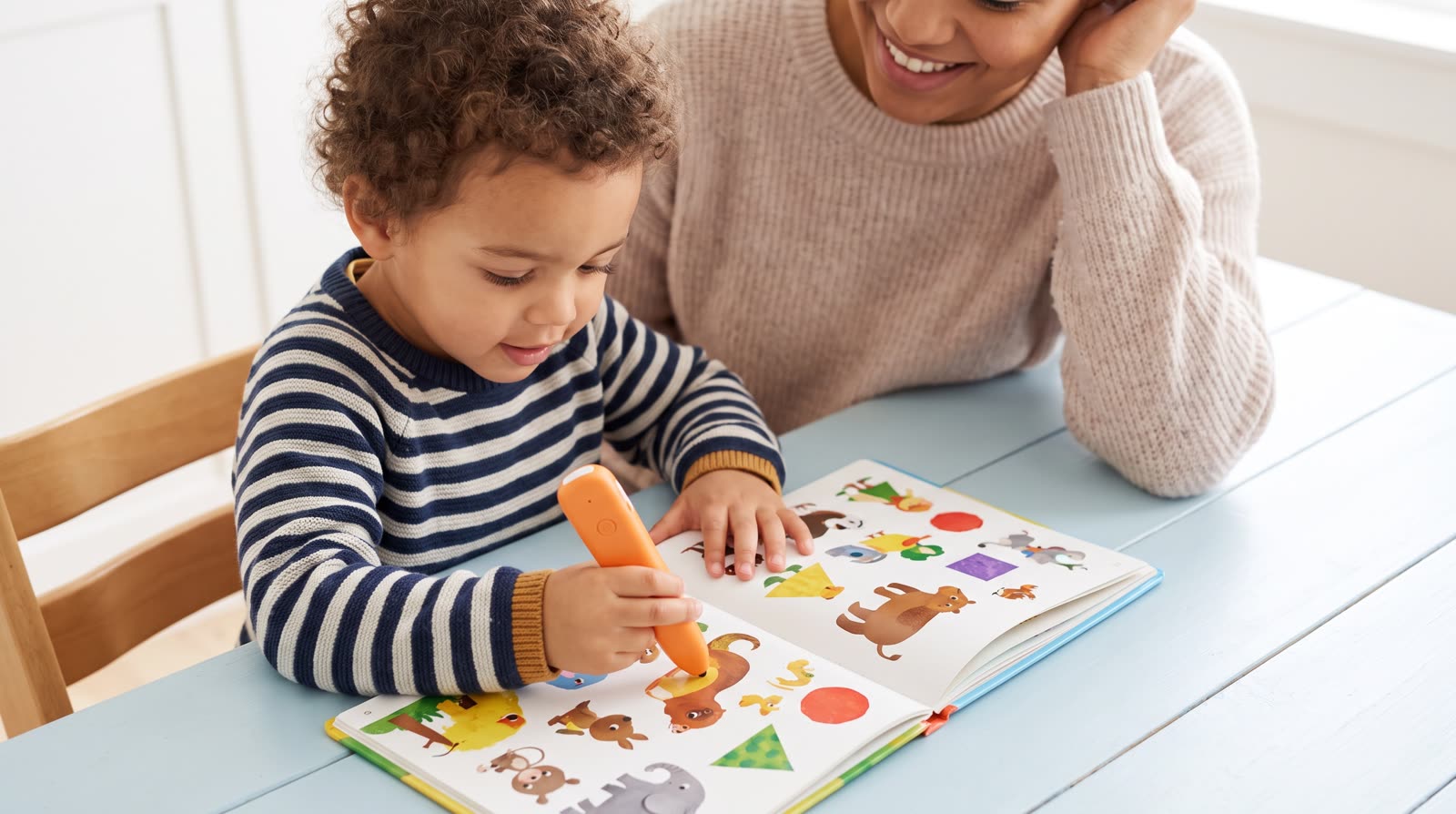
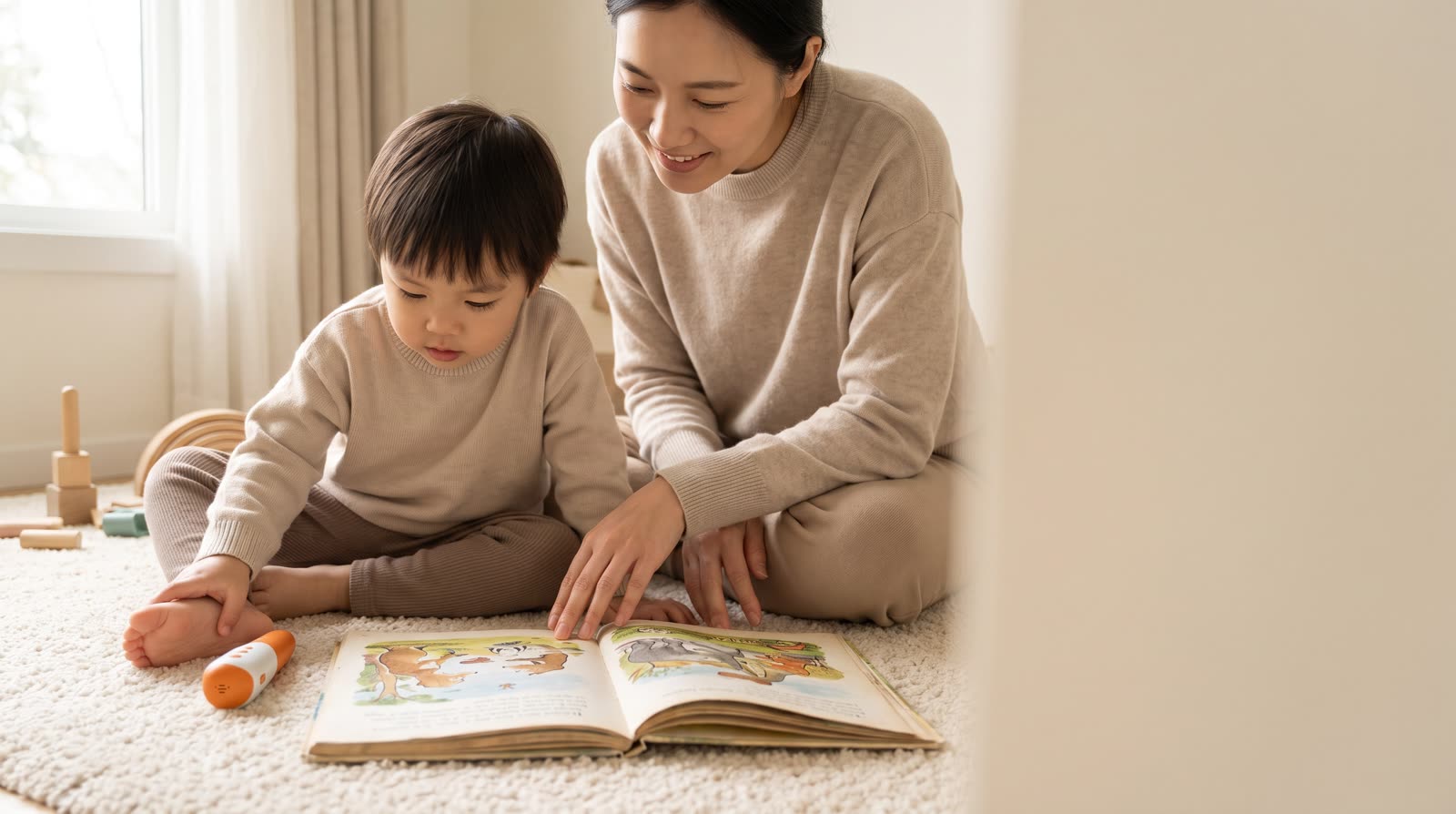
Bilingual language exposure during early childhood relies heavily on accurate phonetic discrimination, natural stress patterns, and contextual rhythm. When young children encounter a second language, their auditory cortex actively maps phonemes against native speech sounds. Human-voice narration provides authentic regional accents, correct syllable liaison, and genuine emotional inflection that flat electronic speech synthesizers simply cannot match. Professional native-speaker voice talent imparts subtle conversational cues that help children distinguish between phonetically similar words in different languages, fostering natural ear-training. For educational publishers and toy distributors, partnering with qualified native voice artists ensures that the audio embedded in interactive picture books meets high pedagogical standards. When designing bilingual book sets, manufacturers must ensure that dual-language tracks—such as English and Spanish, or English and Mandarin—are recorded in acoustically treated studios to eliminate background hiss, breathing artifacts, and digital compression distortion. Educational authorities and pediatric developmental organizations emphasize that early language immersion is most effective when mediated by responsive adult interaction and clear, undistorted auditory inputs. Publishers should consult frameworks established by the American Academy of Pediatrics (AAP) [2] regarding early language development and interactive shared reading. In manufacturing specifications, defining audio sample rates at 44.1kHz or higher with appropriate bit-depth guarantees that the human voice retains its natural warmth and frequency distribution across varied speaker hardware. Furthermore, children with bilingual exposure benefit immensely from consistent acoustic models that respect the phonetic structures of both target languages without robotic artifacts.
Mitigating Cognitive Overload in Dual-Language Interactive Media
While human-voice narration significantly enhances user engagement and phonetic accuracy, excessive acoustic stimuli can sometimes overwhelm young learners, particularly during early developmental stages. In bilingual publishing, structural clarity is paramount. Interactive picture books must pair the reading pen's audio output with clean visual layouts, distinct touch-code dots (OIDs), and uncluttered page designs. B2B buyers evaluating reading pen firmware should check whether the device supports multi-file switching without latency, allowing children to seamlessly toggle between Language A and Language B by tapping designated flag icons or margin triggers. It is essential to recognize that audio tools serve as auxiliary facilitators rather than complete substitutes for human caregivers. Adults should actively participate in bilingual reading sessions, asking open-ended questions, checking comprehension, and encouraging children to repeat words in meaningful contexts. If educators or parents observe signs of auditory fatigue, frustration, or persistent difficulty in phonological processing, they should consult qualified reading specialists, speech-language pathologists, or early childhood educators to tailor the learning approach. Maintaining a balanced daily reading routine ensures that interactive audio supports rather than strains the child's developing cognitive capacity.
Phonological Awareness and Dual-Code Book Design Principles
Phonological awareness is the foundation of literacy in any language. In bilingual environments, children must learn to manipulate sounds within two distinct linguistic systems. Talking picture books equipped with OID (Optical Identification) dot codes allow children to tap specific words, sentences, or character dialogue, receiving immediate auditory feedback. This immediate feedback loop reinforces phoneme-grapheme correspondence. However, publishing houses must carefully manage data architecture on the reading pen's storage chip. Each book title requires dedicated partition sectors to store multilingual audio scripts without cross-talk or timing misalignment. During sample review, quality assurance teams must verify that tapping a target word in the English text block correctly triggers the English audio track, while tapping the corresponding translated text block triggers the secondary language track without perceptible delay. This precise technical coordination ensures that bilingual children build robust, parallel vocabulary networks without cognitive confusion, supported by rigorous pre-production testing protocols.
2. B2B Sourcing, Specification Review, and Quality Assurance Benchmarks
Establishing Technical Specifications for Dual-Language Reading Pens
When sourcing reading pens for international markets, B2B procurement teams must establish meticulous technical specifications. A robust bilingual reading pen requires high-capacity internal flash memory (ranging from 8GB to 32GB) to store uncompressed or lightly compressed audio files (.wav or high-bitrate .mp3) across multiple language books and series expansions. Optical sensor quality is another critical vector; the infrared or CMOS camera embedded in the pen's tip must accurately read invisible OID codes printed on paper without misfiring, even when subjected to minor surface smudges or varied lighting conditions. During the specification review stage, buyers should request comprehensive engineering validation test (EVT) reports covering optical reading accuracy on various paper coatings (matte vs. gloss) and anti-glare lamination. Furthermore, battery capacity, speaker wattage (typically 1W to 2W for clear, non-distorted near-ear listening), and USB-C charging interface standards must be verified against international electrical safety directives. Establishing clear tolerances for optical reading speed and audio playback latency ensures smooth user experiences for young learners navigating multi-language books.
Sample Evaluation, Factory Inspection, and Pre-Shipment Protocols
A systematic sample evaluation protocol is vital before committing to mass production volume. Importers and school distributors should examine pre-production samples (PPS) by testing audio synchronization across various book pages, verifying that multi-language audio files align precisely with printed text coordinates. Factory audits should inspect surface-mount technology (SMT) assembly lines, acoustic testing chambers, and drop-test stations. Quality control checklists must include drop resistance (simulating toddler handling), button durability cycles, and audio distortion limits at maximum volume. Pre-shipment inspection (PSI) protocols should follow Acceptable Quality Limit (AQL) standards to check packaging integrity, multilingual manual accuracy, and firmware stability. Buyers must ensure that all manufacturing partners adhere to rigorous compliance standards, aligning with guidelines such as those published by the Consumer Product Safety Commission (CPSC) Children's Product Education [3] regarding small parts safety and non-toxic material declarations.
Supply Chain Transparency and OEM/ODM Customization Frameworks
In the B2B edtech sector, educational publishers frequently require custom OEM/ODM solutions, ranging from branded pen casings and custom boot screens to proprietary bilingual audio compilation. Procurement managers must establish clear communication channels with manufacturing partners to define firmware update protocols, data encryption standards for audio book packs, and regional regulatory compliance documentation. A transparent supply chain ensures that raw material certifications—such as BPA-free plastics, non-toxic soy-based printing inks for talking picture books, and lead-free solder on circuit boards—are fully documented and verifiable. By maintaining rigorous oversight during the sample review, specification sign-off, and pre-shipment inspection phases, distributors protect their brand reputation and ensure long-term product reliability in schools and retail markets.
ReadGlo project support
Get a Quote
Ready to expand your bilingual product catalog with premium talking pens and interactive books? Request our latest OEM/ODM specification sheets and wholesale pricing today.
3. Product Safety, Regulatory Compliance, and Safe Operational Practices
Electrical Safety, Battery Management, and Mechanical Integrity
Children's interactive electronic toys are subject to strict regulatory scrutiny worldwide. Reading pens incorporate lithium-ion rechargeable batteries or standard alkaline battery compartments that require robust physical sealing to prevent accidental access by young children. Procurement teams must verify that suppliers provide valid test reports for EN71, ASTM F963, CE, and RoHS certifications. Regarding product care and safety, users and caregivers must adhere to low-risk external maintenance practices: never attempt to disassemble or modify the reading pen casing. If a device exhibits signs of moisture ingress, mechanical damage, abnormal heating, swelling, electrolyte leakage, or smoke emission, operation must cease immediately, charging cables must be disconnected, and the unit should be stored away from flammable materials while contacting the manufacturer or authorized service channel. Adhering to these safety protocols prevents electrical hazards and ensures long-term device longevity in institutional settings.
Hygiene and Maintenance for Shared Educational Environments
In kindergartens, language centers, and multi-child households, reading pens and talking picture books are frequently handled by multiple users. Maintaining hygienic standards without compromising electronic components requires specific cleaning protocols. Reading pen exteriors should be wiped gently using a slightly damp, lint-free microfiber cloth moistened with a 70% isopropyl alcohol solution. Never spray liquids directly onto the pen tip, USB port, or speaker grille. Talking picture books laminated with matte or gloss protective films can be wiped with mild disinfectant wipes. Regular inspection of book bindings and page edges prevents paper cuts and ensures that OID codes remain unscratched and fully readable by the optical sensor. Establishing routine sanitation schedules protects children's health in communal learning spaces.
Regulatory Compliance Frameworks for International Export
Exporting educational electronic toys to global markets requires navigating diverse regional regulatory frameworks. In North America, products must comply with FCC regulations regarding electromagnetic interference and CPSIA limits on heavy metals and phthalates. In European markets, the CE mark encompasses electromagnetic compatibility (EMC), low voltage directives, and toy safety standards. B2B buyers should request complete technical dossiers from manufacturers before placing volume orders. Ensuring full regulatory compliance mitigates customs clearance delays and guarantees that educational institutions can deploy talking pen sets with complete confidence in their safety and legal standing.
4. Maximizing Educational Value and Content Compatibility in Publishing
Designing Interactive Books for Dual-Language Engagement
Publishers developing interactive book sets for reading pens must curate content that bridges native and target languages effectively. Storylines should incorporate repetitive sentence structures, contextual picture clues, and culturally rich themes that resonate with diverse young learners. The integration of sound effects, background music, and character dialogue must be balanced so that audio embellishments do not overpower the spoken vocabulary words. Collaborating with linguists and educational consultants during the manuscript drafting stage ensures that vocabulary pacing aligns with early childhood cognitive milestones. Publishers should also provide clear digital content management portals where educators and parents can download supplementary audio packages or update firmware securely.
Aligning Digital Content with Professional E-E-A-T Standards
In an era where digital search engines and AI recommendation systems increasingly prioritize authoritative, helpful, and people-first content, B2B websites must publish transparent, evidence-based documentation. Following editorial benchmarks outlined in Google Search Central's Creating Helpful Content guidance [1], educational manufacturers should present clear specifications, realistic pedagogical capabilities, and honest usage guidelines rather than exaggerated marketing claims. By grounding product descriptions in established child development research and transparent manufacturing standards, brands establish enduring trust with global educational partners and institutional buyers.
Evaluating Long-Term Educational Impact and Classroom Integration
Integrating reading pens into preschools and bilingual language centers requires structured implementation strategies. Teachers should combine independent pen-based exploration with guided group discussions and storytelling circles. By observing how children interact with dual-language talking books, educators can identify areas where additional vocabulary reinforcement is needed. Publishers who provide comprehensive teacher guides, curriculum alignment maps, and digital resource libraries empower schools to maximize the pedagogical return on investment for interactive audio hardware.
Frequently Asked Questions
Are human-voice narration reading pens suitable for toddlers beginning bilingual exposure?
Yes, human-voice narration provides authentic phonetic models, natural intonation, and correct pronunciation cues which are vital for early ear-training in a second language. However, effectiveness depends on active adult participation and balanced listening time.
What technical specifications should B2B buyers look for in bilingual reading pens?
Buyers should prioritize high-capacity internal memory (8GB–32GB) for multi-language audio files, high-precision optical OID sensors, uncompressed audio format support (.wav or high-bitrate .mp3), durable ABS non-toxic casing, and certified compliance with EN71 and ASTM F963 standards.
How should schools and distributors clean and maintain shared reading pen sets?
Wipe pen exteriors with a lint-free cloth lightly dampened with 70% isopropyl alcohol. Never submerge the pen or spray liquids directly onto optical lenses or speaker grilles. Inspect books regularly for torn pages that might obscure optical OID codes.
What safety precautions apply to rechargeable battery-powered reading pens?
Users must never attempt to disassemble the device. If moisture, physical damage, abnormal heating, or battery swelling occurs, stop using and charging immediately, and contact the manufacturer or authorized service channels following CPSC safety guidelines.
How can educators verify that an interactive book series aligns with early literacy standards?
Publishers and educators should reference guidelines from professional bodies such as the American Academy of Pediatrics (AAP) on early literacy and ensure that audio-visual materials support scaffolded, interactive shared reading rather than passive screen-like isolation.
Conclusion
In conclusion, reading pens equipped with human-voice narration represent a powerful, engaging educational tool for children experiencing bilingual language exposure, provided they are engineered to high quality standards and utilized within a supportive, interactive environment. For B2B distributors, educational publishers, and institutional buyers, success relies on rigorous specification review, thorough sample evaluation, and adherence to strict safety and regulatory frameworks. By prioritizing authentic phonetic modeling, robust physical durability, and transparent, E-E-A-T-compliant product documentation, industry partners can deliver exceptional learning experiences that foster lifelong multilingual literacy.
Continue your research
Related reading pen buyer guides
Use these related guides to compare the next product, content, sourcing or channel decision in your project.
- Learning SupportEvaluating Simple Touch Controls in Bilingual Children's Reading Pens: A Comprehensive B2B Buyer and Educator GuideRead this guide
- Learning SupportIs a Reading Pen with Human-Voice Narration Suitable for Children with Dyslexia or Early Reading Difficulty?Read this guide
- Learning SupportIs a Reading Pen with Adjustable Volume Suitable for Bilingual Language Exposure?Read this guide
Continue with ReadGlo
See a DOT-code picture-book set designed for guided early-learning programs.
ReadGlo project support
Send Your Requirements
Partner with ReadGlo to develop custom bilingual reading pen solutions tailored to your educational market. Send your project requirements or ask for our comprehensive product catalog.