Contents
Introduction
Yes, a reading pen featuring short interactive activities can support bilingual language exposure when integrated thoughtfully into a balanced linguistic environment with active adult guidance. According to educational guidelines from organizations like Reading Rockets and the American Academy of Pediatrics (AAP), bilingual language exposure benefits greatly from contextualized, interactive listening and speaking opportunities that encourage active engagement without replacing natural caregiver-child interaction. For B2B importers, educational publishers, and distributors evaluating reading pen hardware and talking book sets, understanding how interactive prompts support dual-language acquisition requires rigorous sample evaluation, specification confirmation, and verification of audio-visual code mapping.
Pedagogical Framework for Bilingual Language Exposure and Interactive Audio
Supporting Dual-Language Development Through Contextualized Audio Input
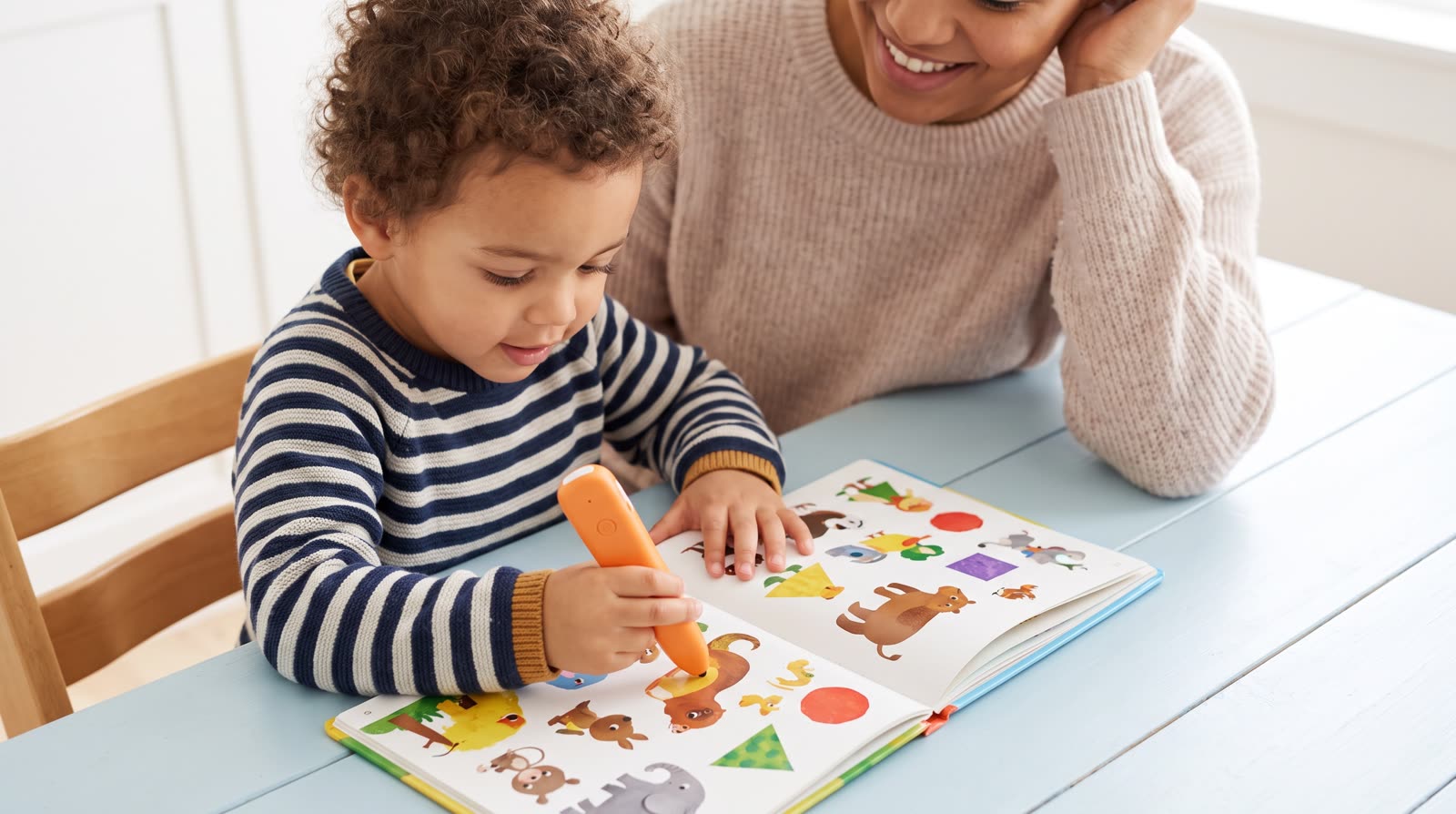
Bilingual children acquire vocabulary across two languages more effectively when exposed to consistent, native pronunciation models paired with visual contexts. Audio-enabled reading pens provide immediate acoustic feedback when pointing to dual-language text blocks, vocabulary callouts, or icon triggers. Short interactive activities—such as matching games, simple quiz prompts, and sound-effect identification—reinforce phonological awareness and auditory discrimination in both target languages. In alignment with Reading Rockets guidelines, interactive audio tools work best when they bridge auditory cues with meaningful semantic contexts rather than relying on rote memorization.
Balancing Independent Exploration with Adult-Guided Scaffolding
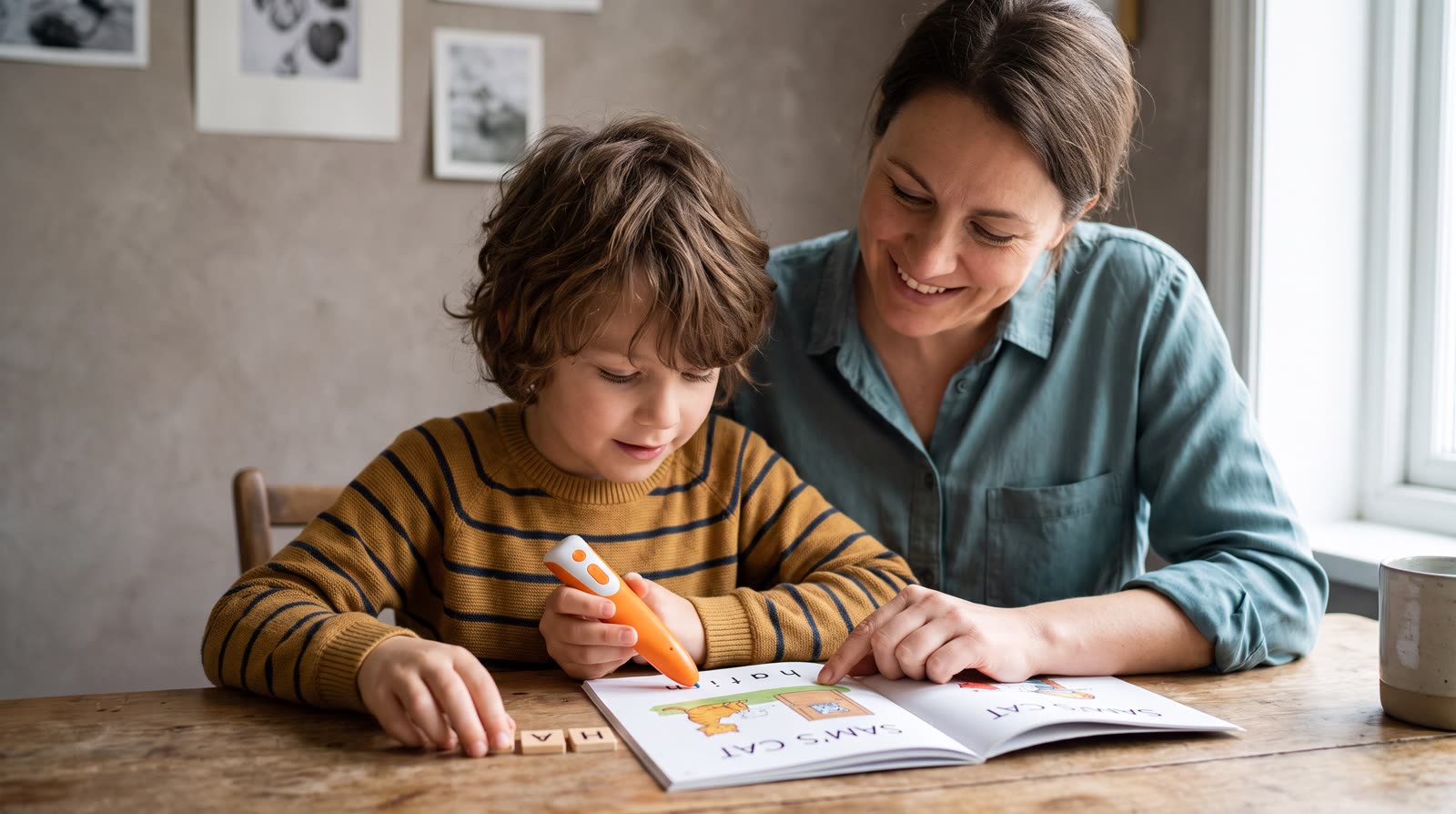
A recurring risk in electronic learning tools is passive listening or over-reliance on automated audio. Short interactive activities must be designed to prompt active cognitive responses rather than passive repetition. Qualified educators and clinical professionals recommend that adult caregivers participate during listening sessions to discuss story themes, ask open-ended questions, and connect audio prompts to real-world objects and cultural contexts. Adult scaffolding ensures that children process dual-language input meaningfully, fostering genuine comprehension and conversational confidence.
B2B Procurement, Sample Evaluation, and Technical Specification Standards
Rigorous Sample Review and Dual-Language Audio Code Verification
For B2B importers and educational publishers, evaluating reading pen hardware requires establishing strict prototype and sample review protocols. Importers must verify that optical OID (Object Identifier) code printing on book pages flawlessly matches the pre-programmed firmware on the reading pen MCU. For bilingual talking book sets, dual-language switching—such as toggling between English and a secondary language via dedicated icon touch—must be instantaneous, responsive, and free of audio latency or mismapping between code files.
Functional Quality Assurance and Pre-Shipment Data Checks
Standard B2B quality control procedures must encompass rigorous testing across various paper stocks, matte laminations, and binding types. Inspection protocols include optical sensor sensitivity checks, battery charge cycle verification, audio volume output limits compliant with child safety standards, and pre-shipment inspection (PSI) of multi-language firmware packaging and sound file directory structures. Ensuring consistent manufacturing quality prevents post-purchase defects in international distribution markets.
ReadGlo project support
Request OEM/ODM Sample Kit
Explore ReadGlo's certified bilingual reading pen and interactive book collections. Contact our engineering team for sample evaluations and custom specification support.
Hardware Safety, Care, and Regulatory Compliance Standards
External Maintenance and Low-Risk Handling Protocols
Maintaining educational hardware in institutional or home settings requires adhering to strict safety and care procedures. Maintenance is strictly restricted to low-risk external cleaning using a slightly damp, lint-free cloth. Users and maintenance staff must never attempt teardown, modification, or internal component access. In accordance with consumer product safety guidance from the Consumer Product Safety Commission (CPSC), electronic educational devices must be handled with appropriate care regarding moisture and electrical safety.
Immediate Discontinuation and Safety Protocols for Anomalies
Clear safety mandates must be established for handling hardware anomalies. If a reading pen or its charging accessory exhibits signs of moisture exposure, physical damage, abnormal heating, battery swelling, fluid leakage, or smoke emission, users must immediately discontinue use, disconnect from power sources, refrain from charging, and contact the manufacturer or authorized service channels for evaluation. Safety protocols protect users and maintain compliance with international regulatory standards.
Market Sourcing, Model Verification, and Commercial Best Practices
Verifying Exact Specifications, Age Ratings, and Book Compatibility
Institutional purchasers and retail buyers sourcing bilingual talking book bundles and reading pens must verify exact manufacturer part numbers, certified age grading, optical code compatibility, and written commercial terms. Ensuring that third-party books do not corrupt or fail firmware execution is essential for product longevity. Buyers should thoroughly review written warranties, return policies, and compliance documentation before finalizing bulk orders.
Evaluating Supplier Credentials and Manufacturing Capabilities
Successful B2B procurement relies on partnering with verified manufacturers who demonstrate consistent quality management, compliance testing (such as CE, RoHS, and EN71 standards), transparent supply chains, and robust technical support. Importers should conduct thorough supplier audits and request comprehensive specification documentation to ensure long-term product reliability in competitive bilingual education markets.
Frequently Asked Questions
Are short interactive activities in reading pens effective for bilingual children?
Yes, when used as a supplemental tool alongside active adult guidance. Short activities such as matching sounds or simple prompts encourage active listening and engagement in both languages, aligning with recommendations from Reading Rockets for dual-language development.
What should B2B buyers check when sourcing bilingual reading pen sets?
B2B buyers should conduct rigorous sample reviews, verify optical OID code mapping accuracy, test dual-language switching responsiveness, check battery and speaker safety compliance, and confirm written quality assurance terms with the manufacturer.
How should users handle hardware anomalies or charging issues with reading pens?
In accordance with CPSC safety principles, if a reading pen exhibits moisture, physical damage, abnormal heat, swelling, leakage, or smoke, users must immediately stop using it, disconnect power, avoid charging, and contact authorized service channels.
Do reading pens replace professional speech or language therapy?
No. Reading pens are educational supplements and do not diagnose, treat, or cure speech or language delays. Any clinical concerns regarding bilingual language development should be evaluated by qualified educators or speech-language pathologists.
Conclusion
Integrating short interactive activities into bilingual reading pens offers a compelling engagement mechanism for young learners exploring two languages, provided devices are deployed within a balanced, adult-guided educational environment. For B2B importers, publishers, and distributors partnering with ReadGlo, success depends on rigorous sample review, optical code verification, strict compliance with electronic safety standards, and transparent commercial agreements. By adhering to verified manufacturing workflows and child safety guidelines, industry stakeholders can deliver durable, educationally sound bilingual learning tools.
Continue your research
Related reading pen buyer guides
Use these related guides to compare the next product, content, sourcing or channel decision in your project.
- Learning SupportEvaluating Simple Touch Controls in Bilingual Children's Reading Pens: A Comprehensive B2B Buyer and Educator GuideRead this guide
- Learning SupportIs a Reading Pen with Short Interactive Activities Suitable for Children with Dyslexia or Early Reading Difficulty?Read this guide
- Learning SupportIs a Reading Pen with Adjustable Volume Suitable for Bilingual Language Exposure?Read this guide
Continue with ReadGlo
See a DOT-code picture-book set designed for guided early-learning programs.
ReadGlo project support
Partner With ReadGlo
Secure reliable supply chains and high-quality educational hardware for your publishing or distribution brand. Inquire today for catalog access and volume partnership details.