
Contents
Introduction
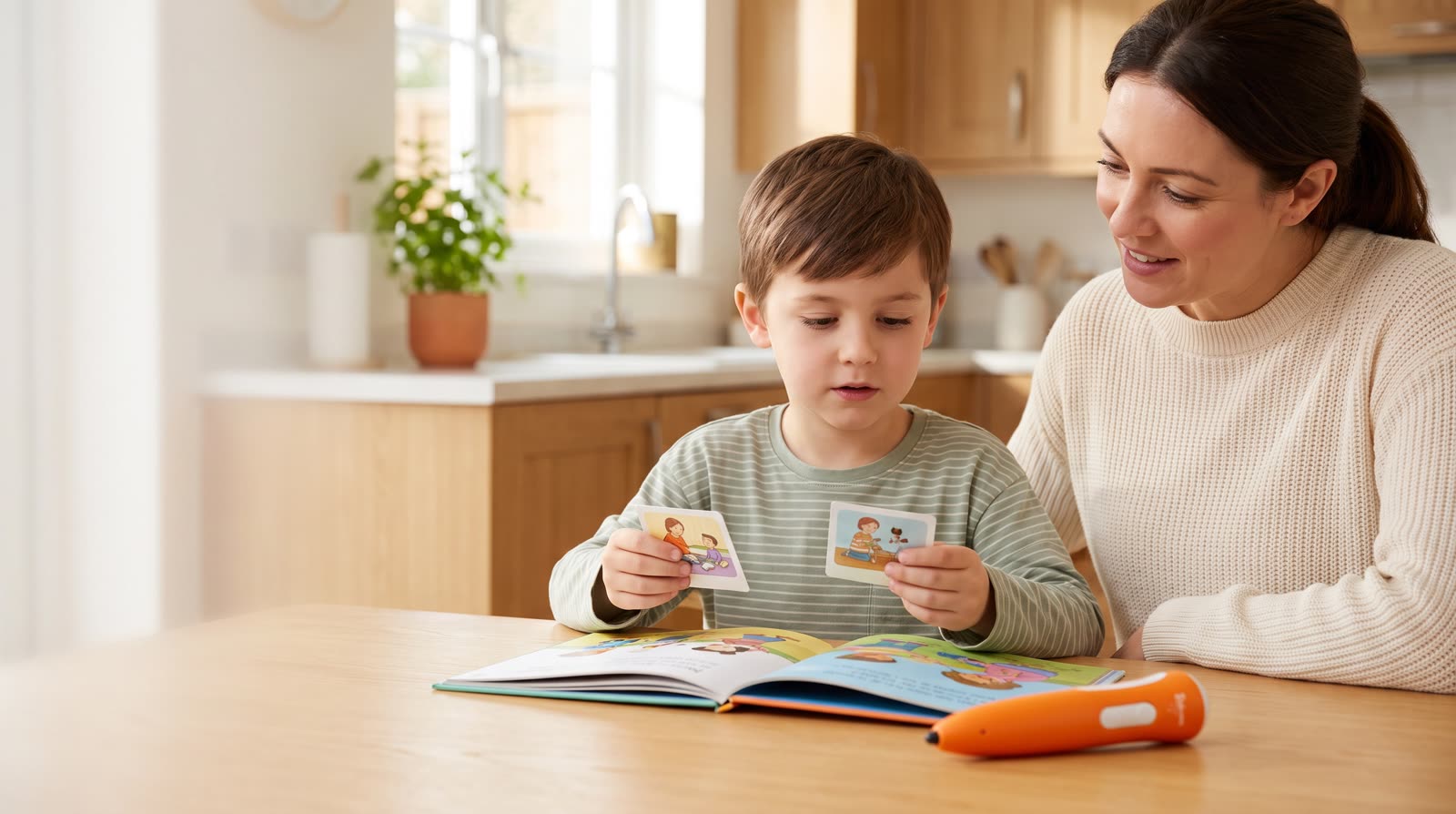
Simple touch control reading pens—devices designed to activate audio playback via minimal, intuitive point-and-tap or low-pressure tactile contact—offer valuable assistive scaffolding for children with dyslexia and early reading difficulties by reducing fine-motor friction and cognitive load. In modern educational landscapes, publishers, toy distributors, and institutional buyers face increasing demand for accessible learning solutions that cater to diverse developmental needs. However, assistive reading technology is not a standalone therapeutic cure, clinical treatment, or diagnostic tool. Its efficacy depends heavily on structured adult guidance, multi-sensory book design, and strict alignment with established educational frameworks recommended by organizations such as the International Dyslexia Association, Reading Rockets, and the American Academy of Pediatrics [1] [2] [4]. For B2B buyers, educational distributors, and publishers, understanding the intersection of hardware ergonomics, acoustic clarity, and inclusive instructional design is essential for sourcing effective assistive learning tools that meet rigorous international safety standards while genuinely supporting diverse learners [3]. This comprehensive guide analyzes the pedagogical, ergonomic, and manufacturing considerations required when evaluating simple touch control reading pens for children with dyslexia and early reading difficulties.
1. Understanding Dyslexia and Early Reading Difficulties in Educational Product Design
1.1 The Cognitive and Motor Challenges Faced by Struggling Readers
Dyslexia is a neurodevelopmental learning difference primarily characterized by difficulties with accurate and fluent word recognition, poor spelling, and phonological decoding abilities. For young learners encountering these hurdles, traditional reading environments can induce severe frustration, anxiety, and task avoidance. Beyond phonological processing deficits, many children with dyslexia also experience co-occurring challenges with fine-motor control, hand-eye coordination, and sustained attention span. When holding a conventional book or operating complex electronic learning gadgets, the sheer physical effort required can drain cognitive reserves that should otherwise be dedicated to language comprehension and phonetic decoding. B2B educational product developers must recognize that hardware design is never neutral; physical device interaction either exacerbates cognitive fatigue or actively reduces it. Designing accessible tools requires a deep appreciation of the physical and mental barriers struggling readers encounter every day in classroom and home environments, ensuring that assistive technology lowers barriers rather than introducing new ones.
1.2 How Assistive Reading Technology Bridges the Gap Without Overstimulation
Assistive reading technology serves as a vital bridge between written text and auditory comprehension. By providing synchronized dual-modal input—where visual characters are reinforced immediately by clear, high-fidelity spoken sound—children can map graphemes to phonemes more effectively and build orthographic mapping over time. According to guidelines published by the American Academy of Pediatrics on early literacy development, multi-sensory approaches significantly enhance engagement and comprehension for children facing developmental reading hurdles [2]. However, poorly designed gadgets burdened with flashing lights, complex multi-button navigation menus, or unpredictable touch sensitivities can cause sensory overload, alienating the very children they aim to assist. Therefore, maintaining a minimalist, distraction-free interface is a paramount requirement for B2B buyers sourcing assistive reading pens. Technology should recede into the background, allowing the child's natural curiosity and cognitive engagement with the story to take center stage without unnecessary sensory distractions.
2. Core Ergonomic and Usability Specifications of Simple Touch Controls
2.1 Low-Pressure Activation and Tactile Feedback Mechanics
The hallmark of a truly accessible reading pen for struggling readers is its touch activation mechanism. Traditional optical reading pens often require precise downward pressure or exact perpendicular alignment against microscopic dot codes printed on paper, which can frustrate children with fine-motor dysgraphia, muscle weakness, or hand tremors. Simple touch controls incorporate high-sensitivity optical sensors paired with resilient spring-loaded tips or capacitive touch rings that register light, forgiving contact from various angles. Furthermore, tactile feedback—such as a subtle, satisfying click sensation or gentle haptic confirmation—assures the child that the interaction has registered successfully, eliminating repetitive tapping and reducing physical strain during extended reading sessions. Manufacturers must engineer these touch mechanisms to withstand thousands of actuation cycles without losing sensitivity, ensuring long-term reliability in demanding institutional and classroom settings.
2.2 Minimizing Cognitive Overload Through Simplified Interface Design
Cognitive load theory emphasizes that working memory capacity is strictly limited in all learners, and especially so in children navigating reading difficulties. When a child must navigate confusing menus, adjust multiple toggle switches, or decipher cryptic indicator lights on a reading pen, their cognitive capacity for reading comprehension plummets. Simple touch controls streamline user interaction to its absolute essentials: tap to read, hold to repeat, and intuitive volume adjustment. By eliminating extraneous buttons and digital sub-menus, manufacturers create an environment of predictable, low-friction operation. Educational publishers and institutional buyers should prioritize devices that adhere to universal design principles, ensuring that children of all developmental backgrounds can operate the tool independently within seconds, fostering a vital sense of autonomy, confidence, and self-efficacy.
3. Pedagogical Alignment and Multi-Sensory Integration in Interactive Books
3.1 Pairing Audio Scaffolding with Visual and Tactile Textures
A reading pen is only as effective as the interactive picture books it accompanies. For children with dyslexia and early reading difficulties, book layouts must be meticulously engineered to complement auditory output. High-contrast typography, cream-tinted non-glare paper stock, generous line spacing, and avoidance of overly stylized or crowded fonts are foundational printing specifications. When these visual elements are paired with optical dot-code patterns that respond instantly to simple touch control pens, the learner experiences synchronized audio-visual reinforcement. This multi-sensory alignment reinforces decoding pathways in the brain, supporting fluency without overwhelming the child's processing capacity. Publishers must ensure that illustrations support contextual understanding without visually competing with the text blocks, maintaining clear visual hierarchies across every spread.
3.2 Human-Voice Narration vs. Synthetic Speech for Phonological Awareness
Phonological awareness requires exposure to natural cadence, expressive intonation, and accurate pronunciation. Synthetic computer-generated voices often lack emotional nuance, prosody, and natural pitch variation, which can confuse young readers or sound mechanical and disengaging. For children with reading difficulties, authentic human-voice narration recorded by professional voice actors in acoustic-grade studios is essential. Simple touch control pens must house high-capacity internal memory capable of storing uncompressed or high-bitrate audio files, ensuring crystal-clear playback without audio artifacts or latency. B2B distributors should verify audio production standards during sample evaluations to guarantee optimal pedagogical outcomes, ensuring that every spoken word models correct phonetic pronunciation and emotional resonance to encourage imitation and speech confidence.
ReadGlo project support
Request B2B Sample Kit
Explore ergonomic reading pens and multi-sensory interactive picture books designed for inclusive learning environments. Request your evaluation sample kit today.
4. B2B Procurement, Quality Control, and Manufacturing Standards
4.1 Sourcing Durable Optical Sensors and Safe Enclosures
Educational institutions, libraries, and retail toy distributors demand hardware built to withstand rigorous daily handling by young children. Sourcing reading pens requires strict scrutiny of component durability, particularly the optical sensor tip, housing shell, and internal circuit board soldering. Manufacturers must implement rigorous incoming quality control (IQC) and in-process quality control (IPQC) protocols to test sensor lens alignment, drop resistance, and switch lifecycle endurance. Enclosures should be molded from non-toxic, food-grade ABS or polycarbonate plastics featuring smooth, ergonomic contours free of sharp injection-molding burrs that could compromise child safety. Mechanical stress testing, such as simulated drop tests from standard desktop heights and repetitive tip actuation tests, is vital to verify structural integrity and long-term mechanical reliability in school environments.
4.2 Material Safety, Battery Compliance, and Regulatory Frameworks
Safety compliance is non-negotiable in international B2B trade. Children's electronic products must comply with stringent regulatory frameworks such as CPSIA (Consumer Product Safety Improvement Act) in the United States, EN71 standards in the European Union, and ASTM F963 safety specifications [3]. Battery safety is paramount: devices should feature secure, screw-fastened battery compartments for AAA configurations or certified rechargeable lithium-ion cells equipped with overcharge, over-discharge, and short-circuit protection circuits. Educational buyers must request complete documentation and independent laboratory test reports verifying compliance prior to confirming volume orders. Ensuring strict adherence to chemical safety limits, such as phthalate and heavy metal restrictions, protects both end-users and importing brands from regulatory non-compliance and legal liability.
5. Evaluation Protocols for Educational Distributors and School Suppliers
5.1 Conducting Sample Reviews and Usability Checks with Educators
Before committing to large-scale inventory purchases or publishing partnerships, B2B buyers must establish a structured sample evaluation protocol. This involves distributing sample reading pens and companion interactive books to special education teachers, speech-language pathologists, and early childhood literacy coordinators. Evaluators should assess specific operational metrics: activation latency, touch sensitivity across various paper stocks and printing inks, battery longevity during continuous playback, and acoustic clarity in noisy classroom environments. Gathering qualitative feedback from frontline educators ensures that procured products deliver genuine utility rather than superficial novelty, aligning commercial investments with real-world pedagogical needs and classroom constraints.
5.2 Evaluating Book-Pen Code Syncing and Firmware Reliability
The technical backbone of any reading pen system is the precision of its OID (Optical Identification) dot code decoding engine. If book pages are misprinted or firmware decoding algorithms are flawed, the pen may fail to recognize specific words or trigger incorrect audio files—a critical defect that damages brand reputation in the B2B market. Importers and distributors must verify that manufacturing partners utilize high-precision printing supervision (such as 600+ DPI OID code printing) and maintain robust firmware update pipelines. Ensuring flawless synchronization between physical book surfaces and digital audio packets is a fundamental requirement for long-term commercial success, customer satisfaction, and reduced return rates across all retail and institutional distribution channels.
6. Collaborative Workflows and Custom Publishing for Inclusive Learning
6.1 Partnering with OEMs for Tailored Firmware and Audio Packs
Many educational publishers and regional distributors seek differentiation through custom OEM (Original Equipment Manufacturer) and ODM (Original Design Manufacturer) partnerships. Collaborating with experienced manufacturers allows publishers to integrate proprietary curricula, localized language audio packs, and custom-branded hardware designs into their product lines. During the specification phase, publishers must establish clear design control documents detailing firmware behavior, volume limits to protect children's hearing, custom auto-sleep power-saving intervals, and localized packaging requirements that align with regional retail regulations. This collaborative approach ensures that final products precisely match target market expectations, cultural nuances, and curriculum standards.
6.2 Designing Accessible Picture Books for Special Education Markets
Creating interactive picture books tailored for children with dyslexia and reading difficulties requires specialized editorial and design expertise. Publishers should collaborate with developmental reading specialists to curate content featuring predictable sentence structures, rich contextual imagery, phonics-focused vocabulary progression, and integrated interactive games that test comprehension without inducing testing anxiety. By synchronizing custom OID audio codes with thoughtfully designed page layouts, publishers can offer schools and families a premium, evidence-aligned assistive reading ecosystem that stands out in competitive global markets, fostering inclusive learning opportunities for every child regardless of reading ability.
Frequently Asked Questions
Are simple touch control reading pens certified medical devices for diagnosing dyslexia?
No. Reading pens are consumer educational and assistive learning tools, not medical or diagnostic instruments. They do not diagnose, treat, or cure dyslexia or any learning disability. Formal evaluation, diagnosis, and specialized therapeutic interventions must be conducted by qualified educational psychologists, clinical specialists, or pediatric healthcare professionals in accordance with established clinical standards.
How do simple touch controls assist children with fine-motor difficulties compared to traditional buttons?
Simple touch controls utilize low-pressure optical sensors or capacitive contact points that require minimal physical force and forgiving alignment angles. This significantly reduces hand fatigue, frustration, and motor strain for children who struggle with fine-motor control, tremors, or dysgraphia, allowing them to focus entirely on listening and reading comprehension without physical hindrance.
What safety standards and regulatory compliance documents should B2B buyers request from manufacturers?
B2B buyers and educational distributors should request independent third-party laboratory test reports verifying compliance with international safety standards, including CPSIA and ASTM F963 for children's products in the United States, EN71 standards for European markets, and EMC/RoHS certifications for electronic hardware and battery safety [3].
Can publishers customize the audio content and firmware of reading pens for regional languages?
Yes. Experienced manufacturers offer OEM and ODM customization services, enabling publishers to upload proprietary multi-language audio files, adapt firmware settings (such as volume caps and auto-sleep timers), and design custom packaging tailored to specific regional curriculum requirements and linguistic contexts.
What paper and printing specifications are required for interactive books used with optical reading pens?
Interactive picture books require high-precision OID (Optical Identification) dot code printing (typically 600+ DPI) layered invisibly beneath illustrations and text. Publishers should use non-glare, matte paper stock (such as cream-tinted offset paper) to reduce eye strain, minimize light reflection, and ensure reliable optical sensor recognition across all pages.
Conclusion
In summary, reading pens equipped with simple touch controls represent a valuable, multi-sensory assistive tool that supports children with dyslexia and early reading difficulties by minimizing fine-motor friction and reducing cognitive overload. While they do not replace specialized instruction or clinical intervention, their thoughtful integration into inclusive picture books empowers struggling readers to engage with text independently and with confidence. For B2B educational publishers, toy distributors, and institutional buyers, successful market entry relies on rigorous manufacturer evaluation, adherence to international safety standards, and close collaboration with educational experts to ensure pedagogical integrity and hardware durability [1] [2] [3] [4].
Continue your research
Related reading pen buyer guides
Use these related guides to compare the next product, content, sourcing or channel decision in your project.
- Learning SupportEvaluating Human-Voice Narration Reading Pens for Children with ADHD: A Comprehensive B2B GuideRead this guide
- Learning SupportIs a Reading Pen with Slow Repeat Playback Suitable for Children with Bilingual Language Exposure?Read this guide
- Learning SupportEvaluating Short Interactive Activities in Reading Pens for Children with ADHD: A B2B Evaluation and Design FrameworkRead this guide
Sources used for further reading
Continue with ReadGlo
See a DOT-code picture-book set designed for guided early-learning programs.
ReadGlo project support
Contact Our OEM/ODM Team
Partner with experienced manufacturers to develop custom interactive reading systems and specialized picture book libraries for your educational distribution network.