
Contents
Introduction
When educational institutions, toy distributors, and retail brands evaluate early childhood learning products for global markets, understanding the total cost of ownership (TCO) is crucial. Two prominent categories dominate the modern early literacy landscape: optical reading pens paired with physical interactive books, and tablet-based digital learning applications. While both tools aim to foster language acquisition, phonics mastery, and independent exploration, their long-term financial trajectories differ significantly. This comprehensive analysis examines the structural differences in capital expenditure, recurring content expenses, hardware durability, maintenance overhead, and educational lifecycle value. By evaluating these factors through rigorous B2B procurement standards, buyers can make informed decisions that balance upfront investment with sustainable, long-term operational returns. For further insights into digital content quality standards, refer to Google's Creating Helpful Content Guidelines.
1. Initial Hardware Capital Expenditure and Obsolescence Cycles
Hardware Investment and Unit Economics
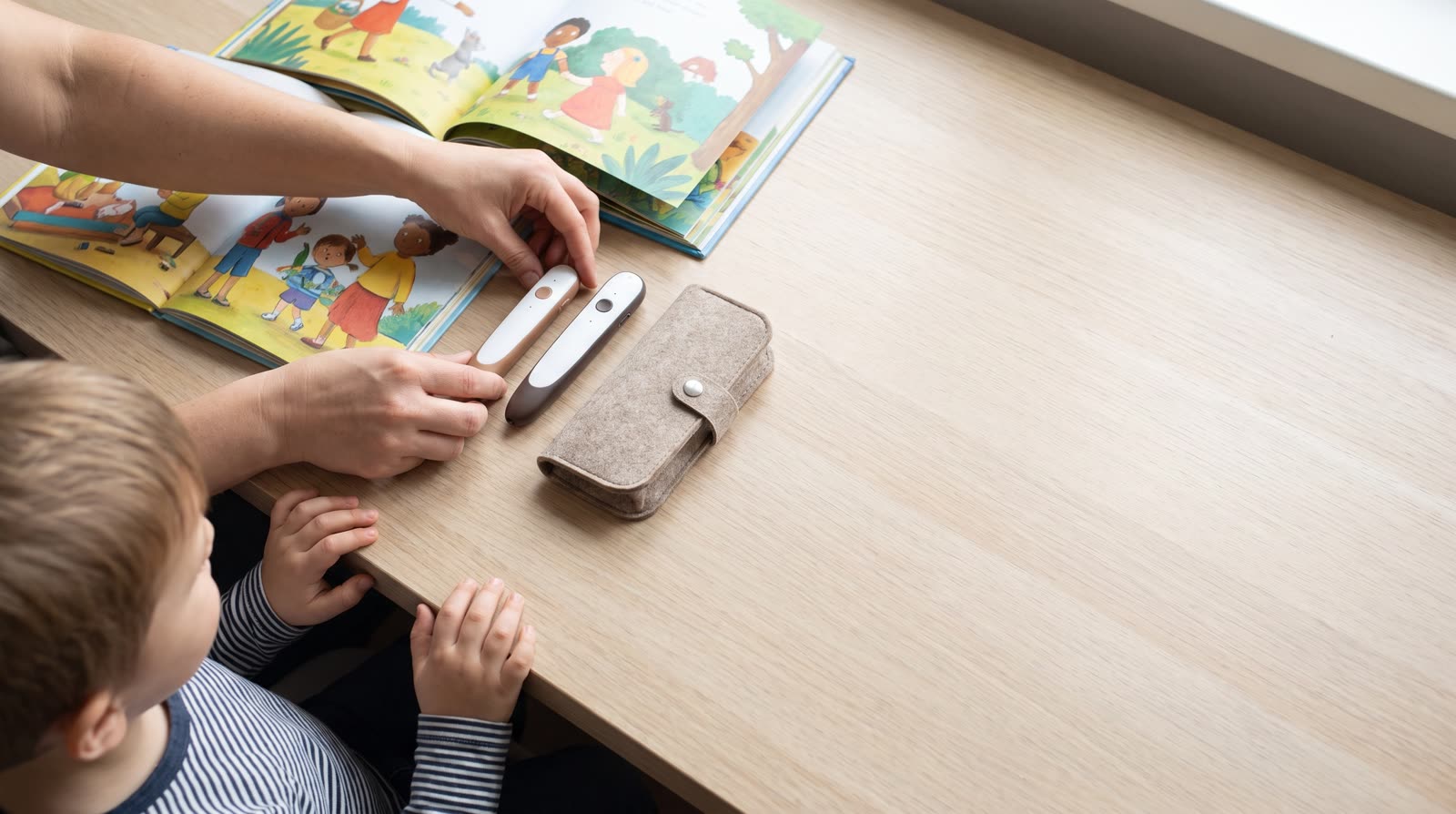
When comparing initial hardware costs, reading pens and tablet devices represent entirely different economic models. A dedicated talking pen is an engineered consumer electronic device housing an optical CMOS sensor, a high-frequency processor, internal flash memory, a rechargeable lithium-ion battery, and an integrated audio speaker. Because its core function is tightly focused on optical code recognition (Oid or DotCode) and audio playback, manufacturing costs remain stable and predictable across production batches. In contrast, tablet devices require multi-core processors, high-resolution multi-touch displays, complex power management integrated circuits, and advanced wireless communication modules. Consequently, the baseline capital expenditure for a reliable educational tablet is substantially higher than that of a standalone reading pen.
Technological Obsolescence and Operating System Lifecycle
A critical determinant of long-term cost is hardware obsolescence. Tablet learning apps are inherently tied to rapid software updates, operating system iterations (such as iPadOS or Android versions), and tightening security protocols. As software requirements advance, tablets frequently become slow, incompatible with newer educational applications, or unsupported by security patches within three to five years, necessitating costly replacements. Conversely, optical reading pens operate on stable embedded firmware that does not rely on third-party operating systems or frequent OS updates. Once manufactured and firmware-optimized, a reading pen maintains functional relevance throughout its physical lifespan, significantly reducing long-term replacement frequency for families, schools, and institutional buyers.
2. Recurring Content Expenses: Physical Book Bundles vs. Digital Subscriptions
Subscription Fatigue and Digital App Monetization
The ongoing financial commitment required by tablet learning apps is typically driven by recurring subscription models. Most premium educational apps operate on monthly or annual SaaS (Software as a Service) subscription tiers, often accompanied by in-app purchase prompts for specialized curriculum modules, virtual rewards, or ad-free experiences. Over a three-to-five-year educational window, cumulative subscription fees can far exceed the initial cost of the device itself. Furthermore, if a subscription lapses, access to foundational learning content is frequently revoked, leaving the user with a locked digital ecosystem.
Physical Book Expansion and Asset Retention
In contrast, interactive reading pen ecosystems rely on physical book bundles and downloadable audio files. When a buyer or educational institution purchases a talking pen set, the companion books—such as phonics workbooks, science encyclopedias, and bilingual storybooks—are permanent physical assets. Expanding the child's learning library involves purchasing additional book sets without ongoing subscription fees or recurring digital licenses. Physical books can be reused across multiple children, shared within classrooms, or resold in secondary markets, offering a higher residual asset value and predictable, one-time content expansion costs.
3. Maintenance, Durability, and Safety Compliance Overhead
Physical Durability in Early Childhood Environments
Toddlers and early learners subject learning tools to rigorous physical handling, including drops, spills, and impact. Tablets feature large glass touchscreens that remain highly susceptible to shattering upon impact, requiring expensive screen repairs or complete unit replacements. Reading pens are encased in durable, drop-tested ABS or food-grade silicone shells with minimal moving parts and no fragile glass displays. This robust physical design minimizes accidental damage rates, lowering long-term maintenance and warranty claim costs for B2B distributors and institutional buyers.
Battery Safety and Compliance Standards
Power management and electrical safety represent essential operational considerations. Both devices rely on internal rechargeable batteries, but tablets draw significantly more power, leading to shorter daily battery life cycles and accelerated battery degradation over several years. For product safety assurance, B2B buyers must ensure compliance with international child safety standards. According to safety advisories from the U.S. Consumer Product Safety Commission (CPSC), children's electronic devices must undergo rigorous structural integrity and thermal testing. Users are advised to perform low-risk external inspections only, avoid unauthorized device disassembly, and immediately discontinue use and charging if moisture, structural damage, abnormal heat, swelling, leaking, or smoke is detected, contacting the manufacturer or qualified service channels for support.
ReadGlo project support
Request B2B Product Catalog
Explore ReadGlo's comprehensive range of durable, screen-free talking pens and interactive book bundles designed for global educational markets.
4. Pedagogical Value, Screen Time, and Long-Term Developmental ROI
Screen-Free Engagement and Cognitive Focus
When evaluating long-term value, financial cost cannot be separated from developmental impact. Excessive screen exposure in early childhood has been associated with reduced attentional control and sensory fatigue. The American Academy of Pediatrics (AAP) emphasizes the critical importance of interactive, shared reading and responsive adult-child communication over passive or distracting screen-based media. Reading pens provide a fully screen-free tactile experience where children interact directly with real paper, ink, and physical books, fostering deep focus, tactile-kinesthetic integration, and authentic book-handling skills.
Supporting Diverse Learners and Special Educational Needs
For children with varying learning paces, early reading difficulties, or bilingual language exposure, structured audio support can be transformative. However, reading pens and interactive tools should be viewed as supportive learning aids rather than clinical diagnostic or therapeutic treatments. Educators and specialists emphasize that when addressing specific developmental or learning challenges, adult participation and consultation with qualified educators or clinical professionals remain essential. Reading pens offer self-paced, repeatable audio playback that allows children to listen to correct pronunciation as many times as needed without the sensory overload or distracting pop-ups typical of tablet environments.
5. B2B Procurement, Specification Review, and Risk Mitigation Framework
Conducting Rigorous Specification and Sample Reviews
For B2B importers, educational distributors, and retail buyers, selecting between reading pen programs and digital app partnerships requires a structured procurement protocol. Buyers must conduct comprehensive specification reviews, sample evaluations, and pre-shipment quality checks. Key parameters include optical recognition accuracy (ensuring Oid codes match audio files flawlessly), speaker acoustic clarity, book binding durability, and non-toxic material certifications. Establishing clear written terms with manufacturers regarding warranty coverage, firmware stability, and book-code compatibility prevents costly post-sale disputes.
Evaluating Total Cost of Ownership Across Distribution Channels
When pricing products for retail or institutional distribution, buyers should calculate the Total Cost of Ownership (TCO) across a three-year horizon. Tablet apps involve software licensing fees, server hosting overhead, and high customer support volume related to app crashes and account logins. Reading pen programs involve straightforward logistics: a one-time hardware cost, stable physical book inventory, and low return rates due to superior physical durability. By aligning product offerings with consumer demand for screen-free, cost-predictable learning tools, B2B partners can secure sustainable market positioning and strong profit margins.
Frequently Asked Questions
Are reading pens cheaper than tablet apps in the long run?
Generally, yes. While a reading pen requires an initial hardware purchase, its long-term cost remains stable because there are no recurring subscription fees or operating system upgrade cycles. Tablet apps frequently involve ongoing monthly subscriptions and frequent hardware obsolescence.
Do reading pens require internet connectivity or ongoing software updates?
Most optical reading pens operate entirely offline using pre-loaded audio files or downloadable book packages stored on internal memory or micro-SD cards, eliminating ongoing data or cloud hosting expenses.
Can physical books used with reading pens be shared or resold?
Yes. Unlike digital app licenses that are tied to a single user account or device, physical interactive books are durable assets that can be shared among siblings, used across multiple classroom cohorts, or resold.
What safety precautions should be observed with electronic learning toys?
Buyers and users should follow CPSC safety guidelines, conduct low-risk external inspections, avoid unauthorized disassembly, and immediately stop using or charging any device that exhibits abnormal heat, swelling, or damage.
How should B2B buyers evaluate reading pen suppliers?
B2B buyers should request physical product samples, verify optical code printing precision, inspect acoustic quality, check safety and environmental certifications, and review written warranty and supply agreement terms.
Conclusion
In summary, while tablet learning apps offer dynamic digital interfaces, their long-term cost is frequently amplified by recurring subscription fees, rapid hardware obsolescence, and screen-maintenance overhead. In contrast, reading pens and interactive book bundles provide a cost-predictable, durable, and screen-free educational solution that aligns with professional pediatric guidelines and sustainable B2B procurement models. By prioritizing tactile engagement, robust hardware longevity, and straightforward content expansion, educational brands and distributors can deliver exceptional value to families and schools worldwide.
Continue your research
Related reading pen buyer guides
Use these related guides to compare the next product, content, sourcing or channel decision in your project.
- Product ComparisonBrand-Specific Reading Pen vs. Universal Scanning Pen: Evaluating Long-Term Costs for B2B Educational BuyersRead this guide
- Product ComparisonWhat Is the Difference Between a Reading Pen and a Tablet Learning App in Terms of Screen-Free Use?Read this guide
- Product ComparisonBrand-Specific Reading Pens vs. Universal Scanning Pens for Toddlers: Evaluating Independent Usability for B2B ProcurementRead this guide
Continue with ReadGlo
See product specifications and request model-specific documentation.
ReadGlo project support
Get a Custom Wholesale Quote
Contact our B2B team to discuss your market specifications, custom packaging needs, and volume pricing for interactive reading solutions.