Contents
Introduction
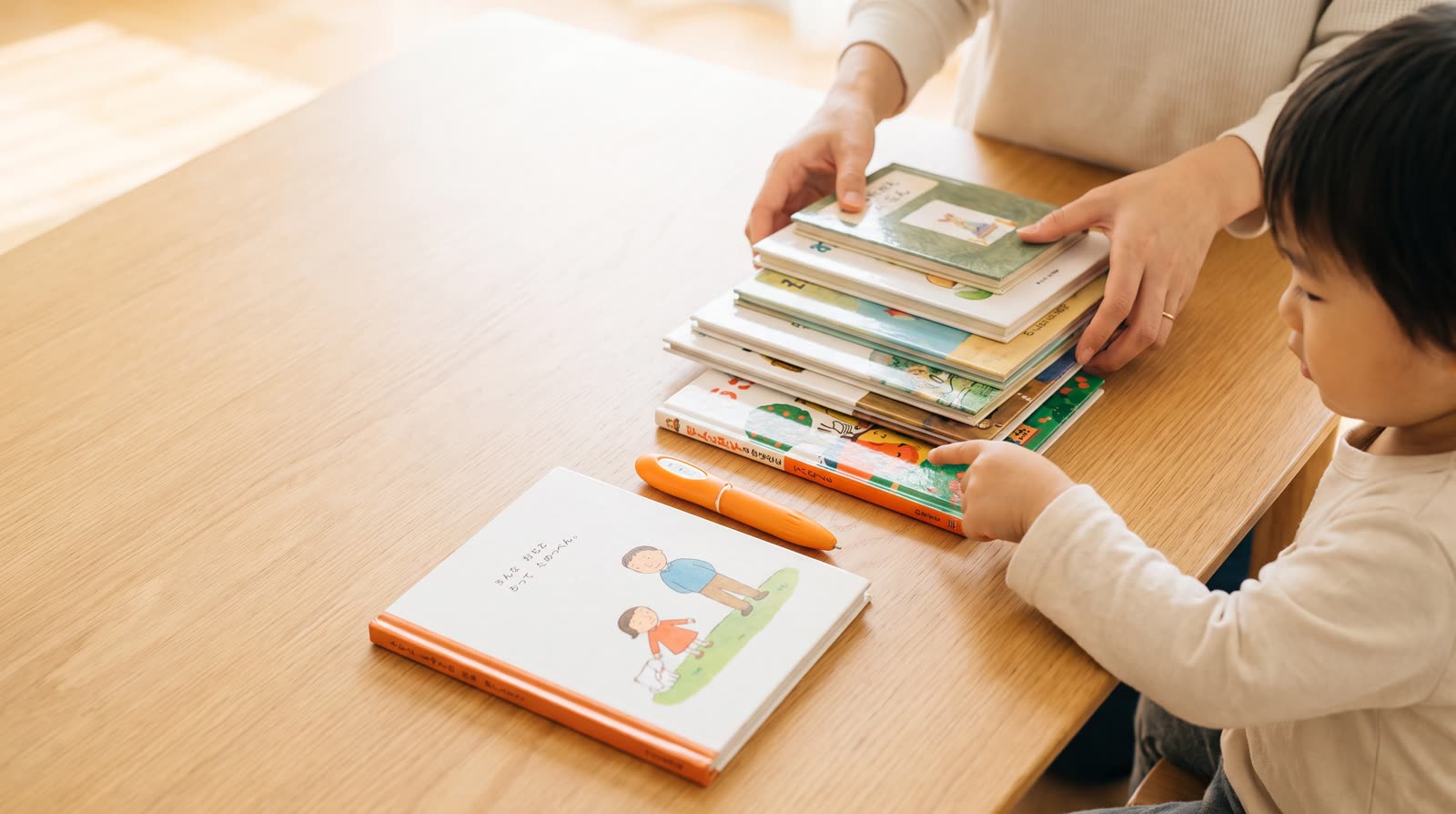
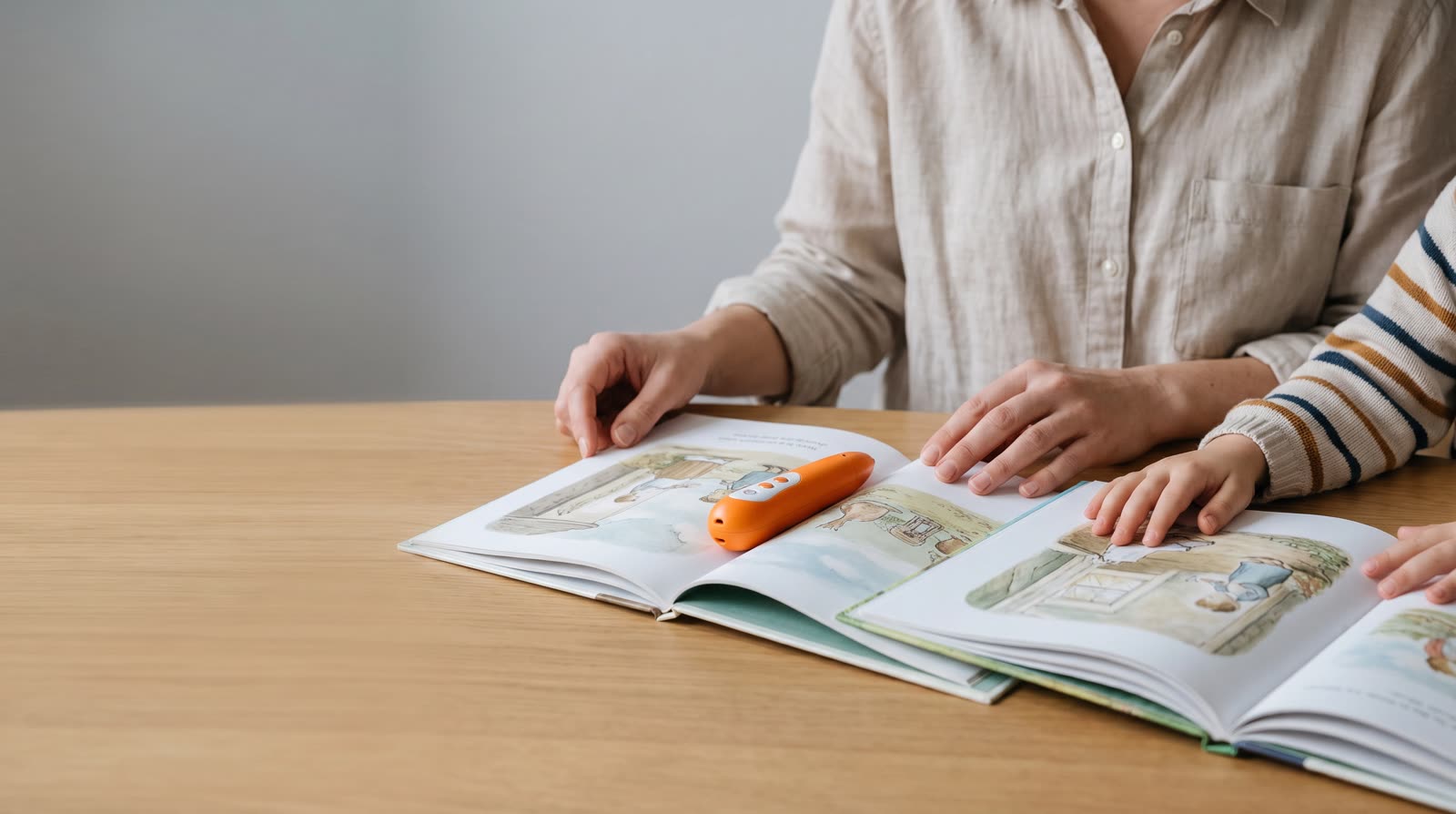
In modern educational publishing, toy manufacturing, and international distribution, evaluating the technical and structural differences between talking picture books and ordinary picture books is a fundamental requirement for B2B buyers. An ordinary picture book relies exclusively on traditional typography, offset printing inks, and visual illustrations to convey narratives, stimulating young learners through static imagery and parent-guided storytelling. In contrast, a talking picture book integrates invisible optical dot identification (OID) codes, RFID markers, or digital watermarks alongside printed text and artwork. This specialized dual-print architecture enables children and educators to tap the pages using an interactive electronic reading pen, instantly triggering synchronized audio narration, sound effects, multilingual vocabulary support, and interactive quizzes. When examining content compatibility—the capacity of educational materials to integrate, function, and remain synchronized across digital-physical hardware ecosystems—the divergence between talking picture books and ordinary picture books is profound. Ordinary books lack any digital data layer, rendering them entirely unresponsive to electronic reading pens and audio accessories. Talking picture books, however, demand meticulous alignment across optical dot encoding standards, audio file firmware (.dat or .bnk formats), publisher licensing agreements, preprint color tolerances, and paper stock opacity. This comprehensive B2B guide provides publishing houses, toy distributors, school procurement officers, and retail buyers with an in-depth analysis of content compatibility, sample evaluation frameworks, and manufacturing best practices, ensuring informed decision-making without relying on unverified claims or specific proprietary production metrics.
Core Definitions and Technical Anatomy of Content Compatibility
Optical Dot Encoding (OID) vs. Traditional Offset Printing
Ordinary picture books are manufactured using standard four-color (CMYK) offset or digital printing technologies whose primary objective is visual fidelity, color vibrancy, and tactile paper feel. The printed content is entirely static, functioning independently of external hardware. Talking picture books, on the other hand, require a sophisticated dual-print architecture. Beneath or interspersed within the visible CMYK artwork and typography, an additional layer of micro-dots—known as Optical Identification (OID) codes—is printed using carbon-based or specialized infrared-absorbing black inks. These microscopic patterns encode precise page coordinates, block IDs, and interactive audio triggers that an optical sensor inside an electronic reading pen scans in milliseconds. From a content compatibility perspective, ordinary books lack this invisible data layer entirely, meaning an interactive reading pen cannot recognize page coordinates or initiate audio playback when tapped on ordinary paper. Conversely, talking picture books demand strict prepress printing tolerances: dot density, ink absorption rates, and dot contrast must meet rigorous optical thresholds so that different pen sensor generations and hardware brands can decode the OID patterns without read errors, skipping, or latency issues.
Audio File Mapping and Firmware Versioning
Content compatibility also extends far beyond the physical printed page into the digital realm of audio file mapping and firmware versioning. In an ordinary picture book, the narrative boundary is defined strictly by the printed words on the physical page, requiring no digital updates or software synchronization. In a talking picture book, every interactive touchpoint—ranging from individual syllables and words to complex character dialogues, musical interludes, and comprehension questions—must be meticulously mapped to specific OID coordinate addresses within a compiled audio resource file. If a publisher decides to update a book's storyline, revise sentence structures, or correct minor translation errors during a subsequent print run, the corresponding audio firmware (typically loaded onto the reading pen's internal flash memory or external micro-SD card) must be updated simultaneously. Mismatched firmware versions create severe content incompatibility: tapping a newly revised illustration will trigger incorrect narration, outdated dialogue, or complete audio silence. Consequently, B2B publishers and distributors must establish rigorous version control protocols that link physical book print batches directly to verified digital audio resource packages.
Publisher Licensing, Audio Codecs, and Multi-Brand Interoperability
Proprietary vs. Open-Architecture OID Codings
A critical challenge in educational toy procurement and publishing partnerships is achieving multi-brand content interoperability. Many major reading pen manufacturers and edtech companies utilize proprietary OID encoding algorithms and encrypted matrix structures (such as Sonix, Real, or custom-engineered OID grids). Consequently, a talking picture book printed with Brand A's proprietary OID encoding will completely fail to operate when tapped with Brand B's reading pen, even if both hardware devices appear identical on the outside and feature similar exterior styling. For international distributors and retail buyers, understanding this vendor lock-in is vital. Open-architecture or multi-protocol OID solutions allow greater content compatibility across universal pen platforms, whereas closed ecosystems require end-users to purchase specific hardware tied exclusively to a single publisher's book catalog. Procurement teams must clarify OID format compatibility, licensing rights, and decoder chip integrations during the initial sample evaluation phase to prevent inventory mismatch and customer dissatisfaction.
Localization, Multilingual Audio Files, and Data Layering
Unlike ordinary picture books, which require separate physical print runs for each language edition (such as English, Spanish, French, or Mandarin), talking picture books offer advanced content compatibility through digital multilingual data layering. A single physical talking book featuring standardized OID dot codes can support multiple language audio tracks loaded concurrently onto the reading pen. By switching language modes on the pen interface, a child or educator can tap the exact same illustration and instantly hear narration in English, Spanish, or a second target language. However, maintaining seamless content compatibility across multilingual audio files requires careful script length management, voice talent synchronization, and audio file compression (such as ADPCM or optimized MP3 bitrates) to fit within internal hardware memory limits while preserving natural human voice inflection and acoustic clarity. Publishers must verify that audio compression standards align with the hardware decoding specifications of target market distribution channels to ensure reliable performance.
B2B Procurement Evaluation: Sample Testing and Specification Verification
Pre-Production Sample Testing for Audio-Visual Synchronization
Before committing to volume production, long-term supply agreements, or large-scale educational distribution contracts, procurement professionals must conduct thorough pre-production sample evaluations. This evaluation workflow involves inspecting dummy book proofs and prototype reading pens side by side to test OID recognition accuracy across all page spreads. Quality assurance teams verify that rapid tapping does not cause audio lag, that multi-point touch regions (such as interactive character dialogues, margin games, or hidden sound buttons) trigger correct audio responses without crosstalk, and that varying ambient lighting conditions do not interfere with the pen's infrared optical sensor. Establishing objective acceptance criteria and standardized testing protocols during the sample review phase prevents costly post-production recalls, reduces warranty claims, and ensures a consistent end-user experience across retail, wholesale, and institutional channels.
Evaluating Paper Stock, Coating, and Dot Readability
Paper selection directly impacts the content compatibility, optical readability, and physical durability of talking picture books. While ordinary picture books frequently utilize high-gloss or heavily textured art paper to maximize visual pop, talking picture books require matte, satin, or low-glare coatings. Excessive gloss reflection scatters the infrared light emitted by the reading pen's optical sensor, leading to read errors, missed triggers, and user frustration. Furthermore, paper thickness (basis weight in GSM) and sheet opacity must be strictly controlled to prevent ink bleed-through from underlying pages interfering with OID dot layers. B2B buyers should review paper mill specifications, basis weight ratings, and anti-glare certifications during supplier qualification to ensure that printed OID codes remain 100% readable over repeated handling by young children in classrooms and homes.
ReadGlo project support
Request Product Catalog
Explore ReadGlo's certified interactive picture book collections, custom OID printing solutions, and OEM/ODM reading pen bundles designed for global publishers and distributors.
Supply Chain Considerations for Distributors, Schools, and Retailers
Managing SKU Complexity and Firmware Updates
Distributing talking picture books introduces unique supply chain, inventory management, and digital asset coordination complexities compared to ordinary books. While ordinary books remain static throughout their commercial lifecycle, talking books depend on an active, ongoing digital ecosystem. Distributors must manage paired SKUs—effectively combining physical book bundles with corresponding audio download links, companion app integrations, or pre-loaded pen firmware. Furthermore, educational institutions, libraries, and retail buyers need clear operational protocols for handling firmware updates when publishers release expanded vocabulary packs, corrected audio files, or curriculum enhancements. Establishing a centralized, secure digital repository for audio resources ensures that end-users and educators can easily synchronize their reading pens with newly acquired book titles, maintaining uninterrupted content compatibility over time.
Quality Control Protocols and Pre-Shipment Inspection (PSI)
To maintain high standards of content compatibility, manufacturing consistency, and product reliability, B2B buyers should implement stringent Pre-Shipment Inspection (PSI) protocols aligned with international quality management standards. PSI checklists for talking picture book sets should include random optical scan tests using standardized reading pens across multiple production batches, inspection of binding durability (such as reinforced Smyth sewn binding for heavy board books and paperback sets), verification of non-toxic ink certifications, and packaging drop-tests. As emphasized in consumer product safety education guidelines, maintaining rigorous oversight during manufacturing protects brand reputation, ensures compliance with global safety expectations, and safeguards young users (CPSC, 2026).
Pedagogical Integration and Child Development Standards
Supporting Early Literacy without Disrupting Natural Engagement
From an educational and developmental perspective, talking picture books serve as valuable interactive tools that bridge independent exploration and adult-guided learning. Unlike ordinary picture books, which rely entirely on parents, caregivers, or teachers to read aloud, talking pens provide consistent, high-quality audio pronunciation, phonics reinforcement, and vocabulary support. However, educational experts and pediatric guidelines emphasize that interactive media and audio tools should complement—not replace—active adult-child interaction. Parents and educators should engage in shared reading practices, asking open-ended questions about the story narrative rather than passively allowing the reading pen to manage the entire learning session. Maintaining this balanced approach fosters deeper cognitive engagement and social-emotional growth (AAP, 2026).
Aligning with Educational Frameworks and Authoritative Guidance
When designing or selecting talking picture book curricula and reading pen sets, publishers and school procurement buyers must align their content with recognized early childhood development milestones and educational frameworks. According to guidance from authoritative organizations such as Reading Rockets, the American Academy of Pediatrics, and early literacy research bodies, educational materials should foster listening comprehension, print motivation, phonemic awareness, and narrative skills. Ensuring high content compatibility between interactive audio tools and established early learning frameworks helps educators integrate talking books seamlessly into preschool classrooms, kindergarten programs, and home reading routines, supporting diverse learners effectively.
Frequently Asked Questions
Can ordinary picture books be converted into talking picture books simply by downloading a mobile app?
No. Ordinary picture books lack the invisible optical dot identification (OID) codes printed alongside the artwork and text during offset manufacturing. Without this specialized OID data layer, an interactive reading pen cannot recognize page coordinates or trigger audio playback. Converting an ordinary book requires prepress digital redesign, OID dot overlay printing with infrared-absorbing inks, and custom audio file programming.
Will a talking picture book from one publisher work with any brand of reading pen on the market?
Not necessarily. Content compatibility depends heavily on the OID encoding format, matrix grid, and firmware architecture used by the pen manufacturer. Many brands use proprietary encryption or specific OID standards (such as Sonix or proprietary formats). B2B buyers must verify whether books are compatible with open-architecture pens or restricted to specific hardware ecosystems.
What paper type and coating are recommended for printing talking picture books to ensure optical sensor readability?
Matte, satin, or low-glare paper stocks with high opacity are strongly recommended. Excessive gloss reflection scatters the infrared light emitted by reading pen sensors, causing read failures and latency. Paper thickness (GSM) must also be optimized to prevent ink bleed-through from underlying OID dot layers.
How should publishers and distributors manage audio firmware updates for new book titles in international markets?
Publishers should provide secure, centralized digital repositories or companion software tools where distributors and end-users can download updated audio resource files (.dat or .bnk formats) and transfer them to reading pens via USB or micro-SD cards, ensuring perfect synchronization between printed pages and audio files across all regional editions.
Where can B2B buyers find official guidelines regarding children's product safety, non-toxic inks, and manufacturing standards?
B2B manufacturers, publishers, and distributors can consult the U.S. Consumer Product Safety Commission (CPSC) educational resources at https://www.cpsc.gov/Business--Manufacturing/Business-Education/Childrens-Products for comprehensive guidance on children's product compliance, safety testing, and manufacturing compliance standards.
Conclusion
In summary, while ordinary picture books rely exclusively on traditional visual typography and static illustrations, talking picture books introduce a sophisticated digital-physical hybrid architecture defined by optical dot encoding, audio file firmware mapping, and publisher licensing protocols. For B2B publishers, distributors, and educational buyers, understanding content compatibility across OID formats, printing specifications, and firmware versions is critical for successful product procurement and distribution. By enforcing rigorous pre-production sample evaluations, partnering with reliable manufacturing specialists like ReadGlo, and aligning product development with established pedagogical guidelines, stakeholders can deliver high-quality, engaging, and durable interactive learning experiences for children worldwide.
Continue your research
Related reading pen buyer guides
Use these related guides to compare the next product, content, sourcing or channel decision in your project.
- Product ComparisonComparing Learning Value: Talking Picture Books Versus Ordinary Picture Books in Early Childhood EducationRead this guide
- Product ComparisonWhat is the Difference Between A Talking Picture Book and An Ordinary Picture Book in Terms of Independent Use by Toddlers?Read this guide
- Product ComparisonWhat is the Difference Between a Talking Picture Book and an Ordinary Picture Book in Terms of Long-Term Cost?Read this guide
Continue with ReadGlo
See product specifications and request model-specific documentation.
ReadGlo project support
Get a Quote
Contact our B2B engineering and sales team today to discuss custom OID coding, audio file integration, and bulk book publishing specifications tailored to your market.