01
Identify the exact edition and use case
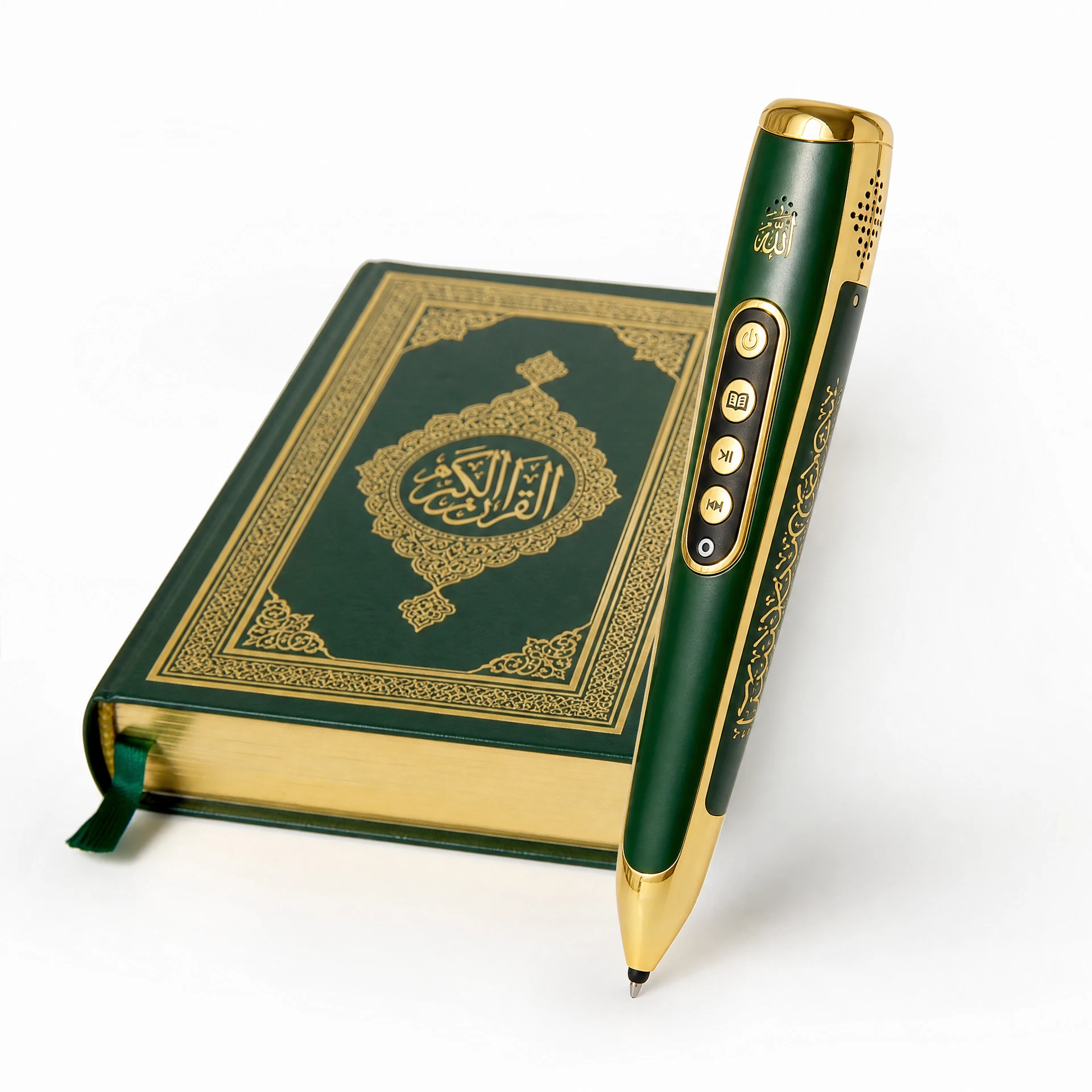
Name the intended edition, publisher, printed-material version, audience and destination market. Specify what the user should select and hear without assuming word-level recognition, verse selection or universal book compatibility. Verify the proposed architecture, controls and actual functions using the selected pen and representative authorized printed pages.
02
Build an item-by-item permissions register
List text editions, script and layout assets, translations, commentary, illustrations, recordings and recitations separately. For every item, record the rightsholder, territory, medium, language, term, attribution and written permissions. Identify permitted reproduction, device loading and distribution uses as applicable. An available file or a published recording is not evidence of permission.
03
Assign editorial and religious review owners
Name the buyer-appointed reviewers for script accuracy, translations, recitation references, mapping and packaging text. Define their authority, required evidence and written sign-off steps. Technical sample acceptance cannot replace their review; neither this listing nor a proposed sample confers religious approval, endorsement or permission to use a recording.
04
Review a controlled pen-and-print sample
Agree permitted test inputs and a page-to-response checklist, with version identifiers for the pen, print and any buyer-authorized files. Record mismatches and retest changes before acceptance. Assess power, handling and packaging on the actual sample. Keep content permissions, functional checks and final release approval as distinct records.
05
Define presentation and market release
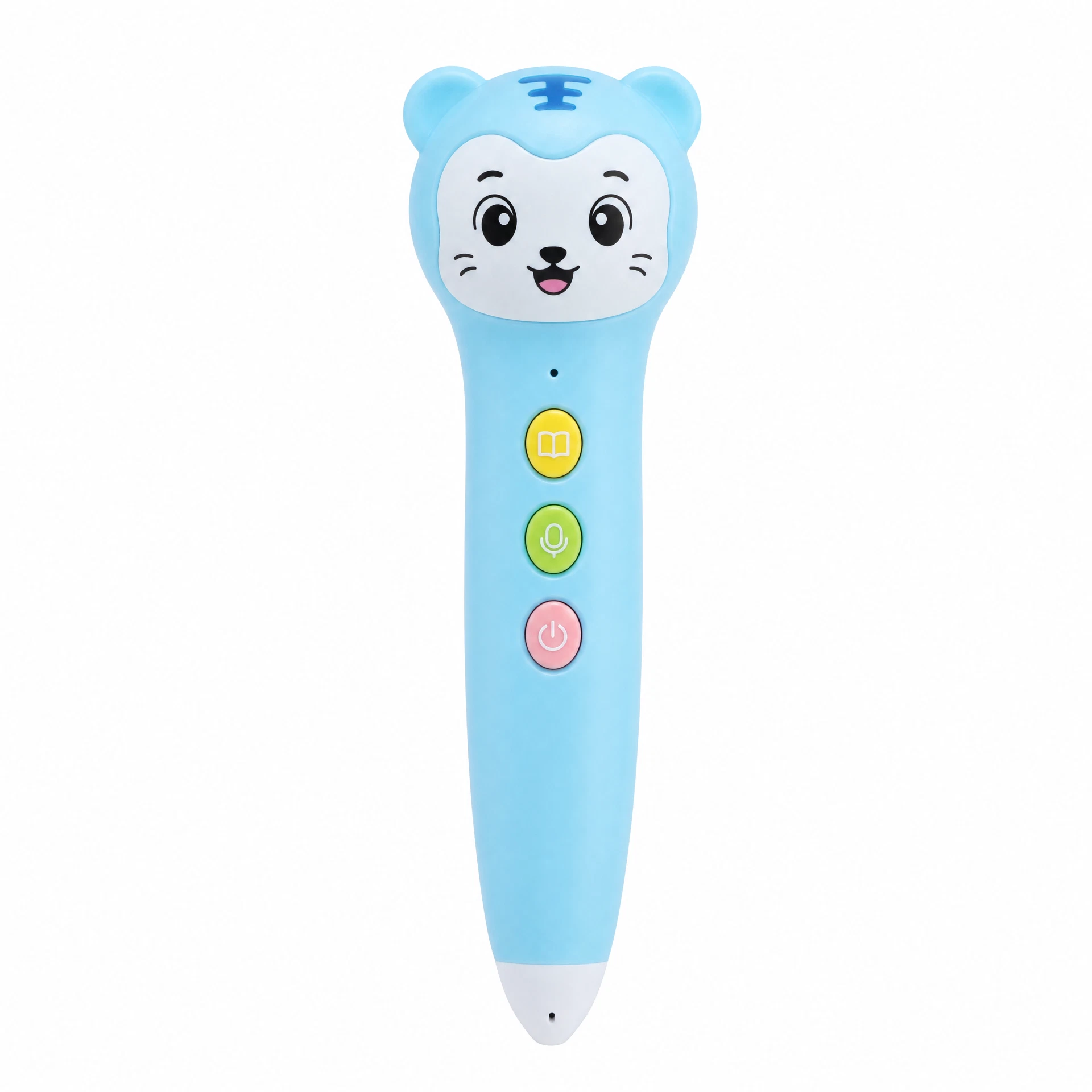
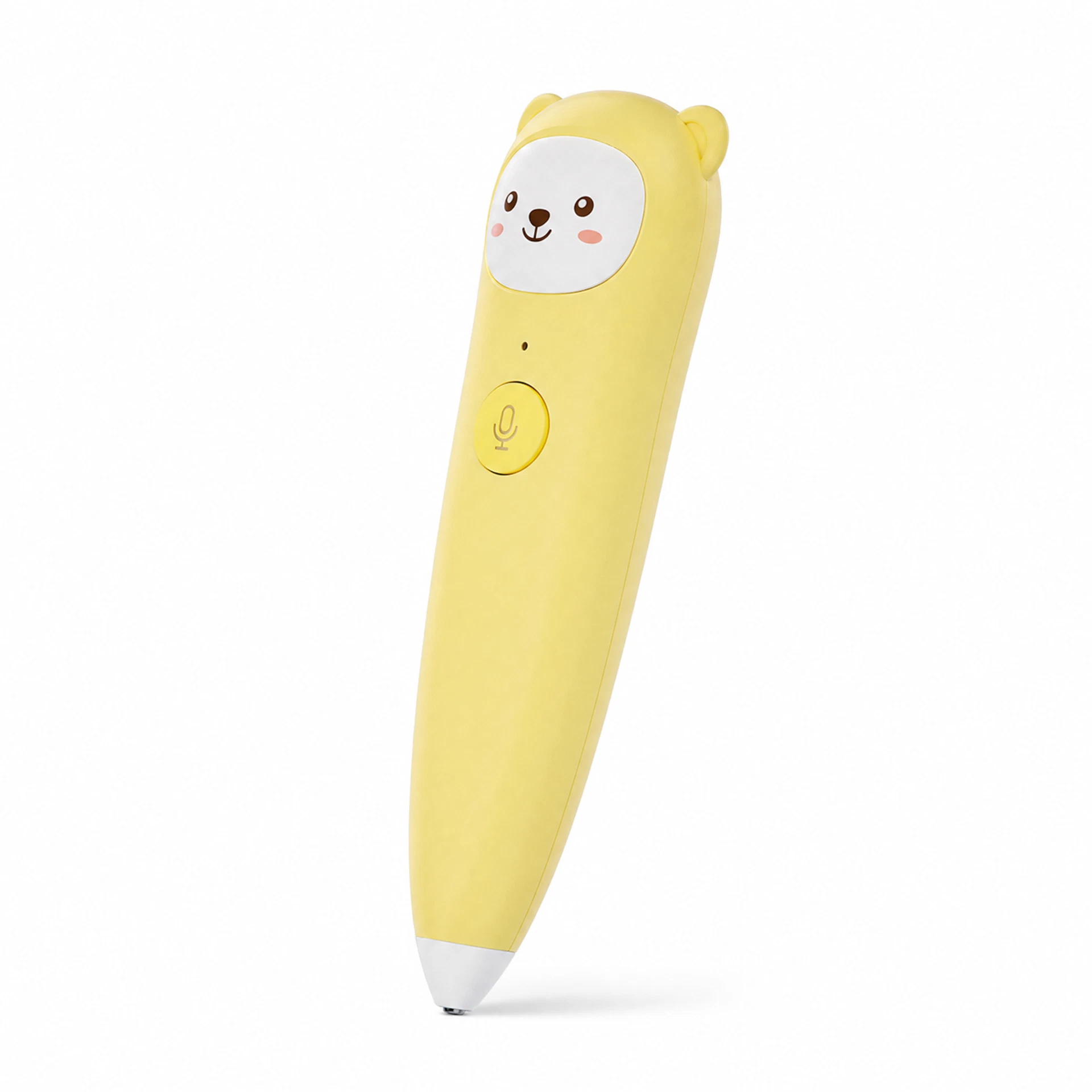
Discuss housing finish, non-script decoration, packaging, accessories and instructions as requested scope, not included specifications. Confirm the final product, intended age context, power route, transport obligations and destination-market evidence. Seek a dated quotation stating quantities, exclusions and approval dependencies rather than relying on catalogue specifications, indicative timing or certification claims.