
Sound-book category project planning / B2B project planning

Which sound-book route fits your title plan?

Build a comparable brief for custom sound books before selecting a format. Choose the intended reading interaction, organize title and language editions, and estimate units for each version. Then identify the editorial files and sample decisions needed to define a useful quotation.

A focused brief for feasibility, samples and written quotation scope — not a ready-to-order configuration.

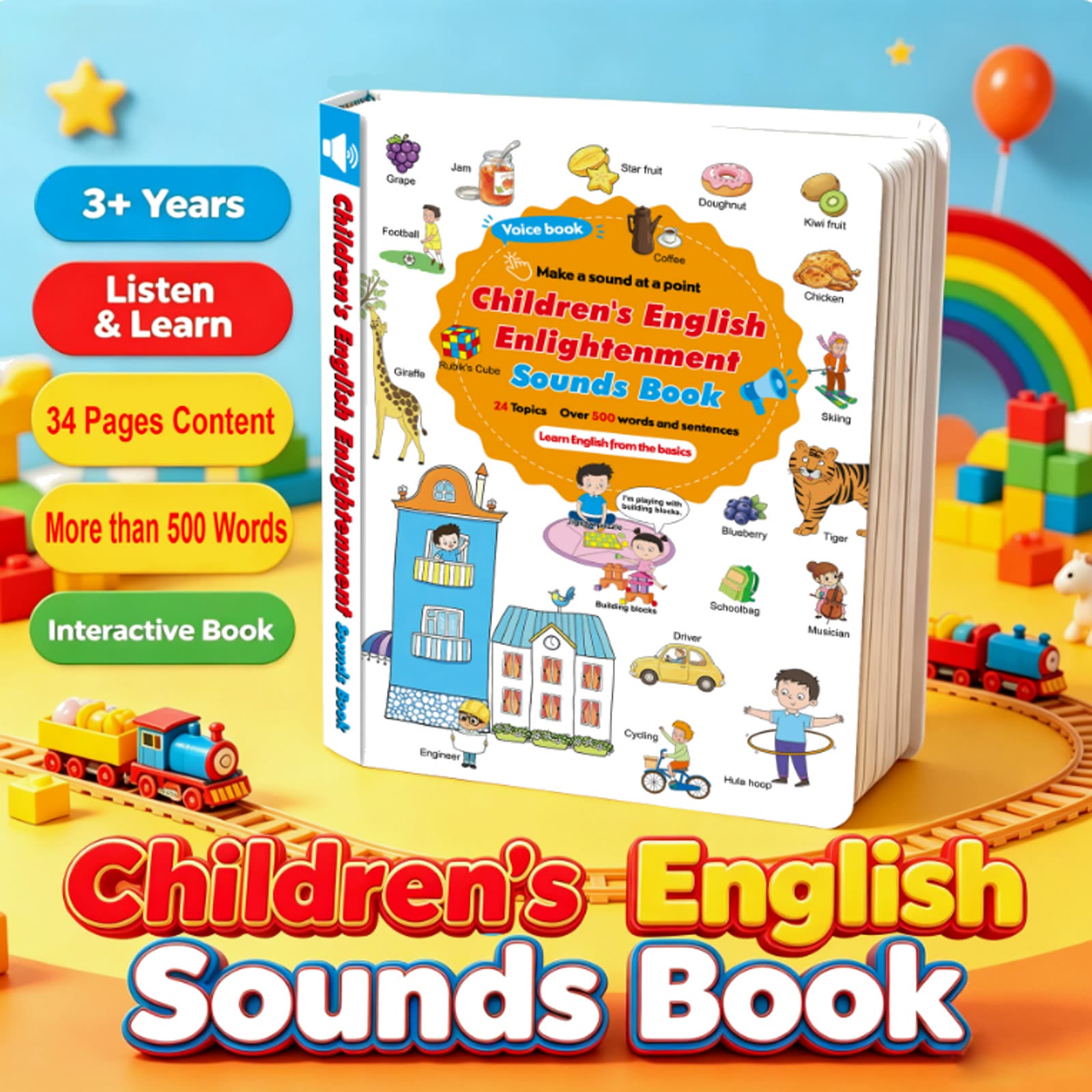
Children’s English Entertainment Sound Book catalog reference
Catalog image reference: Children’s English Entertainment Sound Book.

01 / Compare directions

Catalog images for your subject brief

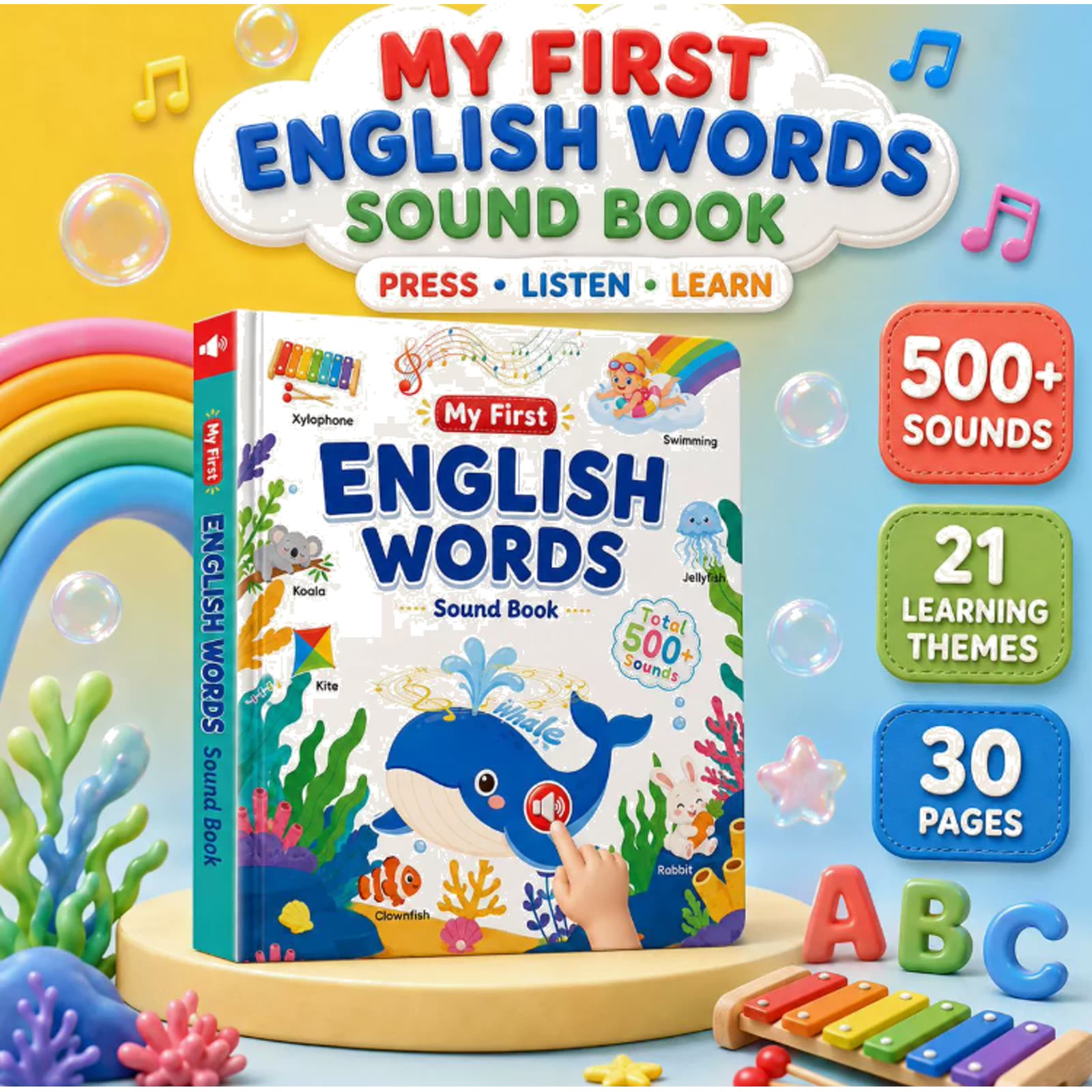
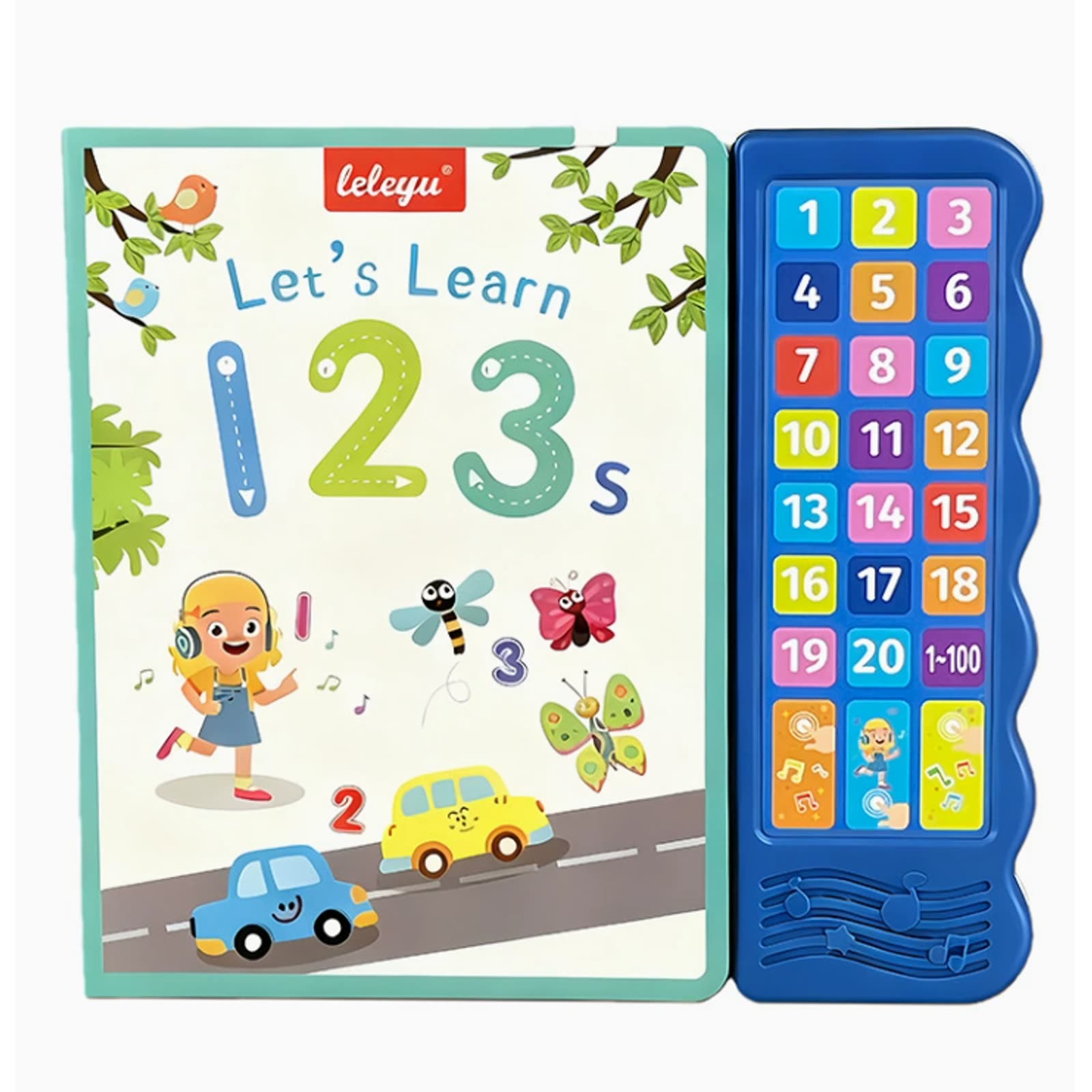
Compare entertainment, first-words and numbers subjects. Catalog images confirm neither pack contents nor mechanisms. Verify construction, recordings and interaction on a named physical sample.

02 / Prepare the scope

Sound book interaction planning: choose the route

These are buyer-requested comparison routes, not confirmed offers. Describe one reading action and let sample evidence determine the viable configuration.

01

Print-only comparison

Establish the editorial and physical baseline: audience, dimensions, page count, binding, materials and reading sequence. Verify these on a representative print sample. Keep proposed audio scripts separate; printed illustrations or icons do not demonstrate electronic interaction.

02

Sound-button route requested

Describe which action should trigger which approved response, without specifying an unverified control layout. Request demonstrations of activation, stopping, repetition, volume behaviour and power. Record observed functions; neither the category name nor a cover confirms buttons, page-specific playback or construction.

03

Pen-companion route requested

Identify the proposed pen and printed edition, then request compatibility checks using representative authorized pages. Define selection targets and responses. Establish device, print and file versions together; requesting a pen companion does not establish existing-book compatibility or an included pen.

03 / Prepare the scope

Map title versions to units and authorized assets

A category project needs an edition matrix, not one undifferentiated total. Keep content readiness and permissions visible beside each version.

01

Build the title-and-unit matrix

Give each title, language edition and interaction variant an identifier. Record estimated book units, separately requested device units and proposed pack quantities without assuming equal counts. For sound book wholesale planning, distinguish sellable units from evaluation samples and expose edition-specific content dependencies.

02

Register permissions asset by asset

List manuscript, illustrations, translations, narration, music and effects separately. Record each asset’s rightsholder, territory, medium, language, term, attribution and written permissions for intended uses, including reproduction or device loading where relevant. Mark unresolved permissions; an accessible recording is not an authorized production input.

03

Connect editorial files to each edition

Link layouts, scripts and approved audio file names to edition identifiers and response maps. Name editorial reviewers and the handover owner. For private label sound books, identify buyer-owned branding files and packaging text; brand replacement does not authorize reuse of reference content.

Not all details are ready yet?

Send the market, proposed product direction and the decision you need to make. Separate your must-haves from details still awaiting review.

Send Your Sound-Book Project Brief

04 / Prepare the scope

Sound book sample approval: record the configuration

Define what the sample must establish before reviewing it. Editorial acceptance, interaction evidence and market-release decisions belong in separate records.

01

Agree representative sample inputs

Choose permitted spreads and audio covering the proposed sequence and interaction cases. Identify construction, requested electronic configuration, file revisions and packaging scope. State which elements are representative and which are demonstrations only, preventing approval from extending silently to unreviewed editions or pack contents.

02

Record the actual checks

Assign reviewers for legibility, page order, text accuracy, print-to-response mapping, intelligibility, handling and packaging fit. Add interaction checks only for the demonstrated route. Keep dated observations, sample identifiers and open questions; a photograph or successful response does not establish the full configuration or market suitability.

03

Control changes after approval

Keep acceptance records with approved layout, script, audio and packaging revisions. Define changes requiring a new proof, functional demonstration or evidence review, and their decision owners. One title’s approval does not automatically cover another language, page arrangement, electronic configuration or retail pack.

05 / Prepare the scope

Separate quotation scopes and define the release gate

Make comparisons traceable to the same edition matrix and sample basis. Separate production scope, development work and release responsibilities.

01

Request print and electronic scopes separately

Tie the print scope to title versions, estimated units, construction and packaging. Request a separate electronic scope for the verified route, identifying device quantities, power assumptions, content loading and accessories. Require written inclusions and exclusions rather than comparing totals that hide different configurations.

02

Identify development and sample work

Request a separate development scope for feasibility review, mapping, file preparation, configuration changes and sample activities. Clarify who supplies translations, recordings and editorial files. Tie the sound book project quotation to dated assumptions, outstanding buyer inputs and the next scope-confirmation decision.

03

Release the exact reviewed version

Identify destination market, intended age context, instructions, labelling and responsible parties for applicable product evidence. Reconcile permissions, approved files, sample decisions and final configuration before release. General safety guidance informs review; it does not establish conformity or replace configuration-specific documentation and assigned release authority.

Which route belongs on each RFQ line?

A book with a built-in sound-button module and an encoded book paired with a reading pen are different procurement routes; neither route is established by a category name or catalogue image. For wholesale children's sound-book and reading-pen procurement, identify the requested route and confirm each supplier's work package separately.

Use the existing route comparison for each title. Keep print-only, requested sound-button and requested pen-companion lines separate; a proposed hybrid needs its own feasibility review, not assumed combined functionality.

Send the reading action, requested route, market and editions; mark undecided components Pending.

Send Your Sound-Book Project Brief

What will each delivery contain?

Beside each edition, list books, proposed modules, pens and retail packs as separate quantity units. Give each item an Included, Excluded or Pending status in the written scope. Do not assume one module or pen per book, or count a module-only offer as a finished-book delivery.

Who owns the route-specific handover?

Name the proposed owner for printing, electronics supply, assembly and content loading, and request confirmation of available work. Manufacturer terminology does not establish responsibility for every stage. Link each handover to the existing edition, authorized-asset and sample records; keep technical, rights, editorial and market-release decisions separate.

The next decision is a route-specific written scope. Use the sound-button RFQ guide for that route's cost breakdown, the terminology guide for naming, and OEM scope planning for requested device changes.

Questions about this procurement scope

Can one RFQ include sound-button books and pen-companion titles?

Yes, as separately identified requested routes with their own editions, sample requirements and quotation exclusions. One brief does not confirm both routes are available or share a supply package.

Does a sound book always include a module or pen?

No inclusion follows from the name alone. Ask for the exact delivery list and mark unconfirmed components Pending; a pen-companion request does not establish an included pen.

How can buyers distinguish module-only from finished-book offers?

Check whether the quoted deliverable includes the printed book, assembly, authorized content loading and packaging. Record omitted work and its owner before comparing offers.

Email a summary of delivery items, proposed owners and open decisions for scope review.

Request Route-Specific Scope

Buyer questions before a project quotation

How is this different from a single sound-book product page?

This brief compares routes and title editions; product pages provide subject references. Both require configuration verification, authorized inputs and sample evidence.

Can we begin without choosing buttons or a pen?

Yes. Choose “Not sure — please review” and describe what the reader should select and hear. Request a route comparison, keeping mechanism and compatibility questions unresolved until a selected sample demonstrates them.

How should we state quantities for several titles?

Break estimated units down by title, language edition and interaction variant. Identify books, separately requested devices and pack quantities independently. Flag undecided editions instead of hiding them within a category total.

What if our audio is not ready?

State whether you have scripts, drafts, approved masters or missing permissions. Provide only authorized evaluation examples and name the approver. Separate buyer-supplied audio from requested preparation work in the quotation; recordings are not assumed included.

Can catalog illustrations become our private-label content?

A reference image does not establish reproduction permission. Identify your authorized assets or the relevant rightsholder, document permitted uses and obtain required written permissions before including proposed content in the production handover.

What should written sample approval identify?

Record sample identifier, edition, print and audio revisions, demonstrated configuration, checklist and unresolved items. Name approvers and approval limits. Keep editorial decisions separate from functional checks and destination-market evidence review.

Why request separate print, electronic and development quotes?

They define the printed edition, verified electronic configuration and work needed to establish it. Separate inclusions, exclusions and dependencies make alternatives comparable without mistaking evaluation activities for approved production requirements.

Who decides whether the final configuration can be released?

Name the responsible buyer, importer or other relevant parties and agree destination-market evidence requirements. Release must reference the exact configuration, permissions and documentation. A listing or sample demonstration is not a conformity decision.

Use the right next step

Official background resources

These sources explain review areas, not approval of any ReadGlo product.

WIPO: Copyright frequently asked questions — Permission guidance, not rights to reference books or assets.

European Commission: Product safety — EU safety context, not sound-book configuration conformity evidence.

Your next buying decision

Send Your Sound-Book Project Brief

Start with a summary of your market and project. Select relevant catalogue references if helpful; exact quantities and unfinished assets can remain to be confirmed.

Submitting requests a scope discussion. It does not book a sample, establish content rights or confirm supply terms.

Download Project Checklist (TXT)

Prefer email?

info@readglo.com

Send a summary first, not confidential manuscripts, recordings or children's personal data. Any permitted file transfer can be agreed separately.

A focused project brief

Fields marked * are required. No phone number or file upload is needed.

Company and project requirements
Add references, versions and quantities (optional)
Catalogue references to discuss

Choosing a reference is not confirmation of its contents or availability.

By submitting, you ask ReadGlo to use the contact and project details you provide to respond to this inquiry.

Email ReadGlo at info@readglo.com