


Specialist Quran assortment planning / B2B project planning

Which Quran learning products belong in your proposed assortment?

Plan Quran learning products as an edition-led assortment, not a single pen purchase. Compare catalogue references for publisher editions, retail presentation, supervised classroom use or portable handling. Send a requested quantity and version for each line so the review can separate shared preferences from individual approval needs.

A focused brief for feasibility, samples and written quotation scope — not a ready-to-order configuration.

Quran learning pen catalogue reference
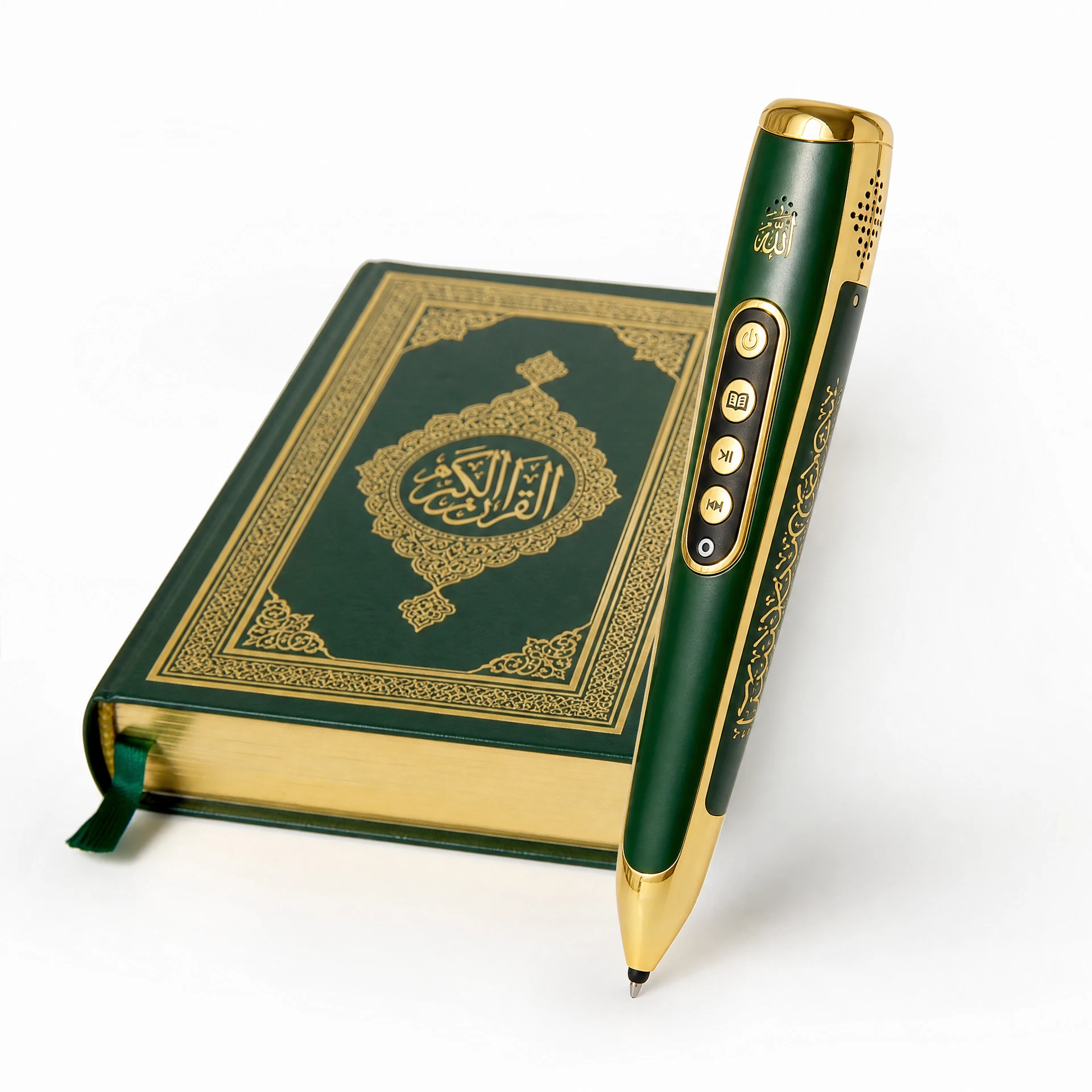
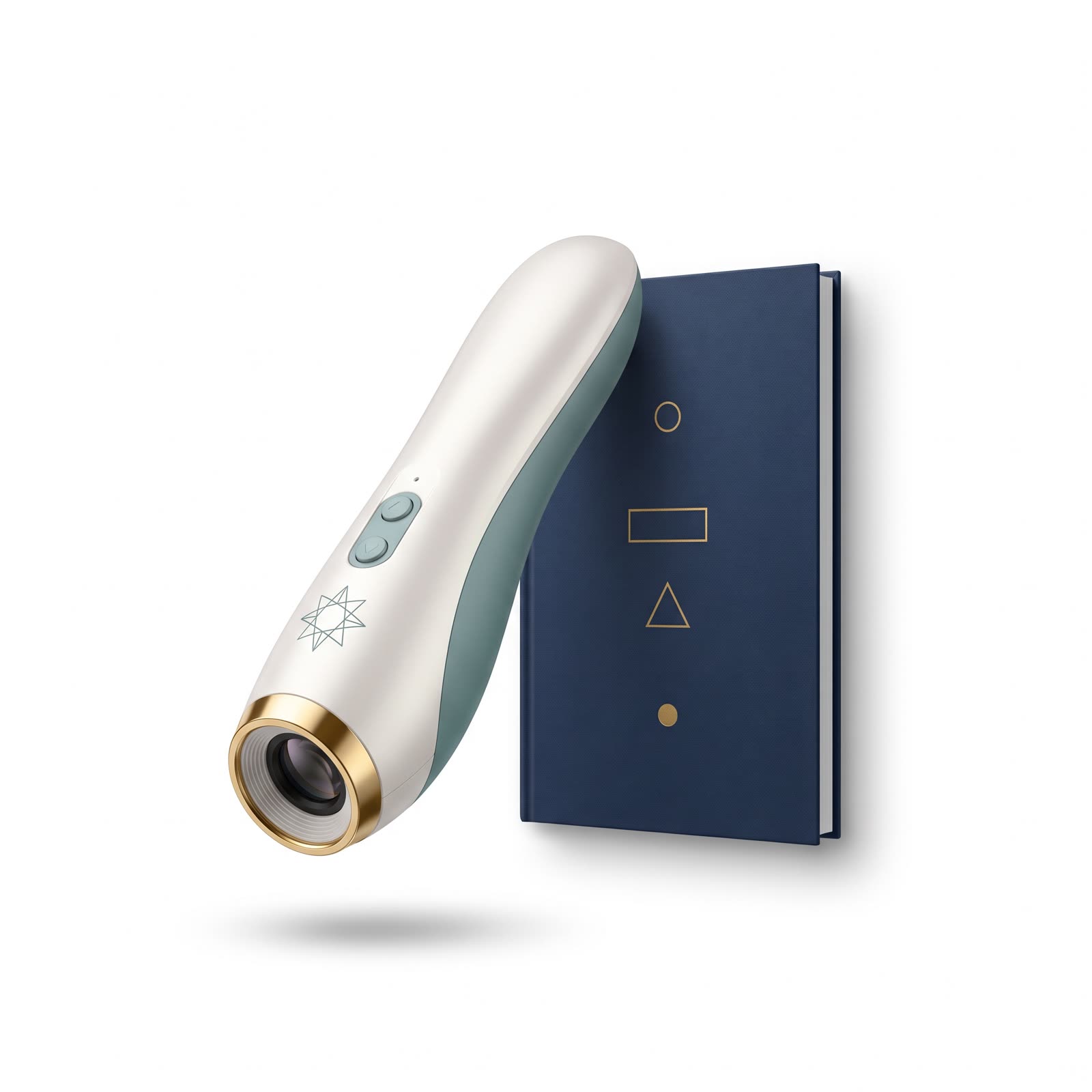
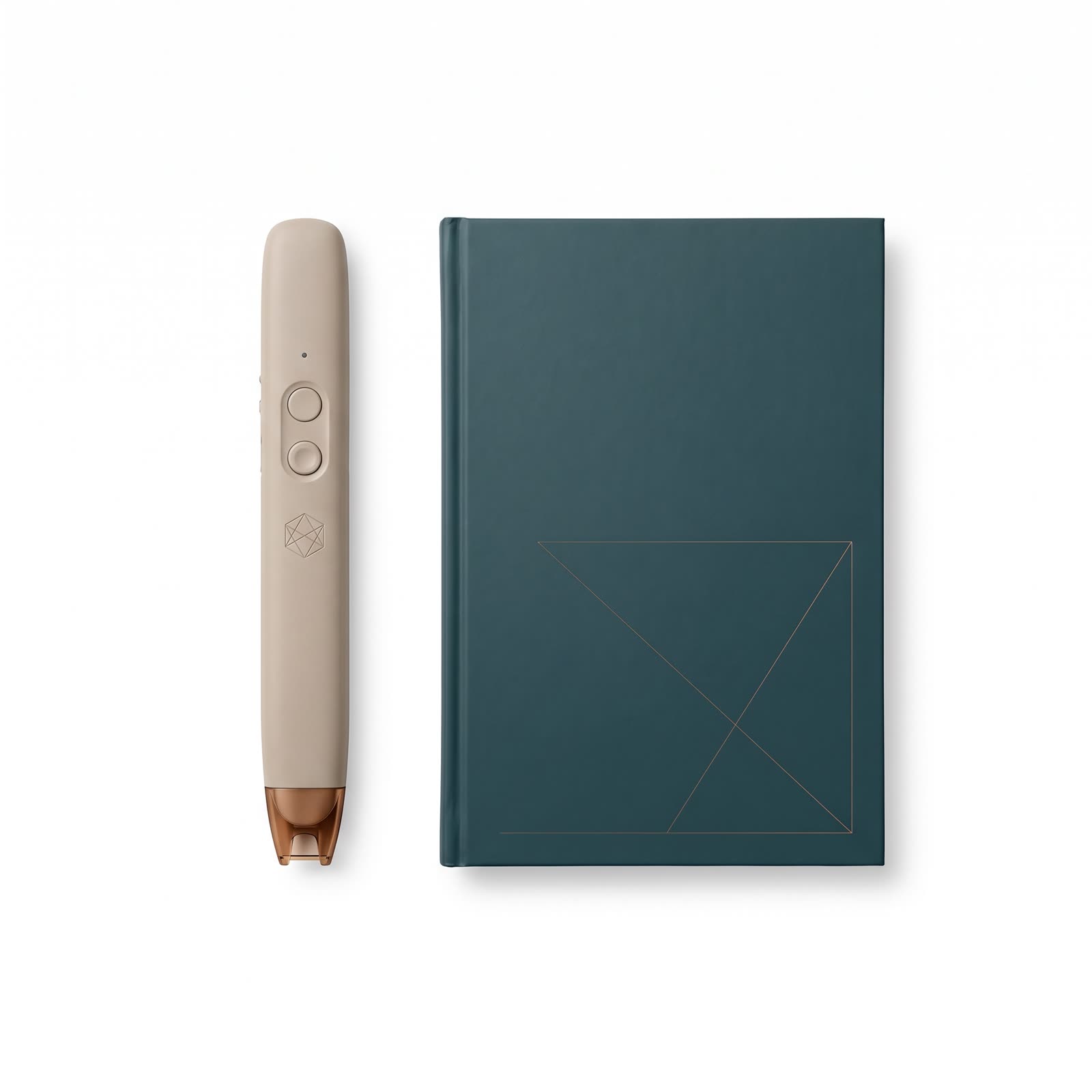
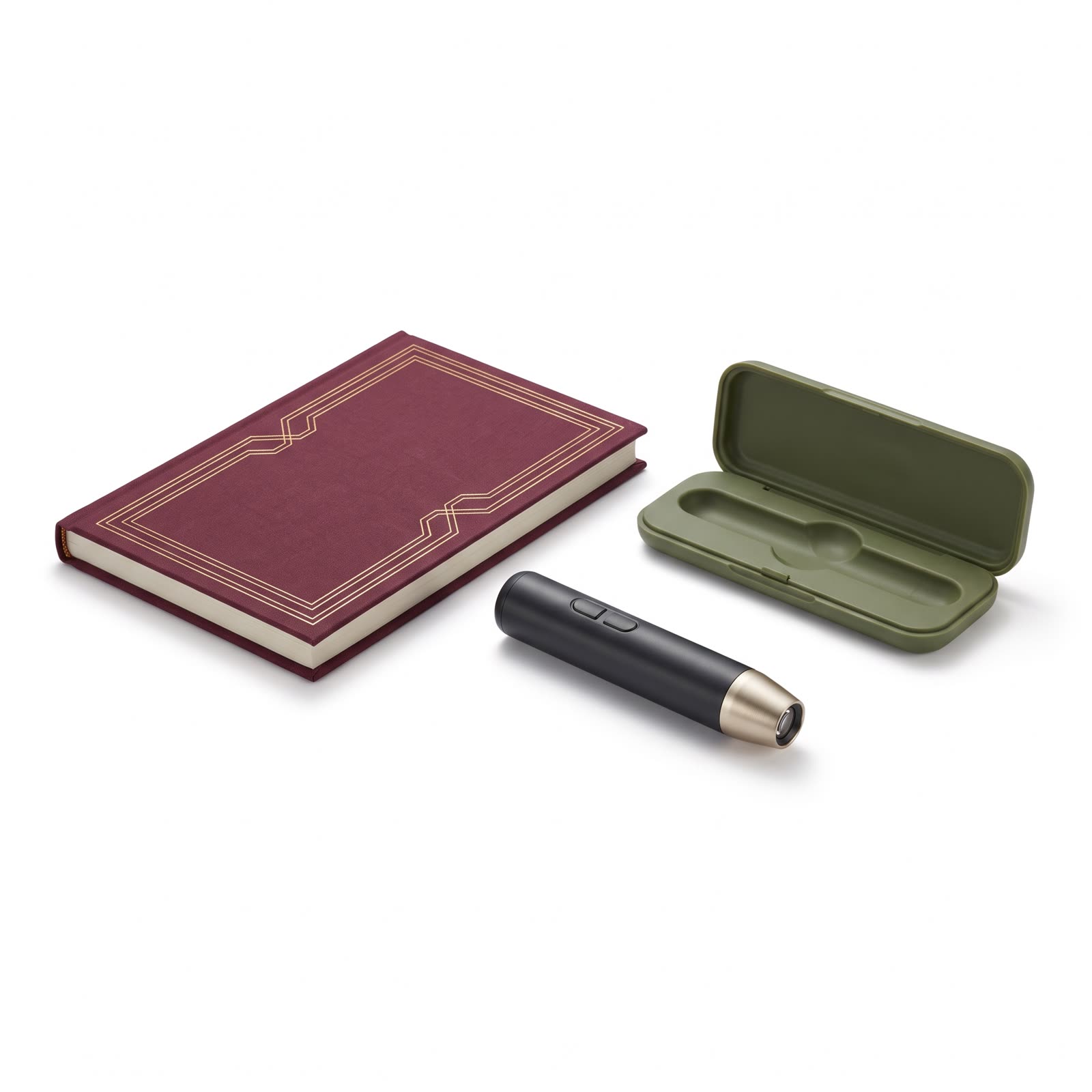
Catalogue reference illustration only: not a reviewed customer project, inventory record or confirmed configuration. No bundled contents are established.

01 / Compare directions

Compare six catalogue reference roles

These are comparison references, not verified packages. Give every selected line its own edition, preferred presentation, requested quantity and version. Mark unknowns explicitly; similar names do not establish interchangeable configurations.

02 / Prepare the scope

1. Match each reference to an edition and role

A Quran pen wholesale enquiry needs line-level decisions. Keep edition identity visible even when references share a presentation preference.

01

Build an edition-to-reference register

Assign a line ID, catalogue reference, publisher, edition identifier, print revision, requested quantity and version. Add preferred presentation and market. Split language or configuration variants into separate lines; combined quantities are not a cumulative minimum-order basis, and one edition cannot stand for another.

02

Separate Quran retail presentation from supplied contents

Compare gift, starter, classroom and portable roles through display, handling, storage and proposed components. Label each component requested, excluded or unresolved. A preferred box or case does not establish bundled contents or availability. Link artwork and packaging revisions to their own line.

03

Check Quran edition compatibility first

Rank lines by the decision needed: edition compatibility, presentation fit or supervised-use practicality. Select one test question per distinct configuration. Shared review steps may be proposed, but retain a separate outcome for every line and identify comparisons that cannot yet proceed.

03 / Prepare the scope

2. Record permissions item by item

Content authorization is an asset-level task. An accessible file, published edition or religious subject does not establish permission for proposed uses.

01

Keep asset categories separate

Create separate entries for text, scripts, layouts, translations, illustrations, commentary, recitations and recordings. Link each item to assortment lines and file revisions. Distinguish a recitation or performance from its recording; permission for one asset does not establish permission for associated material.

02

Document the permitted use

For every entry, record the rightsholder, territory, medium, language, term, attribution and written permissions. Describe intended reproduction, device loading and distribution where relevant. Check the particular asset and jurisdiction; neither the Quran subject nor a public file establishes automatic licensing or public-domain status.

03

Keep permission decisions traceable

Mark each item cleared for its documented use, pending or unknown, with a date and responsible person. Use permitted extracts and agree a transfer route before sharing full files. Permissions do not imply religious approval; technical acceptance and appointed religious review remain separate.

Not all details are ready yet?

Send the market, proposed product direction and the decision you need to make. Separate your must-haves from details still awaiting review.

Request a Quran Assortment Review

04 / Prepare the scope

3. Review a controlled edition configuration

Quran learning sets need checks against the proposed print, audio and device combination. One edition's demonstration is not assortment acceptance.

01

Identify the complete sample baseline

Record line ID, physical pen reference, print revision, mapping version, permitted audio package and firmware identifier where relevant. Select representative pages and intended responses. Check the actual architecture before specifying tests; word selection, verse selection and compatibility with other editions are not established.

02

Appoint distinct approval owners

The buyer appoints editorial and religious reviewers with defined authority for script, translation, recitation references and presentation. Assign technical checks separately. Record decisions and open questions against the sample baseline. A working device and this page provide neither religious endorsement nor a substitute for those reviews.

03

Retest changes against the baseline

Log expected and observed responses, print mismatches, audio issues and handling observations. Name correction owners and retain dated results. Print, mapping, audio or firmware changes need impact review and agreed retests. Retain configuration records so acceptance cannot migrate to an untested edition or revision.

05 / Prepare the scope

4. Quote and release each line conditionally

Compare scopes after identifying requested and unresolved inputs. Commercial review and destination-market release are distinct checkpoints, not a single assortment approval.

01

Ask for explicit per-line exclusions

Request quotations by line, quantity and version, separating device, print, content preparation, sample and packaging work. Ask what is included, excluded or awaiting evidence, with dependencies identified. Assortment size does not establish pooled minimum quantities, standard prices, production timing or shipping commitments.

02

Assign market and battery-transport tasks

Identify destination markets, intended age context, instructions and labelling owners. Confirm the selected power route before assigning battery documentation, packing or transport obligations. Determine applicable final-product evidence and responsible parties; imagery and sample approval establish neither certification nor clearance for a transport route.

03

Hold release at unresolved gates

Keep per-line release records covering permissions, appointed reviews, sample acceptance, market evidence and agreed quotation scope. List open gates and who can close them. Release remains conditional on documented decisions; accepting one edition or presentation does not release another with different assets or requirements.

Which edition and set role are you requesting?

For a Quran reading pen enquiry, identify the publisher, edition and print revision, proposed encoded-book pairing, permitted audio package and intended device/build before asking whether that combination can be assessed. This is paired-content procurement, not OCR reading of arbitrary paper.

For a Quran book and pen set, list the book, device, audio and packaging as separate requested components; the six catalogue roles do not establish stock, supplied contents or compatibility. If the brief says electronic Quran book, clarify whether it means an encoded printed edition or a different device category; an ebook reader or screen is not established.

A pen-only or replacement request needs the existing book edition, audio/map revision and original device/build, with the proposed pairing reviewed separately; standalone supply and warranty replacement remain unconfirmed. Keep replacement and new-set quantities separate.

Which language layer needs review?

Specify printed text and translation, recitation audio, translated audio, device prompts or menus, instructions and packaging separately. Bangla, Urdu, Arabic and Bahasa Indonesia are requested language layers, not confirmed content packages or interface support.

For Somali translation, request a named, pre-reviewed printed translation or audio-translation edition and mark it pending until rights, content review and the final configuration are verified. Record language, asset revision, reviewer and status per layer; print approval does not confirm audio or menus.

Send edition, language-layer requests, market and quantities through the existing form; mark unknowns pending and summarize rights status without uploading assets.

Request a Quran Assortment Review

Which assets and approvals belong to this edition?

Treat Noorani Qaida as a buyer-specified teaching edition: identify publisher, layout/revision and proposed authorized audio, not a hardware model. For a Warsh request, identify the recitation tradition and reading/path, exact publisher and tajweed layout, proposed performance and recording master; matching and rights remain pending.

For text, translation, layout, illustrations, recitation performance and recording, record rightsholder, territory, medium, language, term, attribution and written permission separately. Check printing, preloading, playback and commercial distribution as distinct uses. A public file or religious subject does not establish rights, and ReadGlo is not claiming religious approval or existing permissions.

Keep technical observations, buyer-appointed editorial/language and religious review, and rights approval independent. Record expected and observed responses against the complete print, audio/map and device/build baseline; a working sample page does not approve the whole edition.

What can an edition-specific B2B enquiry establish?

For Quran reading pen wholesale procurement, request a quotation by edition, configuration and quantity, with currency, unit basis, validity, destination and tax responsibilities. Separate device, books, authorized content preparation, packaging, samples, one-time work and transport; ask for inclusions, exclusions and dependencies, not an assumed retail price.

Use the requested country or city as a destination-market field for rights territory, language, labelling, intended users, final-SKU evidence and battery-transport route review, not as proof of a local shop, stock or market clearance. This page accepts a company enquiry, not a retail checkout or stock reservation.

If screen display or word-level playback matters to the quotation, specify the display content/language or intended touch response as pending requirements; neither capability nor a price premium is established. Agree support ownership and the handover scope separately from supply terms.

Questions about this procurement scope

Does word-level translated playback mean live translation?

No. A request for mapped, pre-reviewed translated audio is distinct from OCR, dynamic text-to-speech or automatic translation. Word-level selection itself still needs edition-specific configuration evidence.

Can a pen-only request be treated as a warranty claim?

No. Specify whether this is a separate purchase or a support case. Identify the original configuration and ask for the applicable route; free replacement, availability and warranty terms are not established.

What should a screen requirement describe before quotation?

State what should appear, in which language, and in what use context. First ask whether a suitable configuration can be assessed; this page confirms no screen-equipped SKU or local price.

What belongs in an online enquiry before files are shared?

Send company, destination, edition, requested quantities and open decisions through the form. Summarize permission status first; agree a permitted transfer route before sending manuscripts or recordings.

Email your edition brief. Configuration, permissions, samples and supply terms require separate confirmation.

Send an Edition-Specific Brief

Buyer questions before a project quotation

What is useful before an edition is selected?

Send references, intended setting, market and preferred presentation. Mark the edition/version undecided and give requested quantities by line where known.

Can two presentation options use the same edition?

Propose alternatives with separate line IDs and requested quantities/versions. Compare packaging and handling independently; a common edition does not establish identical configuration or sample acceptance.

How can we avoid double-counting alternative quantities?

Label mutually exclusive options as alternatives. Separate evaluation quantities from intended purchase quantities and state which decision selects the final line. Do not add alternatives into an order total to infer purchasing terms.

Which line should be sampled first?

Prioritize the most consequential uncertainty, such as an untested edition pairing. State the decision its sample must resolve and how other lines differ. Agree sample scope, availability and any charges before proceeding.

Can a classroom brief specify a learning outcome?

Describe supervised activities, users and handling needs instead of claiming outcomes. Ask reviewers to evaluate suitability. A classroom reference establishes neither a curriculum, measurable attainment, child-safety status nor a supplied class pack.

What changes when a reprint is proposed?

Identify the earlier baseline and changed print files, layout, materials and device/audio versions. Ask which checks remain applicable and which need repeating. A reprint is not automatically covered by the previous sample decision.

What if retail and classroom markets differ?

Keep separate market records even for a shared reference. Identify users, instructions, presentation and release owners for each destination. Review differences before merging quotation scope; retail acceptance does not settle classroom-use requirements.

How is this different from the German-language route?

This English specialist page compares multiple references and editions. The German-language guide serves a different briefing context; its language does not establish German device content. Specify actual language needs on each relevant line.

Use the right next step

Official background resources

These sources explain review areas, not approval of any ReadGlo product.

WIPO: Copyright frequently asked questions — General copyright background; it does not determine an individual edition's rights or grant a licence.

European Commission: Product safety — EU market-review background, not supplier certification, configuration-specific evidence or guidance for every destination.

Your next buying decision

Request a Quran Assortment Review

Start with a summary of your market and project. Select relevant catalogue references if helpful; exact quantities and unfinished assets can remain to be confirmed.

Submitting requests a scope discussion. It does not book a sample, establish content rights or confirm supply terms.

Download Project Checklist (TXT)

Prefer email?

info@readglo.com

Send a summary first, not confidential manuscripts, recordings or children's personal data. Any permitted file transfer can be agreed separately.

A focused project brief

Fields marked * are required. No phone number or file upload is needed.

Company and project requirements
Add references, versions and quantities (optional)
Catalogue references to discuss

Choosing a reference is not confirmation of its contents or availability.

By submitting, you ask ReadGlo to use the contact and project details you provide to respond to this inquiry.

Email ReadGlo at info@readglo.com