
Learning-card project planning / B2B project planning

How should buyers scope custom learning cards before requesting a quote?

Turn your card idea into a reviewable brief. Share the intended audience, themes, card list, requested languages and print or interaction preference. Publishers, education brands and distributors can start with a small representative set, then define the assets and decisions needed for a version-specific quotation.

A focused brief for feasibility, samples and written quotation scope — not a ready-to-order configuration.

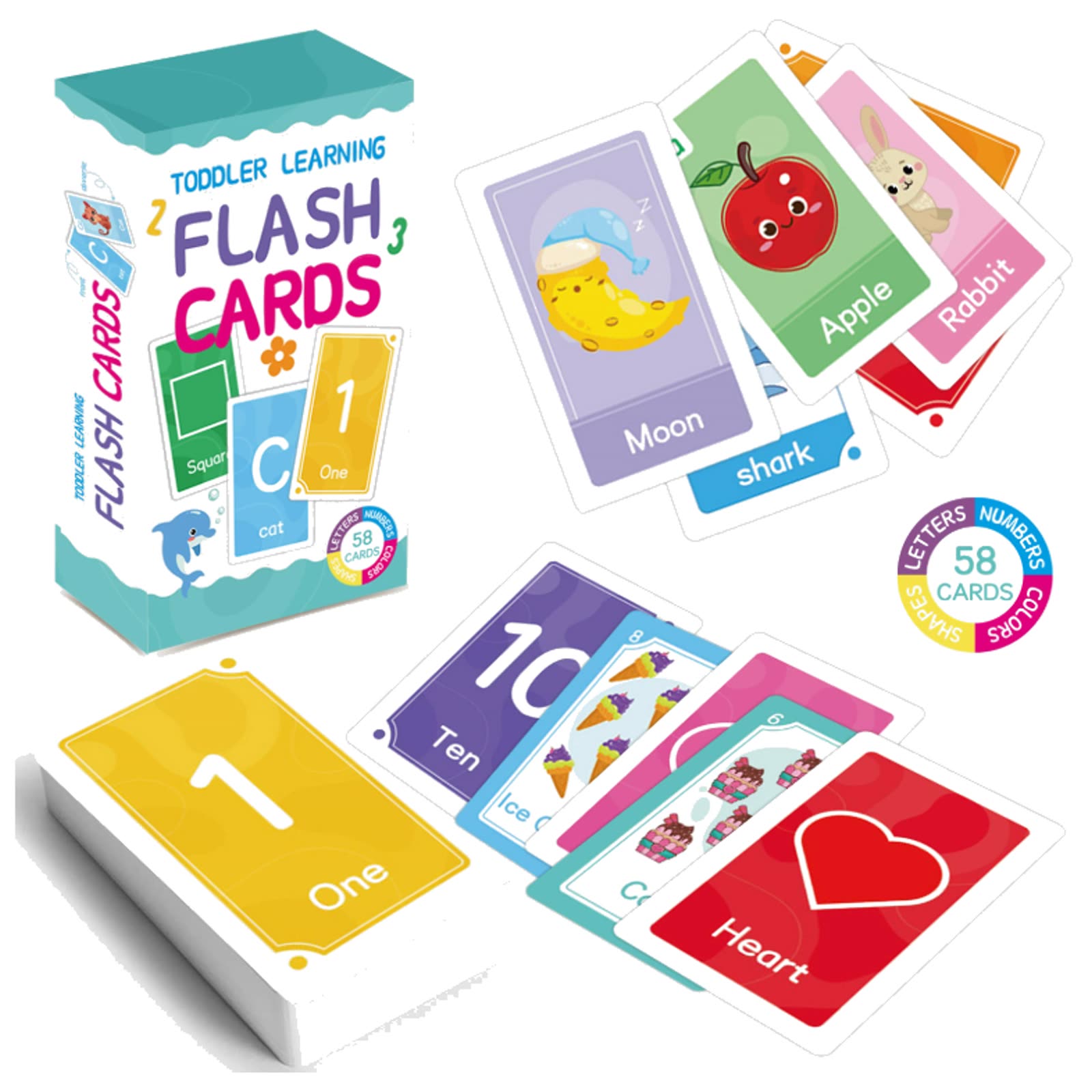
Toddler Learning Flash Card Set box beside colourful picture, word, number and shape cards
Toddler Learning Flash Card Set: a catalog reference for printed card themes and presentation, not evidence of a reader, supplied content or an approved project configuration.

01 / Compare directions

Use these card catalog references to explain your brief

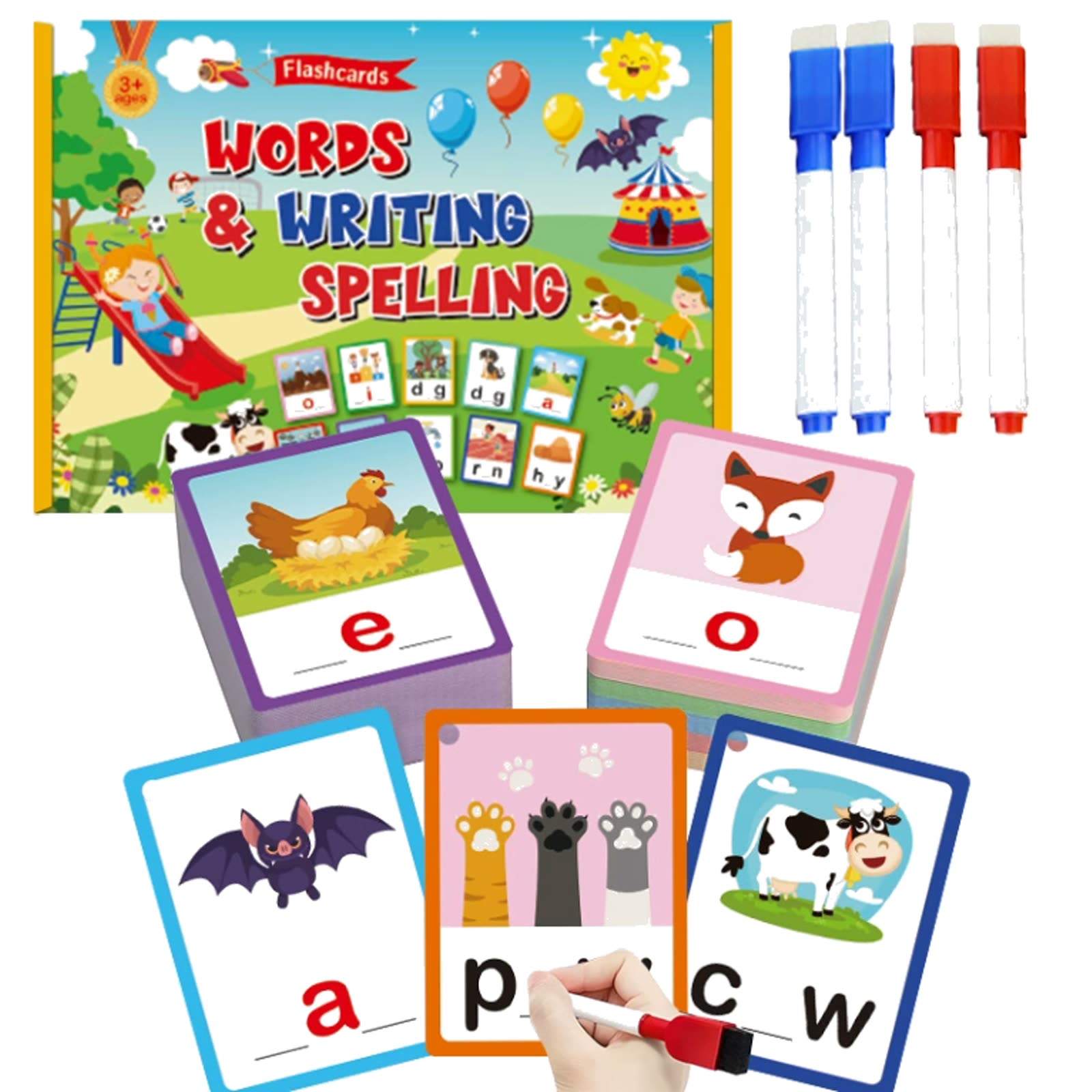
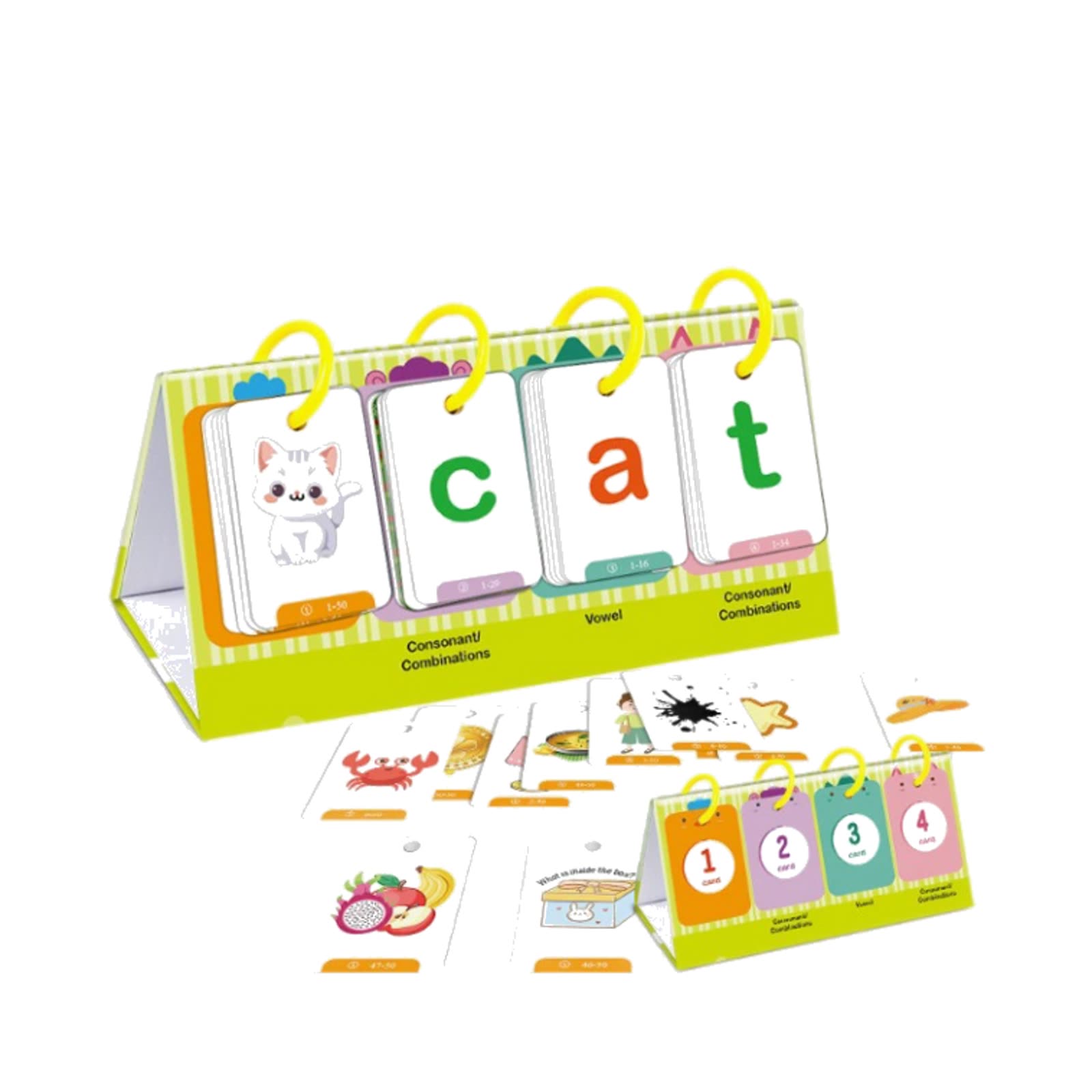
These listings are catalog references, not verified configurations for your project. Compare their themes and presentation; establish your own card contents, materials, interaction, language assets and pack through review. The legacy phonics-picture-book-collection URL names the Toddler Learning Flash Card Set, not a picture-book curriculum.

02 / Prepare the scope

Choose card themes, format and interaction separately

Start custom learning cards with a defined activity and assortment. Keep the printed format distinct from any requested electronic response so an unresolved mechanism does not become a quotation assumption.

01

Define the theme and card list

Choose a focused scope such as everyday objects, animals, numbers or writing prompts. Give each card an ID, intended word–image pair and front/back content. State age context and supervised use. If phonics is requested, identify the sequence and editorial owner; no supplied curriculum or learning outcome is assumed.

02

Specify the physical format

Describe count, dimensions, orientation, loose or linked format, finish and storage. Separate a requested writing activity from plain printed cards. Ask the sample to establish legibility, edge finish, handling and any ring or writing-tool arrangement; reference pictures do not confirm materials, durability or pack contents.

03

Treat interaction as a request

For wholesale talking flash cards, describe the action and expected response before requesting a mechanism review. Print-only, reading-pen and card-reader routes need separate verification. Neither card insertion nor a supplied reader is established here. Record the selected device and compatible print requirements only after an agreed demonstration.

03 / Prepare the scope

Map every language version and register its assets

A shared theme does not make language editions interchangeable. Connect words, images and any requested audio by card ID, with a rights record and approval owner for each asset.

01

Build a per-language mapping sheet

For each card face, record the approved word, image filename, language, print revision and intended audio filename where relevant. Mark missing or print-only entries explicitly. Include pronunciation and regional terminology decisions. Requested bilingual learning cards need a defined layout and language-selection behaviour, not an assumption that two languages are supplied.

02

Build a learning card asset register

List word lists, illustrations, photographs, translations, scripts and recordings separately. Record file version, owner, rightsholder, language, territory, medium, term, attribution and written permission reference. Include reproduction, recording, device loading and distribution uses where applicable. An accessible image or audio file is not permission to use it.

03

Name reviewers and missing work

Assign reviewers for terminology, image suitability, translation and pronunciation. Distinguish buyer-ready files from requested artwork, translation or recording work; availability and deliverables require agreement. Keep unapproved assets out of production handover, and retain a dated approval record so a changed word or recording cannot silently inherit acceptance.

Not all details are ready yet?

Send the market, proposed product direction and the decision you need to make. Separate your must-haves from details still awaiting review.

Send Your Learning-Card Requirements

04 / Prepare the scope

Match a representative sample to the printed order

Choose cards that expose likely problems rather than only the simplest design. Agree what the sample represents, which checks remain open and who can accept each result before expanding the order.

01

Select meaningful sample coverage

Include long and short words, contrasting images, numbers and any unusual script or layout. Cover requested languages, front/back pairs and relevant grouping. Use permitted assets and identify sample-only substitutes. Record the print revision and acceptance checklist; one attractive card cannot establish accuracy across the assortment.

02

Flash card sample matching and printed sequence

Compare each sample card ID with its approved word, image, reverse face and packing position. Check completeness, duplicates, orientation and linked-card order where relevant. Record omissions and mismatches in an issue log with correction owners. Retest corrected proofs and preserve the accepted sample reference for order comparison.

03

Verify the exact interactive combination

If interaction is requested, test the selected card–device–content combination against expected responses in each language. Identify device/build, print and mapping versions where relevant. Existing pens are not universally compatible. Changes to print, recordings or device versions need impact review; keep functional acceptance separate from editorial, rights and market decisions.

05 / Prepare the scope

Quote each version, pack and market-release scope

Request a comparable quotation using the approved or proposed version records. Make unresolved work visible rather than combining different languages, mechanisms and pack formats into one unexplained unit price.

01

Prepare a learning card project quotation by version

List quantities by theme, language, print revision and requested interaction route. Ask for separate recurring and one-off items, including preparation, samples and any agreed electronic work. Confirm inclusions, exclusions, commercial terms and approval dependencies in writing; no standard minimum quantity, price or production timetable is asserted.

02

Define the pack and handover

State card assortment, count, storage, instructions, labels and requested accessories per version. Identify any device as included, excluded or awaiting review rather than inferring it from an interactive brief. Match carton and retail references to the approved contents, and give channel teams current version-specific product information.

03

Assign destination-market release owners

Name the destination, intended age context and responsible importer or release coordinator. Review applicable final-product safety, documentation, labelling and transport obligations for the actual cards and any electronics or tools. A visual or functional sample does not establish safety approval or certification; release evidence needs its own decision gate.

Separate the card set from the pen supply

A proposed children's reading pen and learning card set does not establish that a pen is included. For a children's reading-practice brief, state cards per deck, number of decks and device quantity separately; do not turn a shared-device plan into one pen per deck.

Choose the theme and physical format independently of requested interaction. Use Included, Excluded, Optional or To confirm for each component; none of these is a default supply commitment.

What is included in a proposed pen-and-card set?
ComponentBuyer recordScope statusEvidence / owner
Card assortmentCard IDs; cards per deckTo confirmBuyer card-list approval
Deck supplyDeck quantity by versionTo confirmWritten quotation
Printed cardsFront/back; print revisionTo confirmApproved proof
Audio / mappingLanguage; file/map revisionTo confirmRights and mapping reviewers
Pen / deviceQuantity; named device/buildTo confirmPairing check; written scope

Share the theme, market, proposed contents and separate quantities; mark unresolved scope.

Send Your Learning-Card Requirements

Name the combination before requesting a quote

Connect card IDs and front/back word–image pairs to the print revision, authorized audio and mapping revision, and named device/build. Requested actions are not confirmed mechanisms: verify the selected combination, rather than assuming a pen reads arbitrary paper. Use the existing card RFQ and mapping-acceptance guides for detailed records; rights, editorial acceptance and destination-market release remain separate.

Questions about this procurement scope

Does a pen-and-card brief include the pen?

Not automatically. List pens separately and request written confirmation of whether they are included, excluded or optional.

How do card count, deck quantity and device quantity differ?

Card count describes one deck's contents; deck quantity describes sets ordered; device quantity describes pens requested. Keep all three explicit.

Does a card sample establish a curriculum or learning outcome?

No. It addresses agreed sample checks, not curriculum validity or proven reading progress. Buyer-appointed editorial review remains necessary.

Email a summary, not confidential assets or children's personal data.

Submit a Non-Confidential Card-Set Brief

Buyer questions before a project quotation

What should we send before the card list is finished?

Send the audience, themes, estimated assortment, requested languages, route preference and one permitted word–image example. Mark unfinished files and permissions. The first review can define a representative sample rather than treating a draft as production-ready.

Do talking cards mean cards inserted into a supplied reader?

No. Insertion and reader supply are not confirmed. Describe the requested action; establish architecture, matching cards and included equipment through selected-sample verification and written scope before comparing offers.

Can we use cards with our existing reading pens?

Request compatibility review for the exact pen version, printed cards and authorized content. A working book or another card set does not prove compatibility. Agree representative interaction tests before committing to that route.

How should we request bilingual learning cards?

Specify both printed languages, layout, requested audio languages and selection behaviour separately. Identify translation and pronunciation reviewers. Bilingual content, recordings and technical support for a requested language are not established by this page.

Can catalog artwork or online recordings enter our asset pack?

Only through an appropriate permission route. Register the rightsholder and permitted uses for each asset, including territory, medium, language and term. Catalog visibility, file possession and sample acceptance do not establish reproduction or recording rights.

What if sample images, words or card order do not match?

Log the affected card IDs, expected and observed results, file revisions and correction owner. Retest changed cards and dependent mappings or pack order. Keep unresolved deviations visible rather than approving the entire assortment from partial checks.

Why request quotations separately for each language version?

Text length, artwork changes, recordings, interaction preparation and packaging can differ. State quantities and scope per version, then ask which costs are shared and which are separate. Confirm any requested additional work rather than assuming it is included.

Does approving the sample authorize market release?

No. Sample approval covers the agreed checks only. Rights clearance, editorial acceptance and applicable destination-market evidence remain separate. Identify the responsible parties and final configuration before release or channel claims are approved.

Use the right next step

Official background resources

These sources explain review areas, not approval of any ReadGlo product.

WIPO: Copyright FAQ — General copyright context for asset permissions; not clearance of your word lists, images or recordings.

European Commission: Product safety — EU product-safety context; applicable requirements need review for the final configuration and destination.

Your next buying decision

Send Your Learning-Card Requirements

Start with a summary of your market and project. Select relevant catalogue references if helpful; exact quantities and unfinished assets can remain to be confirmed.

Submitting requests a scope discussion. It does not book a sample, establish content rights or confirm supply terms.

Download Project Checklist (TXT)

Prefer email?

info@readglo.com

Send a summary first, not confidential manuscripts, recordings or children's personal data. Any permitted file transfer can be agreed separately.

A focused project brief

Fields marked * are required. No phone number or file upload is needed.

Company and project requirements
Add references, versions and quantities (optional)
Catalogue references to discuss

Choosing a reference is not confirmation of its contents or availability.

By submitting, you ask ReadGlo to use the contact and project details you provide to respond to this inquiry.

Email ReadGlo at info@readglo.com