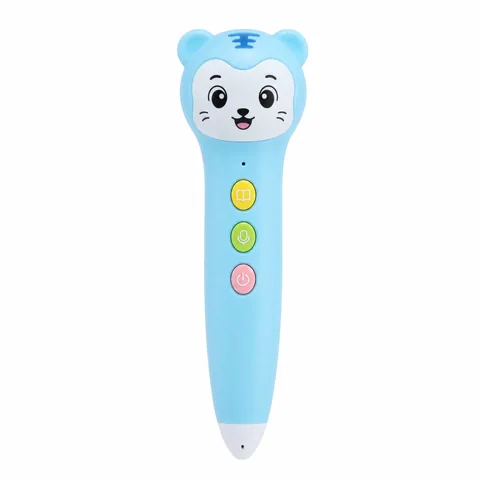
Reading pens
Specify model and coded book/content pairing. Verify firmware/content versions, controls and audio on the exact sample—not universal scanning or translation.
View reading pens ReadGlo
Languages
Business procurement · Product and content projects
Prepare a children's reading-product inquiry with product references, book and content languages, target market and estimated quantities. Choose an OEM, brand, publisher, distributor or school route. Define devices, printed materials and audio together so your requirements can be reviewed as one clear commercial project scope.
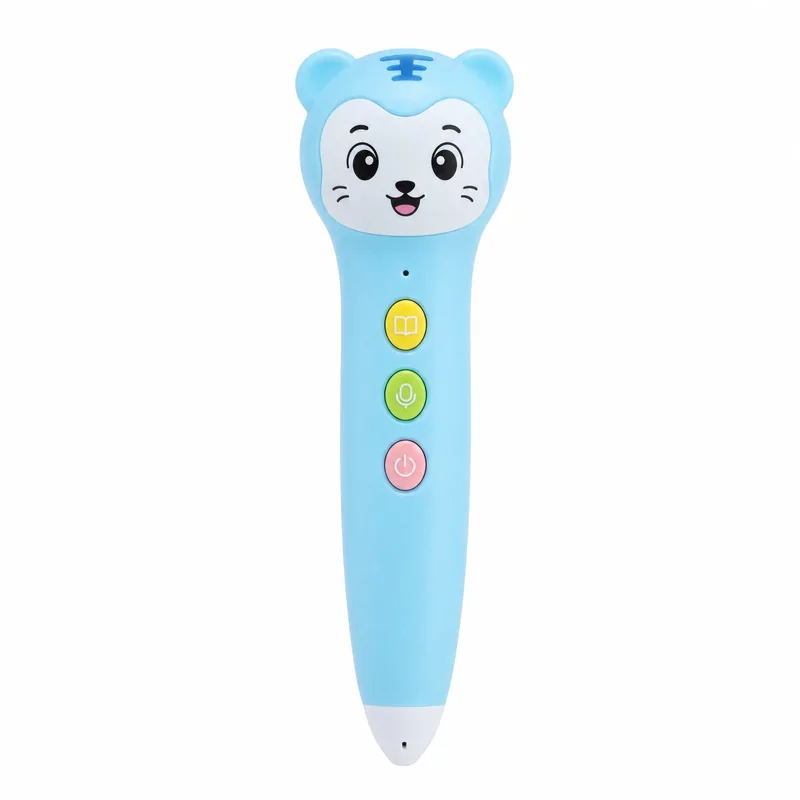
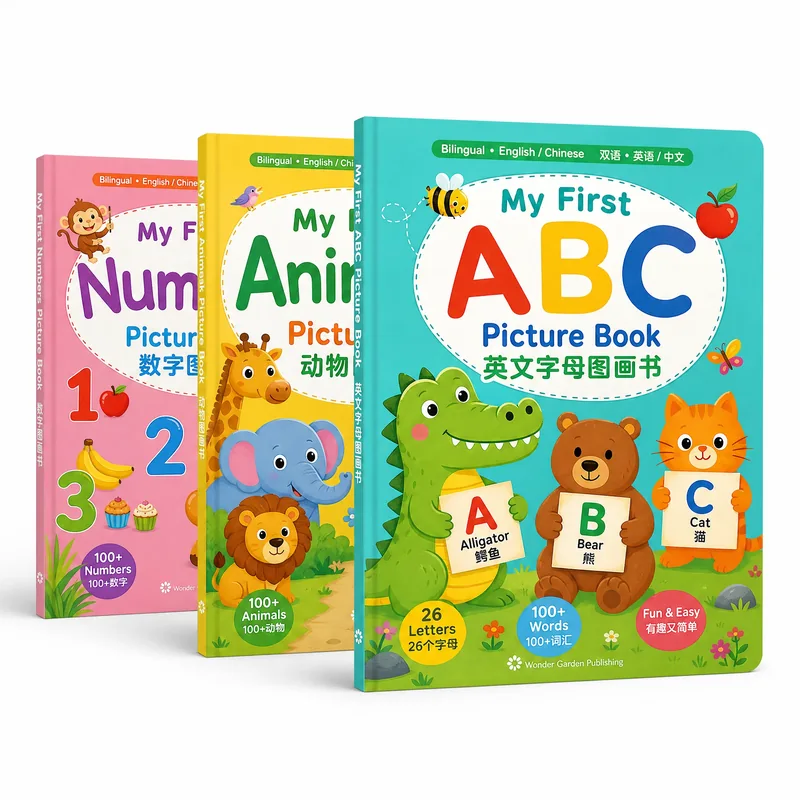
Separate device, book and content requirements; not every item is a complete bundle.
Specify model and coded book/content pairing. Verify firmware/content versions, controls and audio on the exact sample—not universal scanning or translation.
View reading pens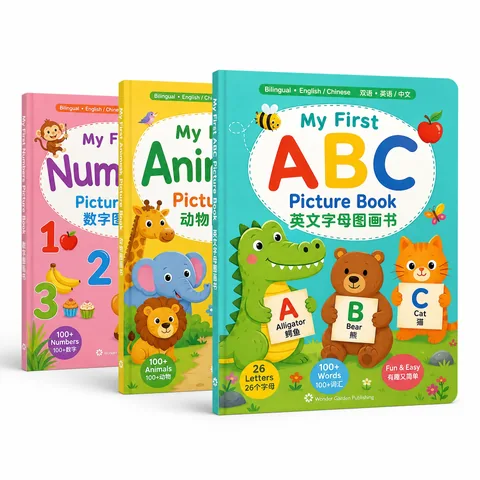
Agree page plans, print edition, trigger mapping and manuscript/audio reviewers. A translated script alone is not an approved package.
Publisher projects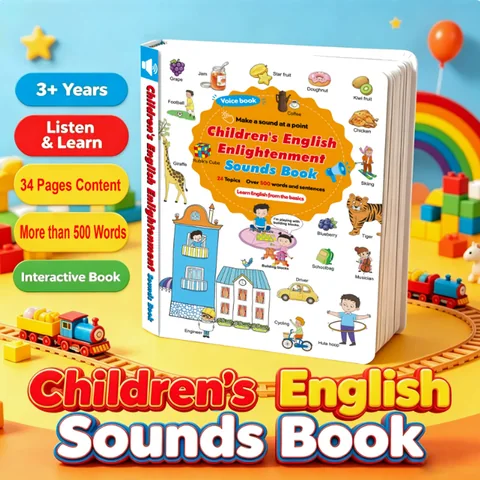
Define buttons or interactions, page count and audio mapping. Confirm electronics separately for the selected product; never assume module specifications.
Sound book projects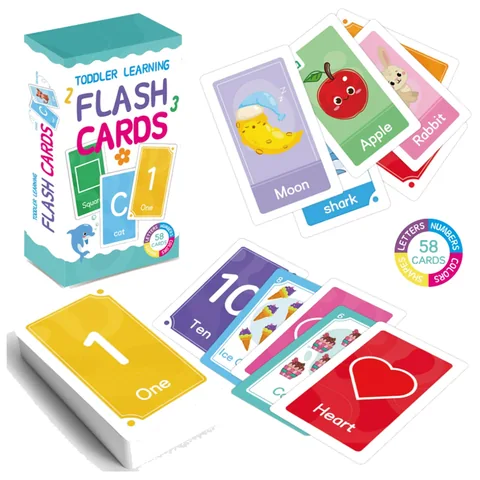
Distinguish printed decks, pen-triggered cards and matched reader sets. Specify device inclusion, languages and mapping.
Learning cardsBuyer-specific evidence matters.
Provide model references, branding artwork, market, content rights and packaging. Separate existing-design changes from new development requiring review.
OEM reading pensIdentify manuscripts, audio, title/edition IDs, mapping, permissions and sample approval owners.
Publisher routeList SKU references, quantities, print/audio versions, inclusions and delivery terms. One inquiry guarantees neither combined shipment, exclusivity nor discounts.
Multi-product RFQDefine learners, group sharing, device versus book/title counts, teacher preparation and observable evaluation tasks—not promised learning outcomes.
School routeDetailed product pages and specialist project guides are in English.
Subject to configuration review.
Request colors, logos, packaging artwork and design changes; confirm suitability, tooling and reuse.
Specify print, audio and controls/instructions separately. Website language does not establish device support. Provide approved scripts and rights records.
Record model, relevant hardware/firmware, book edition, content, mapping and packaging. Link sample approval to production configuration; changes may require re-review.
Match inclusions, quantities and versions. A missing line is not zero.
| Quote line | Buyer specifies | Confirm separately |
|---|---|---|
| Devices | Reference and count | Final configuration and unit basis |
| Books/cards | Edition, pages/deck scope, counts | Printing, mapping, device inclusion |
| Content/audio | Scripts, languages, usable assets | Rights, recording, mapping work |
| Branding/packaging | Artwork, components, labels | Setup changes, per-order costs |
| Delivery | Market, destination, desired date | Trade terms, transport, documents, tax allocation |
No automated quote, specification approval, test pass, order or shipping commitment. Price, MOQ, sample charges and schedule require scoped confirmation.
Send project requirementsSuggested workflow, not a delivery schedule.
Send nonconfidential references, market, languages, counts and open decisions.
Record exclusions, one-off deliverables and unresolved quote lines. Request market-specific documentation, not blanket approval.
Agree sample identity and interaction, audio, print and packaging acceptance tasks. Review rights and relevant market requirements.
Retain the written baseline and terms. Recheck changed editions, firmware, audio or packaging before repeat orders; no automatic approval.
Make supplier responses comparable.
Review manuscript, artwork, translation and recording permissions: rightsholder, territory, medium, language, term and attribution where applicable. Quran projects also require specific text-edition, recitation recording/performer/producer rights and required review checks. This page establishes neither ownership, permission nor religious approval.
WIPO background on content permissionsA book-linked reading pen is a pen-shaped device that triggers prepared audio from compatible coded books or cards; this is the children's product route covered by ReadGlo. The pairing, not the pen's shape, determines what content it can access. Names such as electronic reading pen or digital reader do not establish arbitrary-text OCR, text-to-speech or automatic translation. A smart reading pen label does not confirm AI correction or connectivity.
Start by separating the device, printed edition, mapped audio and accessories. A pen reference is not automatically a complete learning bundle, and a book or card reference does not automatically include a reader. Ask for written inclusion status for each line. Use the compatibility route for edition-specific questions and the category comparison guide if the requested task involves ordinary paper, handwriting, PDFs or screens.
When comparing electronic reading pen suppliers, choose the route by procurement responsibility: OEM or private-label development, publisher-owned content, distributor or importer assortments, or school use. A brand should start with the OEM brief; a publisher with the interactive-book route; an importer or distributor with the multi-SKU inquiry; and a school with its learner and group-use plan. For sound books, learning cards or Quran learning assortments, use the dedicated project routes rather than assuming the same device, interaction or content package. These routes organize requirements, not promises that a requested configuration or service is available.
Choose the relevant product route and buyer-specific link to organize your requirements.
Choose your existing project routeGive a catalog reference, buyer role, intended users and use setting, destination market, and separate print, audio and instruction languages. Count devices, book titles or editions, card decks and finished sets separately. Mark unresolved inclusions and requested changes as pending, with an owner for each decision. The site's language choices are communication entry points, not evidence of device audio support. Send nonconfidential scope through the existing project form; do not upload unlicensed assets or children's data. Content permissions and final specifications still need project-specific review.
Choose a reading pen against the intended content, users, matched edition, audio and included components, rather than an unsupported ranking. For a supplier or sample review, record the exact device build, book or card edition, audio version, observed response, unresolved questions and reviewer. Use the blank prompts below for comparable observations; they are not test results or customer ratings.
If you request a video demonstration, ask whether authorized footage is available and require the device build, content edition and demonstrated touch-to-audio interaction to be identified. A platform name does not establish an official channel. For product-change information, request a dated, traceable change record and its approved public scope; do not treat a catalog image or an undated announcement as current configuration evidence.
The next step is a scoped inquiry, not a claim of a winning model: carry the open items into the selected project route before approving a sample or order.
| Reference to identify | Observation to record | Pending question | Reviewer |
|---|---|---|---|
| Device build + book/card edition | Exact pairing used | Which versions remain unverified? | Name / date |
| Page or card + mapped audio version | Touch target and response | Which targets need checking? | Name / date |
| Audio language + clip reference | Heard wording and playback | Who approves the script and recording? | Name / date |
| Bundle reference + component list | Items physically present | Which inclusions need confirmation? | Name / date |
It triggers prepared audio through compatible coded content. The device, print edition and audio mapping form the system; the name alone does not establish access to other books.
No. These labels do not establish OCR, automatic translation or AI features. State the requested task separately and verify its scope rather than treating it as a confirmed capability.
No. An identified demonstration covers only what it shows. It is not proof of learning outcomes, medical suitability, examination permission or an unchanged production configuration.
Send references, market, quantities and open decisions for review—not an instant quote or specification approval.
Send project requirementsSend references, logo/artwork, changes, market, languages and counts. Feasibility and terms need final-scope review; not every design change is possible.
Not automatically. Review printed/code edition, device build and content mapping. An ISBN identifies a book; it does not prove compatibility.
Specify print and audio separately. Page language guarantees neither audio, catalog, rights nor support availability. Agree language-quality review.
List references, per-line quantities, languages, inclusions and destination. Compare lines separately; consolidated quotes, shipments and exclusivity are not automatic.
No. Define configuration, sample scope, market and documentation responsibilities. Relevant requirements need review, not blanket approval.
Publishers: editions, scripts, audio, mapping, permissions and approval owners. Schools: learners, group plans, counts and evaluation tasks. Exclude confidential manuscripts and children's personal data.
Share market, references, route, versions and quantity basis. Open questions welcome; quotes and samples require confirmation.
Send your briefEmail inquiry—not an instant quote.
Share nonconfidential scope only. Exclude children's data and unlicensed content; no upload is available.
Prefer email?
info@readglo.comDetailed product pages and specialist project guides are in English.